Scott Smolen Maryland real estate blog with market updates, community spotlights, and home buying tips

Maryland Real Estate Blog

Scott Smolen's Anne Arundel County and Bowie, Md. Real Estate Blog

Local real estate updates, market insights, community spotlights, and practical home buying and selling advice for Odenton, Gambrills, Crofton, Bowie, Piney Orchard, Two Rivers, and the surrounding Maryland real estate market.

Latest Market Trends

Stay current on mortgage rates, local inventory shifts, pricing trends, and buyer demand across the Maryland real estate market.

Home Selling Advice

Learn how to prepare, price, market, and negotiate when selling a home in today’s local market.

Home Buying Tips

Get practical guidance on affordability, inspections, offers, financing, and buying with confidence.

Community Spotlights

Explore local neighborhoods, market reports, lifestyle features, and community insights throughout the area.

Feb. 18, 2025

How Dust Bunnies Are Costing You Money—And How to Stop Them

Dust might seem like just a minor annoyance, but it could be silently draining your bank account. Left unchecked, dust buildup can impact your home's efficiency, increase energy costs, and even lead to expensive repairs. Fortunately, regular maintenance can help you avoid unnecessary expenses.


The Hidden Costs of Dust

Dust accumulates everywhere—from countertops to hidden crevices in your home. It consists of dirt, clothing fibers, pet dander, dead skin cells, and other particles. While daily cleaning helps, dust still manages to settle in places you might not think about, such as air ducts and HVAC filters. As dust collects in these areas, it forces your heating, ventilation, and air-conditioning (HVAC) system to work harder, leading to higher energy consumption and increased utility bills.


The Importance of Changing Air Filters

One of the simplest and most cost-effective ways to combat dust buildup is by regularly changing your HVAC filters. Dirty filters can significantly impact your energy efficiency. "Many homeowners don’t realize that dust buildup is more than a nuisance—it costs them money," says Jim Thoma, vice president of operations at AdvantaClean. "Dust and debris can clog up your HVAC system, causing it to work harder, resulting in higher energy costs."

According to the U.S. Department of Energy, replacing dirty air filters can reduce your HVAC system’s energy consumption by up to 15%. Since heating and cooling systems account for nearly half of a home’s energy usage, this simple change could result in noticeable savings on your monthly utility bill.

For example, if your energy bill is $100 per month, a 7.5% reduction means saving $7.50 monthly—an amount that adds up over time.


How Air Filters Work

Air filters trap dust and other airborne particles, preventing them from circulating back into your home. Made from materials such as cotton, polyester, or fiberglass, these filters help improve air quality and maintain your HVAC system's efficiency.

AdvantaClean recommends replacing filters every one to three months, though some manufacturers may suggest different timelines. The frequency of replacement depends on several factors, including:

  • Presence of pets
  • Allergies or respiratory conditions
  • Home environment 
  • Air quality
  • Type of filter being used

Filters can range in price from $10 to over $100, depending on size and brand. While this may seem like an extra expense, it's a small price to pay compared to the cost of overworking your HVAC system or needing expensive repairs.


Signs It's Time to Change Your Filter

A few key indicators suggest your air filter needs replacement:

  • Visible dust buildup: If you notice more dust settling on surfaces, your filter may no longer be effectively trapping particles.
  • Reduced airflow: A clogged filter can restrict airflow, causing your HVAC system to work harder.
  • Strange noises: A whistling sound from your vents may indicate a clogged filter restricting airflow.
  • Increased energy bills: If your utility costs are creeping up without another explanation, a dirty filter could be to blame.


The Case for Air Duct Cleaning

Beyond filters, dust can also accumulate in air ducts, reducing efficiency and potentially worsening indoor air quality. Air duct cleaning involves removing dust and debris from key HVAC components, including:

  • Supply and return air ducts
  • Registers, grilles, and diffusers
  • Heat exchanger coils
  • Fan motors and housings
  • Condensate drain pans

The Environmental Protection Agency estimates that cleaning an entire air duct system in an average-sized home costs between $450 and $1,000. The exact price depends on factors such as system size, accessibility, and contamination levels. When considering air duct cleaning, it's essential to do your research. Not all service providers offer the same quality, so the EPA recommends obtaining at least three written estimates before committing. Ask professionals to show proof of contamination before agreeing to the service.


Choosing the Right HVAC Professional

Before hiring an HVAC specialist, check their references and verify their reputation through the Better Business Bureau. Ensuring the company has positive reviews and no outstanding complaints can help you avoid unnecessary expenses and poor service.


In Conclusion

Dust might seem harmless but ignoring it can lead to higher energy bills and costly repairs. Regularly changing your air filters, considering professional duct cleaning, and hiring reputable HVAC specialists can help maintain your home’s efficiency, improve indoor air quality, and save you money in the long run. By staying proactive, you can keep dust bunnies from nibbling away at your finances!


 

Feb. 15, 2025

Debunking Six Common Reasons Against Buying a Home

Becoming a homeowner may seem out of reach at first. The financial and mental hurdles can feel overwhelming, making the idea of owning a home easy to dismiss. However, before ruling it out, it's crucial to separate fact from fiction. Many perceived obstacles are based on misconceptions rather than reality. Let’s break down six common reasons people hesitate to buy a home and uncover the truth behind them.


Reason 1: "I Don’t Have Enough for a Down Payment"

Many believe that a hefty 20% down payment is required to buy a home, but that’s simply not the case. According to Christina Bartning from National MI, this long-standing myth has discouraged countless potential buyers. The truth? Many loan programs allow for much lower down payments:

  • FHA loans require as little as 3.5% down
  • VA loans (for eligible military personnel and veterans) require 0% down
  • Conventional loans backed by Fannie Mae or Freddie Mac may allow 3% to 5% down

Additionally, first-time buyers may qualify for grants and down payment assistance programs, especially if they have steady employment and good credit.

However, keep in mind that if you put down less than 20%, private mortgage insurance (PMI) will be required until you build enough equity in the home.


Reason 2: "I Can’t Afford a Mortgage Payment"

Many renters assume that owning a home is more expensive than renting, but that’s not always true. Mortgage payments often turn out to be comparable or even lower than rent in many markets. Unlike rent, which only benefits your landlord, your mortgage payment helps build your own equity. Use a Rent vs. Buy Calculator to determine whether renting or buying makes more sense for your situation. Additionally, first-time homebuyer programs exist to help low- to moderate-income buyers with affordability.


Reason 3: "My Credit Isn’t Good Enough"

A less-than-perfect credit score doesn’t automatically disqualify you from getting a mortgage. Many lenders offer loan programs for buyers with lower credit scores. In fact: Some mortgage programs accept credit scores as low as 620 FHA loans are designed for buyers with lower credit scores.

Alternative financing options, such as lease-to-own programs or seller financing, may be available If your credit needs improvement, start by making on-time payments, reducing debt, and checking your credit report for errors. Over time, even small improvements can help you qualify for better loan terms.


Reason 4: "I Have No Credit History"

Even if you don’t have a traditional credit history, you can still build credit and qualify for a mortgage. One way is by having rent payments reported to credit bureaus. Some landlords already do this, or you can sign up for services like Experian RentBureau to get started.


Reason 5: "I Haven’t Been at My Job Long Enough"

While job history is important, it’s not always a dealbreaker. Lenders look at your overall income stability and industry rather than just the length of time at a single job. If you recently changed jobs but stay within the same field and have consistent income, you may still qualify. A letter from your employer confirming job stability can strengthen your mortgage application, especially if you’ve recently started a new role.


Reason 6: "I Can’t Find an Affordable Home I Love"

Finding the perfect home right away is rare. Many first-time buyers start with a starter home, which allows them to build equity and move up to a larger or more ideal home later. Instead of waiting for perfection, focus on what’s essential—a safe, affordable home in a good location. Over time, you can renovate or upgrade as your finances grow.


Final Thoughts

Owning a home is more achievable than you might think. By shifting your mindset and educating yourself on available resources, you can take meaningful steps toward homeownership. If you're ready to explore your options, contact Scott and the Smolen Team today. Their expertise can guide you through the process and help you find the right path to owning a home!


Feb. 12, 2025

7 Effective Strategies to Reduce Your Heating Bill

 As winter approaches, it is time to prepare your home and budget for the colder months. While you are likely familiar with common methods such as caulking, weather stripping, and adding insulation to keep your home warm, there are more ways to conserve energy and lower your heating bill. Here are seven recommendations to help you stay cozy without breaking the bank:

1.  Use a Humidifier

Humidifiers may not generate heat, but they can significantly enhance the comfort and warmth of your home during the winter. Heating systems tend to dry out the indoor air, making it feel colder. Introducing a humidifier restores moisture to the air, trapping heat and making your living space feel warmer for longer. This added indoor humidity creates a cozier atmosphere, allowing you to adjust your thermostat to a lower setting. You have the option to choose between a whole-house humidifier system or a portable humidifier, depending on your needs.

2.  Rearrange Your Furniture

While sitting in front of a warm fireplace or radiator is inviting, placing furniture directly in front of these sources can trap the heat and prevent it from circulating throughout the room. To optimize heat distribution, rearrange your furniture so that warm air can flow freely across the entire space, keeping you warm and comfortable.

3.  Invest in a Programmable Thermostat

A programmable thermostat can lead to substantial cost savings when it comes to heating your home. You can program it to align with your daily schedule, lowering the temperature when you are away and raising it just before your return. For instance, reducing the thermostat setting at night can improve your sleep quality and reduce your winter energy bills.

The U.S. Department of Energy recommends lowering the thermostat by 7 to 10 degrees for eight hours a day, which can lead to a 10% annual reduction in heating costs. Additionally, programmable thermostats can help monitor indoor humidity levels, air filter quality, and energy consumption. For added convenience, consider a Smart thermostat that connects to your home internet, allowing remote access via your smartphone.

4.  Implement Windbreak Features

Enhancing the energy efficiency of your home extends beyond the indoors. You can reduce energy consumption by adding winter windbreaks to your landscape, either in the form of structural or botanical elements. These windbreaks lower wind chill and subsequently reduce heating costs. Depending on the available space, you can use various items to block the cold winds from directly impacting your home.  Effective windbreak options include:

- A privacy fence

- A lattice trellis with climbing vines

- A row of evergreen trees or hedges

The U.S. Department of Energy advises planting trees at a distance from your home that is two to five times the mature height of the trees. When planting shrubs or hedges, leave at least one foot of space between your house and the mature plants.

5. Install a Heated Ceiling Fan 

Reversing ceiling fan blades to circulate warm air during winter is a well-known trick. However, you can take it a step further by installing a ceiling fan with a built-in heater. These fans come with ceramic heating elements that can help warm up rooms with high ceilings, delaying the activation of your central heating system and reducing energy consumption.

6. Use a Chimney Balloon

While many people focus on sealing windows and doors, unsealed chimneys can be a significant source of heat loss in a house. If you have a fireplace that sees infrequent use, consider using an inflatable fireplace plug or chimney balloon to seal your chimney. These chimney draft stoppers effectively block drafts, reduce heat loss, and lower energy consumption. You can find them at your local home improvement store.

7. Schedule a Home Energy Audit

A home energy audit is an excellent way to identify areas in your home where heat and energy are being lost. It offers recommendations on how to improve your home's efficiency, making it more comfortable, safe, and energy efficient. Consider scheduling a home energy audit to gain insights into areas that require attention and how to enhance your home's overall efficiency. You can find certified professional energy assessors through the Residential Energy Service Network (RESNET). 

https://www.energy.gov/energysaver/professional-home-energy-assessments

By implementing these strategies, you can lower your heating bill and create a warmer, more cost-effective living environment during the winter months.


Feb. 7, 2025

Packing and Moving Tips: Smoothly Transition to Your New Home

Moving to a new home is an exhilarating experience, but it also comes with the challenges of packing and relocating your belongings. One crucial decision you'll need to make is whether to hire professional movers or handle the move yourself. To make an informed choice, consider factors such as budget, distance, and time constraints.

Taking some time to prepare in advance can save you from potential hassles later. Begin by estimating your moving costs. Obtain two or three estimates from reputable moving companies recommended by friends or trustworthy consumer sites. Ensure that the chosen company is licensed and insured. If you're considering a DIY move, consider expenses like rental truck fees based on hours and distance, as well as costs for boxes, tape, packing materials, and moving equipment like dollies and straps. Additionally, factor in the "free help" you might receive from friends, as this could mean reciprocating the favor when they move.

Before packing, declutter your belongings. Decide whether you truly want to bring along items like old magazines or sentimental mementos that may not serve a purpose in your new home. Donating or giving away unnecessary items not only lightens your load but could also lead to a tax deduction or brightening someone else's day.

When it's time to pack, do so methodically, one room at a time, to facilitate easier unpacking at your new place. Take care to wrap items carefully and label each box according to the designated room. Keep box weights around 50 pounds to avoid potential strain during the move and set aside essential items in labeled boxes for easy access upon arrival.

Gather packing supplies well in advance to avoid last-minute expenses. You can find free packing materials through online chat rooms in your neighborhood. Be sure to acquire various box sizes, packing paper, bubble wrap or cushioning foam, packing tape, moving blankets, plastic wrap, paper towels, scissors, screwdriver set, and markers for labeling.

While the move itself can be consuming, remember to update your address with important people in your life, including friends, employers, and creditors. Start by filling out a change of address request with the United States Postal Service and update your address individually with various organizations and companies to prevent any service interruptions or overdue bills. Notify utilities and service providers about your relocation plans, ensuring that your old home's utilities are disconnected on moving day and reconnected at your new residence by the time you move in. Don't forget to update your information with your bank, credit card companies, stockbrokers, and other relevant financial institutions.

By following these guidelines and being proactive in your preparations, you can ensure a smoother and more efficient move to your new home.  


Feb. 3, 2025

Avoid These Common Mortgage Shopping Mistakes

Securing an affordable mortgage is a pivotal step in your homeownership journey, one that requires careful consideration and attention to detail. Given the long-term commitment involved, it is crucial to make informed decisions to ensure you obtain the most favorable and affordable mortgage deal possible. Unfortunately, many homebuyers make avoidable mistakes during the mortgage shopping process, which can lead to higher rates or even loan rejection. To help you navigate this critical phase successfully, whether you are a first-time homebuyer or refinancing your mortgage, steer clear of these all-too-common mortgage shopping errors.

1. Overestimating Affordability

Before you embark on mortgage shopping, it is vital to determine your budget. Failing to do so could result in wasted time and disappointment when applying for a loan that is beyond your means. Remember to account for additional costs such as taxes, insurance, and HOA fees when estimating your monthly bills. Using a mortgage calculator can be incredibly helpful in setting a realistic budget.

2. Neglecting Your Credit

Your credit score significantly impacts the mortgage rate you will secure. Well before you dive into the homebuying process, scrutinize your credit report, and aim for a score of 650 or higher. If your score is lower due to late payments or excessive credit card debt, consider taking steps to improve it, which will save you time and money in the long run.

3. Shopping Without a Purpose

While it is essential to shop around for the best mortgage deal, doing so within a specific timeframe (typically 14-45 days) is advisable. Extending your search beyond this window may negatively affect your credit score, potentially leading to a less favorable rate.

4. Making Major Financial Moves

Avoid opening new credit cards or making significant purchases, such as buying a car, during the mortgage application process. Such actions could raise red flags about your financial responsibility, potentially jeopardizing your rate.

5. Settling for the First Lender

Lenders differ not only in the loan products and rates they offer but also in the level of service provided. Conduct thorough research to understand your chosen lender's approach and whether they will be by your side throughout your homeownership journey.

6. Skipping Pre-Approval

Pre-qualification and pre-approval serve as essential tools in your mortgage shopping process. They help verify your financial readiness and the loan amount you can afford, making your property search more efficient.

7. Underestimating Ongoing Costs

Remember that homeownership entails additional expenses beyond the mortgage. Be prepared for utility bills, maintenance, and upkeep, so avoid maxing out your budget on the mortgage alone.

8. Ignoring the APR

While interest rates are essential, the Annual Percentage Rate (APR) provides a more accurate comparison of lenders. It includes all associated fees and expenses, offering a clearer picture of the loan's total cost over time.

9. Skimping on the Down Payment

A small down payment might seem appealing, but it can result in private mortgage insurance costs and a longer loan payoff period, increasing the total interest paid. 10. Overlooking Prepayment Penalties Check your loan terms for prepayment penalties. While some loans, like VA, FHA, and USDA, do not have these penalties, conventional loans may.

Understanding the terms and fees is crucial to avoid surprises. Navigating the mortgage process requires vigilance and careful planning. By avoiding these common mortgage shopping mistakes, you will be better equipped to secure a loan that aligns with your budget and homeownership goals. If you have questions or need guidance, do not hesitate to reach out to Scott and the Smolen Team, who can connect you with a reputable mortgage lender for assistance.


Jan. 31, 2025

What Is Hazard Insurance?

Hazard insurance is a specialized type of coverage that protects homeowners against property damage caused by specific natural disasters and perils. While it offers essential financial protection, it typically does not include flood coverage, which must be purchased separately from federal programs or private insurers.


Why Hazard Insurance Matters for Homeowners

Understanding hazard insurance is a vital part of the homeownership journey. It ensures financial security against unexpected disasters and is often a requirement for securing a mortgage. Here are key points to consider:

Term Length Options  

Hazard insurance policies vary in term length. Some offer short-term coverage, while others provide long-term protection. Choosing the right term depends on your needs and preferences.

Regional Risks

Certain areas are more prone to specific hazards. For example, homeowners in flood or earthquake zones may need additional hazard insurance tailored to their region's risks.

Mortgage Requirements

Lenders typically require hazard insurance to approve a home loan. This ensures the property is protected, safeguarding both the homeowner and the lender from financial loss. Hazard Insurance vs. Homeowners Insurance While hazard insurance focuses on covering property damage from specific disasters like fire, wind, hail, and lightning, homeowner’s insurance offers broader protection. Here is a quick comparison:

  • Hazard Insurance: Covers damage caused by natural disasters but excludes personal belongings, liability claims, theft, or vandalism.
  • Homeowners Insurance: Provides comprehensive coverage, including personal property protection, liability claims, and additional perils.


For homeowners seeking extensive coverage, homeowner’s insurance is often the better choice.


Top Reasons to Consider Hazard Insurance

Certain factors may make hazard insurance a good fit for your property. Here are the top five reasons to consider it:

  1. Geographic Vulnerability: Properties in disaster-prone areas, such as hurricane or earthquake zones, benefit greatly from hazard insurance.
  2. Peace of Mind: It offers reassurance against unexpected events, allowing homeowners to feel secure.
  3. Property Value Preservation: Coverage helps maintain property value by covering repair or replacement costs.
  4. Customized Policies: Many policies can be tailored to meet specific homeowner needs.
  5. Lender Requirements: Mortgage lenders often mandate hazard insurance as part of their loan conditions.


Is Hazard Insurance Mandatory?

Mortgage lenders frequently require homeowners to have insurance coverage, which often includes hazard and liability protection as part of a broader homeowners insurance policy. This ensures the property is adequately protected, reducing financial risks for both the homeowner and the lender.


Does Your Home Need Hazard Insurance?

Hazard insurance is a valuable tool for protecting against natural disasters and specific perils. While it provides crucial coverage for property damage, it’s important to understand its limitations and how it differs from homeowner’s insurance. If you are unsure whether your home requires hazard insurance, consult with your insurance agent, or reach out to Scott and the Smolen Team for guidance!


Jan. 28, 2025

More Starter Homes Are Hitting the Market

After years of limited inventory and rising home prices, a noticeable shift is happening in the housing market—more entry-level homes, commonly referred to as starter homes, are becoming available. This change presents a promising opportunity for first-time homebuyers who have been waiting for the right moment to step into homeownership.


Inventory Is Increasing – Especially at Lower Price Points

Over the past year, the housing market has seen a steady improvement in inventory levels. According to Realtor.com, the number of homes for sale in November was 26.2% higher than the same time last year. This marks 13 consecutive months of inventory growth and the highest availability of homes since December 2019.

This inventory boost is particularly noticeable in the starter home segment, where availability has significantly improved. These homes, typically more affordable and ideal for first-time buyers, are seeing the largest gains.

This trend is great news for buyers who have struggled with the scarcity of options in recent years. With more choices available, it’s becoming increasingly feasible for first-time buyers to find a home that aligns with their budget and lifestyle needs.


Why Starter Homes Are Gaining Traction

Several factors are contributing to the rise in starter home inventory:

  1. Market Adjustments: Slower price appreciation and slightly higher mortgage rates have shifted some demand away from higher-priced homes, making starter homes more accessible.
  2. New Construction: Builders are beginning to focus more on affordable housing to meet the needs of entry-level buyers.
  3. Homeowner Transitions: Existing homeowners are upgrading to larger or newer properties, increasing the supply of smaller homes.

For many buyers, this creates a unique opportunity to enter the market, especially in areas where starter homes were previously hard to find.


How an Experienced Agent Helps You Find a Starter Home

While more inventory is good news, navigating the market to secure the right starter home requires strategy and expertise. This is where a skilled real estate agent can make a difference.

  • Access to Listings: Agents have access to the latest listings and can alert you to homes as soon as they hit the market, giving you an edge over other buyers.
  • Market Knowledge: A local agent understands market trends, neighborhoods, and pricing, helping you focus on areas where you’re most likely to find what you need.
  • Tailored Search: Agents work with you to prioritize features, such as location, size, and budget, ensuring your search is both targeted and efficient.
  • Strong Offers: In competitive markets, an agent’s advice can help you craft compelling offers that stand out to sellers while protecting your financial interests.
  • Expert Negotiation: Whether it’s negotiating price, contingencies, or closing costs, your agent is your advocate in securing the best deal possible.

Beyond finding the right home, agents handle the technical aspects of the transaction, from reviewing contracts to managing deadlines, ensuring a smooth and stress-free process.


Is Now the Right Time for You?

If you’ve been holding off on buying a home due to limited options or rising prices, this could be the opportunity you’ve been waiting for. More starter homes on the market mean more chances to find a home that fits your budget and lifestyle.


Bottom Line

The increasing availability of starter homes is opening doors for first-time buyers ready to take the leap into homeownership. With expert guidance, this market shift can work to your advantage. If you’re considering buying your first home, reach out to Scott and the Smolen Team today for personalized advice, market insights, and support in finding the perfect property to start your homeownership journey.


Jan. 25, 2025

How Much Does Interest Rate Affect Monthly Payment?

For those planning to move, mortgage interest rates play a significant role in determining your monthly mortgage payment. How much does an interest rate affect a monthly payment? With interest rates recently decreasing, this question has become even more pressing. Let’s dive into the details to help you understand the impact of interest rates on your finances and what you can do to make the most of current market conditions.


1. Understanding Interest Rates

Mortgage Interest vs. Principal

When you take out a mortgage, you borrow money (the principal) from a lender to purchase a home. In return, you agree to repay the loan over time with interest—the cost of borrowing money.

Fixed-Rate vs. Adjustable-Rate Mortgages

- Fixed-rate mortgages maintain a consistent interest rate and monthly payment throughout the loan term.

- Adjustable-rate mortgages (ARMs) have variable interest rates that can change over time based on market conditions, potentially increasing or decreasing monthly payments.

Non-Qualified Mortgage Loans (Non-QM Loans)

Non-QM loans cater to borrowers who may not qualify for traditional mortgages due to unconventional income sources, lower credit scores, or higher debt-to-income ratios. While these loans often have higher interest rates, they offer greater flexibility in income guidelines, providing options when conventional loans may not.


2. The Impact of Interest Rates on Mortgage Payments

The interest rate significantly affects your monthly mortgage payment. Higher rates mean higher monthly payments, while lower rates translate to savings. Even a 1% change in interest rates can make a noticeable difference in what you pay monthly and over the life of the loan.

Example:

- A $300,000 mortgage with a 30-year fixed interest rate of 5% has a monthly payment of approximately $1,610.

- The same loan at a 4% interest rate has a monthly payment of about $1,432.

This 1% rate difference saves $178 monthly and thousands over the loan term.


3. Strategies for Managing Interest Rates

Lowering Your Interest Rate Factors that may help secure lower rates include:

- Credit Score:  Higher credit scores often result in better rates. Paying bills on time and keeping credit utilization low can improve your score.

- Down Payment:  A larger down payment can reduce your interest rate and monthly payment.

- Loan Term and Type:  Shorter loan terms or government-backed loans may offer more favorable rates.


Negotiating Rates and Refinancing

- Negotiating: Approach lenders with a strong credit profile and shop around for competitive offers.

- Refinancing: If rates drop significantly, refinancing your mortgage could reduce monthly payments and long-term interest costs.


Final Thoughts

Understanding how interest rates affect your mortgage payments is essential for making informed financial decisions. By exploring strategies to manage or lower your interest rate, you can reduce your monthly payments and increase your buying power. Have questions about your home financing options? Contact Scott and the Smolen Team to explore your options and discuss next steps. If you’re looking for a reputable loan officer to guide you, we’d be happy to provide recommendations tailored to your needs.


Jan. 22, 2025

Flipping Houses, Building Futures: A Creative Way to Fund Your Education

by Curtis Fisher


Returning to school as an adult presents financial hurdles, yet house flipping offers a viable solution to fund your education. This approach requires a careful balance between real estate investments and academic commitments, allowing you to pursue both goals simultaneously. You can manage your time effectively while engaging in profitable property ventures by choosing flexible educational options, such as online degree programs. The key lies in aligning your real estate activities with your academic schedule, ensuring that your financial gains are available when tuition payments are due.


Synchronizing House Flipping with Tuition Payments

When you’re flipping houses to fund your education, aligning your project timelines with your college tuition deadlines is essential. This strategic synchronization ensures the profits from your real estate ventures are available precisely when tuition payments are due, thereby reducing financial stress. Planning your renovations and sales around the academic calendar allows you to effectively time your cash flow to meet educational expenses. For example, if your tuition is due in September, aim to complete and sell a property by August, allowing for any unforeseen delays. This approach aids in managing your finances effectively and instills discipline and foresight in your house-flipping strategy.


Maximizing Profits Through Strategic House Flipping

To effectively flip houses and support your educational goals, conducting a thorough analysis of local property markets is essential. By examining historical data and current trends, you can pinpoint neighborhoods with increasing property values ideal for investment. Tools like Roofstock and Mashvisor offer valuable insights into rental income and appreciation rates, enabling you to estimate potential resale values accurately. Focus on key performance indicators such as cap rates and cash-on-cash returns to ensure your investment aligns with your financial objectives.


Balancing Education and Real Estate Ventures

Choosing an online degree program can be a strategic move for those balancing education with house flipping. Online education often comes with reduced costs due to lower operational expenses, making it a financially wise choice. For example, if you’re a nurse looking to advance your career, this is a good option for earning your RN to BSN online. The flexibility of online learning allows you to manage your academic responsibilities alongside your real estate projects efficiently. By opting for this path, you can achieve academic and entrepreneurial growth, leveraging the convenience and cost-effectiveness of online education to support your house-flipping endeavors.


Mastering ARV for Successful House Flipping

Flipping houses can be a strategic way to fund your return to education, and mastering the After-Repair Value (ARV) is key to maximizing profits. Begin by thoroughly evaluating the property’s current state to identify necessary repairs and upgrades. Consulting with experienced real estate professionals can offer valuable insights into selecting comparable properties, or ‘comps,’ which are crucial for an accurate ARV calculation. Additionally, obtaining detailed repair estimates from licensed contractors ensures all costs are accounted for, reducing the risk of underestimating expenses.


Enhancing Your Home’s Value with Sustainable Upgrades

Incorporating energy-efficient upgrades into your home can significantly boost its appeal to eco-conscious buyers who prioritize sustainability. By investing in features like solar panels, energy-efficient windows, and upgraded HVAC systems, you not only reduce your environmental footprint but also enhance your property’s marketability. These improvements often qualify for government incentives, such as tax credits and rebates, which can offset initial costs and increase your return on investment. Additionally, homes with certifications like LEED or ENERGY STAR are recognized for their sustainability, further appealing to buyers seeking long-term cost savings and a healthier living environment.


Adopting Eco-Friendly Building Practices

Embracing sustainable building practices is crucial for reducing the environmental impact of construction projects. Materials like recycled plastics, bamboo, and reclaimed wood conserve natural resources and minimize waste. Implementing off-site construction methods, where components are prefabricated in controlled environments, enhances energy efficiency and reduces the carbon footprint. These strategies lower greenhouse gas emissions and support local biodiversity through thoughtful landscaping and water conservation.


Gaining DIY Skills for Cost-Effective House Flipping

Developing essential DIY skills such as plumbing, electrical work, and carpentry can significantly reduce renovation costs when flipping houses to fund your education. By acquiring these skills, you save on labor expenses and gain the confidence to tackle various home improvement projects yourself. For instance, understanding plumbing basics can help you fix leaks or install new fixtures without hiring a professional, saving you hundreds of dollars. Similarly, learning electrical work allows you to safely handle minor repairs and installations, which can be costly. Carpentry skills enable you to create custom furniture or make structural changes, adding value to your property while keeping your budget in check.

Flipping houses while pursuing an education demands strategic planning and resourcefulness. By aligning your real estate activities with academic goals, you can effectively fund your education while building a profitable portfolio. Embrace the flexibility of online learning, synchronize your projects with tuition deadlines, and enhance your properties with sustainable upgrades. This dual pursuit supports your educational aspirations and lays the foundation for a successful future in real estate.


Discover your dream home with The Scott Smolen Team, where expert guidance and innovative solutions make buying or selling a property a seamless experience.


Jan. 19, 2025

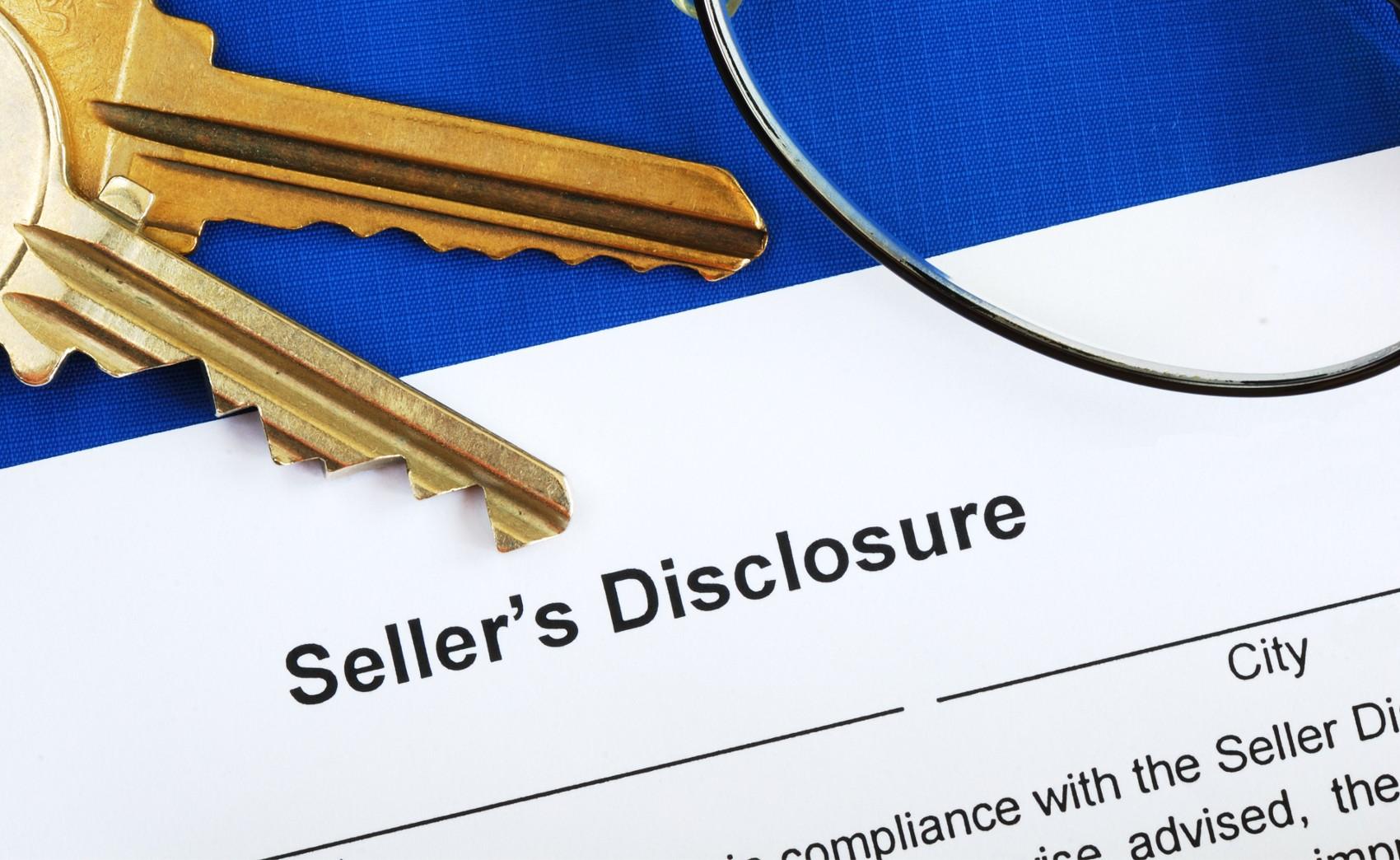
For Sellers: Everything You Need to Know About Disclosure

When selling a home, disclosure is a crucial step in the process. While the disclosure form may seem lengthy and confusing at first glance, it’s important to fill it out thoroughly and accurately. Failing to disclose problems or providing false information can leave you open to legal action, even after the sale has closed.


Federal, State, and Local Requirements

As a seller, you must comply with federal, state, and local laws regarding disclosures. While there are few federal disclosure requirements, one of the most significant is related to lead paint. If your home was built before 1978, you are legally obligated to disclose any known lead paint hazards and provide potential buyers with an EPA pamphlet about lead poisoning.

State and local laws vary across the country, and disclosure requirements will differ depending on your location.

Commonly required disclosures include:

  • Pest infestations (e.g., termites)
  • Water infiltration or flooding issues
  • Mold problems
  • Smoke or fire damage
  • Structural problems (e.g., foundation issues)
  • Environmental hazards (e.g., radon, asbestos)


Putting It in Writing

Disclosures must be provided in writing to potential buyers. Even if you verbally inform a buyer about an issue, it does not meet the legal requirements. Only written disclosures count as official records and protect you legally.


Patent vs. Latent Defects

As you complete the disclosure form, you may encounter the terms patent and latent. A patent defect is a problem that is easily visible and obvious, such as a cracked wall or a leaking roof. These are typically not required to be disclosed.

On the other hand, a latent defect is hidden or not immediately noticeable, such as faulty wiring or a mold issue inside walls. These hidden issues must be disclosed to avoid future liability.


What If It’s Been Fixed?

Even if a problem has been fully repaired or remediated, you still need to disclose it. Buyers are entitled to know the history of any issues with the home, and failure to disclose past issues can lead to legal consequences.


We Are Here to Help!

Navigating the disclosure process can be tricky, but you don’t have to do it alone. With Scott and the Smolen Team by your side, you can ensure that your disclosures are complete, accurate, and in compliance with the law. We’ll help you identify what needs to be disclosed, advise you on when it’s appropriate to say you don’t know something, and guide you through every step of the selling process to avoid costly mistakes. Contact Scott and the Smolen Team today to make sure your home sale goes smoothly and legally.