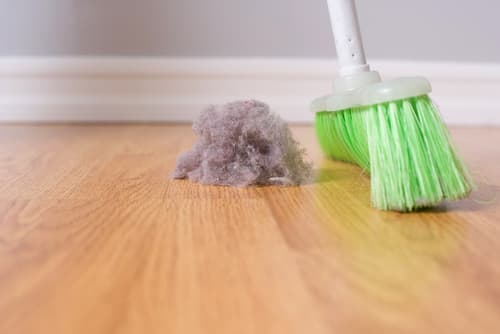
Dust might seem like just a minor annoyance, but it could be silently draining your bank account. Left unchecked, dust buildup can impact your home's efficiency, increase energy costs, and even lead to expensive repairs. Fortunately, regular maintenance can help you avoid unnecessary expenses.
The Hidden Costs of Dust
Dust accumulates everywhere—from countertops to hidden crevices in your home. It consists of dirt, clothing fibers, pet dander, dead skin cells, and other particles. While daily cleaning helps, dust still manages to settle in places you might not think about, such as air ducts and HVAC filters. As dust collects in these areas, it forces your heating, ventilation, and air-conditioning (HVAC) system to work harder, leading to higher energy consumption and increased utility bills.
The Importance of Changing Air Filters
One of the simplest and most cost-effective ways to combat dust buildup is by regularly changing your HVAC filters. Dirty filters can significantly impact your energy efficiency. "Many homeowners don’t realize that dust buildup is more than a nuisance—it costs them money," says Jim Thoma, vice president of operations at AdvantaClean. "Dust and debris can clog up your HVAC system, causing it to work harder, resulting in higher energy costs."
According to the U.S. Department of Energy, replacing dirty air filters can reduce your HVAC system’s energy consumption by up to 15%. Since heating and cooling systems account for nearly half of a home’s energy usage, this simple change could result in noticeable savings on your monthly utility bill.
For example, if your energy bill is $100 per month, a 7.5% reduction means saving $7.50 monthly—an amount that adds up over time.
How Air Filters Work
Air filters trap dust and other airborne particles, preventing them from circulating back into your home. Made from materials such as cotton, polyester, or fiberglass, these filters help improve air quality and maintain your HVAC system's efficiency.
AdvantaClean recommends replacing filters every one to three months, though some manufacturers may suggest different timelines. The frequency of replacement depends on several factors, including:
- Presence of pets
- Allergies or respiratory conditions
- Home environment
- Air quality
- Type of filter being used
Filters can range in price from $10 to over $100, depending on size and brand. While this may seem like an extra expense, it's a small price to pay compared to the cost of overworking your HVAC system or needing expensive repairs.
Signs It's Time to Change Your Filter
A few key indicators suggest your air filter needs replacement:
- Visible dust buildup: If you notice more dust settling on surfaces, your filter may no longer be effectively trapping particles.
- Reduced airflow: A clogged filter can restrict airflow, causing your HVAC system to work harder.
- Strange noises: A whistling sound from your vents may indicate a clogged filter restricting airflow.
- Increased energy bills: If your utility costs are creeping up without another explanation, a dirty filter could be to blame.
The Case for Air Duct Cleaning
Beyond filters, dust can also accumulate in air ducts, reducing efficiency and potentially worsening indoor air quality. Air duct cleaning involves removing dust and debris from key HVAC components, including:
- Supply and return air ducts
- Registers, grilles, and diffusers
- Heat exchanger coils
- Fan motors and housings
- Condensate drain pans
The Environmental Protection Agency estimates that cleaning an entire air duct system in an average-sized home costs between $450 and $1,000. The exact price depends on factors such as system size, accessibility, and contamination levels. When considering air duct cleaning, it's essential to do your research. Not all service providers offer the same quality, so the EPA recommends obtaining at least three written estimates before committing. Ask professionals to show proof of contamination before agreeing to the service.
Choosing the Right HVAC Professional
Before hiring an HVAC specialist, check their references and verify their reputation through the Better Business Bureau. Ensuring the company has positive reviews and no outstanding complaints can help you avoid unnecessary expenses and poor service.
In Conclusion
Dust might seem harmless but ignoring it can lead to higher energy bills and costly repairs. Regularly changing your air filters, considering professional duct cleaning, and hiring reputable HVAC specialists can help maintain your home’s efficiency, improve indoor air quality, and save you money in the long run. By staying proactive, you can keep dust bunnies from nibbling away at your finances!