Scott Smolen Maryland real estate blog with market updates, community spotlights, and home buying tips

Maryland Real Estate Blog

Scott Smolen's Anne Arundel County and Bowie, Md. Real Estate Blog

Local real estate updates, market insights, community spotlights, and practical home buying and selling advice for Odenton, Gambrills, Crofton, Bowie, Piney Orchard, Two Rivers, and the surrounding Maryland real estate market.

Latest Market Trends

Stay current on mortgage rates, local inventory shifts, pricing trends, and buyer demand across the Maryland real estate market.

Home Selling Advice

Learn how to prepare, price, market, and negotiate when selling a home in today’s local market.

Home Buying Tips

Get practical guidance on affordability, inspections, offers, financing, and buying with confidence.

Community Spotlights

Explore local neighborhoods, market reports, lifestyle features, and community insights throughout the area.

March 29, 2025

Uncovering Your Property Boundaries: Easy Steps for Precision and Confidence

As a homeowner, you might feel you have a rough idea of your property’s limits—maybe it is the edge of your driveway, the end of your grass, or a fence you have put up. But these everyday markers do not always match the official boundaries. Taking the time to confirm your property’s true edges can save you headaches down the road.

Before you start projects like building a shed, replacing a fence, adding a pool, or sprucing up your yard, it’s smart to double-check where your land actually ends. Knowing your boundaries ensures your upgrades stay on your side of the line, avoiding accidental trespassing or neighborly disagreements.


What Are Property Lines, Anyway?

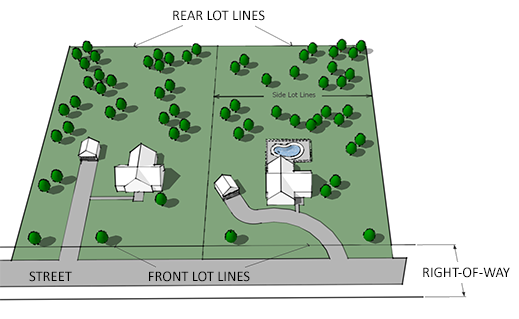
Property lines are the legal borders that define where your land stops and someone else’s begins. Surveyors set these lines with precision, often when land is subdivided. The line at the front of your lot is called the “frontage”—it’s the width of your property along the street. The lines on either side are your “sidelines.” Local rules usually shape these measurements.


Why Bother Finding Your Property Lines?

Knowing your boundaries keeps you from stepping on your neighbor’s toes—literally. Whether it’s a tree branch hanging over their yard or a driveway creeping onto their land, clear lines help avoid trouble. It’s about respecting their space and keeping the peace.

For big projects like permanent buildings, accuracy is non-negotiable. Getting a professional land survey is the gold standard. In many places, you’ll also need to call a diggers hotline (often 811) before digging for a fence, trees, or driveway extensions. This checks for buried utilities like cables or pipes, which get marked with paint or flags within days. Skipping this step could mean costly repairs—or worse.

Having property line records handy is a bonus when selling your home, too. Save surveys, plat maps, or any paperwork from your city or county in digital or paper form. New surveys might need to be filed with your county assessor. When you sell, title companies will check for encroachments, which could impact title insurance.

Getting clear on your property lines gives you confidence for edge-of-the-lot projects, shows respect for neighbors, and lowers the chance of legal tangles.


Smart Ways to Track Down Your Property Lines

To steer clear of neighbor disputes or project mishaps, here are twelve practical ways to nail down your boundaries.


  1. Use Google Maps or Specialty Apps: Google Maps sometimes shows property lines, but apps like LandGlide or Landgrid often provide more reliable plat maps.
  2. Hire a Professional Surveyor: For top accuracy, a licensed surveyor digs into your land’s history, easements, and local quirks. Costs depend on your area and property details.
  3. Check Your Deed: Your property deed includes a tax description with boundary details. Grab a copy online or from the county recorder.
  4. Look at a Metes and Bounds Survey: This old-school method uses landmarks like rocks or streams, though some may have vanished over time.
  5. Review a Plat Map: You likely got one when you bought your home, or you can find it at the county clerk’s office. It shows your lot’s exact layout next to others.
  6. Ask Your Mortgage or Title Company: They might have surveys from past deals tied to your property.
  7. Get Surveys from Local Government: Your municipality may have existing surveys on file—request them for a small fee.
  8. Hunt for Survey Pins: Iron bars or stakes often mark corners, but construction or time might have shifted them.
  9. Spot Property Markers: Look for metal, wood, or concrete indicators. Concrete ones tend to be the most trustworthy.
  10. Use Sidewalks or Streetlights as Clues: These can hint at boundaries, but always back them up with a survey or plat.
  11. Hit Up the Zoning Office: They can provide detailed neighborhood plats with precise lot measurements.
  12. Measure It Yourself: With a plat map, compass, and tape measure, you can plot your land—though it is less exact than a pro’s work.

Knowing your property lines matters whether you are settling in or sizing up a home to buy. Solid info helps you make smart calls on projects or purchases tied to your land’s edges. Use these steps to lock in your boundaries, keep neighbors happy, and dodge legal snags.
 

March 25, 2025

Signs Your Roof Needs Immediate Repair or Maintenance

Your roof is one of the most critical components of your home, safeguarding it from weather, pests, and other external factors. Despite its importance, the roof is often overlooked until problems become severe. Recognizing the warning signs of roof damage early on can save you from costly repairs and potential structural issues. Knowing when your roof needs immediate attention ensures your home remains safe and protected.


Missing or Damaged Shingles

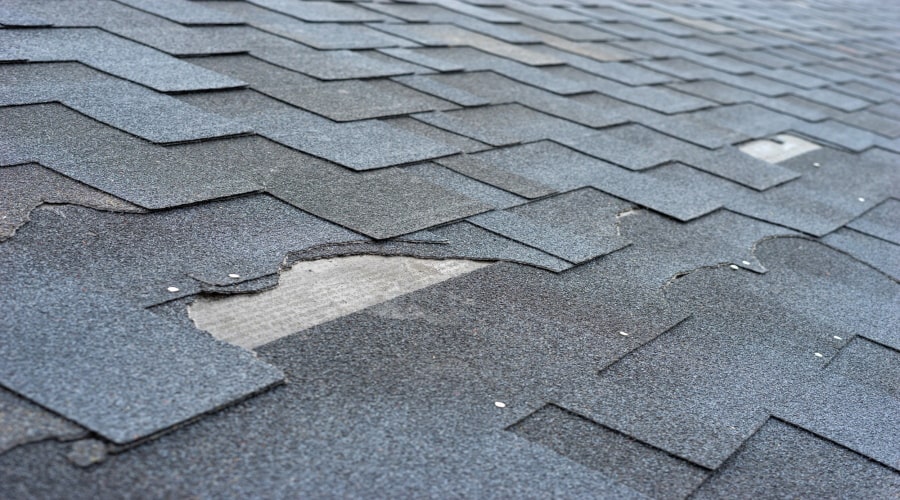
Shingles form the first line of defense for your roof. If you notice missing, cracked, curled, or otherwise damaged shingles, it’s a clear sign that your roof requires repair. Strong winds, hailstorms, and prolonged sun exposure can weaken shingles, reducing their effectiveness in shielding your home from the elements.

Even small gaps left by missing shingles can lead to water infiltration, which may cause leaks or rot in the underlying structure. If you’ve recently experienced severe weather, inspecting your roof for shingle damage should be a priority. Acting promptly can prevent the issue from spreading and preserve your roof’s integrity.


Water Leaks or Stains Inside Your Home

Water stains on your ceiling or walls often indicate a leak in your roof. These stains may appear as yellow or brown discolorations, sometimes accompanied by peeling paint or bubbling plaster. Left unaddressed, leaks can lead to mold growth, structural damage, and weakened insulation.

While leaks are most caused by damaged shingles or flashing, other culprits may include clogged gutters or deteriorated seals around vents and chimneys. Identifying the source of the leak and repairing it quickly can prevent extensive water damage and maintain the structural integrity of your home.


Sagging Roofline

A sagging roofline is a serious issue that requires immediate attention. This problem often indicates structural damage, such as weakened supports or rotting materials, and poses a risk of collapse if not addressed promptly. A healthy roof should have straight, even lines; any visible sagging is a red flag.

The causes of sagging can range from prolonged exposure to moisture to excessive weight from snow or debris. If you notice uneven or drooping sections of your roof, it is essential to consult a professional immediately to evaluate the extent of the damage and plan necessary repairs.


Granules in Your Gutters

Roofing shingles, especially asphalt ones, are coated with granules that protect them from UV rays and weathering. Over time, these granules may begin to wear away and collect in your gutters. While some granule loss is normal as your roof ages, excessive amounts indicate your shingles are deteriorating and losing their protective capabilities.

Granule loss weakens shingles and makes your roof more susceptible to damage from the elements. If you notice granules in your gutters or downspouts, it’s a sign that your roof may need repair or replacement. Addressing this issue early can extend the lifespan of your roof and prevent more extensive problems.


Damaged Flashing Around Roof Features

Flashing is used to seal joints and seams around roof features like chimneys, skylights, and vents. Over time, flashing can crack, corrode, or separate from the roof, leaving gaps where water can seep through. Damaged flashing is a common cause of leaks and should be repaired as soon as possible to prevent moisture from entering your home.

Inspecting flashing after heavy storms or high winds is particularly important, as these conditions can dislodge or weaken the material. Professional roofing contractors can evaluate the condition of your flashing and provide necessary repairs to keep your roof watertight.


Increased Energy Bills

An unexpected spike in your energy bills could indicate problems with your roof’s insulation or ventilation. If your roof is compromised, it may allow heat to escape during the winter or let warm air in during the summer, forcing your HVAC system to work harder to maintain a comfortable temperature.

Common causes of reduced energy efficiency include damaged insulation, ventilation blockages, or gaps in the roofing material. Addressing these issues not only reduces your energy costs but also enhances the overall comfort of your home.


Growth of Moss, Mold, or Algae

Moss, mold, and algae growth on your roof are more than just aesthetic issues—they can also signal underlying problems. Moss traps moisture against the roof surface, leading to rot and deterioration. Mold and algae can compromise shingles and create an environment conducive to further damage.

Growth is often caused by poor drainage, shaded areas, or prolonged moisture exposure. While cleaning your roof can remove these growths temporarily, addressing the root cause—such as improving drainage or replacing damaged shingles—is essential to prevent recurrence.


Roof Age Exceeding Its Lifespan

Every roof has a lifespan, which varies depending on the material. Asphalt shingles typically last 20–30 years, while metal and tile roofs can last longer with proper maintenance. If your roof is nearing or has exceeded its expected lifespan, it is more susceptible to damage and failure.

Even if your roof appears to be in good condition, older roofs are more likely to develop issues over time. Scheduling a professional inspection can help you determine whether your roof needs repairs or a full replacement to ensure continued protection for your home.


Getting Professional Roofing Advice

Recognizing the signs of roof damage is only the first step; addressing them effectively requires professional expertise. Attempting DIY repairs can lead to incomplete fixes or accidental damage, which may end up costing more in the long run.

Consulting with experienced contractors ensures that your roof receives the care it needs. If you are unsure about the condition of your roof, seeking professional roofing advice can provide valuable insights and help you develop a maintenance or repair plan. Reliable roofers can assess the extent of the damage, recommend the best solutions, and ensure your roof remains a sturdy shield for your home.


Closing Note 

Your roof plays a vital role in protecting your home and maintaining its value. Do not wait until minor issues become major problems. Reach out to Scott and the Smolen Team for a recommendation to a reputable roofing company in the area. Their trusted network of professionals ensures you will get the expert care your home deserves.


March 21, 2025

The Top Reason People Move: To Be Closer to Family and Friends

Have you ever considered packing up and relocating to be closer to the people who matter most to you? Maybe you are tired of long drives to visit family, or you dream of your kids spending more time with their grandparents. If so, you are not alone.

According to the National Association of Realtors (NAR), the top reason people move is to be near family and friends. Moving is not just about finding a new house – it is about building a life where you’re surrounded by the people you care about most. Whether it is sharing weeknight dinners, watching your kids play with their cousins, or simply knowing loved ones are nearby, being close to family can transform your day-to-day life.

Here is why so many people prioritize this type of move and how it could benefit you too.


Why Family Comes First

The desire to live near family and friends is a universal motivator that transcends life stages and circumstances. While first-time homebuyers often focus on affordability and proximity to work, repeat buyers – especially Baby Boomers – have the flexibility to prioritize being near loved ones.

In fact, many Baby Boomers are using the significant equity they have built in their homes to retire closer to their children and grandchildren. Ali Wolf, Chief Economist at Zonda, notes:  “25% of Baby Boomer households plan to retire near their children and grandchildren . . .”

For these buyers, moving is not just about finding a new place to live; it is about creating a meaningful next chapter where loved ones are only a short drive – or even a short walk – away.


The Benefits of Living Near Loved Ones

Moving closer to family and friends is not just a lifestyle choice; it offers tangible benefits that can enhance your quality of life:

  • More Quality Time - Being nearby means more opportunities for everyday moments like family dinners, weekend outings, and spontaneous visits – moments that strengthen relationships and make life richer.
  • Shared Resources - Living near family can also bring practical advantages, such as sharing childcare, tools, or household items, which can save time and money.
  • Less Time Traveling - Instead of spending hours commuting to visit loved ones, you will enjoy more time together. Plus, being close by offers peace of mind in case of emergencies.
  • Support During Life’s Milestones - Whether it is celebrating major achievements or navigating challenging times, being close to loved ones provides emotional and practical support when it matters most.


Ready to Make Your Move?

Home is more than just where you live – it is where your people are. Moving closer to family and friends can help you create a fulfilling lifestyle centered on the relationships that mean the most to you.

If you are thinking about making a move to be closer to the ones you love, Scott and the Smolen Team are here to help. Let us guide you in finding the perfect neighborhood and home to fit your needs. Reach out today to start exploring options that bring you closer to the people and places that matter most.


March 18, 2025

7 Tax Deductions for Homeowners: Your Breaks and Benefits

When tax time rolls around each year, many homeowners like you search for tax breaks. Luckily, there are many tax deductions for homeowners that could amount to several thousand dollars.

There are a lot of tax benefits to owning a home if you know what to look for. Let’s take a closer look at which of your household expenses are deductible as a homeowner and consider whether you should take the standard deduction instead. While this is meant to be a helpful guide, it's not intended to be personalized tax advice. Always consult a tax pro should you have questions on your personal situation.


Standard vs. Itemized Deductions

Before we dive into the deductions available for homeowners, it is essential to understand the difference between standard and itemized deductions. Both types of deductions can lower your overall income tax burden by reducing your taxable income.

The Internal Revenue Service (IRS) makes the standard deduction available to all tax filers. In the upcoming 2024 tax year, the standard deduction breaks down like this:

  • For single and married individuals filing taxes separately, the standard deduction is $14,600.
  • For married couples filing jointly, the standard deduction is $29,200.
  • For heads of households, the standard deduction is $21,900.

With the standard deduction, you can reduce your taxable income by a standard amount. When you itemize deductions, including tax breaks for homeowners, you forgo the standard deduction. Instead, the total amount of the itemized deductions will offset your taxable income and lower your tax burden.

If you are considering taking advantage of tax deductions for homeowners, make sure that the total amount of your itemized deductions is larger than the standard deduction. Otherwise, it makes more financial sense to take the standard deduction, as it typically results in a lower taxable income and, consequently, a lower tax liability.


Nondeductible Home Expenses

As you explore your tax-deductible home expenses, you may want to add as many items as you can to maximize your tax benefits. That said, you should be aware of some nondeductible home expenses, including:

  • Fire insurance
  • Homeowners insurance premiums
  • The principal amount of your mortgage payment
  • Domestic service
  • Depreciation
  • Utilities including gas, electricity, or water
  • Down payment

As a homeowner, you won’t be able to deduct all of your housing expenses. If you have questions about what you cannot deduct, take some time to consult with a tax professional.


7 Tax Breaks for Homeowners

The IRS has extensive rules about the tax breaks available for homeowners. Let’s dive into the tax breaks you should consider as a homeowner.

  1. Mortgage Interest:  If you have a mortgage on your home, you can take advantage of the mortgage interest deduction. You can lower your taxable income through this itemized deduction of mortgage interest.  In the past, homeowners could deduct up to $1 million in mortgage interest. However, the Tax Cuts and Jobs Act has reduced this limit to $750,000 as a single filer or married couple filing jointly. If you are married but filing separately, the deduction limit is $375,000 for each party. The only mortgage interest that isn't deductible within these limits is debt that wasn't used to buy, build, or improve a home. So, interest on additional equity taken out to consolidate debt wouldn't be tax-deductible.
  2. Home Equity Loan Interest:  A home equity loan is essentially a second mortgage on your house. With a home equity loan, you can access the equity you’ve built in your home as collateral to borrow funds that you need for other purposes. Like regular mortgage interest, you can deduct the interest you’ve paid on home equity loans and home equity lines of credit. However, you can only claim this deduction if you used the borrowed funds to pay for a home improvement. Prior to the Tax Cuts and Jobs Act of 2017, you could deduct the interest on these loans regardless of how you spent the funds.
  3. Discount Points:  When you take out a mortgage, you may have the option to purchase discount points to lower your interest rate on the loan. If you have this option, one discount point will equate to 1% of the mortgage amount. If the points are purchased to reduce the mortgage’s interest rate, you can deduct the cost of the discount points. However, ‘loan origination points’ will not be tax-deductible because these are fees that don’t affect the interest rate of your loan.
  4. Property Taxes:  As a homeowner, you’ll face property taxes at a state and local level. You can deduct up to $10,000 of property taxes as a married couple filing jointly – or $5,000 if you are single or married filing separately. Depending on your location, the property tax deduction can be very valuable.
  5. Necessary Home Improvements:  Necessary home improvements can qualify as tax deductions. Of course, the definition of “necessary” is somewhat limited. If you upgrade your fully functioning kitchen, those improvement costs may not qualify. However, if you have to make permanent improvements to make your home more accessible for medical reasons, that should qualify. A few examples might include installing medical equipment, railings, or widening doorways for an accessible home.
  6. Home Office Expenses:  If you operate a business in your residence, you may be able to deduct some of the expenses of maintaining that space. The IRS requires that you use your home office for regular and exclusive business use in order to qualify for a deduction. If you only use the office space when it is convenient, or just for working from home for your employer, that will not qualify. In terms of the deductions, the size of the deduction is based on the percentage of your home dedicated to the place of business.
  7. Capital Gains:  Capital gains tax breaks come into play when you sell your home for a profit. The capital gain is the difference between the value of the home when you bought it and when you sold it. For example, let’s say you bought your home for $100,000. A few years later, you sell your home for $150,000. With that deal, you walk away with a capital gain of $50,000. If you used the home as your primary residence for 2 of the last 5 years, you could keep some profits without any tax obligation. As a married couple filing jointly, you can keep up to $500,000 in capital gains. As a single filer or married couple filing separately, each party can keep up to $250,000 of capital gains without a tax obligation. The key is that you lived in the house for 2 of the last 5 years. With a big tax break on the table, it’s important to take the rules that apply to this deduction seriously.


The Bottom Line

Owning a home comes with a suite of financial and tax benefits for homeowners. It’s important to approach tax season as a homeowner with a careful eye on maximizing the value of your home. With potentially thousands of dollars in tax deductions on the table, it’s a good idea to add up your tax breaks. Compare the sum of your itemized deductions to the standard deduction before deciding which option is best for your tax return. Please reach out to Scott and the Smolen Team if you need a referral to a reputable accountant or tax preparer to help with your tax planning and ensure you’re maximizing all available deductions.


March 15, 2025

Should I Buy A Car Or House First? How to Decide

Buyer Education | Mortgage Planning

Should You Buy a Car or House First?

A new car loan can affect your credit, monthly budget, debt-to-income ratio, and mortgage buying power. Here is what buyers should understand before making either purchase.

Entering adulthood, starting a new job, growing a family, or planning a move often comes with major financial decisions. Two of the biggest are buying a vehicle and buying a home. Both can be important, but the order matters more than many buyers realize.

There is no universal answer to whether you should buy a car or a house first. The right choice depends on your transportation needs, income, savings, credit profile, housing goals, and timeline. However, if buying a home is on your near-term radar, you should be careful before taking on a new auto loan.

A car payment can directly affect how much mortgage you may qualify for because lenders count that payment when reviewing your overall debt load. Before making a large purchase, it is smart to understand how that decision may impact your homebuying power.

Should you buy a car or house first mortgage planning graphic

Which Should You Buy First?

The answer depends on which purchase is more urgent and which one supports your long-term financial goals. A reliable vehicle may be necessary if you need it for work, family obligations, or commuting. On the other hand, if you are close to being ready to buy a home, taking on a new auto loan could reduce your mortgage options.

Buying the Car First May Make Sense If...

You need reliable transportation for work, your current vehicle is unsafe or unreliable, or you can purchase the vehicle without significantly hurting your savings, credit, or mortgage qualification timeline.

Buying the House First May Make Sense If...

You are already close to mortgage approval, have stable transportation, and want to preserve your debt-to-income ratio, cash reserves, and credit profile before applying for a home loan.

Bottom line: If you plan to buy a home within the next 6 to 12 months, speak with a lender before financing a vehicle. That one decision can change your approved price range.

How a Car Loan Can Affect Your Ability to Get a Mortgage

When you apply for a mortgage, the lender reviews your full financial picture. That includes income, credit score, savings, assets, existing debt, and monthly obligations. A car loan matters because it creates a recurring monthly payment that must be included in the lender's analysis.

Even if you can comfortably afford both payments in real life, the lender still has to qualify you under the loan program's guidelines. A higher auto payment can reduce the mortgage payment you qualify for, which can reduce your price range.

This is why buyers should avoid assuming that a car payment is separate from their future home purchase. It is not separate in underwriting. It is part of the math.

Car Loan vs. Mortgage: Impact on Credit

Your credit profile affects both auto loans and mortgages. When you finance a car, the lender may run your credit, open a new installment account, and report your payment history over time. This can affect several areas of your credit profile.

  • Payment history: On-time payments help. Late payments can seriously hurt your mortgage approval chances.
  • Amounts owed: A new loan increases your total outstanding debt.
  • Length of credit history: A new account may affect the average age of your accounts.
  • Credit mix: An installment loan may add variety to your credit profile.
  • New credit inquiries: Multiple inquiries or newly opened accounts may raise questions during mortgage underwriting.

Making timely auto loan payments can help show lenders that you manage debt responsibly. However, right before applying for a mortgage, new debt can still create problems even if every payment is made on time.

Buyer tip: Do not open new credit, finance a vehicle, or make major purchases after starting the mortgage process unless your lender confirms it will not affect your approval.

Car Loan vs. Mortgage: Impact on Debt-to-Income Ratio

Your debt-to-income ratio, commonly called DTI, compares your monthly debt payments to your gross monthly income. Mortgage lenders use DTI to help determine how much additional housing payment you may be able to handle. Credit Karma also offers a helpful explanation of how debt-to-income ratio is calculated, which can be useful if you are trying to understand how a car payment may affect your mortgage buying power.

A car payment is included in this calculation. That means a new $400, $600, or $800 monthly auto payment can directly reduce the mortgage payment a lender may approve.

Simple Example

Assume a buyer earns $6,000 per month before taxes. If that buyer has a $600 monthly car payment, that auto loan uses 10% of the buyer's gross monthly income before the mortgage payment is even considered.

That does not automatically prevent approval, but it gives the lender less room to approve a larger housing payment. The larger the car payment, the more it can restrict buying power.

DTI is one of the biggest reasons a buyer should be cautious about financing a vehicle before buying a home. The car may be affordable, but it may still reduce the home price range.

The Importance of Budgeting Before Either Purchase

Cars and homes both involve more than the monthly loan payment. A realistic budget should consider the full cost of ownership.

Car Costs to Consider

Monthly payment, insurance, fuel, maintenance, repairs, registration, taxes, parking, and depreciation.

Home Costs to Consider

Mortgage principal and interest, property taxes, homeowners insurance, HOA or condo fees, utilities, maintenance, repairs, and future improvements.

Many buyers focus on what they can qualify for, but qualification is not the same thing as comfort. A smart homebuying plan should leave room for emergency savings, maintenance, lifestyle expenses, and future goals.

Down Payments: Cars vs. Homes

Down payment strategy is another major consideration. Many buyers assume a 20% down payment is required to buy a home, but that is not always true. Some mortgage programs may allow qualified buyers to purchase with a much lower down payment.

For homes, the right down payment depends on the loan program, credit profile, income, purchase price, and available cash. For vehicles, a larger down payment may reduce the monthly payment and help avoid financing more than the vehicle is worth.

The key is not simply choosing the larger down payment. The key is preserving enough liquidity for the full homebuying process, including inspections, appraisal, closing costs, moving expenses, repairs, and reserves.

Important: Before using a large amount of cash to pay down or purchase a vehicle, ask a mortgage lender how that could affect your down payment, reserves, and approval strength.

Loan Terms and Interest Rates

Auto loans and mortgages are structured very differently. Car loans usually have shorter repayment terms, while mortgages commonly stretch over 15, 20, or 30 years. Because the terms, collateral, risk, and repayment structure differ, the interest rates and payment calculations can also differ substantially.

A shorter-term auto loan may have a higher monthly payment, even if the total loan amount is far smaller than a mortgage. That monthly payment is what can hurt mortgage qualification. Lenders care about the monthly obligation, not just the total amount borrowed.

Questions to Ask Before Buying a Car or House First

Before deciding which purchase should come first, ask yourself:

  • Do I need the car now? If reliable transportation is essential for work or safety, the vehicle may need to come first.
  • How soon do I want to buy a home? If you want to buy within the next year, avoid major financial moves without lender guidance.
  • How will the car payment affect my DTI? A higher payment can lower your mortgage buying power.
  • Will the purchase reduce my cash reserves? Cash matters for down payment, closing costs, moving costs, and emergency savings.
  • Is my credit profile mortgage-ready? New accounts, inquiries, or higher debt can complicate timing.
  • Should I pay cash, finance, or wait? The best answer depends on your lender's review of your full financial picture.

Should You Refinance Your Auto Loan Before Buying a House?

Refinancing an auto loan may lower the monthly payment, which could help your debt-to-income ratio. However, it can also create a new credit inquiry, a new account, and underwriting questions depending on timing.

Do not refinance only because it seems like the right move on paper. Ask your mortgage lender to evaluate the numbers first. In some cases, refinancing may help. In others, it may delay or complicate the home loan process.

Thinking About Buying a Home in Maryland?

Before you finance a vehicle, pay off debt, move large sums of money, or make a major purchase, it is worth having a strategy conversation. The Scott Smolen Team can help you understand the local market and connect you with trusted lending resources before you start touring homes.

FAQ: Buying a Car or House First

Should I buy a car or house first?

The answer depends on your needs, timing, and finances. If buying a home soon is a priority, talk with a lender before taking on a new auto loan because the payment may reduce your mortgage buying power.

Can a car loan affect mortgage approval?

Yes. A car loan adds a monthly debt payment that lenders include when calculating your debt-to-income ratio. A higher DTI can reduce the mortgage payment and home price you may qualify for.

Does a car loan hurt your credit score?

A new car loan may temporarily affect your credit due to the inquiry and new account. Over time, consistent on-time payments can help build positive payment history.

Should I pay off my car before applying for a mortgage?

Sometimes paying off a car loan can help your DTI, but it can also reduce available cash for closing costs, reserves, and the down payment. Review this with a lender before making the payoff.

Can I buy a car after getting pre-approved for a mortgage?

You should avoid financing a car after mortgage pre-approval unless your lender specifically confirms it will not affect your approval. A new auto loan can change your credit, DTI, and final underwriting approval.

March 11, 2025

Only an Expert Agent Can Provide an Accurate Home Value

In today’s digital world, it is easy to turn to automated tools for just about everything, including estimating your home’s value. However, these online tools often fall short in capturing the true market value of your property.

Before putting up a “For Sale” sign based on a number you saw online, it is important to understand why these tools are often inaccurate and why working with an expert real estate agent is the best way to determine your home’s actual worth.


The Myth: Online Home Value Estimates Are Always Accurate

Online valuation tools provide a ballpark figure for your home’s value using public data. While this can be a starting point, it is far from precise. As Ramsey Solutions puts it:

“Online Home Value Estimators Aren’t 100% Accurate . . . The estimates are only as reliable as the amount of public record data the real estate websites can access. The less data gathered for your particular neighborhood, county, and state, the less you can depend on this number.”


The Reality: Automated Estimates Miss Critical Details

The main problem with online tools is that they overlook many key factors that influence your home’s value. This is where a professional real estate agent's expertise makes all the difference. Here’s how agents fill in the gaps:

  1. The Home’s Condition Online tools cannot evaluate your home’s current state. Whether your property has been meticulously maintained or needs significant repairs, these nuances greatly impact its value. An agent’s in-person assessment ensures these factors are accounted for.
  2. Local Market Trends Is your neighborhood experiencing growth or new amenities? Online tools often fail to factor in these trends, which can have a significant effect on your home’s value. Agents keep tabs on these developments and adjust their estimates accordingly.
  3. Relevant Comparable Sales While online estimators rely on past sales data, they often miss the most recent or comparable sales that truly reflect your home’s worth. Agents use up-to-date market insights to give you a more precise valuation.

As Bankrate notes:

“Online estimation tools determine pricing using algorithms that rely on publicly available information. These algorithms can vary widely from one tool to the next and typically do not account for a home’s current condition or any upgrades or renovations that are not reflected in public records. So, they are not as accurate as in-person methods, like a real estate agent’s comparative market analysis.”


Bottom Line

While online tools can provide a general idea of your home’s value, they cannot capture the full picture. To get the most accurate and reliable estimate, work with an experienced local agent like Scott Smolen. With expert guidance and up-to-date market insights, you will be equipped to price your home accurately and confidently.

Ready to learn your home’s true value? Contact Scott and the Smolen Team today!


March 7, 2025

Is Now the Right Time to Buy a Home? Here’s Why Prices Are Likely to Keep Rising

You’ve probably heard the saying, “The best time to buy a home was yesterday, but the next best time is today.” That sentiment holds true, especially in today’s market where home prices continue their upward trend.

With mortgage rates still high and home prices steadily climbing, you might be tempted to wait for the perfect moment—a drop in prices or a dip in interest rates. However, waiting could end up costing you more in the long run.


Home Prices Are Still Increasing—Just More Steadily

If you’re hoping for a dramatic drop in home prices, you may be waiting in vain. According to Fannie Mae’s Home Price Expectations Survey, industry experts predict that home values will continue to rise through at least 2029.

While the rapid spikes of the past few years have calmed, we’re now seeing a more typical annual increase of about 3-4% nationwide. This steadier growth is a positive sign for buyers who want to build equity over time without worrying about extreme price jumps.


What This Means for You

If you’re debating whether to buy now or hold off, here are some key factors to consider:

  • Homes will likely cost more the longer you wait. Prices aren’t expected to fall, so delaying a purchase means paying more later.
  • Mortgage rates are unpredictable. Even if rates decrease slightly, rising home prices could offset any potential savings.
  • Buying sooner means building equity faster. The longer you own a home, the more value it gains—helping you build wealth over time.

To put this into perspective: A $400,000 home purchased today is projected to increase in value by more than $83,000 in the next five years. That’s a significant return on investment, and waiting could mean missing out on that growth.


Why Aren’t Home Prices Dropping? Supply and Demand Holds the Key

Although there are more homes for sale compared to last year, inventory is still not meeting buyer demand. This shortage continues to push prices higher. Experts predict that prices will keep rising at a steady pace due to the lack of available housing.

While some markets may see prices stabilize, a nationwide price drop remains unlikely. In most areas, moderate price growth will persist due to ongoing housing demand.


Bottom Line:  Focus on Market Participation, Not Market Timing

When it comes to real estate, trying to time the perfect moment often leads to missed opportunities. Instead, success comes from getting into the market when it makes sense for you.

Yes, today’s market has its challenges, but there are ways to navigate them—whether it’s exploring different neighborhoods, considering a smaller home, looking into alternative financing options, or taking advantage of down payment assistance programs. The key is to act when the timing aligns with your needs rather than waiting for the ideal conditions that may never come.

Curious about home prices in your area? Whether you’re ready to buy or just exploring your options, reach out to Scott and the Smolen Team. We’ll help you develop a plan that sets you up for success in today’s market.


March 3, 2025

How to Successfully Buy and Sell a Home at the Same Time

Buying a new home while selling your current one requires careful planning, strategic timing, and sometimes a little luck. While certain factors may be beyond your control, taking the right steps can help you streamline the process and even achieve a same-day closing. Here’s what you need to know to navigate buying and selling a home at the same time.


1. Understand the Local Housing Market

The state of the real estate market in your area significantly impacts how you should approach buying and selling simultaneously. Whether you're moving within the same city or across the country, knowing market trends is essential.

  • Buyer’s Market: More homes are available than buyers, meaning your new home may be easier to find, but selling your current home could take longer. In this scenario, sellers may be open to accepting a contingent offer, where your purchase depends on selling your existing home first.
  • Seller’s Market: More buyers are looking for homes than available inventory, so your current home may sell quickly. However, finding and securing your new home can be more challenging. A rent-back agreement, where you rent your home from the new owner after closing, can give you extra time to find a new place.


2. Work with an Experienced Real Estate Agent

Managing two transactions at once can be overwhelming, but having an experienced real estate agent—like Scott and the Smolen Team—by your side can make a world of difference. An agent can:

  • Help you determine an optimal listing price based on market trends.
  • Guide you through the timing of both transactions. • Negotiate favorable terms, including contingencies or rent-back agreements.
  • Connect you with a trusted agent if you are buying in a different market.


3. Assess Your Financial Situation

Before making a move, review your financial standing with a mortgage lender or financial planner. Key considerations include:

  • Your available liquid cash for a down payment. 
  • The amount of home equity you have in your current property.
  • Mortgage options and whether you qualify for a bridge loan or HELOC (home equity line of credit) to help with financing.


4. Determine Your Home’s Resale Value and Equity

Knowing your home’s market value and equity position is critical when making buying and selling decisions. You may consider a pre-inspection to identify necessary repairs and determine any potential concessions buyers may request.

Buying a Home Before Selling:

If you find your dream home before selling your current property, you have several options:

  • Sale Contingency Offer: Your purchase is contingent on selling your existing home. This works best in a buyer’s market.
  • Extended Closing Period: If you anticipate selling quickly, you can negotiate a longer closing to allow time for your sale.
  • Use Savings: If financially feasible, you can use personal savings for a down payment and sell your home afterward.
  • HELOC or Bridge Loan: These financing options allow you to borrow against your home equity for a down payment.
  • Rent Out Your Current Home: If selling immediately isn’t necessary, you may consider renting it out until you're ready to sell.

Pros of Buying First:

  • Immediate place to move into.
  • Avoids storage and temporary housing costs.
  • Less pressure to rush into a new home purchase.

Cons of Buying First: 

  • May need to carry two mortgages temporarily.
  • Less negotiating power when making an offer contingent on selling your home.
  • Potentially rushed home sale leading to lower offers.


Selling a Home Before Buying

If you decide to sell first, here are some options to consider:

  • Settlement Contingency Offer: You list your home first, find a new home, and make an offer contingent on closing the sale of your current home.
  • Temporary Rental: Closing one sale before starting another can ease stress and allow time to find the right home.
  • Rent-Back Agreement: You sell your home and negotiate a short-term rental period from the new owners to give yourself extra time to purchase your next property.

Pros of Selling First: 

  • Clearer financial picture for the next purchase.
  • Easier to transfer existing equity into your new home.
  • Less stress from handling only one transaction at a time.

Cons of Selling First:

  • Need for temporary housing.
  • Potential costs for storage and multiple moves.


The Bottom Line

Each approach has its advantages and challenges. The best strategy depends on your financial situation, the current market, and your personal preferences. Working with a knowledgeable real estate team can make the process much smoother.

Whether you need advice on financing options, market trends, or strategic negotiation, Scott and the Smolen Team are here to help with everything you need for a successful buying and selling experience. Reach out today to start planning your move!


Feb. 27, 2025

The Benefits of Placing Your Home in a Living Trust

Life is unpredictable, and while planning for the future may feel daunting, taking proactive steps can provide financial security and peace of mind for you and your loved ones. One strategic way to safeguard your assets is by placing your home in a living trust.


What is a Living Trust?

A living trust is a legally binding document that allows you to transfer ownership of your assets into a trust for your benefit during your lifetime. After your passing or in the event of incapacity, a designated "successor trustee" will seamlessly distribute these assets to your chosen beneficiaries without court intervention.

Think of a living trust as a protective container for your home, money, and other assets. While you are alive, you maintain full control over the trust, with the ability to buy, sell, or modify its contents as needed. When the time comes, the trust ensures that your assets are passed on according to your wishes, avoiding the delays and costs associated with probate.


How Does a Living Trust Differ from a Will?

Both a living trust and a will serve as legal instruments to distribute your assets after your passing. However, they function differently, which can significantly impact how efficiently your estate is handled.

A will requires probate, a court-supervised legal process where debts are settled, and assets are distributed. Probate can be lengthy and costly, often taking months or even years to finalize. Additionally, probate proceedings are public, meaning details about your estate and beneficiaries become accessible to anyone.

A living trust, on the other hand, avoids probate altogether. Once established, the assets in the trust can be transferred quickly—often within weeks—providing a much faster and private resolution for your heirs. While setting up a trust requires some initial legal work, it saves time, money, and stress for your loved ones in the long run.


Why Should You Put Your Home in a Living Trust?

For most people, their home is their largest asset. Including it in a living trust ensures a smooth transition to heirs while avoiding potential legal complications. This is especially important if you own multiple properties in different states, as it prevents the need for separate probate proceedings in each location.

While a will can still be useful for passing down sentimental or personal items, a living trust offers the best protection for major assets like real estate. To place your home in a trust, you will need to work with an attorney to create a new deed that names the trust as the property owner. If you have a mortgage, informing your lender of the transfer is a necessary step to prevent any confusion.


Choosing Between a Revocable and Irrevocable Trust

When setting up a living trust, you must decide between a revocable or an irrevocable trust:

  • Revocable Trust: Provides flexibility, allowing you to modify or dissolve the trust at any time. This is ideal for those who want to maintain control over their assets until they are no longer able to manage them.
  • Irrevocable Trust: Once established, changes cannot be made, and assets within the trust are no longer considered part of your estate. While this means giving up control, it can provide tax benefits and protect assets from creditors.

Choosing the right type of trust depends on your financial goals and estate planning needs. Consulting with an experienced estate planner can help you determine the best option for your situation.


Get Expert Guidance on Your Real Estate Planning

Estate planning can often fall to the bottom of a to-do list but taking this step now can provide lasting benefits for your loved ones. With only about 20% of Americans having a living trust, securing your home’s future puts you ahead of the curve.

If you are considering placing your home in a living trust or need recommendations for estate planning professionals, the Scott Smolen Team is here to help. We can connect you with trusted experts and provide guidance to ensure your home is protected for generations to come. Reach out today to start planning for your future with confidence!


Feb. 23, 2025

7 Affordable Home Upgrades for Sellers Under $1,000

If you're preparing to sell your home and want to enhance its appeal without spending a fortune, these seven cost-effective upgrades, all under $1,000, can help attract buyers and potentially increase your home's value.

1. Boost Curb Appeal with Landscaping

First impressions matter, and landscaping plays a crucial role in your home's curb appeal. Consider these affordable improvements:

  • Lawn Care: Seed a patchy lawn for about $0.05 per square foot or lay down sod for around $0.30–$0.80 per square foot.
  • Plants & Flowers: Brighten up your yard with colorful flower beds, typically costing around $500, depending on plant selection.
  • Mulch & Edging: Adding fresh mulch and defining garden beds can cost as little as $3–$6 per bag of mulch.

Pro Tip: If you’re short on time, purchase flats of flowers for instant curb appeal. For a budget-friendly option, grow plants from seeds.


2. Address Roof Repairs

A well-maintained roof reassures buyers and prevents costly issues. Common repairs, like replacing missing shingles or sealing small leaks, typically range from $500–$600.

Pro Tip: Keep gutters clean to prevent water damage. Professional gutter cleaning costs about $90 per visit or $0.50–$1 per linear foot.


3. Clean or Replace Windows

Crystal-clear windows make a home feel brighter and more inviting. Professional window cleaning costs $300–$400. If windows are damaged, repairing a frame averages $480, while replacing a broken glass pane costs about $290.

Pro Tip: Swap out heavy drapes for sheer curtains or blinds to maximize natural light and modernize the space.


4. Refresh Your Interior with Paint

A fresh coat of paint is one of the easiest and most effective ways to update your home. Neutral tones appeal to a wider range of buyers. Painting a room typically costs between $100 and $950, depending on size and prep work.

Pro Tip: Focus on high-traffic areas like the entryway, living room, and kitchen for maximum impact.


5. Upgrade Attic Insulation

Adding insulation improves energy efficiency, which buyers appreciate. Attic insulation installation costs around $400 and can recoup nearly 108% of its cost at resale.

Pro Tip: Check the condition of existing insulation; if it's compressed or outdated, replacing it can be a worthwhile investment.


6. Repair and Clean Siding

Siding plays a major role in curb appeal. Fix dents, cracks, or rotting wood sections for around $300.

Pro Tip: Power-washing siding can give it a fresh look and costs about $200 if done professionally or less than $100 for a DIY rental.


7. Make Minor Kitchen Upgrades

Kitchens are a major selling point, and small improvements can yield big returns. Consider these budget-friendly updates:

  • Replace laminate countertops: Costs around $20 per linear foot.
  • Upgrade the sink and faucet: A double-basin sink costs $220–$380, while a new faucet runs $100–$200. 
  • Install new flooring: Mid-range resilient flooring costs $25–$35 per square yard.
  • Paint cabinets: Instead of replacing cabinets, refresh them with a coat of paint for a modern look.

Pro Tip: Updating cabinet hardware or installing a stylish backsplash can further enhance the kitchen’s appeal for a minimal investment.


Get Your Home Market-Ready!

In today’s competitive market, strategic upgrades can help your home stand out and attract buyers. These affordable improvements can enhance your home’s appeal and potentially increase its value. If you're ready to sell and want expert guidance on preparing your home for the market, contact Scott and the Smolen Team. We’re here to help every step of the way!