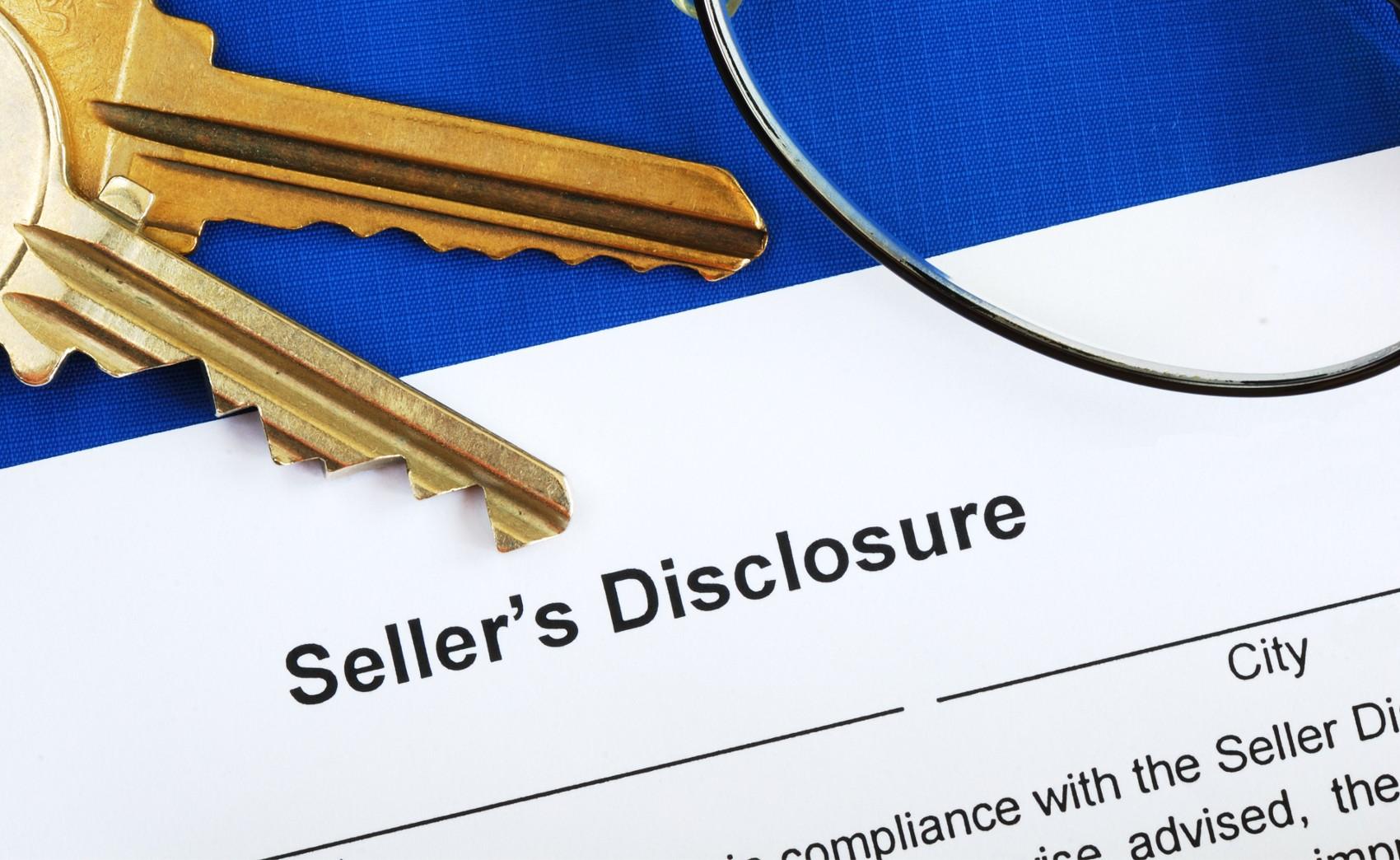
When selling a home, disclosure is a crucial step in the process. While the disclosure form may seem lengthy and confusing at first glance, it’s important to fill it out thoroughly and accurately. Failing to disclose problems or providing false information can leave you open to legal action, even after the sale has closed.
Federal, State, and Local Requirements
As a seller, you must comply with federal, state, and local laws regarding disclosures. While there are few federal disclosure requirements, one of the most significant is related to lead paint. If your home was built before 1978, you are legally obligated to disclose any known lead paint hazards and provide potential buyers with an EPA pamphlet about lead poisoning.
State and local laws vary across the country, and disclosure requirements will differ depending on your location.
Commonly required disclosures include:
- Pest infestations (e.g., termites)
- Water infiltration or flooding issues
- Mold problems
- Smoke or fire damage
- Structural problems (e.g., foundation issues)
- Environmental hazards (e.g., radon, asbestos)
Putting It in Writing
Disclosures must be provided in writing to potential buyers. Even if you verbally inform a buyer about an issue, it does not meet the legal requirements. Only written disclosures count as official records and protect you legally.
Patent vs. Latent Defects
As you complete the disclosure form, you may encounter the terms patent and latent. A patent defect is a problem that is easily visible and obvious, such as a cracked wall or a leaking roof. These are typically not required to be disclosed.
On the other hand, a latent defect is hidden or not immediately noticeable, such as faulty wiring or a mold issue inside walls. These hidden issues must be disclosed to avoid future liability.
What If It’s Been Fixed?
Even if a problem has been fully repaired or remediated, you still need to disclose it. Buyers are entitled to know the history of any issues with the home, and failure to disclose past issues can lead to legal consequences.
We Are Here to Help!
Navigating the disclosure process can be tricky, but you don’t have to do it alone. With Scott and the Smolen Team by your side, you can ensure that your disclosures are complete, accurate, and in compliance with the law. We’ll help you identify what needs to be disclosed, advise you on when it’s appropriate to say you don’t know something, and guide you through every step of the selling process to avoid costly mistakes. Contact Scott and the Smolen Team today to make sure your home sale goes smoothly and legally.