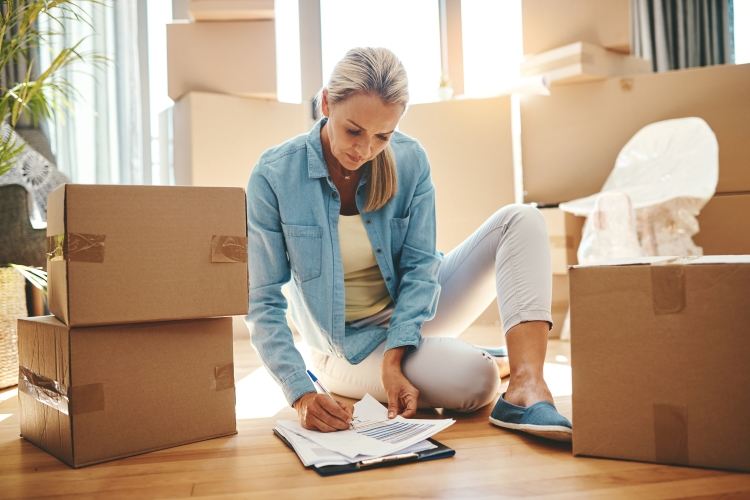
Moving to a new home is an exhilarating experience, but it also comes with the challenges of packing and relocating your belongings. One crucial decision you'll need to make is whether to hire professional movers or handle the move yourself. To make an informed choice, consider factors such as budget, distance, and time constraints.
Taking some time to prepare in advance can save you from potential hassles later. Begin by estimating your moving costs. Obtain two or three estimates from reputable moving companies recommended by friends or trustworthy consumer sites. Ensure that the chosen company is licensed and insured. If you're considering a DIY move, consider expenses like rental truck fees based on hours and distance, as well as costs for boxes, tape, packing materials, and moving equipment like dollies and straps. Additionally, factor in the "free help" you might receive from friends, as this could mean reciprocating the favor when they move.
Before packing, declutter your belongings. Decide whether you truly want to bring along items like old magazines or sentimental mementos that may not serve a purpose in your new home. Donating or giving away unnecessary items not only lightens your load but could also lead to a tax deduction or brightening someone else's day.
When it's time to pack, do so methodically, one room at a time, to facilitate easier unpacking at your new place. Take care to wrap items carefully and label each box according to the designated room. Keep box weights around 50 pounds to avoid potential strain during the move and set aside essential items in labeled boxes for easy access upon arrival.
Gather packing supplies well in advance to avoid last-minute expenses. You can find free packing materials through online chat rooms in your neighborhood. Be sure to acquire various box sizes, packing paper, bubble wrap or cushioning foam, packing tape, moving blankets, plastic wrap, paper towels, scissors, screwdriver set, and markers for labeling.
While the move itself can be consuming, remember to update your address with important people in your life, including friends, employers, and creditors. Start by filling out a change of address request with the United States Postal Service and update your address individually with various organizations and companies to prevent any service interruptions or overdue bills. Notify utilities and service providers about your relocation plans, ensuring that your old home's utilities are disconnected on moving day and reconnected at your new residence by the time you move in. Don't forget to update your information with your bank, credit card companies, stockbrokers, and other relevant financial institutions.
By following these guidelines and being proactive in your preparations, you can ensure a smoother and more efficient move to your new home.