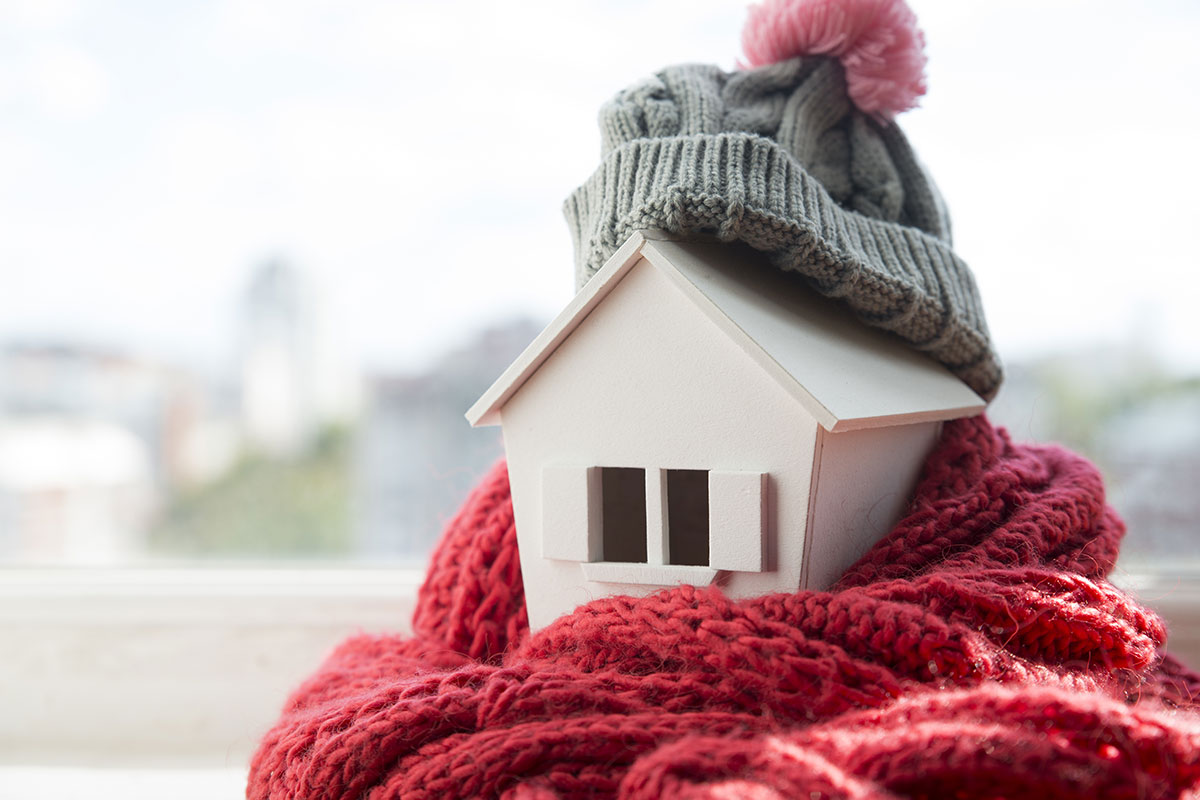
As winter approaches, it is time to prepare your home and budget for the colder months. While you are likely familiar with common methods such as caulking, weather stripping, and adding insulation to keep your home warm, there are more ways to conserve energy and lower your heating bill. Here are seven recommendations to help you stay cozy without breaking the bank:
1. Use a Humidifier
Humidifiers may not generate heat, but they can significantly enhance the comfort and warmth of your home during the winter. Heating systems tend to dry out the indoor air, making it feel colder. Introducing a humidifier restores moisture to the air, trapping heat and making your living space feel warmer for longer. This added indoor humidity creates a cozier atmosphere, allowing you to adjust your thermostat to a lower setting. You have the option to choose between a whole-house humidifier system or a portable humidifier, depending on your needs.
2. Rearrange Your Furniture
While sitting in front of a warm fireplace or radiator is inviting, placing furniture directly in front of these sources can trap the heat and prevent it from circulating throughout the room. To optimize heat distribution, rearrange your furniture so that warm air can flow freely across the entire space, keeping you warm and comfortable.
3. Invest in a Programmable Thermostat
A programmable thermostat can lead to substantial cost savings when it comes to heating your home. You can program it to align with your daily schedule, lowering the temperature when you are away and raising it just before your return. For instance, reducing the thermostat setting at night can improve your sleep quality and reduce your winter energy bills.
The U.S. Department of Energy recommends lowering the thermostat by 7 to 10 degrees for eight hours a day, which can lead to a 10% annual reduction in heating costs. Additionally, programmable thermostats can help monitor indoor humidity levels, air filter quality, and energy consumption. For added convenience, consider a Smart thermostat that connects to your home internet, allowing remote access via your smartphone.
4. Implement Windbreak Features
Enhancing the energy efficiency of your home extends beyond the indoors. You can reduce energy consumption by adding winter windbreaks to your landscape, either in the form of structural or botanical elements. These windbreaks lower wind chill and subsequently reduce heating costs. Depending on the available space, you can use various items to block the cold winds from directly impacting your home. Effective windbreak options include:
- A privacy fence
- A lattice trellis with climbing vines
- A row of evergreen trees or hedges
The U.S. Department of Energy advises planting trees at a distance from your home that is two to five times the mature height of the trees. When planting shrubs or hedges, leave at least one foot of space between your house and the mature plants.
5. Install a Heated Ceiling Fan
Reversing ceiling fan blades to circulate warm air during winter is a well-known trick. However, you can take it a step further by installing a ceiling fan with a built-in heater. These fans come with ceramic heating elements that can help warm up rooms with high ceilings, delaying the activation of your central heating system and reducing energy consumption.
6. Use a Chimney Balloon
While many people focus on sealing windows and doors, unsealed chimneys can be a significant source of heat loss in a house. If you have a fireplace that sees infrequent use, consider using an inflatable fireplace plug or chimney balloon to seal your chimney. These chimney draft stoppers effectively block drafts, reduce heat loss, and lower energy consumption. You can find them at your local home improvement store.
7. Schedule a Home Energy Audit
A home energy audit is an excellent way to identify areas in your home where heat and energy are being lost. It offers recommendations on how to improve your home's efficiency, making it more comfortable, safe, and energy efficient. Consider scheduling a home energy audit to gain insights into areas that require attention and how to enhance your home's overall efficiency. You can find certified professional energy assessors through the Residential Energy Service Network (RESNET).
https://www.energy.gov/energysaver/professional-home-energy-assessments
By implementing these strategies, you can lower your heating bill and create a warmer, more cost-effective living environment during the winter months.