Scott Smolen Maryland real estate blog with market updates, community spotlights, and home buying tips

Maryland Real Estate Blog

Scott Smolen's Anne Arundel County and Bowie, Md. Real Estate Blog

Local real estate updates, market insights, community spotlights, and practical home buying and selling advice for Odenton, Gambrills, Crofton, Bowie, Piney Orchard, Two Rivers, and the surrounding Maryland real estate market.

Latest Market Trends

Stay current on mortgage rates, local inventory shifts, pricing trends, and buyer demand across the Maryland real estate market.

Home Selling Advice

Learn how to prepare, price, market, and negotiate when selling a home in today’s local market.

Home Buying Tips

Get practical guidance on affordability, inspections, offers, financing, and buying with confidence.

Community Spotlights

Explore local neighborhoods, market reports, lifestyle features, and community insights throughout the area.

May 3, 2025

Lender Credits 101: What They Are and How They Can Benefit You

Buying a home is an exciting journey, but it also comes with significant financial responsibilities. When you finally reach the closing stage, you might feel relieved—until you see the closing costs. These costs cover essential services and fees needed to finalize your home purchase. For first-time buyers, the expenses can feel overwhelming. Fortunately, lender credits offer a way to ease the financial burden of closing costs.

This guide will explain what lender credits are, how they work, and whether they might be the right choice for you.


What Are Lender Credits?

Lender credits are funds provided by your mortgage lender to help cover some or all your closing costs. However, they are not free money. In exchange for receiving lender credits, you agree to a higher interest rate on your mortgage. This means that while you pay less upfront, you will likely pay more over the life of your loan due to increased monthly mortgage payments.


What Do Closing Costs Include?

Before understanding how lender credits work, it is important to recognize what closing costs typically cover. These costs may include:

  • Home appraisal
  • Origination fees
  • Home inspection
  • Flood certification
  • Escrow fees
  • Title insurance
  • Attorney, courier, and official fees

Closing costs typically range between 2% and 6% of the total loan amount. Your lender will provide a detailed estimate of these costs before closing.


How Do Lender Credits Work?

If you are considering lender credits to offset closing costs, here’s how the process typically unfolds:


  1. Check with Your Lender – Different lenders offer varying lender credit options. Some may be willing to cover more closing costs in exchange for a slightly higher interest rate.
  2. Get Pre-Approved – During the pre-approval process, your lender will outline how lender credits would be applied to your loan. Request multiple loan scenarios to compare repayment terms.
  3. Review Loan Estimates – Your lender will provide a loan estimate, detailing your mortgage terms, interest rate, and closing costs, including any lender credits.
  4. Finalize Your Loan Agreement – Once you’ve reviewed your closing disclosure and signed the final documents, your lender credits will be applied, and your mortgage terms will go into effect.


Who Benefits Most from Lender Credits?

Lender credits can be particularly useful for:

  • First-time homebuyers who may need extra cash for moving expenses, home furnishings, or unexpected repairs.
  • Buyers with limited upfront funds who want to preserve cash for other financial priorities.
  • Short-term homeowners who plan to sell or refinance before higher interest costs accumulate over time.


Can You Negotiate Lender Credits?

In some cases, you may be able to negotiate lender credits. If you have a strong credit profile or multiple loan offers, you might have leverage to negotiate better terms. Speak with your lender about available options and whether they can offer a balance between closing cost assistance and a manageable interest rate.


Pros and Cons of Lender Credits

Pros:

  • Reduced upfront costs – Helps lower the amount you need to pay at closing.
  • More cash for your down payment – Potentially allows you to contribute more toward your home’s purchase price, possibly eliminating private mortgage insurance (PMI).
  • Flexible financial planning – Keeps cash available for other homeownership expenses.

Cons:

  • Higher interest rates – Leads to increased long-term mortgage costs.
  • Not all closing costs may be covered – Some fees may still be your responsibility.
  • Higher debt-to-income ratio – Can impact future borrowing power due to higher monthly payments.


Lender Credits vs. Discount Points

Lender credits function as the opposite of discount points. While lender credits increase your interest rate to reduce upfront costs, discount points allow you to pay more upfront to lower your interest rate. If you plan to stay in your home long-term, discount points may save you money over time. If you need to conserve cash up front, lender credits might be the better option.


Are Lender Credits Worth It?

Choosing lender credits depends on your financial situation and long-term homeownership goals. If saving on upfront costs is a priority, lender credits can provide relief. However, if you are concerned about long-term interest payments, you might want to explore alternative options. Before deciding, discuss lender credits with your mortgage lender to determine if they align with your homeownership and financial plans.


In Conclusion

Lender credits can be a helpful tool for reducing upfront costs when buying a home, especially for first-time buyers or those looking to preserve cash for other expenses. However, it’s important to weigh the short-term savings against the long-term cost of a higher interest rate. Every homebuyer’s situation is unique, so take the time to review your loan options carefully and consult with a trusted mortgage professional. If you have questions about lender credits or need a referral to a reputable mortgage lender, contact Scott and the Smolen Team. They’re here to help you make informed decisions and guide you every step of the way.


 

April 30, 2025

Top Smart Home Trends for 2025

As technology evolves, smart home advancements continue to transform how we live, offering innovative solutions for convenience, sustainability, and wellness. Experts in home design and technology have identified key trends that are expected to shape the smart home landscape in 2025. These advancements go beyond gadgets and aim to improve energy efficiency, security, and overall quality of life.

Here are the top trends to watch for in 2025.


Energy Management

Energy efficiency is a major focus for smart home technology. Demand-side energy management systems, which learn household behaviors and optimize energy use, are expected to grow in popularity. These systems can coordinate with the electrical grid to pre-heat or cool homes during off-peak hours, saving homeowners money while reducing grid stress. This seamless integration not only benefits individual households but also contributes to broader sustainability efforts by alleviating pressure on energy infrastructure.

Sara Gutterman, CEO of Green Builder Media, highlights the role of solar panels and energy storage in enhancing these systems. With solar power becoming more accessible and affordable, homeowners can pair it with intelligent systems to maximize energy savings. Similarly, Josh Christian, CEO of the Home Technology Association, emphasizes the benefits of whole-home backup batteries. These systems allow homeowners to monitor energy usage in real time, prioritize critical devices during outages, and make sustainable energy choices effortlessly. This growing trend empowers homeowners to take control of their energy footprint while improving resilience during power disruptions.

Kitchens and bathrooms, major energy consumers, are also seeing advancements. Bill Darcy, CEO of the National Kitchen & Bath Association, notes an increased demand for solutions like smart circadian lighting and heat pump replacements for HVAC and water heating systems, reflecting the push for smarter energy use. These innovations not only reduce energy costs but also enhance comfort and convenience for homeowners.


Water-Related Innovations

Water efficiency and wellness are also shaping smart home trends. Amanda Pendleton, home trends expert at Zillow, highlights the rising popularity of smart toilets and smart sprinklers. Both technologies are gaining traction, offering convenience, health benefits, and environmental efficiency. Smart toilets enhance hygiene and promote wellness, while smart sprinklers optimize water use, reducing waste and lowering utility bills. These advancements reflect a growing demand for sustainable solutions that also enhance daily life.


Enhanced Security

Security remains a cornerstone of smart home innovation. Leslie Carothers of Savour Partnership predicts the rise of smart locks featuring facial recognition, allowing homeowners to unlock their doors effortlessly while remaining aware of their surroundings. These systems not only enhance safety but also offer unmatched convenience by eliminating the need to fumble for keys. For families with young children or older adults, smart locks provide added peace of mind and improved accessibility.

Khoi Vo, CEO of the American Society of Interior Designers, also sees an increase in doorbell cameras, noting their growing accessibility and popularity for enhancing home safety. These devices provide real-time monitoring and communication, making it easier to manage security from anywhere. With advancements in video quality and integration with other smart systems, doorbell cameras are becoming an essential tool for modern homes.


Wellness Advancements

The integration of wellness-focused technology is a significant trend for 2025. Smart mirrors capable of detecting health issues, advanced air purification systems, and circadian lighting are becoming more accessible and affordable. These systems not only improve daily comfort but also contribute to long-term health and well-being by creating healthier living environments.

Rachel Hodgdon, CEO of the International WELL Building Institute, highlights the importance of indoor air quality sensors. These devices can detect and provide actionable data on pollutants like PM2.5, CO2, and VOCs, helping homeowners address potential health risks proactively. By identifying issues in real time, these sensors allow for quick action, such as adjusting ventilation or activating air purifiers, to maintain optimal air quality.

Wellness enhancements also include innovations like temperature-regulating bedding, which ensures a comfortable sleep environment, and noise-canceling windows to reduce external disruptions. These technologies aim to create a sanctuary-like atmosphere in the home, prioritizing both mental and physical health.


Balancing Innovation and Privacy

While smart home technology offers numerous benefits, privacy concerns remain a critical consideration. Homeowners are encouraged to research brands and settings that limit data sharing and prioritize user privacy. Taking the time to understand and properly set up these technologies can help ensure a balance between convenience and security. Many providers now offer customizable settings, allowing users to tailor their devices to align with personal privacy preferences. This approach ensures that homeowners can enjoy the advantages of smart technology without compromising their peace of mind.


Take the Next Step

As smart home technology continues to evolve, incorporating these trends can improve your home's functionality, energy efficiency, and overall wellness. If you're considering upgrading your current home—or looking for a new home with all the latest tech—contact Scott and the Smolen Team. They can connect you with reputable contractors for installations or guide you in finding a tech-savvy home that fits your lifestyle and needs.


April 27, 2025

What You Need to Know About Taxes When Selling a Home

Understanding the tax implications of selling a home is crucial for homeowners. While the rules are generally straightforward, misconceptions persist, often stemming from the fact that many homeowners do not end up owing taxes on the sale of their primary residence. This confusion may also arise because most individuals do not frequently buy or sell homes, leaving them unfamiliar with the nuances of the tax code.

Here is a comprehensive look at what you need to know about taxes when selling your home.


How Can You Make Your Home Sale Tax-Free?

Selling a property is considered a taxable event. However, thanks to the 1997 Taxpayer Relief Act, most primary residence sales are exempt from capital gains tax. Homeowners can exclude up to $250,000 of profit for single filers or $500,000 for married couples filing jointly, provided they meet certain criteria.

This tax exclusion is a substantial benefit, especially considering the median home price in the United States is well below the $500,000 threshold. While homeowners in high-cost areas might exceed these limits, taxes are only owed on the profits beyond the exclusion amounts. For example, a married couple selling their home could potentially save between $75,000 and $111,000 in federal taxes alone, with additional savings possible at the state level.

It is important to note that losses on the sale of a primary residence are not deductible. Additionally, unlike in the past, there is no requirement to reinvest the proceeds into another property to qualify for the exclusion.


Who Qualifies for the Primary Residence Tax Exemption?

Qualifying for this tax break is relatively simple: the home must have been your primary residence for at least two out of the past five years. This "two-out-of-five-year" rule means that you can potentially claim this exclusion every two years, allowing homeowners to shield substantial capital gains from taxation over time.


Exceptions to the Two-Year Rule

If you need to sell your home before meeting the two-year requirement, you might still qualify for a partial exclusion under specific circumstances. Examples include job relocation, health issues, or other unforeseen events beyond your control.

For instance, if a single homeowner lived in a property for one year and realized $125,000 in gains, they could qualify for a prorated exclusion of half the $250,000 limit, effectively avoiding capital gains taxes. Married couples could similarly prorate their $500,000 exclusion based on the time they have lived in the home.


Understanding Your Home's Cost Basis

Calculating capital gains taxes involves understanding your home's cost basis, which is not simply the purchase price. The cost basis can be adjusted by factoring in qualifying expenses, such as significant renovations or improvements, including new roofs, additional square footage, or major remodels.

For example, a homeowner who invested in a kitchen upgrade or added an accessory dwelling unit (ADU) could use these costs to increase their cost basis, thereby reducing taxable gains. Maintaining detailed records of these expenses is essential, as they may significantly impact the tax calculation when selling.


Staying Prepared

To maximize your tax savings and ensure compliance with IRS regulations, it’s advisable to work with a tax preparer or financial planner experienced in real estate transactions. Keeping track of home improvement expenses over the years can also simplify the process when it is time to sell.

If you have any questions about taxes when selling your home or need guidance, reach out to Scott and the Smolen Team. They can provide advice tailored to your situation or recommend a reputable tax professional to assist you.


April 23, 2025

Paused Your Moving Plans? Here’s Why Now Might Be the Right Time To Start Again

If you put your home search on pause last year, you were not alone. In fact, nearly 70% of buyers stopped their search in 2024, and it is easy to understand why. With limited inventory, rising home prices, and mortgage rates that felt like a rollercoaster ride, buying a home became more challenging—and frustrating—than many expected.

But the good news?  The market is starting to shift, and that could mean new opportunities if you are ready to jump back in. Here is why it might be the perfect time to hit "play" on your moving plans.


More Homes for Sale Means More Options for You

One of the biggest frustrations for buyers over the past couple of years was the lack of inventory. Even if you were financially ready, there just were not enough homes available to find one that fit your needs and your budget. Now that is changing.

According to Realtor.com, inventory is up 27.5% compared to this time last year. That means more choices, more variety, and a better shot at finding a home that checks the right boxes.

And if you are also selling a home, this is a double win. Many homeowners held off on listing because they were not sure where they would go next. With more homes on the market now, that fear of “selling with nowhere to go” is easing up.


Homes Are Sitting on the Market a Bit Longer

Remember when homes were selling so fast it felt like they disappeared the moment they were listed? That kind of market made it hard for buyers to make thoughtful decisions—especially if you had to sell and buy at the same time.

Fortunately, homes are now spending more time on the market, which gives buyers a little breathing room.

Recent data shows the average time on market has increased by about 8% compared to last year—roughly a week longer. That might not sound like much, but in today’s real estate world, it is meaningful. It means less pressure, more flexibility, and more time to make confident choices.

As Hannah Jones, Senior Economic Research Analyst at Realtor.com, explains: “There are more homes for sale than in the last few years, which means the market pace is a bit more manageable—with longer days on market—and many sellers are more flexible… Though buyers face still-high housing costs, they may find a bit more give in the market, which could give them more time to decide, even in the busy spring and summer months.”


What About Selling Your Current Home?

It is a fair question—if homes are sitting longer, does that mean yours will not sell? Not necessarily. While inventory is rising, it is still about 23% below pre-pandemic levels. That means well-priced, well-presented homes are still moving, especially now that more buyers are coming back to the market.

You might not sell overnight, but you also will not be competing in an oversaturated market. In Conclusion If you hit pause on your moving plans, now may be the perfect time to revisit them.

With more homes to choose from and more time to make decisions, buyers like you are getting a second chance at making a move—without all the pressure of last year’s market. Whether you are thinking about buying, selling, or both, contact Scott and the Smolen Team to talk through your options. We are here to help you navigate this changing market and get your plans moving again.


April 20, 2025

Townhomes: A Smart Choice for Today’s First-Time Buyers

Let’s be honest, buying your first home right now isn’t easy. Between rising home prices and higher mortgage rates, affordability continues to be a major hurdle for many would-be homeowners. But some buyers are finding a smart workaround that is helping them take the leap into homeownership: they are opting for less square footage.

According to the National Association of Home Builders (NAHB), about 35% of buyers are open to purchasing a smaller home just to make ownership possible. And one of the best places to find that balance between affordability and practicality? Townhomes.


Why More Buyers Are Turning to Townhomes

Townhomes are typically priced lower than single-family homes, making them an appealing option—especially for first-time buyers trying to stretch their dollars. As Realtor.com explains: “In today’s market, affordability remains a key priority for homebuyers, making townhomes an attractive option because they are often priced more reasonably than single-family homes. It makes them especially appealing to first-time homebuyers on a tighter budget…”

So, if home prices have you feeling stuck, broadening your search to include townhomes could help you get into a home sooner—without blowing up your budget.


Builders Are Paying Attention

With demand shifting toward smaller, more affordable housing, builders are taking note. According to Joel Berner, Senior Economist at Realtor.com: “Builders are making a concerted effort to provide smaller, more affordable inventory to the market in a way that the existing-home market cannot. Townhomes are a significant portion of that effort.”

And we are already seeing the impact. Townhomes are taking up a larger share of new construction listings than they did just a few years ago. That is great news for buyers—more inventory means more options, and in many cases, more opportunities to buy affordably.


Could a Townhome Be the Right Fit for You?

If you have only been looking at traditional single-family homes, it might be time to consider whether a townhome could work for your lifestyle. You might be surprised by how much you like it! According to the National Association of Realtors (NAR): “Townhomes tend to cost less than single-family detached homes and can be appealing to young professionals who may desire medium-density, walkable neighborhoods.”

They often come with lower maintenance, a built-in sense of community, and shared amenities—all of which can be especially attractive if you are just starting out and not quite ready for the upkeep that comes with a larger detached home. Of course, there are some trade-offs.

You will likely share walls with neighbors, which might be a new experience—or maybe not if you are used to apartment living. The key is knowing what matters most to you—and that is where a knowledgeable agent, like Scott Smolen comes in. They can walk you through the pros and cons and help you decide if a townhome is the right stepping-stone toward your long-term goals.


Bottom Line

If your home search has been hitting a wall, it may be time to rethink your strategy. Townhomes offer a more affordable path to homeownership, especially for first-time buyers willing to compromise a bit on space. Not sure where to begin? Let’s figure out what matters most—whether it’s space, location, or price—and see where you can stay flexible. Reach out to Scott and the Smolen Team to explore your options and find the right path to your first home.


April 17, 2025

Living in Bowie, Maryland: The Top Things to Know!

Take a trip about 20 minutes from Downtown Washington, D.C., and head northeast towards the intersection of U.S. Route 50 and Maryland Route 3 to the vibrant and welcoming city of Bowie. In Prince George’s County, Bowie is a sought-after place to live just outside of the nation’s capital and is one of the best places to call home in Maryland.

The benefits of living in Bowie extend far beyond the affordability of the homes for sale, and we will break down all the pros and cons in this article. Bowie has a rich history dating back to the 1800s. However, while having historical roots, the city feels modern with its beautiful parks, recreational facilities, diverse dining options, and a variety of fun activities.

As one of the largest municipalities in Prince George’s County continues to grow, more homebuyers are discovering what locals have known for years: Bowie offers an appealing mix of suburban charm and modern conveniences with proximity to major metropolitan amenities in D.C., Annapolis, and Baltimore.

If you are considering a move to this thriving Prince George’s County City, here’s what you should know about living in Bowie.


Bowie is Full of History

Unlike some nearby towns, Bowie’s growth as a modern city took shape in the mid-20th century, but its roots trace back to the 1800s. Originally a small railroad stop known as Bowie Station along the Baltimore and Potomac Railroad, it was named after Governor Oden Bowie, who helped bring the railroad to the area in 1872. Over time, the region evolved from farmland into a bustling suburban hub, especially with the development of the planned community of Levittown in the 1960s, which spurred significant population growth. Today, Bowie blends its historical legacy with a forward-looking community spirit.


Real Estate in Bowie

Bowie’s housing market has been a hot spot in the D.C. metro area, offering excellent value compared to closer-in suburbs. With a median home list price of around $475,000, most houses typically sell within 10 to 20 days once listed on the market. Offering diverse housing options that reflect its growth, Bowie has emerged as an attractive choice for homebuyers and real estate investors. Perfect for first-time homebuyers or relocating professionals, Bowie provides relative affordability compared to Montgomery County or Arlington. Featuring a mix of home styles, Bowie offers new home construction communities, established neighborhoods, townhomes, single-family homes, and condos with properties typically ranging between 1,800 and 3,500 square feet, often in contemporary or colonial designs.


Cost of Living in Bowie

Overall, the cost of living in Bowie, MD, is slightly above the national average but remains competitive for the D.C. region. Housing prices are about 20% higher than the national average, though more affordable than D.C. proper, while utilities are 5% lower, grocery expenses align with the national average, and transportation costs are 10% higher due to commuting patterns. Compared to living in Washington, D.C., Bowie is considered a more budget-friendly living option.


Bowie is Family-Friendly

When thinking of Bowie, imagine a welcoming, community-oriented vibe. Many young individuals, couples, and families have made this place their forever home due to its proximity to D.C. without the hustle and bustle of urban life. Considered a safe place to live, Bowie is also close to Annapolis and Baltimore, offering a suburban retreat with access to city amenities. Often seen as a hidden gem in Prince George’s County, Bowie provides a peaceful, family-focused environment that is still brimming with growth potential.


Great Places to Live in Bowie

There are many desirable neighborhoods and communities in Bowie, perfect for families and young professionals alike. One top spot is Fairwood, a master-planned community featuring spacious single-family homes and townhomes with modern amenities like hardwood floors, gourmet kitchens, and landscaped yards. Homes in Fairwood have a median list price of around $550,000 and an average price per square foot of $210. Another excellent option is Woodmore, an upscale community known for its large homes, golf course, and gated sections, with a median list price of $600,000 and an average price per square foot of $220.

Additionally, Belair at Bowie is a highly sought-after neighborhood that offers a mix of historic charm and modern living. Developed as part of the original Levittown community in the 1960s, this area features well-maintained single-family homes with a variety of architectural styles, including ranch and split-level designs. Homes in Belair at Bowie typically range from 1,500 to 2,500 square feet, with a median list price of approximately $450,000 and an average price per square foot of $200. The neighborhood’s tree-lined streets, proximity to Allen Pond Park, and strong sense of community make it especially appealing to families and long-term residents.


Education in Bowie

Bowie embraces its youthful population with a range of educational options for families. The city is part of the Prince George’s County Public Schools system, offering traditional public schools, magnet programs, and charter options. Notable schools include Whitehall Elementary, Samuel Ogle Middle School, and Bowie High School.

For higher education, Bowie is home to Bowie State University, one of Maryland’s oldest historically Black universities, and is within commuting distance of the University of Maryland in College Park, Howard University, and other D.C.-area institutions.


Weather in Bowie

Like much of Maryland, Bowie experiences four distinct seasons. Summers are warm and humid, with July being the hottest month, while winters are cold but typically mild, with January as the chilliest. The best times to enjoy Bowie are from April to early June and from late August to October, when the weather is pleasant for outdoor activities. Bowie enjoys an average of 205 sunny days per year and receives about 44 inches of rain annually, along with occasional light snow in winter.


Economy and Job Market in Bowie

Bowie’s proximity to Washington, D.C., makes it an ideal home base for commuters. About 70-75% of residents work outside the city, with common destinations including D.C., Annapolis, and Joint Base Andrews. The average commute time ranges from 30 to 40 minutes, depending on traffic. Bowie itself hosts a mix of white-collar and blue-collar jobs, with an income per capita of approximately $45,000 and a median household income of $115,000. Key industries include government, education, healthcare, retail, and professional services.


Highly Rated Restaurants

Looking for a great meal? Bowie offers a variety of dining options, from casual eateries to unique local spots. Check out these local favorites:


Things to Do in Bowie

There is no shortage of activities in Bowie. Outdoor enthusiasts will love Allen Pond Park, a 54-acre gem with walking trails, fishing, a playground, and an amphitheater for summer concerts. For a night out, visit Bowie Town Center, a shopping and dining hub with occasional events. Families enjoy Watkins Regional Park, featuring a carousel, miniature train, nature center, and the Old Maryland Farm. For a scenic stroll or bike ride, the WB&A Trail offers miles of paved pathways connecting Bowie to surrounding areas. Golfers can tee off at the Bowie Golf Club, while history buffs might explore the Belair Mansion, a restored 18th-century estate.


Ready to make Bowie, Maryland, your new home?

With its rich history, diverse neighborhoods, and unbeatable blend of suburban charm and modern convenience, Bowie offers something for everyone. If you are looking to make your move to Bowie, contact Scott and the Smolen Team today. With more than 26 years of experience in real estate and a lifetime of knowledge of the Bowie area, we are here to help you find the perfect place to call home. Let us guide you every step of the way!


April 14, 2025

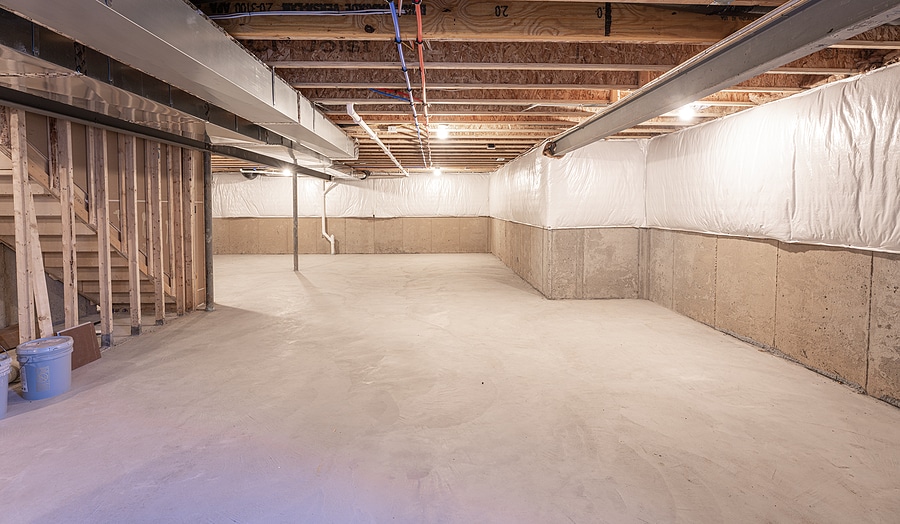
How to Finish a Basement: A Step-by-Step Guide

Are you considering finishing your basement but unsure where to start? This step-by-step guide will walk you through the process and help you make the most of your space.

Transforming your basement can significantly enhance your home's usable area, offering possibilities for an additional bedroom, family room, home office, or even a laundry space. While remodeling costs vary based on size and layout, envisioning the potential of this underutilized area makes it a worthwhile investment.


Why Finish Your Basement?

If you have an unfinished basement, you have the opportunity to gain valuable space affordably. The National Association of Realtors (NAR) Remodeling Impact Report suggests that homeowners can recover approximately 64% of basement finishing costs when selling their home. This makes basement finishing an appealing project, as it not only increases your living area but can also boost your home's value.

Using exceptional framing and insulation techniques, you can create a comfortable basement that feels like any other room in your home. While this is a significant project, understanding the costs and factors involved is essential. Continue reading for a step-by-step guide to help you navigate the process.


Step 1: Tools Needed

Before you dive into the project, you will need to gather the appropriate tools and materials based on the size of your basement. Here is what you’ll need:

  • Safety Gear
  • Ladder
  • Hammer
  • Level
  • Tape Measure
  • Caulk Gun
  • Masonry Drill
  • Circular Saw
  • Nail Gun
  • Utility Knife
  • Boards 
  • Foam Insulation
  • Framing Nails
  • Wall Screws
  • Cement Nails
  • Adhesive
  • Ceiling Tiles
  • Flooring Materials


Step 2: Plan and Prepare

Planning

A successful basement renovation begins with a well-thought-out plan. Consider the structural integrity of your existing basement, budget, time, local building codes, and potential electrical and plumbing needs. Never start a project without a comprehensive plan in place.

Permits

You might need a permit before beginning your basement project. Make sure to check local building codes and zoning requirements. Not following these codes could lead to fines or complications, and your home insurance may not cover any damage caused during the renovation.


Step 3: Address Moisture Issues

If you notice a musty smell, it could indicate excess moisture in your basement. Left unchecked, humidity can lead to major problems. To tackle this, first identify the source of moisture by placing a plastic sheet on the wall. Moisture on the inside means the issue is within your home, moisture on the outside points to external sources.

To control indoor moisture, ensure proper ventilation around dryers and humidifiers. If moisture is seeping in from outside, solutions like grading stormwater away from your home, installing drainage systems, and repairing cracks in the walls may help.


Step 4: Clean It Out

Before starting your project, clear out any items in your basement. Sort them into categories—keep, donate, or throw away—and make space for the work ahead. If you have no storage space in your home, consider renting a self-storage unit for temporary storage.


Step 5: Insulate the Walls

For a comfortable basement, insulation is crucial. Polystyrene foam board insulation is an easy and effective option. Here's how to install it:

  1. Measure the walls to determine how much insulation you will need.
  2. Use a utility knife to cut the foam insulation to fit.
  3. Apply construction adhesive to the back of the insulation and press firmly to eliminate gaps.
  4. Wait as per the instructions.
  5. Seal any gaps with caulking or sealant.


Step 6: Frame the Walls

Framing the walls gives your basement a more finished look and prepares it for drywall.  To frame your basement:

  1. Plan the layout of your basement and gather materials.
  2. Cut the lumber to appropriate lengths.
  3. Secure pressure-treated lumber bottom plates to the concrete floor with concrete screws or anchors.
  4. Construct the wall frames on the basement floor, ensuring the corners are square.
  5. Lift the wall frames into position and secure them with masonry drills and nails.


Step 7: Install Drywall

Once the framing is complete, it is time to hang drywall. Here’s how:

  1. Measure the drywall pieces to fit the studs.
  2. Secure the drywall to the studs using drywall screws.
  3. Cover the seams with sheetrock tape and mud over the seams and screw heads.
  4. Sand the mudded areas before painting.


Step 8: Install the Ceiling

Next, you will need to tackle the ceiling. You can choose from a drop ceiling or a drywall ceiling, depending on your preference and the type of access you need to the space above.

  • Drop Ceiling: Suspended from the existing ceiling structure, drop ceilings are easy to install and provide access to plumbing or electrical systems above.
  • Drywall Ceiling: This option involves attaching drywall panels to ceiling joists. It’s more labor-intensive, but the result is a sleek, finished look.


Step 9: Finish the Floor

Install a subfloor to keep moisture out and provide warmth. Here’s how:

  1. Fill any dips in the floor with self-leveling compound.
  2. Attach polystyrene insulation to the cement floor with adhesive.
  3. Install plywood over the insulation and secure it with masonry screws.
  4. Install the flooring of your choice (carpet, tile, or hardwood).


Step 10: Decorate the Space

Now for the fun part—decorating your newly finished basement! Whether you create a home office, theater, gym, or game room, you can add furniture, lighting, and personal touches to make it your own. Depending on how you plan to use the space, you may need additional renovations, like soundproofing for a home theater.


FAQs

What is the hardest thing to do when finishing a basement?

The most challenging part of finishing a basement is ensuring structural integrity, insulation, and proper ventilation.

Can I finish a basement on my own?

While finishing a basement requires significant DIY experience, if you are comfortable with construction tasks, it can be done yourself.

What is the most expensive part of finishing a basement?

Labor costs for plumbing and electrical work often account for the most expensive part of a basement renovation.

How much value does a finished basement add?

A finished basement can increase your home’s value by up to 70%, providing extra living space that homebuyers find appealing.


Final Thoughts

Finishing your basement is an excellent way to add valuable living space and increase your home’s value. While the project may seem daunting, taking it step by step can help ensure its success. If you are looking for advice on remodeling or need recommendations, don’t hesitate to contact Scott and the Smolen Team for expert guidance! Whether you are considering a basement remodel or any other home improvement project, we are here to help you make the best decisions for your home.


April 10, 2025

How Accurate Is Credit Karma for Home Buyers?

How Accurate Is Credit Karma?

If you are preparing to buy a home, your credit score matters. Credit Karma can be a useful tool, but buyers need to understand what it shows, what it does not show, and why a mortgage lender’s score may be different.

If you are thinking about buying a home, one of the first questions you may ask is: How accurate is Credit Karma? The honest answer is that Credit Karma can be very helpful for monitoring your credit trends, but it is not always the same score a mortgage lender will use when you apply for a home loan.

That difference matters. Your credit score can affect your interest rate, loan options, down payment requirements, monthly payment, and even whether you qualify for certain mortgage programs.

What Is Credit Karma?

Credit Karma is a free credit monitoring platform that gives users access to credit scores, reports, alerts, and educational tools. It can help you track changes in your credit profile, monitor accounts, and identify potential issues before they become bigger problems.

Credit Karma is useful because it gives you a convenient way to watch your credit over time. However, it should be used as a credit monitoring tool, not as a guaranteed preview of the exact score a mortgage lender will see.

So, How Accurate Is Credit Karma?

Credit Karma provides scores based on information from TransUnion and Equifax. These scores are typically generated using the VantageScore model. Many mortgage lenders, however, rely on versions of the FICO scoring model when reviewing a mortgage application.

Because VantageScore and FICO weigh credit factors differently, your Credit Karma score may be higher or lower than the score a lender pulls. In many cases, the numbers are in the same general range, but they are not guaranteed to match.

You can also review credit score information directly through TransUnion here: TransUnion credit score information.

Bottom line: Credit Karma is good for tracking trends, spotting changes, and staying alert. It is not the same as a full mortgage pre-approval or lender credit review.

Credit Karma vs. FICO Scores

There are several reasons your Credit Karma score may differ from the score a mortgage lender sees:

  • Different scoring models: Credit Karma commonly uses VantageScore, while mortgage lenders often use FICO-based scoring models.
  • Different bureau data: Credit Karma uses TransUnion and Equifax data, but some accounts may report differently across bureaus.
  • Different timing: Your lender may pull a more current credit snapshot than what appears in your Credit Karma account.
  • Mortgage-specific scoring: Mortgage lenders may use scoring versions designed specifically for lending risk evaluation.

How Many Points Off Can Credit Karma Be?

Credit Karma scores may be close to a lender’s score, but they can also be off by 20, 30, 50 points, or more depending on your credit profile. The gap may be larger if one bureau has information that another does not, if an account recently updated, or if there are differences in how each scoring model interprets your credit activity.

This is why home buyers should avoid making major decisions based only on a Credit Karma score. It is a helpful starting point, but a mortgage lender can give you the most accurate picture of where you stand for home financing.

Is Credit Karma Still Worth Using?

Yes. Credit Karma can still be very valuable, especially if you are months away from buying a home and want to improve your credit before applying for a mortgage.

  • It helps you monitor credit trends over time.
  • It can alert you to changes or possible suspicious activity.
  • It gives you visibility into balances, accounts, and credit utilization.
  • It can help you spot potential errors before speaking with a lender.
  • It allows you to track progress without a hard credit inquiry.

How Your Credit Score Affects Buying a Home

Your credit score plays a major role in the mortgage process. A stronger score can help you qualify for better interest rates, more loan options, and potentially lower monthly payments.

Interest Rates

In general, higher credit scores help borrowers qualify for better mortgage rates. Even a small rate difference can have a major long-term impact on your total cost of ownership.

  • 760 and above: Often viewed as excellent credit.
  • 700–759: Generally strong, with competitive financing options.
  • 650–699: May still qualify, but pricing can be less favorable.
  • Below 650: Financing may be more limited or more expensive.

Loan Programs and Down Payments

Different loan programs have different credit expectations. Conventional, FHA, VA, and jumbo loans may each have their own guidelines, and individual lenders can apply additional requirements.

A lower credit score may not automatically prevent you from buying a home, but it can affect your rate, loan structure, approval conditions, and down payment options.

Debt-to-Income Flexibility

Borrowers with stronger credit may have more flexibility with debt-to-income ratios and loan approval conditions. That can matter when you are trying to compete for a home while still keeping your payment comfortable.

10 Ways to Improve Your Credit Before Buying a Home

  1. Pay every bill on time. Payment history is one of the biggest credit score factors.
  2. Lower credit card balances. Keeping utilization low can help improve your score.
  3. Avoid opening unnecessary accounts. Too many new inquiries can hurt your score.
  4. Keep older accounts open. Credit history length can help your overall profile.
  5. Check your reports for errors. Dispute inaccurate information as soon as possible.
  6. Avoid large purchases before applying. New debt can affect your approval.
  7. Do not max out credit cards. High utilization can quickly lower your score.
  8. Ask about credit-building options. A lender may offer specific guidance based on your situation.
  9. Be careful with balance transfers. They can help, but only when used strategically.
  10. Start early. Credit improvement often takes several months, not several days.

How Often Does Credit Karma Update?

Credit Karma typically updates credit information regularly, but creditors may only report account changes every 30 to 45 days. That means a paid-down balance or corrected issue may not appear immediately.

If you are preparing to apply for a mortgage, give yourself time. The earlier you review your credit, the more opportunity you have to correct problems and improve your position before lenders review your application.

Frequently Asked Questions

Why is my Credit Karma score different from my lender score?

Credit Karma and mortgage lenders may use different scoring models, different bureau data, and different update timing. That can cause the scores to vary.

Can lenders see my Credit Karma score?

No. Mortgage lenders typically pull credit directly through their own systems and use lender-approved scoring models.

Should I rely on Credit Karma before buying a home?

Use Credit Karma to monitor trends, but do not rely on it as your final mortgage score. A lender can provide a clearer view of your actual buying power.

Where can I see a FICO score?

Some credit card companies provide FICO score access. You can also review options through FICO or directly with credit bureaus.

When should I check my credit before buying?

Ideally, review your credit at least three to six months before starting the mortgage process. That gives you time to address problems before applying.

Final Thoughts

Credit Karma is a helpful tool, but it is not the final word on your mortgage readiness. It can help you watch your credit, identify trends, and stay alert to changes. But when you are serious about buying a home, you should speak with a trusted mortgage professional who can review the credit information lenders actually use.

If you are thinking about buying a home in Maryland, Scott and the Smolen Team can connect you with trusted local mortgage professionals who can help you understand your credit, review your buying power, and build a smart plan before you start touring homes.

Thinking About Buying a Home?

Get connected with a trusted mortgage lender and start building a stronger home buying strategy today.

Contact Scott Smolen
April 6, 2025

Selling a Home in a Divorce? Avoid These 6 Common Mistakes

Divorce already brings plenty of emotional and logistical challenges—and selling a home during this time can add even more stress. In some cases, a poorly managed home sale can derail the entire process or result in financial losses.

The good news? With the right planning, you can avoid common mistakes that make selling a home during divorce more difficult than it needs to be. Here are seven issues to watch out for, and how to navigate them.


Mistake #1: Not Sharing the Divorce Decree with Your Agent

Before listing a home, it is important to share any relevant portions of the divorce decree with your real estate agent. These details often specify which spouse has authority to make decisions about the sale, the approved listing price, any price reductions, and who is responsible for repairs. Having this information upfront helps your agent manage the sale more effectively and keeps everything aligned with court orders.


Mistake #2: Hiring an Inexperienced Agent

Not all real estate agents are prepared for the nuances of a divorce sale. Working with someone who understands the emotional and legal dynamics involved can make a big difference. Experienced agents know how to remain neutral, communicate with both parties, coordinate showings smoothly, and keep the focus on maximizing the home’s value.


Mistake #3: Letting Maintenance Slide

When one spouse moves out, the remaining homeowner may feel overwhelmed or lack the time and energy to keep the property in top condition. However, neglecting the home can lead to code violations or hurt your chances of a strong offer. Make sure there is a plan in place to handle basic maintenance and address necessary repairs. If the divorce decree involves approvals for repair costs, be proactive in getting agreements documented.


Mistake #4: Overlooking Capital Gains Tax Benefits

Married couples can exclude up to $500,000 of profit from capital gains taxes when selling a primary residence. But the timing of a divorce, how long each spouse lived in the home, and how the property is titled can all affect eligibility for this exclusion. Coordinating with a tax professional can help ensure you take full advantage of any tax breaks before finalizing the sale.


Mistake #5: Letting Emotions Derail the Sale

Divorce is among the most stressful life events—and it is easy to let emotions spill over into financial decisions. But disagreements or resentments between spouses can stall or sabotage a home sale, sometimes even at the last minute. Approaching the sale with a business mindset helps protect both parties’ financial interests. Try to view the transaction as a step toward your future, not a battleground over the past.


Mistake #6: Broadcasting the Divorce to Buyers

Buyers may try to leverage a known divorce situation to their advantage, assuming the sellers are desperate to move quickly. That is why it is important to keep the sale looking as standard as possible. From staging the home to how questions are answered, maintaining a neutral appearance helps protect your negotiating position. Even small details like keeping both spouses’ clothing in the closet can make a difference in how the home is perceived.


Final Thoughts

Selling a home during a divorce is not easy—but with the right support, it can be a smooth and successful process. Clear communication, smart planning, and the right professionals on your side can make all the difference. If you're preparing to sell a home during a divorce—or simply have questions about how to navigate the process—contact Scott and the Smolen Team. We are here to guide you through every step and help you protect your investment as you move forward.


April 2, 2025

Expert Tips for Hiding Eyesores Around the House

Even the most thoughtfully designed homes can have those not-so-charming features—cluttered corners, tangled cords, or outdated fixtures—that throw off your home’s vibe. But the good news? With a little creativity and some insider tricks from top design pros, you can keep function while finessing the look of your space. Here are 12 expert-approved strategies to help you stylishly conceal the not-so-pretty parts of your home.


1. Basket Everything

Baskets are a lifesaver when it comes to stylish storage. Florence Street Interiors recommends using lidded baskets for hiding laundry or bath products, oversized options for blankets, and utility baskets to keep mudroom clutter in check.

2. Use Books and Plants to Hide Cords

Instead of letting cords run wild, corral them behind stacks of books or leafy greenery. Kaci Verdun of KRM Design Group even recommends tucking surround sound speakers behind tall plants for a sleek look in your family room.

3. Let Furniture Work Double Duty

Leslie Newpher Interiors recommends using smart furniture placement to conceal vents, cables, or awkward wall features. A well-placed console table with framed photos can draw the eye away from unwanted distractions.

4. Tuck Away Pet Bowls

Make your dog’s dining area part of your kitchen’s design by incorporating pull-out drawers or cubbies for food and water bowls, as suggested by Strauss House Designs.

5. Camouflage Electrical Cords

Can’t run wires through the wall? No problem. Cate Holcombe Interiors suggests running cords along baseboards or trim and painting the cord covers the same color as your walls so they blend right in.

6. Clear Trays for Organized Chaos

For stylish organization that doesn’t add visual clutter, try stackable clear trays. Endlessly Lush recommends using them to wrangle pens, paper, and to-do lists while keeping everything sleek and accessible.

7. Panel It Up Behind the TV

Beechgrove Interiors recommends installing decorative panels behind your wall-mounted TV. Not only does it hide messy cables, but it also enhances the room’s acoustics and adds depth to your media wall.

8. Closet Upgrade: Velvet Hangers

Ditch the bulky hangers and opt for slim, velvet ones to maximize space and keep things uniform. D John Design suggests organizing your clothes by color and using baskets to store seasonal items.

9. Create a Gallery Wall

Got wall blemishes or scuffed paint? Cover them up with an artful gallery wall. Adelina Social Goods recommends using removable hanging strips so you can tweak your layout as you go.

10. Small Art, Big Impact

Catherine Nguyen Photography recommends using small-scale art to cleverly cover outlets, cords, or wall-mounted tech in kitchens and offices. Baskets are also great for stashing routers and cables.

11. Dress It Up with Curtains

Whether you’re hiding a dated window or covering an awkward nook, curtains can do wonders. Bitchin’ Digs suggests using elegant drapery to mask less attractive areas without a full remodel.

12. Declutter for Instant Appeal

Sometimes the most effective solution is the simplest. Joe Lucas of Lucas Studio, Inc. reminds us that a tidy space—think made beds, cleared countertops, and toilet seats down—can instantly elevate your home’s look.


Final Thoughts:

Your home doesn’t have to be perfect to feel polished. With a few of these clever tricks, you can maintain function while creating a space that feels beautifully pulled together. If you're thinking about staging your home for sale—or just want to freshen it up—don’t hesitate to reach out to Scott and the Smolen Team. We're here to help you make every corner shine!