Scott Smolen Maryland real estate blog with market updates, community spotlights, and home buying tips

Maryland Real Estate Blog

Scott Smolen's Anne Arundel County and Bowie, Md. Real Estate Blog

Local real estate updates, market insights, community spotlights, and practical home buying and selling advice for Odenton, Gambrills, Crofton, Bowie, Piney Orchard, Two Rivers, and the surrounding Maryland real estate market.

Latest Market Trends

Stay current on mortgage rates, local inventory shifts, pricing trends, and buyer demand across the Maryland real estate market.

Home Selling Advice

Learn how to prepare, price, market, and negotiate when selling a home in today’s local market.

Home Buying Tips

Get practical guidance on affordability, inspections, offers, financing, and buying with confidence.

Community Spotlights

Explore local neighborhoods, market reports, lifestyle features, and community insights throughout the area.

June 2, 2025

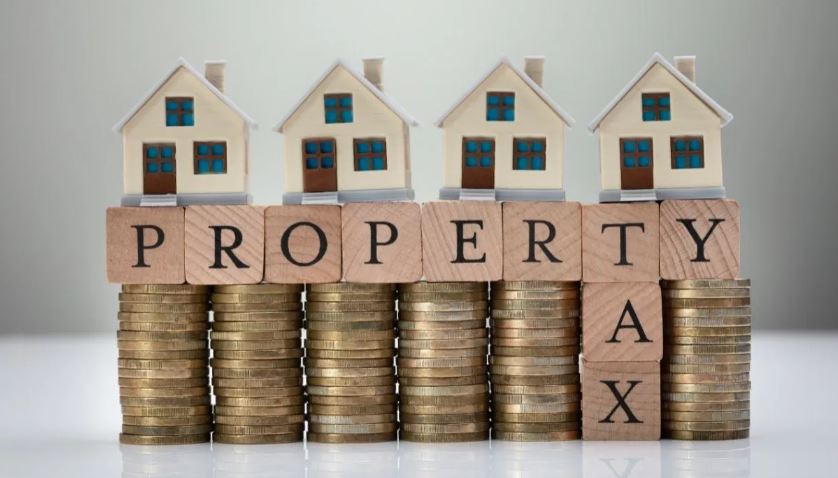
Does Your Mortgage Payment Cover Property Taxes? Find Out!

When you are preparing for homeownership, it is crucial to understand what makes up your monthly mortgage payment. Many homeowners are surprised to find it is not just the principal and interest — additional costs like property taxes and homeowners insurance are often included too. These expenses are typically managed through an escrow account set up by your lender to help cover essential protections and local tax obligations.

Let’s break down what’s typically included in your mortgage payment:

  • Principal: The amount that goes toward repaying the loan balance.
  • Interest: The cost paid to the lender for borrowing funds.
  • Property Taxes: Taxes collected by local governments to fund community services.
  • Homeowners Insurance: Coverage to protect your property and assets against damage or loss.

Knowing what is included in your mortgage payment can help you better plan your budget and avoid surprises.


Understanding Escrow Accounts

When you apply for mortgage preapproval, your lender will estimate your monthly payment. This includes the principal, interest, and an estimated monthly escrow payment for property taxes and homeowner’s insurance, based on typical rates for homes in your desired area.

Keep in mind, this is just an estimate. The actual amount for property taxes will not be finalized until you select a home, and insurance premiums will be determined after you choose a provider and policy.


Can You Pay Property Taxes Separately from Escrow?

If you prefer not to use an escrow account for your property taxes, you will be responsible for paying those taxes directly to your local tax authority. You will need to track payment deadlines, which may be annual, semi-annual, or quarterly depending on your location. To avoid late fees, many homeowners set up reminders or automate payments if their tax authority allows it.

While paying property taxes separately offers more control over your finances, it requires careful budgeting to ensure the full amount is available when the bill is due. Missing payments can result in penalties or, in extreme cases, a lien on your property.


How Does Property Tax Affect Your Mortgage?

Property taxes are typically included in your mortgage payment if you use an escrow account. Your lender collects a portion of your mortgage each month to cover your annual property tax bill. If property taxes increase, your lender will adjust your monthly mortgage payment to account for the new amount. If you opt to pay property taxes separately, changes in tax rates will not affect your monthly mortgage. However, you will need to budget accordingly for any increases, as you will pay the full amount directly to your local tax authority.


What Other Expenses Are Included in Your Monthly Payment?

In addition to property taxes, homeowner’s insurance is often included in your mortgage payment. Lenders typically base their estimates of insurance costs on average rates in your area, though your actual premium will depend on your chosen policy. You may even qualify for discounts if you bundle your homeowner’s insurance with other policies like auto insurance. Being mindful of how insurance costs and other property-related expenses affect your mortgage payment can help you plan your budget effectively.


Pros and Cons of Including Property Tax In Your Monthly Payments

Advantages:

  • Convenience: Combining property taxes with your mortgage means fewer bills to manage, as your lender handles the payments on your behalf.
  • Easier Budgeting: Monthly escrow contributions help spread the tax cost over the year, avoiding a lump sum payment.
  • On-Time Payments: Escrow payments are automatically made, reducing the risk of missed deadlines and penalties.

Drawbacks:

  • Variable Payments: If property taxes increase, your monthly payment will rise, which can make budgeting more difficult.
  • Loss of Control: Some homeowners prefer managing their tax payments directly for more control, rather than relying on their lender.


Can Property Taxes Increase?

Your property’s tax assessment is based on its current market value, and changes in market conditions, home improvements, or local tax requirements can lead to higher or lower taxes. If the market value of your home increases due to renovations or rising prices, your taxes will likely increase as well.

Property taxes are also determined by the local municipality, and tax rates can fluctuate based on local funding needs.


How to Pay Property Taxes When Your Mortgage Is Paid Off

Once you have paid off your mortgage, you will still need to pay property taxes — but now, you will be responsible for paying them directly to your local tax authority. Payment schedules will vary by location, and you will need to track deadlines carefully to avoid late fees.

To ensure you are financially prepared, many homeowners set aside funds each month in a savings account, creating their own version of an escrow account for property taxes.


The Bottom Line

Understanding what is included in your mortgage payment, particularly property taxes and homeowner’s insurance, is crucial for effective budgeting. If you are using an escrow account, knowing how property taxes and other expenses are managed can help you avoid surprises. If you are ready to start your homebuying journey, please reach out to Scott and the Smolen Team to discuss your options and for a referral to one of our trusted mortgage lenders!


June 1, 2025

Why Now is the Time to Sell in Odenton, MD

As the real estate market in Odenton, MD remains active and competitive, sellers have a prime opportunity to maximize their return. If you're considering selling your home, timing is everything—and now could be the ideal moment.

Low Inventory, High Demand

Homes in Odenton are in high demand, especially those located near key commuter routes and Fort Meade. With limited inventory, your property is likely to attract motivated buyers looking for well-located homes.

Strong Pricing Trends

Recent sales data show rising home values across Odenton. By pricing strategically, you could benefit from multiple offers and above-asking-price bids.

Local Expertise That Delivers Results

Working with a local Realtor who knows the community makes all the difference. Scott Smolen has nearly 30 years of experience and a deep understanding of Odenton’s micro-markets, ensuring your home is positioned to sell fast—and for top dollar.

Ready to Make Your Move?

Now is a smart time to sell, but success depends on expert strategy. Contact Scott Smolen today for a personalized home valuation and listing plan tailored to Odenton’s market.

#OdentonRealEstate #SellMyHomeOdenton #OdentonRealtor #ScottSmolenTeam #MarylandHomesForSale #REMAXLeadingEdge #ListWithConfidence


May 31, 2025

How to Handle Mortgage Rates That Keep Changing

Mortgage rates in 2025 are anything but predictable. One day they dip, the next they climb, leaving homebuyers confused and frustrated. If you’re wondering whether now is the right time to buy a home, you’re not alone. According to Mortgage News Daily, after a steady March, rates took a volatile turn in April, reflecting broader economic shifts.

Trying to time the market to catch the lowest rate is a gamble, as rates are driven by factors beyond your control, like inflation and Federal Reserve policies. But you are not helpless. Here are practical steps you can take to secure the best possible mortgage rate, no matter where the market stands.


Focus on Your Credit Score

Your credit score is a major factor in the mortgage rate you will qualify for. Even a small improvement can lower your rate and save you thousands over the life of your loan.

As Bankrate notes: “Your credit score is one of the most important factors lenders consider when you apply for a mortgage. Typically, the higher your score, the lower the interest rates and better terms you’ll qualify for.”


To boost your score:

  • Pay bills on time and reduce credit card balances.
  • Avoid opening new credit accounts before applying for a mortgage.
  • Check your credit report for errors and dispute any inaccuracies.

If you are unsure about your score or how to improve it, a trusted loan officer can guide you. Start this process early to strengthen your position when you are ready to buy.


Explore Different Loan Types

Not all mortgages are the same. Different loan types—conventional, FHA, USDA, or VA—come with unique eligibility requirements and rates. The Consumer Financial Protection Bureau (CFPB) explains: “Loan types have different eligibility requirements. Rates can be significantly different depending on what loan type you choose.”

For example:

  • Conventional Loans: Often require higher credit scores but may offer competitive rates.
  • FHA Loans: Ideal for first-time buyers with lower credit scores or smaller down payments.
  • VA/USDA Loans: Offer benefits like no down payment for eligible veterans or rural buyers.

Work with a mortgage professional to compare options and find the loan that fits your financial situation. Shopping around with multiple lenders can also uncover better rates and terms.


Choose the Right Loan Term

The length of your loan—known as the loan term—also affects your rate and payments. Freddie Mac puts it simply: “Your loan term will affect your interest rate, monthly payment, and the total amount of interest you will pay over the life of the loan.”

Common terms are 15, 20, or 30 years:

  • 15-Year Loans: Lower rates but higher monthly payments, saving you interest over time.
  • 30-Year Loans: Higher rates but lower monthly payments, offering more budget flexibility.

Discuss your goals with your loan officer to pick a term that balances affordability with long-term savings.


Why Timing the Market Is Risky

Mortgage rate volatility is normal during economic shifts and waiting for the “perfect” rate could backfire. Rates might rise further, or home prices could increase, offsetting any savings. Instead of trying to predict the market, focus on what you can control: your credit, loan type, and term. These steps will position you for the best rate available when you are ready to buy.


Bottom Line

You cannot control mortgage rate fluctuations, but you can take charge of your financial readiness. By improving your credit score, exploring loan types, and choosing the right loan term, you will set yourself up for success in any market. Ready to take the next step? Connect with Scott and the Smolen Team, along with a trusted lender, to discuss how you can prepare for homeownership today.


May 29, 2025

Sell Your Piney Orchard Home with Confidence

A strategic approach to pricing, marketing, and negotiation makes all the difference in today’s market.

If you are thinking about selling your home in Piney Orchard, you are in one of the most desirable communities in Odenton. But strong demand alone does not guarantee the best result.

Bottom line: pricing, presentation, and marketing strategy directly impact how quickly your home sells and what buyers are willing to pay.

What Drives a Strong Sale

Strategic Pricing

Correct pricing creates urgency and attracts stronger offers instead of letting your home sit on the market.

Professional Marketing

High-quality photography, video, and floor plans help your home stand out where buyers are searching first online.

Targeted Exposure

Your home needs to reach the right buyers, not just be listed. Exposure strategy matters.

Negotiation Expertise

Strong negotiation protects your position and helps maximize your final sales price.

Understand the Piney Orchard Market

Buyers continue to target Piney Orchard because of its location, amenities, and overall community appeal.

See how your home compares to current Piney Orchard listings.


Piney Orchard homes in Odenton Maryland

Start With the Right Information

Before making a move, understand your home’s position in today’s market.

Learn more about our selling strategy

Want to Know What Your Piney Orchard Home Is Worth?

The Scott Smolen Team helps sellers position homes strategically and maximize value with local expertise.

May 28, 2025

Wainscoting 101: Transform Your Walls with Style and Purpose

Wainscoting is a classic interior design feature that blends timeless style with practical benefits. Once used to protect walls from scuffs, it is now a versatile tool to add character and texture to any room. Here is everything you need to know about wainscoting, from its origins to modern applications.


What Is Wainscoting?

Wainscoting involves applying wooden or composite panels to the lower portion of interior walls, typically the bottom third. Originally designed to shield walls from furniture or foot traffic, it is evolved into a decorative element that enhances spaces like dining rooms, hallways, and bathrooms with visual interest and structure.

The term comes from the Middle Dutch word “waghenscote,” meaning “wagon plank,” referring to oak boards used to line wagons or walls. Today, wainscoting serves both aesthetic and functional purposes, anchoring rooms and elevating their design.


Benefits of Wainscoting

Wainscoting offers more than just beauty. Its key advantages include:

  • Wall Protection: It guards high-traffic areas like mudrooms or staircases from dents and scratches, adding durability.
  • Concealing Flaws: Panels can hide uneven or damaged drywall, especially in older homes.
  • Insulation and Soundproofing: When installed properly, wainscoting adds a layer of insulation and reduces noise, ideal for cold or loud spaces.
  • Versatility: It suits various rooms and styles, from formal living areas to casual kitchens.


Where Can You Use Wainscoting?

Wainscoting is adaptable to nearly any room. It shines in entryways, dining rooms, and bathrooms, adding charm and protection. It is also effective in bedrooms, living rooms, or practical spaces like laundry rooms. Whether you want a traditional or modern vibe, there is a wainscoting style to match.


Types of Wainscoting

Different styles suit various aesthetics:

  • Raised Panel: Beveled, three-dimensional panels for a formal, colonial look.
  • Flat Panel (Shaker): Simple, recessed panels for clean, contemporary designs.
  • Beadboard: Narrow planks with grooves, perfect for casual or bathroom settings.
  • Board and Batten: Vertical strips over board seams for a rustic, farmhouse feel.
  • Shiplap: Horizontal boards with gaps, popular in coastal or modern farmhouse homes.
  • Tongue and Groove: Interlocking planks for a seamless, durable finish.

Each style adds unique texture and depth, breaking up plain walls.


Wainscoting vs. Other Wall Treatments

Unlike paint or wallpaper, which focus on color or pattern, wainscoting adds physical structure and craftsmanship. It brings proportion and rhythm, especially in large or awkward rooms, creating a polished, permanent look.


Planning and Installation Tips

To ensure a successful wainscoting project:


  1. Choose moisture-resistant materials like MDF or PVC for bathrooms and kitchens.
  2. Use hardwoods like oak for warm, classic living spaces.
  3. Consider eco-friendly options like reclaimed wood for sustainability.
  4. Map paneling with painter’s tape and a laser level for precision.
  5. Account for outlets or switches before installing.
  6. Start from the wall’s center for balanced symmetry.
  7. Keep panel sizes uniform for a professional finish.


Cost of Wainscoting

Wainscoting is often budget friendly. Costs range from $1,050 to $1,600, depending on room size and materials. Plywood or MDF can be as low as $1 per square foot, while solid wood may reach $40. DIY installation saves on labor, which typically adds $2 to $4 per square foot.


DIY or Hire a Pro?

DIY is manageable with MDF panels, especially for straight walls. Aim for a panel height of 32 to 36 inches, following the rule of thirds. Reclaimed wood or pallets can add rustic charm on a budget. However, hire a professional for uneven walls or complex wiring to avoid costly fixes.


Creative Wainscoting Ideas

Modernize wainscoting with these approaches:

  • Bold Colors: Paint panels in deep green or navy for drama in small spaces like powder rooms.
  • Higher Panels: Extend panels to three-quarter height in dining rooms for added elegance.
  • Geometric Patterns: Use diagonal or crisscross battens for a modern focal wall.
  • Staircase Accents: Add panels to staircase walls for style and scuff protection.
  • Bedroom Focal Point: Install shiplap or beadboard behind the bed as a cozy headboard alternative.


Bottom Line

Wainscoting transforms walls with timeless charm, durability, and functionality. Whether you’re refreshing one room or your entire home, it’s a versatile feature that adds lasting value. For expert guidance, contact Scott and the Smolen Team. They can connect you with qualified interior designers or contractors to bring your wainscoting vision to life, ensuring a seamless and stunning result.


May 23, 2025

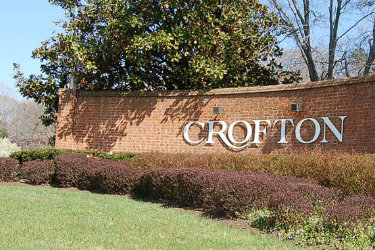
Finding Your Perfect Home in Crofton Made Easy

Finding the perfect home in Crofton can be both an exciting and challenging process. Prospective buyers must consider factors such as the floor plan, down paymentmortgage, and overall affordability while keeping an eye on market trends and neighborhood features. With a variety of options available—from single detached houses to townhouse apartments, and from affordable housing solutions to luxury townhomes near me—it is crucial to have a clear strategy to navigate through this competitive market. This article offers a detailed roadmap to help homebuyers in Crofton determine their preferences, research the local market effectively, explore financing options, visit potential properties, make competitive offers, and finalize their home purchase with confidence. By addressing specific aspects such as attic spaces, garages, secondary suites, and even handicap accessibility, the guide ensures that every criterion is covered to align with the buyer’s lifestyle and financial expectations. Glide through this comprehensive guide to learn how to evaluate important concerns—like assessing the quality of walls, the condition of the roof, and even the availability of a laundry room—so you can make a well-informed decision. Whether you are searching for a 3 bedroom townhome, a single family home for sale, or a detached townhouse as an investment opportunity, the following steps will empower you with practical insights and actionable strategies.

Key Takeaways

  • Understand your home preferences by considering size, layout, and neighborhood amenities.
  • Conduct in-depth research using online resources, open houses, and local real estate agents.
  • Explore financing options, understand mortgage types, and work on credit score improvement.
  • Learn how to assess home condition during visits and make competitive offers in the market.
  • Finalize the home purchase with careful inspections and a smooth closing process, ensuring a confident transition to homeownership.
  •  

Identify Your Home Preferences for Crofton Living

The first step in finding your perfect home in Crofton is to identify your personal preferences. Homebuyers should begin by considering what kind of property fits their lifestyle best. Whether you are looking for a floor plan with an open concept that maximizes space in a single family home for sale or need a separate room that could possibly serve as a secondary suite, it is essential to have a clear understanding of your priorities.

Consider the Size and Layout That Fits Your Lifestyle

When evaluating potential homes in Crofton, the size and layout are fundamental factors. A thoughtfully designed floor plan not only increases the utility of the space but also enhances the overall living experience. For instance, if you desire 3 bedroom townhomes near me, consider whether the dimensions of each room, the placement of living areas, and the flexibility of the layout can be adapted to your family’s needs. An efficient layout might include a spacious kitchen with a pantry, open dining areas, and rooms that receive plenty of natural light. Additionally, make sure you evaluate unique features such as an atticbasement, or a dedicated laundry room. Prioritizing these elements can impact long-term satisfaction by ensuring that functional areas—like a garage for safe vehicle storage or a comfortable bath for relaxation—are integral parts of the chosen layout.

Define Your Desired Neighborhood Features and Amenities

In addition to the home's structure, the location and neighborhood are significant in determining the ideal home environment. Prospective buyers should assess the quality of the local suburb, proximity to schools, parks, shopping centers, and even recreational areas like a nearby pro shop or swimming pool. A well-equipped neighborhood can significantly add value to the property. Living in an area with accessible amenities can facilitate the overall convenience in everyday living—for example, having rowhouses or terraced houses nearby often indicates a well-developed community with infrastructure that supports family living. Also, consider aspects such as safety, community vibe, and potential for future development or zoning changes. This check is essential for real estate investing, ensuring that your property not only meets your immediate needs but is also a good long-term investment.

Determine Your Must-Have Qualities in a Home

Once you have a clear picture of the general style and environment, narrowing down your must-have qualities will streamline the home search even further. These qualities could be specific details like having enough beds in a family home for sale, a designated space for a gym or study, or even features that cater to handicap accessibility. Sometimes, buyers prioritize properties with unique elements such as a single detached design or a renowned architectural design that supports sustainable living. Likewise, elements like a secondary suite, a spacious living room, or a well-finished kitchen contribute as decisive factors when comparing multiple listings. Reflect on your lifestyle, family size, and future plans to compile an essential list that might include factors such as investment potential, your preferred style (modern vs. traditional), and additional aspects like available storage or outdoor spaces such as a patio or lawn.

Set Your Budget and Financial Expectations Clearly

No home search is complete without a realistic review of your financial situation. Establishing an appropriate budget is the cornerstone of making a secure investment in real estate. Consider all aspects of the transaction such as the down paymentmortgage rate, estimated monthly payments, and additional fees for property taxes or homeowners insurance. Budgeting clearly helps in focusing your search on properties that align with financial expectations and mitigates the risk of overextending on higher-priced investments. It is advisable to consult a financial advisor or a real estate agent to understand current market evaluations as they relate directly to your purchase price, whether you are interested in a single home or townhome apartments. When planning on financing the purchase, ensure every detail—from the cost of repairs like construction or updating walls to potential expenses such as establishing cash reserves for unforeseen issues—is included in your financial plan. This thorough approach ensures that the property you ultimately choose meets all your lifestyle requirements without compromising your financial stability.


Research the Crofton Housing Market Effectively

Once you’ve identified your home preferences in Crofton, the next step is to research the housing market effectively. This critical stage not only involves understanding the current market trends but also making informed comparisons between different property types, such as townhousessingle family homes for sale, and various other investment properties. A well-executed research strategy will help you avoid overpaying and increase your chances of making a sound investment.

Utilize Online Resources to Gather Local Listings

Online resources provide a wealth of information, from detailed floor plans to property histories. Trusted real estate websites and apps compile listings that include everything from the price and size of a property to critical details like the condition of the roof and available amenities such as a garage or swimming pool. Platforms that support advanced search filters allow potential buyers to tailor results to specific needs—for example, searching for 3 bedroom townhomes near me with a specific down payment range or budget. Furthermore, many of these sites offer interactive maps and virtual tours, enabling an initial visual impression of a home’s overall layout and condition. Using these online tools ensures that prospective buyers have a well-rounded perspective of which properties offer the best value. Reliable digital resources also often feature price histories and statistical data on neighborhood trends that reflect changes in property values, essential for anyone interested in real estate investing over the long term.

Connect With Local Real Estate Agents for Insights

Beyond online research, establishing a connection with a local real estate agent like Scott Smolen is instrumental to gathering nuanced market insights. Agents often have a deeper understanding of the Crofton market compared to aggregated online data. They can offer advice on current trends, negotiation strategies, and neighborhood growth potential. For instance, a knowledgeable real estate agent may explain how factors such as local zoning changes can impact property types like detached townhousessingle homes for sale near me, or even residential duplexes. They might also provide detailed information on how upcoming infrastructure projects or school ratings could affect future property values. Establishing a relationship with an agent not only gives you access to the latest listings before they hit the market but also offers historical perspective on which neighborhoods have maintained stability or seen growth. This insider knowledge is invaluable when evaluating a potential property’s investment potential, ensuring that your decision is aligned with both current market dynamics and future prospects.

Attend Open Houses to Gain Market Perspective

Visiting open houses is a practical way to see properties in person, evaluate their condition, and compare them side by side. Open houses provide an opportunity to gauge the neighborhood’s vibe and community living style. During these visits, you can assess details that online listings may not fully capture, such as the natural lighting in a home, overall maintenance of key areas like the attic or bathroom, and even the state of the surrounding landscape and street appeal. Additionally, attending open houses allows buyers to ask pertinent questions directly to the listing agent about the home’s history, recent renovations, or potential issues such as wear on the walls or roof. This rich, firsthand information contributes significantly to making an informed decision and understanding how well each property meets your established criteria. Open houses also create a competitive environment in which buyers can learn about the price range and negotiation expectations in the current market.

Analyze Recent Sales Data in Your Chosen Area

A thorough analysis of recent sales data provides the empirical backbone of your research strategy. By examining comparable sales (often referred to as “comps”), you can determine whether a listed price is reasonable compared to similar properties in Crofton. This data includes factors such as square footage, age, condition, and additional features that may affect the cost—such as a finished basement or a premium location near schools and shopping centers. Sales data can also reveal market trends over time, like shifts in demand for affordable housing or a rising interest in homes offering energy-efficient upgrades. For example, understanding that single detached houses or luxury townhomes near me have recently appreciated in value might influence your offer or negotiation strategy. Moreover, sales trends can provide predictive insights, helping you understand whether the current market is leaning towards a buyer’s market or a seller’s market. Armed with this analysis, prospective buyers can craft offers that reflect true market value and have a competitive edge when it comes to negotiations.

Take Advantage of Home Financing Options in Crofton

Securing the necessary financing is a pivotal element when purchasing a home in Crofton. With different financing options available—from conventional mortgage loans to more specialized programs for affordable housing—it is crucial to explore every opportunity. Understanding your financial capabilities and comparing different mortgage types can ultimately determine the speed and success with which you secure your dream home. Effective financial planning ensures that the home you purchase not only fits your lifestyle preferences but remains financially sustainable over the long term.

Explore Different Mortgage Types That Suit You

When it comes to financing your Crofton home, one size does not fit all. There are various mortgage options, such as fixed-rate mortgages, adjustable-rate mortgages, and specialized schemes for first-time homebuyers or low-income families. Fixed-rate mortgages offer stability in monthly payments, which is particularly advantageous in markets showing steady interest rates. Conversely, adjustable-rate mortgages may provide lower initial payments, but they come with higher uncertainty over time. Additionally, some institutions offer programs that specifically support purchases of affordable housing or even single family homes for sale within certain budget constraints. It is vital to research and compare these options thoroughly since the choice of mortgage can influence your monthly cash flow, total interest paid, and even your negotiating power when discussing selling conditions down the line. By weighing the benefits of each financing method and understanding the related costs involved in a down payment or application fee, you can make an informed decision that supports both your current financial situation and long-term investment goals.

Calculate Your Down Payment and Monthly Payments

Before committing to a mortgage, calculating how much you can afford for a down payment is a crucial step. A higher down payment generally reduces your monthly payment burden, which can free up funds for other essentials like repairs, renovations, or even the acquisition of features such as a modern kitchen or updated bath. Using financial calculators and consulting with a real estate agent, potential buyers can accurately assess their immediate budget constraints and projected monthly expenses. This exercise might reveal that properties with features such as a spacious attic or an integrated laundry room are more financially viable if the accompanying down payment requirement is lower. Understanding the true monthly cost—including property taxes, homeowners insurance, and potential maintenance fees—is essential to avoid any financial overextension that might jeopardize long-term property ownership.

Understand Your Credit Score and Its Impact on Rates

Your credit score plays a fundamental role in determining the mortgage interest rate you will secure. Lenders use credit scores to assess the risk involved in offering financial products to buyers. A high credit score can unlock lower interest rates and more favorable loan terms, ultimately reducing your monthly payments and total cost over the life of the loan. Prospective buyers should review their credit reports, fix any discrepancies, and follow best practices to improve their score if necessary. This proactive approach not only strengthens your negotiating position but also paves the way for a smoother pre-approval process. Enhance your financial profile by reducing existing debts and maintaining timely repayments, as these actions can have a significant impact on your ability to secure competitive mortgage terms that align with your purchasing goals, whether you’re eyeing an affordable housing unit or a luxury townhome.

Evaluate Pre-Approval Processes With Lenders

Once you understand your credit and have calculated your financial comfort zone, seeking pre-approval from lenders is the next logical step. A pre-approval not only confirms your buying power but also streamlines your home search, ensuring bidders remain competitive. During this process, lenders will closely examine your financial history, income stability, and debt-to-income ratio. This evaluation gives you a clear picture of how much you can borrow, which can influence your offers on different types of properties—ranging from single detached homes to townhome apartments. Additionally, pre-approval letters can add significant weight to your offers when negotiating with sellers, ensuring that your bid is taken seriously. The pre-approval process may also reveal specific conditions or steps you need to address before your loan application is finalized. By collaborating with a range of lenders and comparing pre-approval terms, buyers effectively narrow down their options to households that meet both lifestyle and financial expectations.

Visit Potential Homes in Crofton Thoughtfully

Visiting potential homes in person is a crucial step in the homebuying process. This stage provides the opportunity to see the true condition of the home, assess features that matter such as the structure of the walls, quality of the finish, and even hidden aspects like attic storage or basement condition, and negotiate based on real-world observations. Thoughtful home visits allow buyers to reconcile online listings with on-the-ground realities by evaluating every detail from the layout to the immediate neighborhood vibe.

Create a Schedule for Home Visits That Works for You

When planning to visit homes, it is essential to create a well-structured schedule that allows for adequate review time. A thoughtful schedule provides ample opportunities to visit multiple properties without being rushed. This process may involve setting aside consecutive days or weekends specifically for open houses. Consider grouping visits by location or similar price ranges to maximize efficiency. Using scheduling tools and apps is beneficial for planning and ensures that you allocate enough time for each property. Maintaining a checklist for each visit—including items like the condition of key areas, the potential for future remodeling (such as upgrades in the attic or laundry upgrades), and even the potential for a swimming pool or garage—is vital. This schedule not only allows you to evaluate the tangible elements like spacefloor plan, and overall layout but also accommodates unforeseen delays that might arise during the visits. Networking with sellers and asking for additional insights on neighborhood trends or upcoming local developments can further enhance your understanding of the property value. More importantly, taking notes and comparing impressions immediately after each visit lays the groundwork for a more organized decision-making process.

Look for Key Indicators of Home Condition and Value

During the property visits, it is critical to look out for key indicators that reflect the home’s condition, such as the state of the roofwalls, and windows. Examine the kitchen and bath for recent renovations, check insulation, and verify that electrical and plumbing systems are up to code. Pay special attention to details like the finish on hardwood floors, the quality of countertops, and the size of storage areas including the attic or basement. A well-maintained home with proper upkeep signals not only current value but also potential for future appreciation. Remember that even seemingly minor deficiencies might affect a home’s overall value or necessitate additional remodeling costs. For instance, a house with outdated fixtures can result in higher investment for updates, which could impact your overall budget. Documenting these conditions during your visit provides tangible evidence for negotiations later, ensuring that your offer can be backed by a clear understanding of necessary repairs and overall home integrity.

Ask Relevant Questions During Home Showings

A well-informed buyer is proactive in addressing questions during home showings. Inquire about details such as the age of the roof, history of repairs, the condition of major systems like HVAC, and whether there have been any recent upgrades. Ask for disclosure of any issues related to insulation, moisture problems, or structural anomalies, as these factors greatly influence long-term maintenance costs. It is also beneficial to inquire about the neighborhood amenities, such as proximity to local services, schools, and transportation. By asking these pertinent questions, you can align the home’s features and potential drawbacks with your specific requirements and negotiate contingencies in your purchase offer. This due diligence is vital for ensuring that features such as the layout, attic, or any potential handicap accessibility modifications meet your expectations. Moreover, detailed questions often reveal the seller’s motive and may provide an advantage in negotiations, giving you a clearer picture of market competitiveness and any adjustments that might be warranted.

Trust Your Instincts When Assessing a Property

While data and objective assessments are important, trusting your instincts during home visits is equally vital. Often, a home’s atmosphere, neighborhood vibe, or even a subtle sign of wear can indicate deeper, underlying issues that numbers do not reveal. Your personal comfort level in a home can influence how well you adapt to living there over time. Whether it’s the charm of a unique layout, the warmth of natural lighting, or simply the feeling of home in a well-maintained neighborhood, these subjective impressions are important in narrowing down your choices. Balancing these gut feelings with tangible evidence, such as verified property condition and market history, will empower you to make a confident decision that aligns with both rational financial goals and emotional satisfaction.


Make Competitive Offers on Crofton Homes

Once you have diligently identified and visited potential properties, the next step is to put together a competitive offer. In the Crofton housing market, where buyers may compete for desirable homes ranging from affordable family homes for sale to upscale luxury townhomes, making an attractive and well-informed offer is crucial. A competitive offer considers market conditions, recent sales data, and the overall condition of the property, ensuring that it stands out to sellers while still protecting the buyer's interests.

Stay Informed on Market Conditions to Gauge Offers

Understanding the local market conditions is imperative to determine how much to offer and whether to include contingencies. Analyzing recent comparable sales in Crofton gives you a realistic picture of the price range for similar properties. Be aware of market dynamics such as trends in inventory levels, the average time properties spend on the market, and seasonal fluctuations that might impact offer acceptance. Staying informed with these data points allows you to strike a balance between offering a competitive bid and keeping within your financial limits. This approach ensures that your offer is appealing to the seller without overextending your budget, taking into account various influential factors such as property condition, location desirability, and any likely future market shifts.

Negotiate Effectively to Reach a Win-Win Agreement

Effective negotiation is an art that blends strategic planning with interpersonal skills. Once your competitive offer is on the table, remain open to negotiations that might involve counteroffers or requests for adjustments. Focus on establishing a positive and transparent communication line with the seller’s agent, ensuring that all discussions are aimed at reaching a mutually beneficial agreement. It is important to be prepared with data and a clear understanding of your budget constraints and must-have home features. For example, if the property requires minor repairs or lacks certain essential features—such as an efficient laundry setup or ample storage space—you might negotiate a lower price or request that the seller cover some closing costs. By maintaining a cooperative spirit and flexibility during negotiations, you secure terms that reflect both your budget and the real market value, ensuring a smooth transition into Crofton homeownership.


Finalize Your Home Purchase With Confidence

The final stage in the homebuying journey is to complete the purchase process with confidence. After successfully having your competitive offer accepted, it’s critical to ensure every detail is addressed during the closing phase. This stage involves a series of vital activities—from home inspections to reviewing closing documents—that guarantee the integrity and value of your purchase.

Complete Inspections to Ensure Home Integrity

A comprehensive home inspection is key to confirming that the property meets your expectations and does not mask any significant issues. During the inspection, professionals assess the condition of critical systems including roofing, plumbing, electrical installations, as well as visible aspects like walls, floors, and overall structural integrity. Inspections should also cover less obvious areas such as the atticbasement, and any additional structural features like a swimming pool or patio. This process provides a detailed report of the property’s condition, which can potentially serve as leverage during negotiations if repairs or improvements are required. Detailed inspection reports safeguard the buyer from unexpected future expenses and help confirm that the property’s condition matches the representation made by the seller. Any discrepancies found between the home's current state and your expectations can be addressed before finalizing the transaction, thus providing peace of mind and confidence in your investment.

Review Closing Costs and Documents Carefully

As you near the final stages of the home purchase, a detailed review of all closing documents is paramount. This stage involves scrutinizing various components such as the property title, deed, loan agreements, and disclosure statements. Buyers should ensure that every detail—ranging from estimated property taxes to homeowner association fees—is correct. Reviewing these costs closely not only prepares you for the final cash outlay but also helps avoid any last-minute surprises that might affect your overall budget. It is advisable to work with a trusted estate agent or attorney during this phase to make sure that all legal and financial documentation is in order. Understanding every aspect of the closing process—from the down payment breakdown to the final fee structure—equips you with the confidence needed to proceed. This detailed review reaffirms that the home, whether a single house for sale or a townhome apartment, meets both your financial criteria and long-term living requirements.

Work With Professionals for a Smooth Closing Process

Engaging professionals such as real estate attorneys, trusted real estate agents, and financial advisors ensures a seamless closing experience. These experts bring knowledge and experience that help to clarify complex paperwork and mitigate unforeseen issues that might derail the process. Their guidance is critical in managing deadlines, verifying that all negotiated conditions are met, and facilitating clear communication between all parties involved—from the seller to the lending institution. This collaborative approach helps ensure that the process is efficient and minimizes stress. A well-organized closing phase not only confirms that all necessary legal and financial conditions have been satisfied but also solidifies your commitment to become part of the Crofton community with a high level of preparedness and confidence.

Celebrate Your New Home Ownership in Crofton!

After all the intricate steps from negotiation to final closing have been completed, it is time to celebrate your new achievement. Moving into your new home in Crofton symbolizes the culmination of careful planning, thorough research, and strategic negotiations. This celebration is more than just a personal milestone—it marks the beginning of a new chapter filled with memories, comfort, and long-term investment potential. Take the time to share this joyous occasion with family and friends, and consider hosting a small gathering to showcase your new living space. Whether it features a modern floor plan, a spacious attic, or a well-designed bathroom, each feature of your new home tells a story of determination and success. Embrace the moment and enjoy the benefits of making a confident, well-informed purchase that aligns perfectly with your needs and aspirations as a homeowner.

Final Thoughts

In summary, finding the perfect home in Crofton requires a systematic approach—from defining personal preferences and conducting extensive market research to understanding financing options and making well-informed offers. Each step, whether assessing a home’s layout or reviewing closing documents, builds toward a confident purchase. Buyers are encouraged to leverage professional advice, validate property conditions through inspections, and personalize their offers to secure the best possible deal. Ultimately, a well-planned and executed process not only fulfills your immediate housing needs but also sets the stage for long-term financial stability and joy in your new home.

Frequently Asked Questions

Q: How do I start identifying my home preferences in Crofton? A: Begin by considering the size, layout, and unique features important to your lifestyle, such as an attic, laundry room, or handicap accessibility. Reflect on your must-have qualities and set a clear budget based on your financial situation.

Q: Which online resources are best to research the Crofton housing market? A: Utilize trusted real estate websites and apps that offer detailed property listings, virtual tours, and market trends reports. Combining these with local real estate agent insights provides a fuller picture of property values and neighborhood amenities.

Q: What are the key benefits of getting pre-approved for a mortgage? A: Mortgage pre-approval provides a clear estimate of your buying power, speeds up the buying process, and strengthens your negotiation position with sellers by demonstrating your financial readiness.

Q: Why are home inspections critical before finalizing a purchase? A: Inspections verify a property’s actual condition, highlight potential issues with critical systems, and provide negotiating leverage if repairs are needed. They help ensure long-term investment value and peace of mind.

Q: How can I make my offer more competitive in Crofton’s housing market? A: A competitive offer includes a personalized letter, flexible negotiation terms, and a pre-approval letter. Gathering detailed data on recent sales and incorporating personal touches can set your offer apart from others.
 

May 20, 2025

Flipping the Script: How to Win With the BRRRR Method in Real Estate

By:  Curtis Fisher


Real estate investing isn’t about overnight riches or flashy house-flipping shows. It’s a long game. And for people looking to build wealth sustainably, the BRRRR method—Buy, Rehab, Rent, Refinance, Repeat—is one of the most powerful strategies out there. But it’s not magic. If you don’t plan carefully and pay attention to the details, you could end up stuck with a property that drains your time, money, and sanity. The key is understanding the moving parts of this strategy and approaching each step like a seasoned investor, even if you’re brand new to the game.


Buy With Your Brain, Not Your Heart

This isn’t your dream home. You're not looking for granite countertops or perfect curb appeal. You’re hunting for potential—often hidden beneath ugly paint, outdated appliances, and cracked tile. The numbers need to work first. That means buying below market value with a clear understanding of repair costs and expected rent. You’ll want to be confident that after your rehab is complete, the property's value will be high enough to make your refinance worthwhile. It’s also crucial that you work with an expert realtor—reach out to the experienced professionals at The Scott Smolen Team today!


Understand the Rehab Sweet Spot

The “rehab” part of BRRRR is where most investors mess up. It’s tempting to over- renovate, especially when you're in the house every day and imagining how great it could look. But your goal isn’t to win an HGTV award—it’s to raise the appraised value without blowing your budget. You want to fix what’s broken, modernize what’s outdated, and spend just enough to make it clean, safe, and desirable for your future tenants. This is where having a reliable contractor—who respects your numbers and doesn't try to upsell you into high-end finishes—makes all the difference.


Don’t Overlook Electrical Issues

Before you hand over the lease, you need to be confident that the home’s electrical system is up to code and safe. Outdated wiring, overloaded breakers, or flickering lights might seem like minor issues, but they can create major hazards and headaches once tenants move in. Even if you’re not an expert, you can ask an electrician through a video chat app that connects you with licensed pros who walk you through repairs in real time. And when you need someone onsite, the same platform helps you tap into a network of local, vetted electricians ready to handle the work professionally.


Rent to People, Not Just Tenants

Once the rehab dust settles, it’s time to bring in the right renters. And that doesn’t mean anyone with a pulse and a paycheck. You want stable tenants who pay on time, take care of the property, and ideally stick around for the long haul. This starts with solid screening—background checks, credit scores, rental history—but it also means you should treat them like humans, not just lease-signers. Clear communication, quick maintenance responses, and mutual respect go a long way in keeping good tenants around, which is critical when you're relying on consistent rent.


Leave a Lasting Impression With Business Cards

When you’re renting out properties, you’re not just handing over keys—you’re presenting yourself as someone tenants can trust. A well-designed business card tells potential renters that you’re organized, professional, and available. It doesn’t have to be flashy, but it should feel personal, clear, and easy to read, with your contact info and maybe even a photo or logo that reflects your rental brand. You can create something polished and memorable with an online business card print tool that offers high-quality templates and generative AI features that make designing and ordering cards almost effortless.


Refinance Like a Chess Player

This is the payoff phase, but it’s also where you need to be sharp. Once the property is rehabbed and rented, you can go to a lender and refinance based on the new appraised value. That lets you pull your original investment back out, ideally tax-free, and go do it all again. But not all lenders are the same. Some won’t play ball with newly rehabbed properties or may require a seasoning period (where the property must be rented for a set time before refinancing). You need to know your exit strategy before you even buy, so you're not stuck holding a property longer than you want to.


Repeat With Discipline, Not Emotion

Once you pull your capital out, it’s easy to get overconfident. You think, “I did it once—I can do it again, faster.” And maybe you can. But the danger is in skipping steps, rushing due diligence, or getting loose with your rehab budgets. Every BRRRR cycle is its own animal. The market shifts, contractors change, interest rates rise or fall. Your job is to stick to your process, refine what works, and stay honest about what doesn’t. The repeat part is where real scale happens—but only if you protect the foundation you've already built.


Study the Market Like It's a Language

If you're guessing where to invest, you’re gambling. BRRRR works best in places where property values are climbing, rents are stable, and there's room for upside. That means staying glued to market trends, rent prices, job growth stats, and local zoning laws. Even a few blocks can make a massive difference in your results. Talk to other investors, dig into local Facebook groups, and keep your ear to the ground. The people who win with BRRRR aren’t always the smartest—they’re often just the most informed.


Buying the Right House Sets the Tone

Your first step is the most important. Don’t underestimate the art and science of buying the right property. You need something distressed enough to be discounted but structurally sound enough that repairs won’t bury you. Consider things like location, after-repair value, local rent rates, and how long it'll take to complete renovations. If you're just picking the cheapest house you can find and hoping it works out, you're playing with fire. BRRRR isn't about luck—it’s about controlling every variable you can, starting with the one you buy.


This method works. It’s helped everyday investors build multi-property portfolios and generate cash flow they never thought possible. But BRRRR is only as strong as your discipline. You have to know your numbers, trust your team, and stick to your process like your financial future depends on it. With patience, planning, and a willingness to learn from your mistakes, the BRRRR strategy can become one of the most powerful tools in your investment playbook.


Discover your dream home with The Scott Smolen Team, where expert guidance and personalized service make your real estate journey seamless and stress-free!


May 17, 2025

Powering Your Home Makeover with Bitcoin: Financing Renovations with Crypto

The rise of cryptocurrencies like Bitcoin has opened exciting possibilities far beyond traditional financial transactions. Today, Bitcoin’s decentralized and borderless nature is helping homeowners reimagine how they fund their home improvement projects.

This guide explores the innovative ways Bitcoin is transforming the world of home renovations. Whether you are planning a small upgrade or a full-scale redesign, Bitcoin offers unique opportunities to finance your project.


Three Ways to Use Bitcoin for Home Renovation Projects

  1. Partner with Companies That Accept Bitcoin:  Bitcoin’s growing popularity has led to increased adoption by businesses across various industries, including construction and home improvement. For instance, some builders, like Naples Luxury Builders in Florida, now accept Bitcoin as a payment method for their services. Similarly, major retailers like The Home Depot accept Bitcoin payments via Flexa’s checkout systems, making it easier to purchase supplies directly with cryptocurrency.
  2. Leverage a Crypto-Backed Loan:  Crypto-backed loans allow you to use your Bitcoin as collateral to borrow funds. Platforms like SALT make it possible to secure loans for personal or business needs, including home renovation projects. This approach lets you retain your Bitcoin investment while accessing the cash needed for your updates.
  3. Convert Bitcoin to Traditional Currency:  If your preferred contractors or suppliers do not accept Bitcoin, you can convert it to fiat currency using cryptocurrency exchanges. This provides flexibility while ensuring you can work with the professionals you trust for your renovation.


Considerations When Using Bitcoin for Home Renovations

Before funding your home makeover with Bitcoin, it is essential to weigh several factors:

  • Price Volatility: Bitcoin’s value can fluctuate significantly, impacting your renovation budget. Monitor the market closely and consider converting your Bitcoin to fiat when rates are favorable.
  • Acceptance: Not all contractors or suppliers accept Bitcoin payments. Confirm their willingness and ability to work with cryptocurrency before starting your project.
  • Legal and Tax Implications: Cryptocurrency regulations vary by region. Be aware of reporting requirements and tax obligations related to Bitcoin transactions.


Advantages of Using Bitcoin for Home Renovations

Using Bitcoin to fund your home renovations offers several benefits:

  • Lower Transaction Fees: Bitcoin transactions typically have lower fees compared to traditional financial institutions, especially for international payments.
  • Fast and Secure Payments: Bitcoin transactions are processed quickly and securely, thanks to blockchain technology, reducing the risk of fraud or disputes.
  • Enhanced Privacy: Bitcoin transactions do not require personal information, offering added privacy and security for both homeowners and contractors.


Disadvantages of Using Bitcoin for Home Renovations

Despite its benefits, there are challenges to consider: • Price Volatility: The unpredictable nature of Bitcoin’s value can make budgeting and cost estimation difficult.

  • Regulatory Uncertainty: Laws governing cryptocurrency use are still evolving, which can lead to complex legal or tax scenarios.
  • Limited Adoption: While Bitcoin’s acceptance is growing, it is not yet universal among contractors, suppliers, or service providers.


The Bottom Line

Bitcoin is revolutionizing how homeowners finance and transact for renovation projects. From direct payments to crypto-backed loans, its flexibility, and advantages—like lower fees, speed, and privacy—make it an appealing option. However, homeowners should carefully consider its volatility, legal implications, and limited adoption before diving in. As Bitcoin’s use expands, it is paving the way for innovative approaches to home improvement financing.


May 14, 2025

Ready to Call Odenton, Maryland, Home? Discover Why It’s the Perfect Move!

Nestled in Anne Arundel County, Odenton, Maryland, is a vibrant and rapidly growing community that’s catching the eye of homebuyers, professionals, and families alike. Known as “The Town a Railroad Built,” Odenton blends suburban charm with urban accessibility, making it an attractive destination for those seeking a connected yet relaxed lifestyle. If you are thinking about relocating, here’s a closer look at what makes Odenton a standout choice, backed by key facts about the area.


A Snapshot of Odenton’s Growth and Demographics

Odenton has experienced significant growth over the past few decades, driven by its strategic location and economic opportunities. As of 2024, the population is estimated at 46,342, a 9.66% increase from 42,258 in 2020, growing at an annual rate of 1.44%. The median household income in 2023 was $126,455, reflecting a 5.13% increase from the previous year, which supports a comfortable standard of living. The median age is 36.6 years, with a diverse population. This diversity, combined with a dense suburban feel, creates a welcoming community for families, young professionals, and retirees.

Prime Location and Transportation Odenton’s central location—15 miles from Annapolis, 19 miles from Baltimore, and roughly 30 miles from Washington, D.C.—makes it a commuter’s dream. The Odenton MARC station, a busy stop on the Penn Line, provides convenient access to these major cities, with the station dating back to the town’s founding in 1868. Residents also benefit from proximity to Interstate 97, the Patuxent Freeway, and Crain Highway, ensuring quick trips to Baltimore or D.C. on low-traffic days. For those traveling farther, Baltimore-Washington International Thurgood Marshall Airport (BWI) is just 8 miles away.


Economic and Employment Opportunities

Odenton’s economy is robust, employing 24,400 people in 2023, with a 2.48% employment growth rate from the previous year. The largest industries include Public Administration (4,562 jobs), Professional, Scientific, & Technical Services (3,650 jobs), and Health Care & Social Assistance (2,703 jobs). The town’s proximity to Fort George G. Meade, home to NSA Headquarters, U.S. Cyber Command, and the Defense Information Systems Agency, drives significant job growth. The NSA East Campus Integration Program, set to join Fort Meade in 2028, is expected to further boost the local economy. Odenton also serves as a business and industrial hub, with commercial growth evident in its four shopping centers: Academy Junction Plaza, Odenton Shopping Center, Village Center, and Village At Waugh Chapel.


Housing and Cost of Living

The median home price in Odenton is approximately $450,000, with townhomes and single-family homes being the most common options. In 2023, the median property value was $408,400, and the homeownership rate was 64.9%. Median gross rent is $1,873, with one-third of residents renting. While the cost of living is higher than the national average, it’s more affordable than nearby urban centers like Washington, D.C. Utilities are comparable to the rest of Maryland, with electricity bills averaging $150–$200, water at $50–$75, and internet plans starting at $70 per month. Neighborhoods like Piney Orchard and Chapel Grove are particularly desirable for their amenities, including community pools and trails.


Education and Schools

Odenton is served by the highly rated Anne Arundel County Public Schools, including elementary schools like Odenton Elementary, Waugh Chapel Elementary, and Piney Orchard Elementary, as well as Arundel Middle and Arundel High. Private school options, such as Odenton Christian Academy, are also available. For higher education, residents have access to nearby institutions like the University of Maryland, College Park (15 miles away) and Anne Arundel Community College. The quality of schools makes Odenton a strong choice for families.


Recreation and Amenities

Odenton offers ample opportunities for outdoor and recreational activities. The Patuxent Research Refuge, a short drive away, provides hiking trails, wildlife spotting, and outdoor events. Local parks like Odenton Park Recreation Area and Towsers Branch Park feature sports fields, picnic areas, and jogging tracks. The Piney Orchard Ice Arena, once a practice facility for the Washington Capitals, is a hotspot for ice skating enthusiasts. For dining, locals love Mamma Roma for authentic pasta, The Hideaway for barbecue, and Frisco Tap House for craft beer and American dishes.

The Odenton Heritage Society Museum, housed in the 113-year-old Old Masonic Temple, offers a glimpse into the town’s railroad history, with a historical marker unveiled in May 2025.


Community and Lifestyle

Odenton’s community spirit shines through events like Odenton Day, an annual celebration featuring parades, live music, and family-friendly activities. The town’s suburban feel, combined with its parks and trails, creates a safe and family-friendly environment. Residents note the area’s natural beauty, with trails where deer and foxes are occasionally spotted, though some mention minor issues like moles or squirrels in gardens. With a low poverty rate of 4.05% and a strong sense of community, Odenton is praised for its livability.


A Nod to History

Odenton’s roots trace back to 1868, when the Baltimore and Potomac Railroad, led by former Maryland Governor Oden Bowie, established the town as a key rail junction. During the Civil War, the Annapolis and Elk Ridge Railroad was guarded by Union soldiers as a vital link to Washington, D.C. The Dennis F. Sullivan Maintenance Facility, operated by Amtrak, continues Odenton’s railroad legacy today. The town’s historical significance is preserved through sites like the Odenton Heritage Society Museum and the Epiphany Chapel at Fort Meade, listed on the National Register of Historic Places in 2001. Is Odenton Right for You? Odenton, Maryland, offers a compelling mix of modern amenities, historical charm, and economic opportunity. Its proximity to major cities, strong job market, and quality schools make it ideal for professionals and families, while its parks and community events appeal to those seeking a balanced lifestyle. Though the cost of living is higher than the national average, the town’s affordability compared to D.C. and its steady growth make it a smart choice for relocation. Whether you are drawn to the vibrant community, the convenience of the MARC station, or the promise of new developments like the Odenton Town Center, Odenton is a place where you can put down roots and thrive.


Considering a move to Odenton?

Explore neighborhoods like Piney Orchard or Seven Oaks and visit the Piney Orchard Nature Preserve to experience the area’s natural beauty. Odenton’s central location to Baltimore and Annapolis makes commuting easy, perfect for professionals and families. When you are ready to make your move to the area, contact Scott and the Smolen Team, local real estate experts, to guide you through the process. With its blend of past and present, Odenton is more than a stop on the map—it is a community poised for a bright future.


May 6, 2025

7 Clever Ways to Banish Mold from Your Home: Expert Remediation Tips

Mold is a common issue that homeowners face, and knowing how to identify and remove it is crucial for maintaining a healthy living environment. Here's a guide to understanding mold, the common areas where it hides, and effective tips for getting rid of it.


What Exactly Is Mold?

Mold is a type of fungus that thrives in damp, dark areas. While it’s important in nature for breaking down organic matter, it can be problematic when it invades your home. Mold spreads through spores that can enter your home through doors, windows, vents, or even on pets.

Finding mold in your home can have serious health implications, especially for those with respiratory issues or compromised immune systems. It often appears in hidden, damp spaces, and common symptoms of exposure include sneezing, coughing, itchy eyes, and difficulty breathing.


How Do You Know If It's Mold?

Mold can be tricky to spot early, but it often appears as cotton-like or velvet-textured patches in colors like green, black, or white.

Here's how to identify it:

  • Musty, earthy smell
  • Warping or cracking of the material
  • Presence of moisture with limited light
  • Discoloration that lightens with bleach treatment

If you see a small spot, outline it with a marker. Mold will spread beyond the line, while dirt will not.


Common Types of Mold

Knowing the type of mold in your home can help you figure out how to remove it. The three most common types include:

  • Aspergillus: Found in food and air conditioning systems, typically not harmful unless you have a pre-existing condition.
  • Cladosporium: Often found in damp places like toilets and air ducts.
  • Stachybotrys Chartarum: Known as black mold, it can grow on materials like drywall or carpets exposed to moisture.


How to Remove Mold from Your Home

Removing mold can often be a DIY project if the affected area is manageable. Here are seven common places where mold appears, along with tips on how to get rid of it:

  • Mold on Wood

Steps: Vacuum the area, scrub with soap and water (add bleach for untreated wood), and dry thoroughly. If necessary, sand down the affected area, but check in a few days to ensure it's completely gone.

  • Mold on Walls

Steps: Scrub with a bleach-water solution. If mold keeps returning, fix any leaks or ventilation issues and try stronger mold removers.

  • Mold in Bathrooms

Steps: Run a fan during showers to avoid moisture buildup. Clean any mold spots with a bleach-water solution. Use a toothbrush for smaller areas like grout.

  • Mold on the Exterior of Your Home

Steps: Use a power washer on decks, siding, and porches. For stucco or concrete, rinse lightly before applying a cleaning solution.

  • Mold in the Kitchen

Steps: Wipe down surfaces with bleach wipes, clean up spills quickly, and fix any leaks to prevent mold growth in cabinets and drawers.

  • Mold in the Basement

Steps: Regularly clean the area, use a dehumidifier, and address any leaks. In some cases, replacing porous materials like drywall may be necessary.

  • Mold in the Attic

Steps: Clean the surfaces with bleach-water and keep an eye on ventilation and leaks in your roof or vents to prevent mold from returning.


Final Thoughts on Mold Remediation

Most mold can be removed by cleaning the affected area with a bleach-water solution or a more concentrated mold remover. Regular cleaning and maintaining low moisture levels in your home can also help prevent future growth.

If the mold problem seems overwhelming or continues to return, consider seeking professional mold remediation services. If you're buying a home, a mold inspection should be part of your home inspection.

Should you encounter mold, you might even be able to negotiate remediation into the purchase agreement. Have more questions or need expert advice on mold removal or home maintenance? Contact Scott and the Smolen Team for recommendations or assistance.