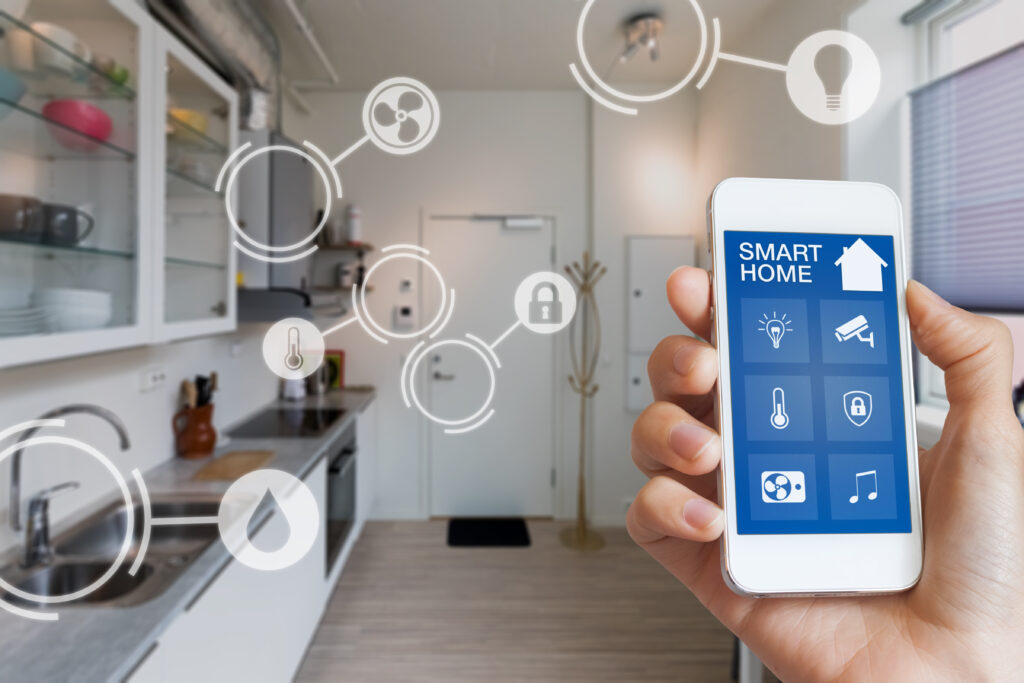
As technology evolves, smart home advancements continue to transform how we live, offering innovative solutions for convenience, sustainability, and wellness. Experts in home design and technology have identified key trends that are expected to shape the smart home landscape in 2025. These advancements go beyond gadgets and aim to improve energy efficiency, security, and overall quality of life.
Here are the top trends to watch for in 2025.
Energy Management
Energy efficiency is a major focus for smart home technology. Demand-side energy management systems, which learn household behaviors and optimize energy use, are expected to grow in popularity. These systems can coordinate with the electrical grid to pre-heat or cool homes during off-peak hours, saving homeowners money while reducing grid stress. This seamless integration not only benefits individual households but also contributes to broader sustainability efforts by alleviating pressure on energy infrastructure.
Sara Gutterman, CEO of Green Builder Media, highlights the role of solar panels and energy storage in enhancing these systems. With solar power becoming more accessible and affordable, homeowners can pair it with intelligent systems to maximize energy savings. Similarly, Josh Christian, CEO of the Home Technology Association, emphasizes the benefits of whole-home backup batteries. These systems allow homeowners to monitor energy usage in real time, prioritize critical devices during outages, and make sustainable energy choices effortlessly. This growing trend empowers homeowners to take control of their energy footprint while improving resilience during power disruptions.
Kitchens and bathrooms, major energy consumers, are also seeing advancements. Bill Darcy, CEO of the National Kitchen & Bath Association, notes an increased demand for solutions like smart circadian lighting and heat pump replacements for HVAC and water heating systems, reflecting the push for smarter energy use. These innovations not only reduce energy costs but also enhance comfort and convenience for homeowners.
Water-Related Innovations
Water efficiency and wellness are also shaping smart home trends. Amanda Pendleton, home trends expert at Zillow, highlights the rising popularity of smart toilets and smart sprinklers. Both technologies are gaining traction, offering convenience, health benefits, and environmental efficiency. Smart toilets enhance hygiene and promote wellness, while smart sprinklers optimize water use, reducing waste and lowering utility bills. These advancements reflect a growing demand for sustainable solutions that also enhance daily life.
Enhanced Security
Security remains a cornerstone of smart home innovation. Leslie Carothers of Savour Partnership predicts the rise of smart locks featuring facial recognition, allowing homeowners to unlock their doors effortlessly while remaining aware of their surroundings. These systems not only enhance safety but also offer unmatched convenience by eliminating the need to fumble for keys. For families with young children or older adults, smart locks provide added peace of mind and improved accessibility.
Khoi Vo, CEO of the American Society of Interior Designers, also sees an increase in doorbell cameras, noting their growing accessibility and popularity for enhancing home safety. These devices provide real-time monitoring and communication, making it easier to manage security from anywhere. With advancements in video quality and integration with other smart systems, doorbell cameras are becoming an essential tool for modern homes.
Wellness Advancements
The integration of wellness-focused technology is a significant trend for 2025. Smart mirrors capable of detecting health issues, advanced air purification systems, and circadian lighting are becoming more accessible and affordable. These systems not only improve daily comfort but also contribute to long-term health and well-being by creating healthier living environments.
Rachel Hodgdon, CEO of the International WELL Building Institute, highlights the importance of indoor air quality sensors. These devices can detect and provide actionable data on pollutants like PM2.5, CO2, and VOCs, helping homeowners address potential health risks proactively. By identifying issues in real time, these sensors allow for quick action, such as adjusting ventilation or activating air purifiers, to maintain optimal air quality.
Wellness enhancements also include innovations like temperature-regulating bedding, which ensures a comfortable sleep environment, and noise-canceling windows to reduce external disruptions. These technologies aim to create a sanctuary-like atmosphere in the home, prioritizing both mental and physical health.
Balancing Innovation and Privacy
While smart home technology offers numerous benefits, privacy concerns remain a critical consideration. Homeowners are encouraged to research brands and settings that limit data sharing and prioritize user privacy. Taking the time to understand and properly set up these technologies can help ensure a balance between convenience and security. Many providers now offer customizable settings, allowing users to tailor their devices to align with personal privacy preferences. This approach ensures that homeowners can enjoy the advantages of smart technology without compromising their peace of mind.
Take the Next Step
As smart home technology continues to evolve, incorporating these trends can improve your home's functionality, energy efficiency, and overall wellness. If you're considering upgrading your current home—or looking for a new home with all the latest tech—contact The Scott Smolen Team. They can connect you with reputable contractors for installations or guide you in finding a tech-savvy home that fits your lifestyle and needs.