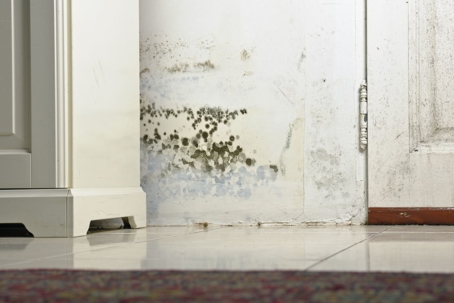
Mold is a common issue that homeowners face, and knowing how to identify and remove it is crucial for maintaining a healthy living environment. Here's a guide to understanding mold, the common areas where it hides, and effective tips for getting rid of it.
What Exactly Is Mold?
Mold is a type of fungus that thrives in damp, dark areas. While it’s important in nature for breaking down organic matter, it can be problematic when it invades your home. Mold spreads through spores that can enter your home through doors, windows, vents, or even on pets.
Finding mold in your home can have serious health implications, especially for those with respiratory issues or compromised immune systems. It often appears in hidden, damp spaces, and common symptoms of exposure include sneezing, coughing, itchy eyes, and difficulty breathing.
How Do You Know If It's Mold?
Mold can be tricky to spot early, but it often appears as cotton-like or velvet-textured patches in colors like green, black, or white.
Here's how to identify it:
- Musty, earthy smell
- Warping or cracking of the material
- Presence of moisture with limited light
- Discoloration that lightens with bleach treatment
If you see a small spot, outline it with a marker. Mold will spread beyond the line, while dirt will not.
Common Types of Mold
Knowing the type of mold in your home can help you figure out how to remove it. The three most common types include:
- Aspergillus: Found in food and air conditioning systems, typically not harmful unless you have a pre-existing condition.
- Cladosporium: Often found in damp places like toilets and air ducts.
- Stachybotrys Chartarum: Known as black mold, it can grow on materials like drywall or carpets exposed to moisture.
How to Remove Mold from Your Home
Removing mold can often be a DIY project if the affected area is manageable. Here are seven common places where mold appears, along with tips on how to get rid of it:
- Mold on Wood
Steps: Vacuum the area, scrub with soap and water (add bleach for untreated wood), and dry thoroughly. If necessary, sand down the affected area, but check in a few days to ensure it's completely gone.
- Mold on Walls
Steps: Scrub with a bleach-water solution. If mold keeps returning, fix any leaks or ventilation issues and try stronger mold removers.
- Mold in Bathrooms
Steps: Run a fan during showers to avoid moisture buildup. Clean any mold spots with a bleach-water solution. Use a toothbrush for smaller areas like grout.
- Mold on the Exterior of Your Home
Steps: Use a power washer on decks, siding, and porches. For stucco or concrete, rinse lightly before applying a cleaning solution.
- Mold in the Kitchen
Steps: Wipe down surfaces with bleach wipes, clean up spills quickly, and fix any leaks to prevent mold growth in cabinets and drawers.
- Mold in the Basement
Steps: Regularly clean the area, use a dehumidifier, and address any leaks. In some cases, replacing porous materials like drywall may be necessary.
- Mold in the Attic
Steps: Clean the surfaces with bleach-water and keep an eye on ventilation and leaks in your roof or vents to prevent mold from returning.
Final Thoughts on Mold Remediation
Most mold can be removed by cleaning the affected area with a bleach-water solution or a more concentrated mold remover. Regular cleaning and maintaining low moisture levels in your home can also help prevent future growth.
If the mold problem seems overwhelming or continues to return, consider seeking professional mold remediation services. If you're buying a home, a mold inspection should be part of your home inspection.
Should you encounter mold, you might even be able to negotiate remediation into the purchase agreement. Have more questions or need expert advice on mold removal or home maintenance? Contact Scott and the Smolen Team for recommendations or assistance.