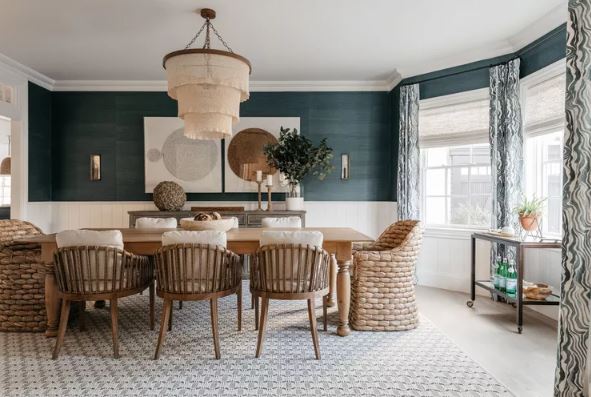
Wainscoting is a classic interior design feature that blends timeless style with practical benefits. Once used to protect walls from scuffs, it is now a versatile tool to add character and texture to any room. Here is everything you need to know about wainscoting, from its origins to modern applications.
What Is Wainscoting?
Wainscoting involves applying wooden or composite panels to the lower portion of interior walls, typically the bottom third. Originally designed to shield walls from furniture or foot traffic, it is evolved into a decorative element that enhances spaces like dining rooms, hallways, and bathrooms with visual interest and structure.
The term comes from the Middle Dutch word “waghenscote,” meaning “wagon plank,” referring to oak boards used to line wagons or walls. Today, wainscoting serves both aesthetic and functional purposes, anchoring rooms and elevating their design.
Benefits of Wainscoting
Wainscoting offers more than just beauty. Its key advantages include:
- Wall Protection: It guards high-traffic areas like mudrooms or staircases from dents and scratches, adding durability.
- Concealing Flaws: Panels can hide uneven or damaged drywall, especially in older homes.
- Insulation and Soundproofing: When installed properly, wainscoting adds a layer of insulation and reduces noise, ideal for cold or loud spaces.
- Versatility: It suits various rooms and styles, from formal living areas to casual kitchens.
Where Can You Use Wainscoting?
Wainscoting is adaptable to nearly any room. It shines in entryways, dining rooms, and bathrooms, adding charm and protection. It is also effective in bedrooms, living rooms, or practical spaces like laundry rooms. Whether you want a traditional or modern vibe, there is a wainscoting style to match.
Types of Wainscoting
Different styles suit various aesthetics:
- Raised Panel: Beveled, three-dimensional panels for a formal, colonial look.
- Flat Panel (Shaker): Simple, recessed panels for clean, contemporary designs.
- Beadboard: Narrow planks with grooves, perfect for casual or bathroom settings.
- Board and Batten: Vertical strips over board seams for a rustic, farmhouse feel.
- Shiplap: Horizontal boards with gaps, popular in coastal or modern farmhouse homes.
- Tongue and Groove: Interlocking planks for a seamless, durable finish.
Each style adds unique texture and depth, breaking up plain walls.
Wainscoting vs. Other Wall Treatments
Unlike paint or wallpaper, which focus on color or pattern, wainscoting adds physical structure and craftsmanship. It brings proportion and rhythm, especially in large or awkward rooms, creating a polished, permanent look.
Planning and Installation Tips
To ensure a successful wainscoting project:
- Choose moisture-resistant materials like MDF or PVC for bathrooms and kitchens.
- Use hardwoods like oak for warm, classic living spaces.
- Consider eco-friendly options like reclaimed wood for sustainability.
- Map paneling with painter’s tape and a laser level for precision.
- Account for outlets or switches before installing.
- Start from the wall’s center for balanced symmetry.
- Keep panel sizes uniform for a professional finish.
Cost of Wainscoting
Wainscoting is often budget friendly. Costs range from $1,050 to $1,600, depending on room size and materials. Plywood or MDF can be as low as $1 per square foot, while solid wood may reach $40. DIY installation saves on labor, which typically adds $2 to $4 per square foot.
DIY or Hire a Pro?
DIY is manageable with MDF panels, especially for straight walls. Aim for a panel height of 32 to 36 inches, following the rule of thirds. Reclaimed wood or pallets can add rustic charm on a budget. However, hire a professional for uneven walls or complex wiring to avoid costly fixes.
Creative Wainscoting Ideas
Modernize wainscoting with these approaches:
- Bold Colors: Paint panels in deep green or navy for drama in small spaces like powder rooms.
- Higher Panels: Extend panels to three-quarter height in dining rooms for added elegance.
- Geometric Patterns: Use diagonal or crisscross battens for a modern focal wall.
- Staircase Accents: Add panels to staircase walls for style and scuff protection.
- Bedroom Focal Point: Install shiplap or beadboard behind the bed as a cozy headboard alternative.
Bottom Line
Wainscoting transforms walls with timeless charm, durability, and functionality. Whether you’re refreshing one room or your entire home, it’s a versatile feature that adds lasting value. For expert guidance, contact Scott and the Smolen Team. They can connect you with qualified interior designers or contractors to bring your wainscoting vision to life, ensuring a seamless and stunning result.