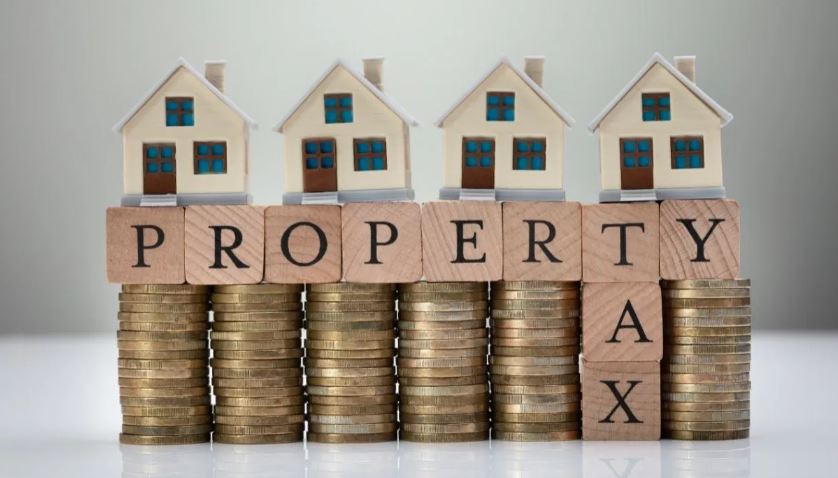
When you are preparing for homeownership, it is crucial to understand what makes up your monthly mortgage payment. Many homeowners are surprised to find it is not just the principal and interest — additional costs like property taxes and homeowners insurance are often included too. These expenses are typically managed through an escrow account set up by your lender to help cover essential protections and local tax obligations.
Let’s break down what’s typically included in your mortgage payment:
- Principal: The amount that goes toward repaying the loan balance.
- Interest: The cost paid to the lender for borrowing funds.
- Property Taxes: Taxes collected by local governments to fund community services.
- Homeowners Insurance: Coverage to protect your property and assets against damage or loss.
Knowing what is included in your mortgage payment can help you better plan your budget and avoid surprises.
Understanding Escrow Accounts
When you apply for mortgage preapproval, your lender will estimate your monthly payment. This includes the principal, interest, and an estimated monthly escrow payment for property taxes and homeowner’s insurance, based on typical rates for homes in your desired area.
Keep in mind, this is just an estimate. The actual amount for property taxes will not be finalized until you select a home, and insurance premiums will be determined after you choose a provider and policy.
Can You Pay Property Taxes Separately from Escrow?
If you prefer not to use an escrow account for your property taxes, you will be responsible for paying those taxes directly to your local tax authority. You will need to track payment deadlines, which may be annual, semi-annual, or quarterly depending on your location. To avoid late fees, many homeowners set up reminders or automate payments if their tax authority allows it.
While paying property taxes separately offers more control over your finances, it requires careful budgeting to ensure the full amount is available when the bill is due. Missing payments can result in penalties or, in extreme cases, a lien on your property.
How Does Property Tax Affect Your Mortgage?
Property taxes are typically included in your mortgage payment if you use an escrow account. Your lender collects a portion of your mortgage each month to cover your annual property tax bill. If property taxes increase, your lender will adjust your monthly mortgage payment to account for the new amount. If you opt to pay property taxes separately, changes in tax rates will not affect your monthly mortgage. However, you will need to budget accordingly for any increases, as you will pay the full amount directly to your local tax authority.
What Other Expenses Are Included in Your Monthly Payment?
In addition to property taxes, homeowner’s insurance is often included in your mortgage payment. Lenders typically base their estimates of insurance costs on average rates in your area, though your actual premium will depend on your chosen policy. You may even qualify for discounts if you bundle your homeowner’s insurance with other policies like auto insurance. Being mindful of how insurance costs and other property-related expenses affect your mortgage payment can help you plan your budget effectively.
Pros and Cons of Including Property Tax In Your Monthly Payments
Advantages:
- Convenience: Combining property taxes with your mortgage means fewer bills to manage, as your lender handles the payments on your behalf.
- Easier Budgeting: Monthly escrow contributions help spread the tax cost over the year, avoiding a lump sum payment.
- On-Time Payments: Escrow payments are automatically made, reducing the risk of missed deadlines and penalties.
Drawbacks:
- Variable Payments: If property taxes increase, your monthly payment will rise, which can make budgeting more difficult.
- Loss of Control: Some homeowners prefer managing their tax payments directly for more control, rather than relying on their lender.
Can Property Taxes Increase?
Your property’s tax assessment is based on its current market value, and changes in market conditions, home improvements, or local tax requirements can lead to higher or lower taxes. If the market value of your home increases due to renovations or rising prices, your taxes will likely increase as well.
Property taxes are also determined by the local municipality, and tax rates can fluctuate based on local funding needs.
How to Pay Property Taxes When Your Mortgage Is Paid Off
Once you have paid off your mortgage, you will still need to pay property taxes — but now, you will be responsible for paying them directly to your local tax authority. Payment schedules will vary by location, and you will need to track deadlines carefully to avoid late fees.
To ensure you are financially prepared, many homeowners set aside funds each month in a savings account, creating their own version of an escrow account for property taxes.
The Bottom Line
Understanding what is included in your mortgage payment, particularly property taxes and homeowner’s insurance, is crucial for effective budgeting. If you are using an escrow account, knowing how property taxes and other expenses are managed can help you avoid surprises. If you are ready to start your homebuying journey, please reach out to The Scott Smolen Team to discuss your options and for a referral to one of our trusted mortgage lenders!