Scott Smolen Maryland real estate blog with market updates, community spotlights, and home buying tips

Maryland Real Estate Blog

Scott Smolen's Anne Arundel County and Bowie, Md. Real Estate Blog

Local real estate updates, market insights, community spotlights, and practical home buying and selling advice for Odenton, Gambrills, Crofton, Bowie, Piney Orchard, Two Rivers, and the surrounding Maryland real estate market.

Latest Market Trends

Stay current on mortgage rates, local inventory shifts, pricing trends, and buyer demand across the Maryland real estate market.

Home Selling Advice

Learn how to prepare, price, market, and negotiate when selling a home in today’s local market.

Home Buying Tips

Get practical guidance on affordability, inspections, offers, financing, and buying with confidence.

Community Spotlights

Explore local neighborhoods, market reports, lifestyle features, and community insights throughout the area.

June 29, 2023

Stylish and Safe: 7 Kid- and Pet-Proofing Tips to Protect Your Home

Make your home kid- and pet-friendly without sacrificing style! You no longer must fear the white sofa thanks to advances in technology. Durable and stain-resistant materials, treatments, and fabrics are available for all your decor needs. Plus, some options even prevent odors from developing. We consulted designers and fabric experts for their top tips on how to make your decor more practical and still stylish. Read on for their advice!

1. Choose performance fabrics

When it comes to durable and stain-resistant fabrics for your furniture, look no further than Crypton, Perennials, Sunbrella, and InsideOut. These brands are trusted by designers and offer PFAS-free options. Crypton is a standout option as it repels spills, resists odors, and has a plush texture that's perfect for sofas and lounge chairs.

For areas in your home that are prone to spills and messes, like dining spaces, go for materials that are easy to wipe down, such as leather or vinyl. Joy Street Design's CEO and creative director, Kelly Finley, suggests steering clear of fabric for these areas altogether.

But not all leathers are equal in terms of durability. Top-grain aniline leathers show every scratch, so opt for a more textured leather that can hold up better. Interior designer Annie Elliott recommends requesting a leather sample and testing its durability with your fingernail. With these tips, you can have furniture that looks great while being practical and long-lasting.

2. Treat your upholstery

Make your delicate linen pieces more durable for upholstery with a little help from experts, designers, and Texas-based company, SBI Finishing. Knit-backing, a process that bonds lightweight knitted fabrics to the material, is particularly helpful for those with active kids who love jumping on sofas. Stain protection and knit-backing can also double the lifespan of the fabric, according to SBI Director of Research and Development, Daniel Banks. For further protection, designers like Kerri Goldfarb and Mia Brous recommend "vinylizing," which makes the fabric water-resistant and wipeable. Keep furniture clean and protected by using companies like Fiber-Seal, which offers eco-friendly stain-protection treatments, or try out fabric protection sprays like RepelWell and Vectra. Keep your furniture looking chic without sacrificing style or quality.

3. Consider color and pattern

When you have kids and pets at home, it's important to be cautious when choosing light-colored furnishings and floor coverings. Unless they are performance or stain-treated, they can easily become stained and damaged. A better option would be darker fabrics or carpets with some color variability that are forgiving of spills and messes. Busy patterns can also be helpful as intricate designs can camouflage the messes, making it easier to maintain cleanliness. Consider an Oushak or Persian rug as it is an excellent choice to hide spills and everyday traffic. With these tips, you can have beautiful furnishings in your home without compromising on style or functionality.

4. Protect furnishings with a throw

Discover how to protect your sofa from your furry best friend's wear and tear with these stylish tips. A soft throw or blanket can make a huge difference, but why not take it up a notch? Our experts suggest using an Indian kantha quilt for an elegant and effective protective measure. Or choose a mohair throw for its thick pile that will not hold onto fur in a visible way, according to Elliott. Give your dog's favorite spot on the sofa the upgrade it deserves while keeping your furniture looking its best.

5. Look for wool or polypropylene rugs

Keeping a clean home with pets can be a challenge, especially when it comes to flooring. However, choosing the right rug can make all the difference. According to designers, 100 percent wool rugs are a great choice as they resist stains and hold their shape well. For another durable option, indoor/outdoor polypropylene rugs like Dash & Albert by Annie Selke are recommended. Felines in the home require low-pile flatweaves like kilims, which prevent claws from pulling out the fibers. And for busy areas like hallways and mudrooms, sea grass and Ruggable brand rugs in smaller sizes are ideal, though be aware that the designs are digitally printed and may require in-person inspection. Carpet tiles such as Flor also offer flexibility - simply wash or replace individual tiles if they become stained. With these tips, you can enjoy a clean and stylish home no matter how many pets you have.

6. Opt for wipeable walls

For wall paints, aim for an eggshell finish to prevent dirt buildup. For trim, opt for a satin or semi-gloss finish since they are more resistant to marks and scratches. When selecting wallpaper, choose hard-wearing vinyl or look for labels that indicate "wipeable" or "scrubbable." For delicate paper, install it above a wainscot, and in the bathroom, install tile halfway up the wall and wallpaper above it to avoid damages caused by water and mess. Expert designers Elliott and Goldfarb share these tips for a durable and beautiful home interior.

7. Accept that smudges and spills happen

Living with kids and pets can lead to some messy moments, including finding small toys, dough, and pet hair hidden in your beloved sectional. But don't stress! According to Finley, these things happen when you're truly living in your home. And don't forget, your furniture is there to be used and enjoyed, says Goldfarb. So go ahead, lean in, and make some memories! Any minor damages can easily be repaired.


June 28, 2023

Mortgage Rates and Homebuying Activity Update

The current mortgage rates, hovering around 7%, are preventing potential homebuyers and sellers from participating in the housing market. Despite the lackluster performance of the spring homebuying season, there is a positive trend in the construction of new single-family homes, reaching a nearly two-decade high. This surge in construction offers a glimmer of hope for an increase in housing inventory by the following year.

In 2023, the traditional bustling spring homebuying season did not materialize as expected. Instead, the Federal Reserve's actions have dictated the timing of home purchases and sales. Thus far, the Fed's actions suggest a need for caution.

Over the four-week period ending on June 18, pending home sales declined by 16% compared to the previous year. Despite this relatively weak sales performance, there is a higher number of potential homebuyers than available homes on the market. New listings of homes for sale have decreased by 24% compared to last year, resulting in an overall 8% drop in the total number of homes for sale, the most significant decline in over a year.

The primary cause of this decline in both demand and supply can be attributed to the elevated mortgage rates. Throughout the spring season, average rates remained above 6%, driving monthly housing payments in the United States to near-record highs. Consequently, many potential buyers are holding off, anticipating a decrease in rates. Meanwhile, those actively seeking to buy are encountering difficulties due to the limited number of listings. Prospective sellers are reluctant to give up their homes, benefiting from relatively low mortgage rates. Almost all homeowners with a mortgage have rates below 6%.

As we enter the summer, there are positive signs in the market: 65% of adults recently expressed that it is a favorable time to sell a home, marking the highest level since July of the previous year, according to Fannie Mae's purchase sentiment index. Although this is unlikely to have a significant impact on new listings, it suggests that the inventory shortage may not worsen.

On June 21, the average daily rate for a 30-year fixed mortgage was 6.9%, a decrease from the previous month's half-year high of 7.14%. During the week ending June 15, the average rate was 6.69%, slightly lower than the previous week but still close to the highest rate since November.

In the week ending June 16, mortgage-purchase applications, adjusted for seasonal variations, increased by 2% compared to the previous week. This marks the second consecutive week of growth. However, purchase applications were down by 32% compared to the same period last year.

Google searches for "homes for sale" rose by 13% compared to the previous month during the week ending June 17. However, searches were down approximately 11% compared to the same period last year.

According to ShowingTime, a home tour technology company, touring activity as of June 18 has increased by 14% since the beginning of the year. In contrast, at the same time last year, there was a 4% decrease in touring activity. This increase in tours was relatively slow during the same period last year when mortgage rates were rising.

Posted in
June 27, 2023

The Pros and Cons of Making an All-Cash Offer on a House: Evaluating the Risks and Rewards

With today's rising mortgage rates, saving on monthly interest is more appealing than ever. For home buyers, an all-cash offer can be an ace up their sleeve. Not only does it add swagger to their step while searching for the perfect property, but it also gives them a distinct advantage over those who need a mortgage.

Home sellers swoon over all-cash offers because it means no doubt that the buyer has the funds to close the deal. And surprisingly, all-cash deals are more common than you might think. Recent reports show that 34% of single-family home and condo sales in the third quarter of 2021 were made with all-cash offers.

However, an all-cash offer isn't always the best move for every home buyer. Despite its many benefits, it's essential to know when it makes sense to make an all-cash purchase. And when done right, it's a no-strings-attached deal at its finest.

Should you make an all-cash offer?

Money can't buy wisdom when it comes to property investment. While purchasing with cash has its benefits, there are also downsides to consider. Even the wealthiest individuals choose mortgages for their home purchases. Uncover the pros and cons of an all-cash offer.

Advantages of an all-cash offer:

  1. Faster closing periods and fewer contingencies are just a few of the advantages that come with an all-cash purchase.
  2. While you may not score outrageous deals due to current inventory levels, you could still snag a discount if you are not in a bidding war.
  3. Don't want to deal with the hassle of mortgage approval and piles of paperwork? Making an all-cash offer will take all of that out of the process.
  4. Avoid closing costs, title insurance, and other fees associated with a mortgage, while cutting out wasted interest payments over a 15- or 30-year period. Keep more cash in your pocket!
  5. Say goodbye to mortgage payments by owning your home free and clear! No more stress about the possibility of losing your home to foreclosure due to missed payments.

Disadvantages of an all-cash offer:

  1. Instead of diversifying your financial portfolio, you will be allocating a significant amount of capital into a single asset, potentially restricting its availability for other investments.
  2. Your acquisition has the potential to significantly reduce your financial flexibility.
  3. By not having a mortgage, you will forego substantial tax deductions, such as the one available for mortgage interest, which is beneficial to homeowners.
  4. Depending on your desired level of investment aggressiveness, you might find better opportunities to allocate your funds elsewhere.

Strategies for Safely Making an All-Cash Offer without Negative Consequences

Although an all-cash offer possesses several advantages, it is crucial to steer clear of potential pitfalls. Here's a guide on executing it successfully.

  • Streamline your home-buying process by consolidating your funds into one account. While you can use cash from various sources, such as personal savings, cash gifts, and inheritance, keeping your home-buying funds in one place makes it easier to keep track of everything. Plus, avoid potential delays from bank transfers by avoiding last-minute money shuffles before closing.
  • Before bidding, the seller needs to know you’re serious. Providing a bank statement proves your financial capability and sends a strong message to ensure your offer is taken seriously. Submit your proof of funds with your offer and show you mean business.
  • Remember the expenses that come with buying a home. Cash purchase or not, you must account for all the costs that come with purchasing a property. These include:

1. Property taxes: The calculation of property taxes relies not only on the assessed value of homes but also on the specific location in which you reside.

2. Homeowners insurance: The average yearly premium typically amounts to approximately $1,820.00, although numerous factors contribute to the overall cost calculation.

3. Homeowners or condo association fees: For instance, in the case of a typical single-family home, the monthly HOA fees range from approximately $200 to $300.

4. According to the U.S. Department of Housing and Urban Development, a standard home inspection typically ranges from $300 to $500. However, the overall costs may vary based on additional inspections required, such as water testing, septic testing, or chimney inspections.

When purchasing a house with all cash, it is essential to exercise caution and avoid completely depleting your savings. While it may be tempting to make a substantial payment, it is crucial to ensure that you don't end up with minimal funds in your bank account. It is wise to maintain a reasonable cushion for unexpected expenses or emergencies, even after making the purchase. Striking a balance between a substantial payment and maintaining financial security is key when pursuing an all-cash transaction.

June 26, 2023

Saving for a Down Payment? Here's What You Need to Know for a Smooth Homebuying Journey

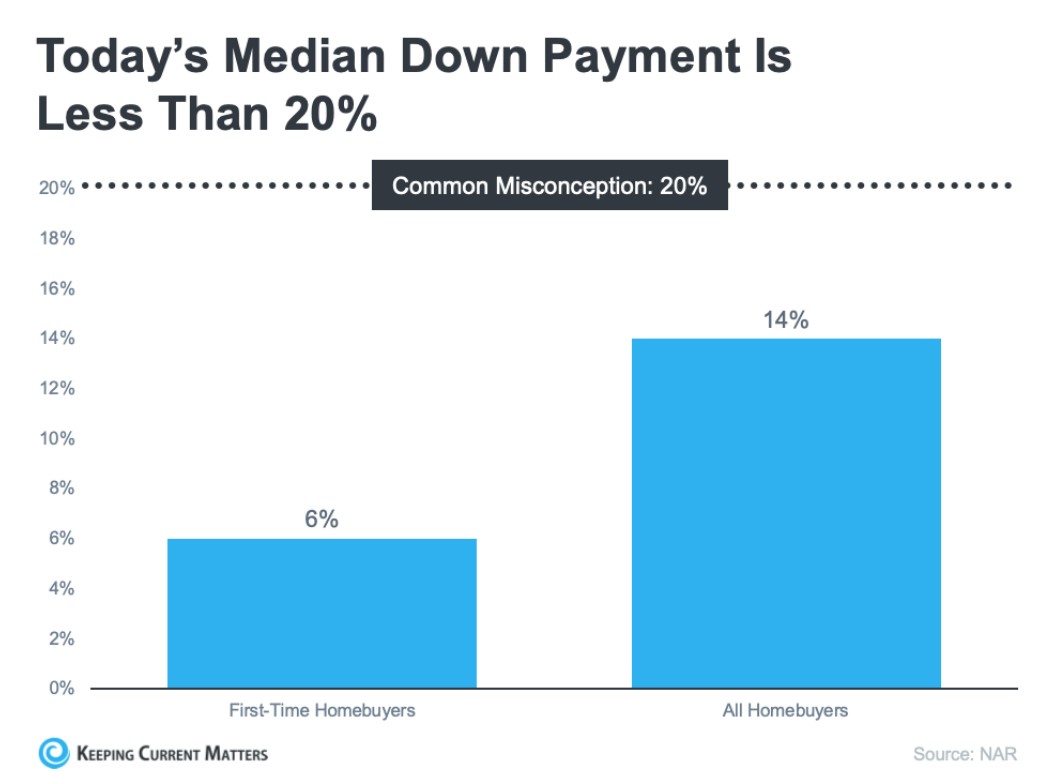
If you're in the market for your first home, you're likely thinking about all the costs involved in such a significant purchase. One major expense that may cause you some worry is the down payment. However, it's important to know that you don't necessarily need to put down 20%. In fact, many homebuyers hold misconceptions about how much they need to save to become homeowners. According to the National Association of Realtors (NAR), understanding the truth about down payments can help protect your finances and make homeownership more accessible.

According to a recent Freddie Mac survey, this myth is one of the biggest obstacles standing in the way of achieving homeownership. Don't let false assumptions hold you back from your dream of owning a home!

National Association of Realtors (NAR) also reports the average down payment for all homebuyers is only 14%, and for first-time homebuyers, it's 6%. If you're worried about having to save up an impossibly large amount, don't be - your homebuying dream could be closer than you think. Check out the chart below for more insight to the averages we are seeing nationally.  

Good news! This means that you might not have to save as much money as you initially planned.

Options That Can Help You Toward Your Goal

Did you know that there are over 2,000 homebuyer assistance programs in the U.S. designed to help with down payments? It's a common misconception that these programs are only available for first-time homebuyers. In fact, over 38% of all programs are for repeat homebuyers who have owned a home in the last 3 years. Options like FHA loans with down payments as low as 3.5% and VA loans and USDA loans with no down payment requirements for qualified applicants are available. To learn more about down payment assistance programs, check out Down Payment Resource (link below) and partner with a trusted lender to discover what you qualify for on your homebuying journey.

Remember, a 20% down payment isn't always required, so reach out to Scott and the Smolen Team today to start the conversation about your homebuying goals!

Down Payment Resources 

June 25, 2023

Navigating Insurance for Condos: A Comprehensive Guide

When purchasing a condo, insurance is a must-have requirement. The bank needs protection for its investment in your property, and your condo agreement will also require insurance. Two policies are necessary to fully insure both parties—an individual policy and a master policy. The individual policy covers liability, personal belongings, and apartment structural elements that are not covered by the master policy. The master policy covers shared building structures. Gain a clear understanding of these policies to ensure optimal protection for yourself and the building.

The master condo policy

The building management is responsible for it, and its premiums come out of your maintenance fee or association dues. The master policy covers common areas like the roof, basement, elevator, boiler, and walkways for both liability and physical damage, which are shared with others in your building.

Depending on the association, you may or may not be responsible for insuring the individual condo or co-op units. In some cases, the association ensures the units as they were originally built, including standard fixtures. This means owners are only responsible for any alterations or remodels. In other cases, owners are responsible for elements like kitchen cabinets, built-in appliances, plumbing, wiring, bathroom fixtures, etc.

Knowing which parts of your home are covered by the master policy is crucial for insuring your condominium through your individual policy. This information is often in your association’s bylaws and proprietary lease, which can be obtained from the co-op or condo board or building management.

Your individual condo insurance policy

To protect the value of your condo unit, your lender and by-laws will require you to have your own insurance in addition to the master policy. This individual policy will cover your personal possessions and any structural elements not included in the master policy, should you experience a disaster such as fire or theft. It also provides liability and additional living expenses (ALE) protection, like a homeowners policy.

To ensure you find the best coverage, seek out an insurance professional with expertise in condos. When selecting a policy, ask about potential discounts, like for extra security measures and fire alarm systems. Insuring your unit with the same company as your building's policy may also lead to lower premiums. Safeguard your investment with the right insurance coverage.

- Unit assessment: Get reimbursed for your portion of shared assessment fees resulting from a covered loss, such as a lobby fire.

- Water backup: Protect your property from damage caused by sewer or drain backups that aren't typically covered by condo or flood policies.

- Umbrella liability: Enjoy broader liability coverage and added protection at an affordable cost.

- Flood or earthquake insurance: If you live in an area prone to natural disasters, consider getting extra coverage for peace of mind.

- Floater insurance: Safeguard your valuable jewelry, furs, or collectibles with additional coverage.

June 24, 2023

Creating a Mosquito-Free Haven for Pollinators: Natural Ways to Banish Mosquitoes Safely

Enjoying your backyard with loved ones is great, but it's not so great when you have to deal with pesky mosquitoes. Before calling in an eco-friendly or all-natural pest control company to get rid of them, consider this: the sprays they use to eliminate mosquitoes might also kill important pollinators that benefit plants. These pollinators, like bees, butterflies, and hummingbirds, are crucial for plant communities. Losing them could lower the yield in your garden or affect the flowering bushes in your yard.

The problem does not stop there. The loss of pollinators could have a domino effect beyond your yard. Plants cannot survive without pollinators, which means they can't clean the air by pulling carbon dioxide and releasing oxygen through photosynthesis. Mosquitoes, on the other hand, may seem like just a nuisance, but they also play a role in the ecosystem. Their eggs are a food source for fish and other aquatic creatures, and they serve as an important food source for birds, frogs, bats, and other species.

So, how can we keep mosquitoes away without harming pollinators? Here are some natural solutions to try. Protect yourself from mosquito bites and find a solution that works for everyone.

Dump Standing Water

Female mosquitoes thrive in standing water where they lay their eggs. But, without it, they cannot reproduce. To prevent their breeding, empty out anything that can collect or retain water, like plant saucers, gutters, dog bowls, playground equipment, buckets, and birdbaths at least once a week. According to Matthew Aardema, a medical entomologist, mosquitoes need little water to breed, even discarded containers such as water bottles or chip bags with rainwater can be their breeding ground. He advises taking these preventive measures to keep mosquitoes at bay.

Offer Them a BTI Cocktail

If you have standing water that cannot be drained, there is a solution for controlling mosquito larvae without harming other organisms. Bti, a bacterium that targets only mosquito larvae, can be your best bet. Once ingested, it kills the larvae within minutes. Instead of indiscriminately spraying chemicals, using Bti is a more environmentally responsible method of mosquito control. You can find Bti products in various forms such as tablets, granules, pellets, and liquids at garden stores. Be sure to follow the application instructions provided on the product for best results.

Plant Natural Deterrents

Looking for a way to keep mosquitoes at bay without resorting to harmful chemicals? Look no further than whiskey barrel planters! Environmental science professor Noah Perlut and his students at the University of New England took this approach on their Biddeford, Maine, campus and found success. By planting a combination of bee balm, marigolds, spotted geraniums, lavender, sweet fern, and citronella around the edges of the barrels and cherry tomatoes and basil in the middle, they created a natural mosquito repellent that doesn't harm the ecosystem. Plus, when people pick the tomatoes or herbs, they inadvertently activate the other plants, releasing chemicals that interfere with mosquitoes' navigation. If you're looking to try this approach yourself, focus on finding native plants that are known to repel mosquitoes. Some great options include rosemary, peppermint, catnip, garlic, and sage.

Attract Natural Predators

Want a natural way to control mosquitoes in your area? Investigate which bird species are willing to nest in bird boxes and eat mosquitoes, then learn how to attract them. Tree swallows and Eastern bluebirds are two species that will do the job, according to research by Perlut and his students. By creating a welcoming habitat for these birds near human activity, they were able to successfully reduce mosquito populations. Additionally, bat houses were installed to increase mosquito-hungry predators, but don't worry if bats aren't your thing. There are alternative options available that require little maintenance.

Don’t Waste Time On “Gimmicks”

Don't fall for the hype! According to experts, popular mosquito-fighting devices like citronella candles, torches, coils, zappers, and lamps are often ineffective as they only work in a limited space. Instead, take matters into your own hands by assessing your lawn area, identifying what attracts mosquitoes, and controlling what you can. As Crumbley advises, understanding and acting is key to keeping these pesky bugs at bay.

The “Nuclear” Option

Is your yard overrun by mosquitoes no matter what you try? Hiring a pest-control company may be your best bet, but it's important to weigh the pros and cons. While many scientists endorse control efforts, they caution against the use of pesticides, which can harm other species, including pollinators. Some companies offer natural treatments with essential oils but be cautious of claims that they are "nontoxic" or "DEET-free." To minimize harm to pollinators, it's critical to hire a company that can analyze your yard and develop a personalized plan. Professionals who focus on "resting areas" like tall grasses and woodpiles can minimize the impact on pollinators. Avoid any companies that spray near flowering plants, home gardens, or aviaries. While no company can guarantee zero harm to pollinators, working with a responsible company can help balance the benefits of mosquito control with the need to protect the ecosystem.

June 23, 2023

May Sees a Surge in U.S. Housing as Builders Accelerate Single-Family Home Construction, Despite Ongoing Housing Shortage

In May, construction on new American homes experienced an impressive 21.7% surge, largely due to homebuilders shifting their focus to meet growing demand for single-family homes. Last month, housing stats hit a 1.63 million annual pace, up from 1.34 million in April. Economists were expecting a slight decline, but the numbers are seasonally adjusted and indicate a positive trend. The Midwest led the charge in construction this spring, and interest from eager home buyers is keeping demand high. Multi-family construction also rose, though the focus remains on single-family homes. Building permits are also up, indicating continued growth in future construction.

Key Factors:

The construction industry is on the rise as the weather gets warmer. In May, single-family home construction increased by 18.5%, while apartment building construction rose by 28.1%. The Midwest saw the most activity, with housing starts surging 67% from the previous month and leading the nation in single-family construction.

Permits for single-family homes also saw a boost, rising by 5.2%, while permits for buildings with at least five units increased by 7.8%.

This optimistic trend is not just a fluke – housing starts are up on an annual basis for the first time in nearly a year, with the annual rate of total housing starts increasing by 5.7% from last May. Keep an eye on the construction industry as it continues to ramp up.

The Big Picture:

Despite a struggling housing market, new construction offers a ray of hope for those who are willing to take on 6% mortgage rates. Currently, options are limited in the resale market, leading more buyers to look towards newly built homes.

The National Association of Home Builders has reported that demand for new homes is so high, that builders have started to reduce sales incentives, such as price cuts. This is an indication of a more positive outlook for the housing market, which builders have expressed for the first time in almost one year.

What is Being Said?

The May residential construction data has taken economists by surprise. Richard Moody, chief economist at Regions Financial Corporation described the shock as unprecedented. However, Stephen Stanley, chief U.S. economist at Santander U.S. Capital Markets points out that the housing starts data is one of the most volatile economic indicators released by the government. Despite this, Stanley notes that the housing sector is healing quickly after last year's historic shock in affordability where 30-year mortgage rates doubled. Builders are also reporting an increase in positive sentiment towards the housing market after nearly a year of pessimism.

Market reactions:

On June 20th, early trading saw a decline in U.S. stocks, while the yield on the 10-year Treasury note exceeded 3.7%. Stay informed on how these changes can affect your investments.

June 22, 2023

Prioritize Your Needs: Why Today's Mortgage Rates Shouldn't Dictate Your Decision

If you're planning to sell your home, chances are something significant has happened in your life. However, while factors such as mortgage rates are crucial in determining your next purchase, it's important not to lose sight of the primary reason for your move.

Although mortgage rates have increased from recent record lows, some homeowners are opting to delay their sale due to fears of having to pay higher rates on their next home. However, it's essential to remember that your lifestyle changes should take priority. There are several common reasons why people choose to sell their homes today. These factors may outweigh any concerns about losing a low mortgage rate.

As Ali Wolf, Chief Economist at Zonda, recently tweeted, first-time, and move-up buyers are both active, with the latter driven by significant life changes, including divorce, marriage, new high-paying jobs, and unsuitable living conditions.

Relocation

Looking to make a move? There are a variety of reasons that might motivate you to pack up and start fresh somewhere new. Perhaps you've just landed a dream job in an exciting city, or you're hoping to get closer to family and friends. Maybe you're simply craving a change of scenery and a chance to start fresh. Whatever your reasons, moving can be an exhilarating opportunity to embrace a whole new chapter in your life.

Upgrading

As a homeowner, you may find yourself in need of more space for entertainment, a home office, a gym, or even additional bedrooms to accommodate your growing family. It is common for individuals to choose to sell their current home to move into a larger and more accommodating space. Moving from a condo to a more spacious home with a growing family or household may be the perfect solution to satisfying your growing needs.

Downsizing As inflation continues to increase daily expenses, some homeowners may choose to sell their homes to decrease maintenance and costs. This decision may be influenced by a recent occupancy change, resulting in surplus space. Additionally, retirement or a desire for a change in lifestyle may serve as a motivation to sell. For instance, if you have recently retired and prefer to live in an area with warmer weather and less property management responsibilities, relocating to a more suitable home may be the right choice.

Change in Relationship Status

Many people sell their homes for various reasons, including divorce, separation, or marriage. If you have recently gone through a separation, it might be challenging to share the same space with your ex-partner. In such cases, selling your home and downsizing to a new one could be a smarter choice.

Health Concerns

Homeowners facing mobility challenges or health issues may need to modify their living arrangements to suit their needs. If you're in this situation, you might consider selling your current home to find a better fit. For instance, you could use the proceeds to help pay for a unit in an assisted-living facility.

While higher mortgage rates may present affordability challenges, the decision to sell is highly personal and should be based on financial and lifestyle considerations. According to a recent article from Bankrate, you should ask yourself important questions about your plans and goals before putting your home on the market. Ultimately, your needs and lifestyle should guide your decision-making process.

Are you planning on selling your house and making a move? Let Scott help guide you through the process with his expert knowledge and experience. By working with Scott, you can find the home that meets all your needs and desires. Connect with him today to kickstart the process!

Posted in Mortgage Tips
June 21, 2023

Prepare Your Garden for Summer: Essential Steps for a Beautiful and Thriving Landscape

Summer is finally here, and with it comes the perfect opportunity to get your garden ready for the season ahead. Whether you're an experienced gardener or just starting out, there are a few key steps you can take to ensure your garden is in top condition for the warmer months:

  1. Clean up your garden beds - The first step to getting your garden ready for summer is to clean up your garden beds. Remove any dead leaves, weeds, or debris that has accumulated over the winter months. This will help to prevent diseases and pests from taking hold in your garden.
  2. Test and amend your soil - Testing your soil is an important step to ensure that it has the right pH balance and nutrient levels for your plants. You can purchase a soil testing kit from your local garden center or online. Based on the results, you can add amendments such as compost or fertilizer to improve the soil quality.
  3. Prune and trim your plants - Early summer is the perfect time to prune and trim your plants. This will help to promote healthy growth and encourage new blooms. Be sure to remove any dead or damaged branches and cut back any overgrown areas.
  4. Add new plants - Summer is also a great time to add new plants to your garden. Choose plants that are suited to your climate and soil type. Consider adding some colorful annuals or perennials to brighten up your garden.
  5. Mulch your garden beds - Mulching your garden beds is a great way to help retain moisture, regulate soil temperature, and suppress weeds. You can use a variety of materials for mulch, including shredded leaves, straw, or bark chips.
  6. Plan your garden layout - Finally, take some time to plan out your garden layout for the season ahead. Consider the amount of sunlight and shade each area of your garden receives, as well as the water and soil requirements of each plant.

This will help you to create a beautiful and functional garden that will thrive throughout the summer and beyond. Getting your garden ready takes some effort, but the results are well worth it. By following these simple steps, you can create a beautiful and thriving garden that you can enjoy all season long. Happy gardening!

June 20, 2023

Mortgage Rates Just Dropped—but Home Prices Have Done Something Even More Extraordinary: Exploring the Real Estate Market's Intriguing Dynamics

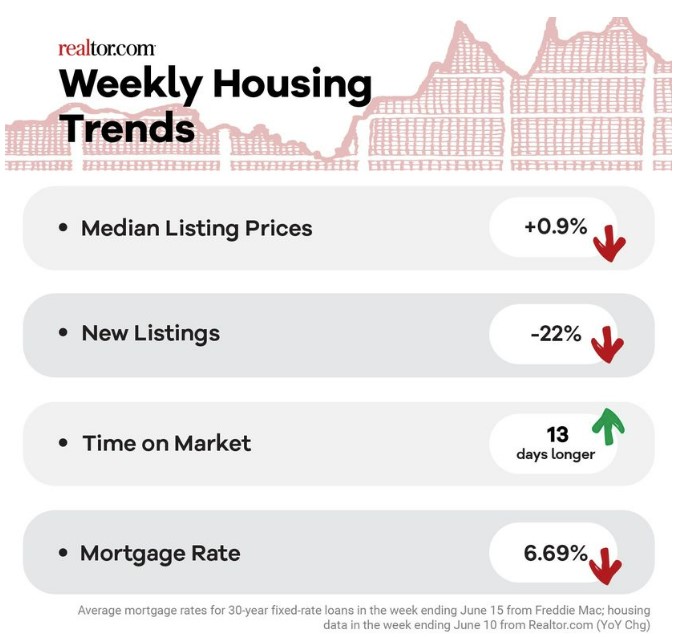
Good news for those looking to buy a home! Mortgage rates have fallen once again, thanks to the Federal Reserve’s decision to hold off on raising interest rates. The average 30-year fixed-rate mortgage rate is now at 6.69%, down from 6.71% the previous week.

But that’s not all. For the first time since 2017, median listing prices have dropped by 0.9% compared to the same time last year. This is a big deal, considering that prices have continually risen for the past six years.

This offers a golden opportunity for homebuyers, especially with the larger number of homes available on the market compared to last year. Realtor.com economist, Jiayi Xu, has analyzed the data and believes that this presents potential opportunities for potential homebuyers.

With lower mortgage rates, lower home prices, and more options than ever, is this the perfect opportunity you’ve been waiting for to finally buy your dream home?

The Mortgage Rates Forecast is Looking Bright

The Fed's decision to pause rate hikes this week has the potential to be a significant turning point, but it doesn't necessarily mean rate hikes are over for good. If inflation persists, we may see another hike or two later this year. However, higher interest rates could create even more instability in the already fragile housing market. The Chief Economist for the National Association of Realtors®, Lawrence Yun, has suggested that the Fed should actually cut interest rates to alleviate some of the pressure. Danielle Hale, the Chief Economist for Realtor.com, predicts that if rates do fall and inflation slows down, we could expect mortgage rates to drop even further - potentially reaching the low 6% range by the end of the year.

What is Behind Some Falling Home Prices Nationally?

Good news for potential homebuyers - home prices are finally starting to drop after a peak last June at $449,000. In May, they came in at $441,000, and there is hope that the trend will continue through this June. Unlike previous drops, this decline is not at the hands of federal institutions, but rather frustrated buyers who refused to put in offers. Homebuyers' hesitations have played a significant role in this decreasing trend, according to Xu.

10% Rise in Inventory Since June 2022 Nationally

Homebuyers looking for a bargain may be struggling to find newly listed homes due to a 22% decrease in the number hitting the market compared to last year. However, there are still plenty of options available for those willing to consider older listings. In fact, active inventory growth is up 10% compared to last year, suggesting that despite a slower pace, the number of homes for sale is still increasing. Sellers, though, are standing firm on high prices, so buyers should be prepared to search diligently for their dream home. According to Xu, the growth in inventory is promising, but there is still work to be done to make buying a home more affordable for everyone.

Some Homes Start to Linger on the Market

Despite slower sales in the past 47 weeks, May housing data indicates that homes are currently spending an average of 43 days on the market, which is faster than the average from 2017 to 2019. However, potential homebuyers are still hesitant to make a move due to uncertainty about the economy. Many are reluctant to commit to high homeownership costs and risk a financial setback. One major obstacle is the near-record high mortgage rates and high listing prices that continue to deter aspiring homeowners.