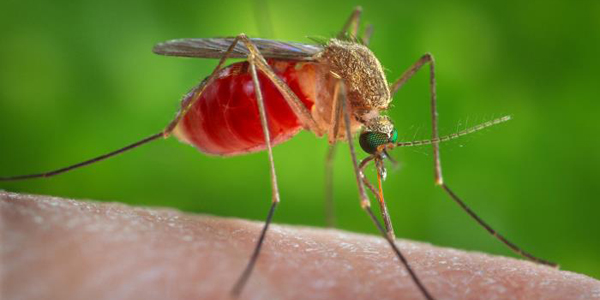
Enjoying your backyard with loved ones is great, but it's not so great when you have to deal with pesky mosquitoes. Before calling in an eco-friendly or all-natural pest control company to get rid of them, consider this: the sprays they use to eliminate mosquitoes might also kill important pollinators that benefit plants. These pollinators, like bees, butterflies, and hummingbirds, are crucial for plant communities. Losing them could lower the yield in your garden or affect the flowering bushes in your yard.
The problem does not stop there. The loss of pollinators could have a domino effect beyond your yard. Plants cannot survive without pollinators, which means they can't clean the air by pulling carbon dioxide and releasing oxygen through photosynthesis. Mosquitoes, on the other hand, may seem like just a nuisance, but they also play a role in the ecosystem. Their eggs are a food source for fish and other aquatic creatures, and they serve as an important food source for birds, frogs, bats, and other species.
So, how can we keep mosquitoes away without harming pollinators? Here are some natural solutions to try. Protect yourself from mosquito bites and find a solution that works for everyone.
Dump Standing Water
Female mosquitoes thrive in standing water where they lay their eggs. But, without it, they cannot reproduce. To prevent their breeding, empty out anything that can collect or retain water, like plant saucers, gutters, dog bowls, playground equipment, buckets, and birdbaths at least once a week. According to Matthew Aardema, a medical entomologist, mosquitoes need little water to breed, even discarded containers such as water bottles or chip bags with rainwater can be their breeding ground. He advises taking these preventive measures to keep mosquitoes at bay.
Offer Them a BTI Cocktail
If you have standing water that cannot be drained, there is a solution for controlling mosquito larvae without harming other organisms. Bti, a bacterium that targets only mosquito larvae, can be your best bet. Once ingested, it kills the larvae within minutes. Instead of indiscriminately spraying chemicals, using Bti is a more environmentally responsible method of mosquito control. You can find Bti products in various forms such as tablets, granules, pellets, and liquids at garden stores. Be sure to follow the application instructions provided on the product for best results.
Plant Natural Deterrents
Looking for a way to keep mosquitoes at bay without resorting to harmful chemicals? Look no further than whiskey barrel planters! Environmental science professor Noah Perlut and his students at the University of New England took this approach on their Biddeford, Maine, campus and found success. By planting a combination of bee balm, marigolds, spotted geraniums, lavender, sweet fern, and citronella around the edges of the barrels and cherry tomatoes and basil in the middle, they created a natural mosquito repellent that doesn't harm the ecosystem. Plus, when people pick the tomatoes or herbs, they inadvertently activate the other plants, releasing chemicals that interfere with mosquitoes' navigation. If you're looking to try this approach yourself, focus on finding native plants that are known to repel mosquitoes. Some great options include rosemary, peppermint, catnip, garlic, and sage.
Attract Natural Predators
Want a natural way to control mosquitoes in your area? Investigate which bird species are willing to nest in bird boxes and eat mosquitoes, then learn how to attract them. Tree swallows and Eastern bluebirds are two species that will do the job, according to research by Perlut and his students. By creating a welcoming habitat for these birds near human activity, they were able to successfully reduce mosquito populations. Additionally, bat houses were installed to increase mosquito-hungry predators, but don't worry if bats aren't your thing. There are alternative options available that require little maintenance.
Don’t Waste Time On “Gimmicks”
Don't fall for the hype! According to experts, popular mosquito-fighting devices like citronella candles, torches, coils, zappers, and lamps are often ineffective as they only work in a limited space. Instead, take matters into your own hands by assessing your lawn area, identifying what attracts mosquitoes, and controlling what you can. As Crumbley advises, understanding and acting is key to keeping these pesky bugs at bay.
The “Nuclear” Option
Is your yard overrun by mosquitoes no matter what you try? Hiring a pest-control company may be your best bet, but it's important to weigh the pros and cons. While many scientists endorse control efforts, they caution against the use of pesticides, which can harm other species, including pollinators. Some companies offer natural treatments with essential oils but be cautious of claims that they are "nontoxic" or "DEET-free." To minimize harm to pollinators, it's critical to hire a company that can analyze your yard and develop a personalized plan. Professionals who focus on "resting areas" like tall grasses and woodpiles can minimize the impact on pollinators. Avoid any companies that spray near flowering plants, home gardens, or aviaries. While no company can guarantee zero harm to pollinators, working with a responsible company can help balance the benefits of mosquito control with the need to protect the ecosystem.