Scott Smolen Maryland real estate blog with market updates, community spotlights, and home buying tips

Maryland Real Estate Blog

Scott Smolen's Anne Arundel County and Bowie, Md. Real Estate Blog

Local real estate updates, market insights, community spotlights, and practical home buying and selling advice for Odenton, Gambrills, Crofton, Bowie, Piney Orchard, Two Rivers, and the surrounding Maryland real estate market.

Latest Market Trends

Stay current on mortgage rates, local inventory shifts, pricing trends, and buyer demand across the Maryland real estate market.

Home Selling Advice

Learn how to prepare, price, market, and negotiate when selling a home in today’s local market.

Home Buying Tips

Get practical guidance on affordability, inspections, offers, financing, and buying with confidence.

Community Spotlights

Explore local neighborhoods, market reports, lifestyle features, and community insights throughout the area.

July 31, 2023

Fee Simple vs. Leasehold: Understanding the Differences in Property Ownership

As you scroll through real estate listings, you stumble upon a house that seems like a steal—it looks just like others in the area, but it is priced $100,000 less. Curiosity piqued, you notice the term "leasehold" or "ground rent" in the listing, which you have not encountered before. Is it too good to be true? Let's delve into the key distinctions between fee simple and leasehold ownership to find out.

Fee Simple Ownership:

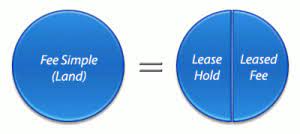
Fee simple ownership grants the highest level of ownership rights, often referred to as "complete" ownership. In this legal arrangement, the property owner not only possesses the structures on the land, including the home, but also full ownership of the land itself. This means that any increase in the property's value over time translates into equity for the owner. If they decide to sell the property at a higher price, they can retain the profit. However, if they sell the property at a loss, they are responsible for covering the difference.

When most people think of buying a home, they envision owning it "in fee simple." This form of ownership is the most common type of real estate ownership in the United States.

Leasehold Ownership:

Leasehold ownership, on the other hand, differs significantly from fee simple ownership. Under leasehold ownership, the individual owns the home or structure on the property but not the land itself. The land remains in the possession of another party, referred to as the "fee simple owner." In exchange for using the land, the leaseholder pays the fee simple owner a set amount of money, usually called "ground rent," for a specified period. This arrangement is sometimes referred to as a land lease or ground lease.

Leaseholders are not considered full owners but rather lessees since their ownership rights are temporary. Unlike fee simple properties, leaseholds do not build equity, and the fee simple owner retains significant control over the land and property.

Although the concept of leasehold properties might seem unfamiliar to those accustomed to fee simple ownership, it is relatively common in certain locations, such as Hawaii, California, New York, or within cities like Baltimore, Md. 

Leasehold vs. Rental Home:

While a rental home involves a landlord-tenant relationship where renters sign a lease agreement for a set period without buying any ownership, a residential leasehold property grants the lessee temporary ownership of the structure. However, this ownership comes with a price—the lessee must purchase the leasehold from the fee simple owner and pay ground rent for the land's use.

Leasehold ownership offers more control over the property compared to traditional renting, allowing the lessee to remodel and make changes without the landlord's permission. The leasehold term is typically longer than a typical rental agreement, often spanning 10, 25, or more years. Should the leaseholder decide to leave before the term ends, they would need to find a buyer to take over the remainder of the lease.

At the leasehold's expiration, all ownership rights revert to the original owner, unless the fee simple owner and lessee negotiate an extension or outright sale, in which case, the lessee may gain continued ownership.

Examples of Fee Simple and Leasehold Properties:

For instance, a fee simple ownership scenario might involve a homeowner listing their house in Colorado Springs for $425,000. Once a buyer submits an offer and the owner accepts, the buyer becomes the homeowner with full ownership of both the land and structures.

Conversely, a leasehold example could be a small condo in Honolulu listed at $200,000 as a leasehold. Comparable fee simple properties in the area may be listed for around $400,000. However, in this leasehold arrangement, the lessee would only have ownership of the condo for a limited 10-year period and would need to pay monthly lease rent and maintenance fees to the fee simple owner for using the land.

Fee Simple Interest vs. Leasehold Interest:

The term "interest" is used in legal, not financial, terms to refer to the owner's relationship with their investment. Fee simple interest signifies absolute ownership, where the owner possesses full and unrestricted rights to the property. On the other hand, leasehold interest refers to the limited and temporary ownership rights granted to the lessee under the leasehold arrangement.

Should You Consider a Leasehold?

Deciding between fee simple and leasehold real estate depends on individual financial situations and ownership goals. Leaseholds have their pros and cons—offering an affordable way to own a property for a specified period—but they come with obligations such as lease rent and potential challenges in selling the leasehold, especially if it nears expiration.

When unsure about which option to choose, seeking advice from Scott and the Smolen Team is wise. While they cannot make the decision for you, they can help analyze the numbers and clarify any confusion to aid you in making an informed choice.

July 30, 2023

Spruce Up Your Backyard with These 6 DIY Firepit Ideas

Enhance your backyard enjoyment with a DIY fire pit that will keep the fun going long after sunset. Selecting the perfect fire pit design may seem daunting, but we are here to help. Discover the key considerations, such as avoiding wet stones and ensuring proper drying of river rocks, when constructing your own fire pit. Get inspired by these fantastic DIY fire pit ideas that will transform your outdoor space into a warm and inviting seating area for those chilly nights.

1. Overlaid Stone DIY Fire Pit:

For an artistic and rustic look, opt for an overlaid stone fire pit. Instead of using even fire bricks, gather rough rocks and stack them in a circle about three rows high. Use larger rocks for the foundation and consider using non-flammable masonry adhesive for added stability. Line the bottom of the fire pit with paver sand and make sure to clear the surrounding area of grass or yard matter.

2. In-Ground DIY Fire Pit:

In-ground fire pits are gaining popularity among DIY enthusiasts. Before digging, be sure to call 811 to have underground lines, pipes, and cables marked for safety. Dig your fire pit to the desired size and line the dirt walls with stones or bricks. Create a bottom layer of gravel or lava rock and cover it with larger stones or bricks for the base. Consider adding a drain to prevent rainwater from accumulating.

3. Tin DIY Fire Pit:

Repurpose a barrel-shaped tin to create an all-in-one fire pit. Tin fire pits are safe and contained, making them ideal for windy areas. You can paint the tin barrel with high-heat paint and add stencils for a personalized touch.

4. Above Ground DIY Fire Pit:

If you prefer not to dig, an above-ground fire pit is an excellent option. Create a foundation with attractive gravel and stack even precut stones in a circular shape. This design allows you to build a large or small fire pit depending on your preferences. Add outdoor lights above the fire pit and decorate with flowerpots for a charming outdoor living space.

5. Raised DIY Fire Pit with Fire Bowl:

For an elevated fire experience, build up the fire pit walls and top them off with a fire bowl or fire pit table. Ensure that the fire bowl fits perfectly on the wall by building the first layer around its screen top. Look for a fire bowl with drainage holes and a stable foundation, such as lava rocks, to avoid water accumulation.

6. Grate Drum DIY Fire Pit:

For a casual and down-home look, consider adding a smoker fire basket (or vertical drum) to your DIY fire pit. You can buy one pre-made or create one using metal grating and bolts. Old washing machine drums are also a popular choice. Insert the drum into the center of your fire pit and ensure there is a drainage route for rainwater. Enhance your backyard with a DIY fire pit for endless fun, even after sunset. Discover the right fire pit design with ease and eliminate the challenges. Avoid pitfalls like wet stones and ensure the proper drying of river rocks. Building your own fire pit is a breeze when you consider these important factors. Get ready to transform your outdoor space into a cozy seating area for chilly nights with these fantastic DIY fire pit ideas.

July 29, 2023

Understanding Mortgage Buydown: A Smart Strategy for Lower Interest Rates

Purchasing a home involves not only the cost of the property itself but also the interest rate on your mortgage loan – the expense of borrowing money from your lender. In today's high-interest-rate environment, many homebuyers are witnessing a decline in their purchasing power, as monthly payments soar. While waiting for lower mortgage rates might seem tempting, it's not always a viable option. Thankfully, a potential solution to explore is a "mortgage buydown." By making a modest upfront payment, you can secure a lower mortgage rate and keep more money in your pocket each month.

What is a Mortgage Buydown?

A "mortgage buydown" is a financial agreement wherein the buyer, seller, or builder pays mortgage points (discount points) at closing to obtain a reduced interest rate. This one-time fee bridges the gap between the standard rate and the new, lower rate.

Mortgage buydowns come in various forms, depending on the lender and whether you prefer a permanent or temporary buydown rate.

Permanent Mortgage Buydown:

In this option, you buy a lower rate for the entire loan term during closing from your lender through discount points. The rate will remain constant and never increase.

Temporary Mortgage Buydown:

With a temporary mortgage buydown, your interest rates remain low for a specified period, after which they gradually increase. Common structures include "3-2-1 buydown" or "2-1 buydown."

Cost of Buying Down a Mortgage Rate:

A mortgage point typically equals 1% of the loan amount and generally reduces the interest rate by 0.25%. For example, one point could lower the mortgage rate from 6% to 5.75%. The exact rate reduction per point may vary between lenders.

Temporary Mortgage Buydown Arrangements:

3-2-1 Buydown:

In a 3-2-1 buydown, you pay lower interest rates for the first three years of the loan. In the first year, the rate is 3% less than the current rate, increasing by 1% each year for the next two years. From the fourth year onwards, the rate matches the initial rate.

Example:

Year 1: Interest rate 3% lower than the standard rate.

Year 2: Interest rate 4% lower than the standard rate.

Year 3: Interest rate 5% lower than the standard rate.

From Year 4 onwards: Interest rate equals the standard rate unless you sell or refinance.

2-1 Buydown:

Like the 3-2-1 structure, the 2-1 buydown provides a discounted rate for the first two years of the loan. The interest rate is 2% lower than the standard rate in the first year and 1% lower in the second year.

1-0 Buydown:

A 1-0 buydown entails a 1% reduction in interest rates only for the first year.

Advantages of Mortgage Buydown:

Sellers and builders can offer mortgage buydowns as incentives to attract buyers.

Buyers who intend to stay in the home for an extended period can benefit from the savings generated by a mortgage buydown.

It can help ease financial strain during the initial years of homeownership.

Reducing the interest rate early on can free up funds for other financial goals.

Determining the Breakeven Point:

The breakeven point is the time it takes to recoup the cost of discount points through reduced monthly payments. It depends on the loan term, interest rate, and loan amount. For example, if the breakeven point is 6.75 years, staying in the home beyond that period will prove financially beneficial.

Consult Your Mortgage Lender:

To find the best mortgage buydown arrangement or ascertain whether it suits your situation, consult your mortgage lender. They can help you navigate the complexities and make informed decisions to optimize your mortgage rate and savings.

Discover how a mortgage buydown can help you secure lower interest rates and increase affordability in the early years of owning a home. This valuable strategy is perfect for long-term homeownership and offers multiple buydown options to suit your needs. Calculate your breakeven point and make an informed decision that sets you up for a brighter future in your new home.

Posted in Mortgage Tips
July 28, 2023

Why Getting a Professional Property Survey is Essential When Buying Your New Home

Purchasing a new home is an exhilarating journey, filled with dreams of a brighter future and cherished memories. Amidst the excitement, it is essential not to overlook the significance of getting a professional survey of the property you plan to call home. A property survey is a valuable investment that offers numerous benefits and safeguards your interests as a homebuyer. In this blog post, we will explore why obtaining a survey of your property is an indispensable step in the home-buying process.

Identify Property Boundaries:

One of the primary reasons to get a property survey is to determine the exact boundaries of your land. Surveyors will analyze legal descriptions and physical markers on the ground to precisely establish where your property lines lie. Knowing the boundaries helps you avoid any potential boundary disputes with neighbors and ensures you are aware of the land you truly own.

Avoid Encroachments and Easement Issues:

Encroachments occur when structures, fences, or other improvements from adjacent properties cross into yours. These encroachments can lead to conflicts and costly legal issues down the road. A property survey can detect such encroachments, allowing you to address them with the seller or avoid the purchase altogether.

Similarly, property surveys identify easements, which are rights granted to others to use a portion of your property for specific purposes, like utility access. Understanding easements helps you anticipate any limitations on your property's use and potential restrictions on future renovations or developments.

Assess Property Improvements:

A thorough property survey includes a detailed examination of any structures, fences, or amenities present on the land. This assessment ensures that all improvements, such as buildings and decks, comply with local building codes and regulations. Additionally, it helps verify that these structures are situated within your property boundaries and don't encroach on neighboring land.

Evaluate Flood Zones and Zoning Regulations:

Surveyors can provide essential information about flood zones and zoning regulations that impact your property. Knowing whether your property is in a flood-prone area helps you prepare for potential risks and obtain appropriate insurance coverage. Zoning information allows you to understand the land's designated use, ensuring you comply with zoning laws for future construction or modifications.

Determine Land Topography:

Understanding the topography of your property is vital, especially if you plan to build, landscape, or engage in any outdoor activities. A survey provides information on elevations, slopes, and drainage patterns, helping you identify potential challenges or opportunities for your property.

Verify Property Dimensions and Acreage:

Property surveys provide accurate measurements of the land's dimensions and acreage, giving you a clear understanding of its size and boundaries. This information ensures that you are getting what you paid for and helps avoid discrepancies that could arise during the buying process.

Negotiation Power:

A survey can uncover property issues that were not apparent during the initial assessment, giving you leverage for negotiation. If the survey reveals concerns like encroachments or easements, you can discuss these matters with the seller and potentially renegotiate the terms or request repairs.

To safeguard your investment and find peace of mind, obtaining a professional property survey is crucial. By identifying property boundaries, preventing potential boundary disputes, and ensuring compliance with zoning regulations, a survey plays a vital role in your home purchase. Understanding encroachments, easements, and flood zones enables you to make informed decisions about your property. Additionally, the survey's accurate measurements and topographical data can provide valuable insights for future construction, landscaping, and other property-related projects. Investing in a property survey is a proactive and wise decision that empowers you as a homebuyer. It allows you to make informed choices and embark on your homeownership journey with confidence.

July 27, 2023

How to Calculate the Square Footage of a House

A house that sounds roomy and spacious online may have 800 of its total square feet contained in a four-foot-tall dirt-floor basement. What’s up with that? In cities like Washington DC, homebuyers are often confused about the square footage discrepancy between what is listed and what they see on tour.

So why can square footage information be misleading? It turns out the American National Standards Institute (ANSI) guidelines on how to calculate a home’s square footage may be considered the standard, but there are no official laws that govern this process. Since the rules are not governed, some listing agents just post their best guess on a home’s square footage. As a result, buyers and their agents often must investigate. In addition, some Multiple Listing Services (MLS) report all finished and unfinished square footage of a house as a single number, adding to the confusion.

If you love a home, does it matter if the 2,000 square foot charmer turns out to be 1,600 square feet? When it comes time for you to sell, 400 fewer feet in measurement can impact the price substantially, since square footage is used to determine a home’s market value. Read on to learn how to calculate the square footage of a house.

Understanding how the square footage of a house is measured

To understand how the square footage of a house is measured, start by referring to your city’s building department records. Many city and county records are now available online, which makes getting this information much easier than it used to be. Some updates – like unpermitted remodeling – may not be reflected in the records, but it will still provide a good baseline estimate.

Then, familiarize yourself with basic ANSI guidelines for calculating square footage for single-family homes. Practices can vary slightly from market to market, but these rules apply to most areas in the country:

• Below-grade spaces (basements, dens, etc.) do not usually count toward a house’s taxable square footage. Even a finished basement oftentimes can’t be counted toward a home’s Gross Living Area (GLA), but it can be noted separately in the listing’s total area. More on this below.

• The ANSI method specifies measuring from the exterior of the house, but the wall width is not usually subtracted to account for actual living space.

• Stairways and closet areas are included in the house’s square footage length.

• Finished attic square footage is included if an area has at least seven minimum feet of clearance.

• Covered, enclosed porches can only be included if heated and using the same system as the rest of the house.

• Garages, pool houses, guest houses, or any rooms that require you to leave the finished area of the main house to gain access are not counted in the square footage of a house.

How to calculate the square footage of a house: Three steps to follow

As a buyer it can be helpful to know how to calculate the square footage of a house yourself – just multiply the length and width of all applicable rooms in the home. All you’ll need to get started is a 100 sq ft tape measure, some graph paper, and a pencil.

1. Assign a unit of measure

Assign a unit of measure to each square on the paper (ex. 12 inches or a foot) and measure to the nearest tenth of a foot.

2. Pick a wall

Pick a wall and begin measuring the distance, making your way around the interior perimeter of the house in one direction, then drawing lines accordingly on the graph paper. Keep in mind that although ANSI guidelines specify measuring the exterior walls, measuring from the inside will give you a better idea of the actual livable area.

3. Look at your floor plan

Lastly, go back over your floor plan, multiply the rectangular areas, and add them all up to get your final number. If your calculation includes an area that is not permissible, don’t forget to subtract it out.

Does a basement count as square footage?

As a rule of thumb, basements usually do not count towards the taxable square footage of a house. For a basement to increase a home’s square footage, it must meet certain criteria to be considered livable space, and such criteria can vary between states. Your local county assessor’s office determines whether appraisers can choose what is considered square footage towards a home’s Gross Living Area. Below we highlight some of the most common criteria a basement may have to meet to be included in your home’s total square footage.

A portion of the basement is above-ground – Basements that are 100% below ground usually do not count towards the square footage of a house.

The basement is finished – Flooring, walls, lighting, and other features must be similar to the main living areas of a house.

The basement is heated and conditioned – You cannot use a space heater to heat up a basement.

The basement has legal ingress or egress – To account for safety, a legal escape point is necessary in case a fire breaks out. This could be an egress window or walkout door that leads to the outside.

Get in touch with Scott Smolen or appraiser to best understand if your basement can be counted towards the square footage of your home.

A final word on square footage

Be aware that condominiums have fewer established rules and no ANSI guidelines. To start, you can visit your city’s building department and ask them to pull the home’s plans and permits for the property; all builders are required to include square footage for each unit. If that info is hard for you to get, you may want to hire an appraiser. If you are a seller, it’s best to pay an appraiser to provide a square footage assessment, so your listing is as accurate as possible. Finally, consult an agent. Agents usually see dozens of homes a week and have a good spatial sense and can often give you a ballpark estimate of any home in question.

Finally, remember that while square footage is important to your home value, don’t focus on it at the expense of style or your emotional response. Do you like the design and floor plan? How about the location? Are there rooms you absolutely love? Numbers are important, but they are no substitute for the intangibles that make a house feel like a home.

July 25, 2023

Mortgage Rates Decline, but Uncertainty Persists: A Market Analysis

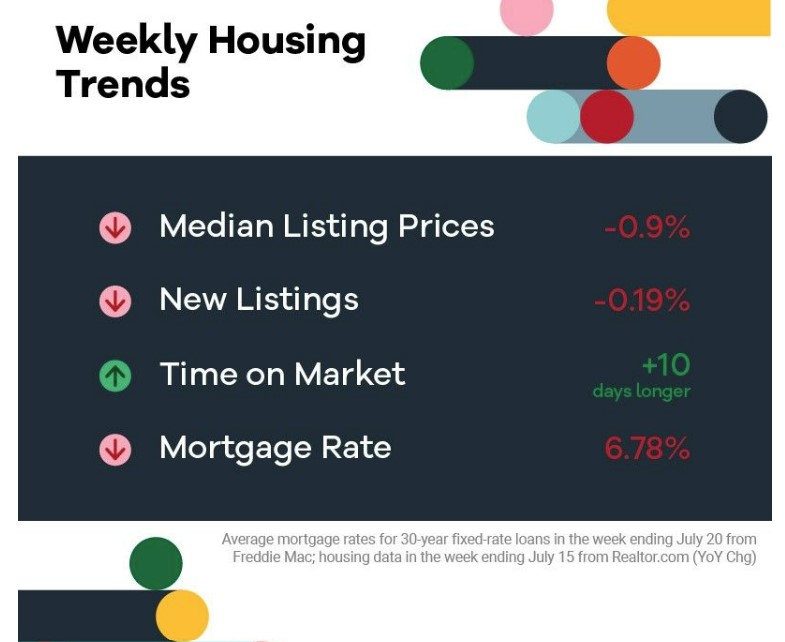
Amid a challenging year for homebuyers, characterized by soaring mortgage rates, exorbitant home prices, and a scarcity of real estate listings, there appears to be a glimmer of hope. Recent data from Freddie Mac reveals that mortgage rates for 30-year fixed-rate loans dropped to 6.78% in the week ending July 20, providing some much-needed relief from the previous week's high of 6.96%, the highest since November 22.

However, the latest rate drop might not be cause for unbridled optimism just yet. According to Realtor.com® Chief Economist Danielle Hale, recent inflation data indicates the possibility of an additional rate hike by the Federal Reserve in the coming weeks, which could lead to mortgage rates rising once again.

Despite this uncertainty, there are positive developments in the housing market. Buyers can celebrate the fact that mortgage rates have fallen from their 20-year high of 7.08% in October. Additionally, median home prices have experienced a decline for six consecutive weeks, with a 0.9% drop compared to last year in the week ending July 15. While the decline in prices is encouraging, it has been relatively modest, with the median asking price stuck at $445,000 in June, only 1% lower than the all-time high in June 2022.

The relationship between mortgage rates and housing inventory is vital in understanding market dynamics. Tight inventory conditions contribute to buoyed home prices. The overall housing inventory has decreased for four consecutive weeks, with a 6% decline in the number of for-sale homes compared to the previous year. This tight supply is exacerbated by the reluctance of sellers to give up their current low-interest mortgages if they decide to move. Consequently, the stock of homes for sale is expected to decline by 5% for the year.

However, there are some encouraging signs amid the housing supply constraints. The week ending July 15 saw a notable increase in newly listed homes, with 102,000 fresh listings hitting the market— the highest level in five weeks. Although the shortage of real estate listings persists, the decline in new listings has slowed down, offering homebuyers more options at slightly lower price points. Still, it remains uncertain whether these positive trends will continue.

The market's pace of home sales has also undergone a significant shift, with homes now spending an additional 10 days on the market compared to the same period last year. This marks a full year of slower home sales. However, prospective buyers shouldn't be complacent, as strong demand continues to outpace supply, resulting in quicker home sales compared to pre-pandemic levels despite the affordability challenges posed by high home prices and mortgage rates.

While mortgage rates have experienced a recent decline, the future remains uncertain due to potential Fed rate hikes. Buyers must navigate a challenging market with tight housing inventory and persistent high home prices. The recent improvements in listing activity and a slower pace of home sales offer a glimmer of hope, but caution should be exercised as market dynamics may continue to shift.

July 24, 2023

Summer is Here - Heading to the Shore, Hun?

There is a reason that Maryland is often referred to as "America in Miniature". From the state capital of Annapolis, you can be in the mountains in the Western part of the state, or on the beaches of the Atlantic Ocean within a couple of hours depending on which way you drive. Today, we will take a look at the popular vacation spot of Ocean City, Md.

Welcome to Ocean City, Maryland, a delightful coastal haven that draws visitors from near and far with its sandy shores, vibrant boardwalk, and endless array of activities. Nestled along the Atlantic Ocean on the eastern shore of the United States, Ocean City has been a favorite destination for families, beach lovers, and thrill-seekers alike. Let's take a closer look at what makes this city a must-visit spot and what you can expect during your stay.

1. The Mesmerizing Beaches:

Ocean City's biggest draw is undoubtedly its pristine beaches. Miles of sandy coastline stretch out before you, inviting you to bask in the sun, build sandcastles, or take refreshing dips in the ocean waves. Whether you're a beach bum looking to relax or an adventurer eager to try water sports, Ocean City has it all. Surfing, paddle boarding, parasailing, and boogie boarding are just a few of the activities available for thrill-seekers.

2. The Iconic Boardwalk:

Ocean City's iconic three-mile-long boardwalk is a vibrant hub of activity. Stroll along its wooden planks and discover an assortment of shops, amusement parks, arcades, and restaurants. Indulge in saltwater taffy, savor some mouthwatering seafood, or treat yourself to famous Maryland crab cakes. The boardwalk also hosts events and entertainment throughout the year, creating a lively and festive atmosphere.

3. Assateague Island National Seashore:

Just a short drive from Ocean City lies Assateague Island National Seashore, a paradise for nature lovers. The island is famous for its wild ponies that roam freely along the beach and marshlands. Explore the nature trails, spot various bird species, and take in the breathtaking views of untouched landscapes. Don't forget your camera, as Assateague Island offers plenty of opportunities for wildlife photography.

4. Water Sports and Fishing:

With the Atlantic Ocean at your doorstep and the nearby bays and inlets, Ocean City is a haven for water sports enthusiasts and anglers. Charter a fishing boat for a thrilling deep-sea fishing adventure or opt for a relaxing day of bay fishing. If you prefer a more leisurely experience, rent a kayak or paddleboat and explore the serene coastal waters.

5. Family-Friendly Activities:

Ocean City is a fantastic destination for families. In addition to the beach and boardwalk, you'll find an abundance of family-friendly attractions such as mini-golf courses, water parks, and museums. Jolly Roger Amusement Park is a particular favorite among kids and adults alike, featuring thrilling rides and a water park to beat the summer heat.

6. Festivals and Events:

Throughout the year, Ocean City hosts a variety of festivals and events that add to the city's charm. From the Springfest and Sunfest celebrations featuring live music and arts and crafts, to the Ocean City Air Show, there's always something exciting happening in this coastal paradise.

7. Culinary Delights:

Foodies will be delighted with the culinary offerings of Ocean City. As a coastal town, it's no surprise that seafood is a highlight here. From crab cakes and steamed crabs to fresh fish and oysters, your taste buds are in for a treat. But don't worry if seafood isn't your preference; Ocean City has a diverse range of restaurants serving up everything from international cuisine to classic American fare.

8. Sunsets by the Bay:

As the day winds down, head to one of the city's waterfront restaurants or find a quiet spot along the bay to witness breathtaking sunsets. The combination of the setting sun, gentle waves, and the distant sound of seagulls creates a picturesque scene that will stay etched in your memory.

Ocean City, Maryland, is a coastal gem that offers a perfect blend of relaxation, adventure, and family-friendly fun. Whether you're seeking a laid-back beach vacation or an action-packed getaway, this vibrant city has something to offer every type of traveler. So pack your bags, put on your flip-flops, and get ready to create unforgettable memories in the captivating Ocean City.

July 23, 2023

Exploring Nature's Beauty: A Cycling Adventure on the BWI Trail

Although the summer temperatures have arrived, it is a great time to get out and exercise if you can beat the heat.  I really have enjoyed cycling in the area.  When Covid arrived and gyms were closed, I personally took up cycling.  I found that there are some great trails in the area and this is one of my favorites.  Many people also walk and jog on this trail too.   

Nestled in the picturesque landscape of Maryland, the BWI Trail offers an unparalleled cycling experience that combines the thrill of biking with the tranquility of nature. Join us as we embark on a memorable journey, exploring the sights, sounds, and hidden treasures of the BWI Trail.

  • A Brief Introduction to the BWI Trail

The BWI Trail, also known as the Baltimore & Annapolis Trail or the BWI Airport Trail, is a 12.5-mile multi-use trail that winds its way through the beautiful surroundings of Anne Arundel County, Maryland. Spanning from Glen Burnie to Annapolis, this former rail trail provides cyclists, joggers, and pedestrians with an accessible route to connect with nature and escape the urban bustle.

  • Biking through Natural Splendor

As you set off on your two-wheeled adventure, prepare to be enchanted by the trail's breathtaking beauty. The route meanders through lush greenery, mature trees, and tranquil water bodies, offering a serene respite from the hustle and bustle of city life. The sights and sounds of nature will accompany you throughout the journey, creating a soul-soothing experience that's perfect for nature lovers and cycling enthusiasts alike.

  • A Glimpse of Wildlife

Keep your eyes peeled as you cycle along the BWI Trail, for you might be treated to a delightful encounter with Maryland's diverse wildlife. The trail is home to a variety of bird species, including red-winged blackbirds, blue herons, and warblers. If you're lucky, you might even catch a glimpse of a majestic deer or a playful squirrel scampering through the woods.

  • History Comes Alive

The BWI Trail offers more than just natural wonders; it also weaves through fascinating historical landmarks that tell the tale of Maryland's past. As you cycle along, take a moment to explore the remnants of old rail stations and bridges that harken back to the days when trains chugged along these tracks. These historical points of interest add a layer of intrigue to the journey, making it a captivating experience for history enthusiasts as well.

  • A Welcoming Community

One of the most heartwarming aspects of cycling on the BWI Trail is the sense of community you'll encounter. Cyclists and joggers of all ages and backgrounds come together to share their love for the outdoors and enjoy the trail's offerings. You'll find fellow enthusiasts to exchange friendly nods and smiles as you pass each other by, fostering a warm and welcoming atmosphere that enhances the overall experience.

  • A Healthy Escape

Beyond the stunning scenery and historical charm, cycling on the BWI Trail provides an opportunity for physical exercise and mental rejuvenation. Engaging in outdoor activities like cycling has been proven to reduce stress, improve cardiovascular health, and boost overall well-being. So, pedal away your worries as you immerse yourself in the soothing embrace of nature.

  • Conclusion

As our cycling adventure on the BWI Trail comes to a close, we leave with hearts full of fond memories and a deep appreciation for the natural beauty that Maryland has to offer. From the enchanting wildlife to the captivating history and the sense of community that envelopes the trail, every moment spent here feels like a gift to the soul. If you're a nature enthusiast seeking a thrilling yet serene escapade, or a cycling enthusiast looking for a new trail to conquer, the BWI Trail is the perfect destination for you. So, gear up, hop on your bike, and get ready for an unforgettable experience on the scenic BWI Trail! Happy cycling!

July 22, 2023

Growing Abundance: The Complete Vegetable Planting Guide for Maryland's Seasons

Do you have a vegetable garden?  Are you thinking about growing some of your own vegetables this year?  It is not too late to get started, or to rotate some of your crops.

Maryland's diverse climate offers an excellent opportunity for gardening enthusiasts to cultivate a wide variety of vegetables throughout the year. However, to maximize your harvest and ensure successful growth, it's essential to follow a well-planned planting schedule. This vegetable planting guide will walk you through the optimal time frames for planting different vegetables in Maryland, taking into account its unique climate and seasonal changes. Let's get started!

1) Spring Planting (March - April):

As the last frost date in Maryland typically falls around mid to late March, this is the ideal time to kick-start your spring garden. Cool-season vegetables thrive during this period and can tolerate mild frost. Consider planting the following:

  • Lettuce: Varieties like Butterhead and Romaine do well in the cool temperatures of early spring.
  • Spinach: This nutrient-packed green loves the cool weather and grows rapidly.
  • Peas: Snap peas and shelling peas can be planted directly into the ground.
  • Radishes: These quick-growing root vegetables add a delightful crunch to salads.

2) Early Summer Planting (May - June):

As temperatures rise and the threat of frost diminishes, it's time to transition to warm-season crops. Plant these vegetables for a bountiful early summer harvest:

  • Tomatoes: Transplant young tomato plants after the last frost for delicious, homegrown tomatoes.
  • Cucumbers: They thrive in the warm weather of late spring and early summer.
  • Bell Peppers: Start these from seed indoors and transplant once the threat of frost has passed.
  • Zucchini and Summer Squash: These prolific growers flourish in the warmth of early summer.

3) Mid-Summer Planting (July):

In July, Maryland experiences the peak of summer heat. While it might be challenging to plant some vegetables during this time, consider these heat-tolerant options:

  • Beans: Bush beans and pole beans can be sowed directly into the ground.
  • Sweet Potatoes: Start slips (young plants) indoors and transplant them in July for a fall harvest.

4) Fall Planting (August - September):

As the weather begins to cool down in late summer and early fall, it's time to prepare for a second growing season. Take advantage of Maryland's extended growing season by planting the following:

  • Broccoli: Transplant seedlings in mid to late August for a fall harvest.
  • Carrots: Enjoy sweet and tender carrots by planting them in late summer.
  • Beets: These root vegetables thrive in cooler temperatures and add a burst of color to your fall garden.
  • Kale: A cold-hardy leafy green that tastes even better after a light frost.
  • Swiss Chard: Plant in late summer for continuous harvest through the fall.

Conclusion:

With its varying climate, Maryland offers gardeners the chance to grow vegetables year-round. By following this comprehensive vegetable planting guide, you can optimize your garden's productivity and enjoy a diverse array of homegrown produce. Remember to consider your specific location within Maryland, as microclimates can influence planting dates. Happy gardening and savor the rewarding experience of nurturing your vegetables from seed to table!

July 21, 2023

A Comprehensive Handbook for Starting Your Real Estate Investment Journey

Looking to diversify your portfolio and generate passive income? Real estate investing is a popular choice to build wealth. Whether you're a beginner or not, this comprehensive guide will equip you with the knowledge and skills to enter the real estate market, become a successful investor, and achieve your financial goals. Let's get started on the right path for successful real estate investors among you.

Why Investing in Real Estate Makes Sense

Investing in real estate offers numerous advantages for investors, depending on market conditions. Here's why it can be a smart decision:

Hedge against inflation: Real estate is a popular strategy for keeping up with inflation, as home prices and rental income tend to rise with it.

Diversify your portfolio: Real estate can help reduce volatility in your investment portfolio since home prices fluctuate less than stocks and other asset classes.

Potential asset appreciation: While past performance is not a guarantee of future returns, real estate values tend to increase over time, making it a stable long-term investment for growth. Beyond these financial benefits, real estate investing also appeals to people for psychological and emotional reasons: Tangible investment: Investing in properties allows for a hands-on experience in property management and rehabilitation, providing a more concrete and satisfying investment experience compared to analyzing charts and reports.

Flexible options: Real estate investing can be done on a part-time or full-time basis, offering the opportunity to generate extra income or pursue a career in the industry.

Accessibility: Unlike in the past, modern investment options like real estate investment trusts (REITs) make it possible for individuals to enter the stock market even with limited funds, lowering the barrier to entry.

With these advantages in mind, real estate investing presents an easy and attractive opportunity for those looking to invest their money wisely.

House Flipping

House flipping is the art of buying low and selling high after making improvements. Find distressed properties and increase their value through repairs. Whether it's a new carpet or a brand-new roof, these upgrades can significantly enhance the property's worth.

Profit from house flipping by focusing on the future potential value. After all renovations and upgrades, the after-repair value (ARV) represents the new expected worth. Calculate your profit by deducting selling costs, purchase price, repair expenses, and carrying costs like utilities, insurance, and HOA fees. Wise investors always crunch the numbers before committing.

Keep in mind that your money may be tied up for a period, depending on the duration of ownership. Consider the investment timeframe carefully.

Use the BRRRR Method (Buy, Rehab, Rent, Refinance, Repeat)

This strategy centers around a property manager buying undervalued rental properties that can be upgraded to skyrocket their market value. Imagine purchasing a property for a steal, like $120,000, while neighboring homes are valued at $150,000 to $200,000.

Want to learn more? Dive into our detailed step-by-step guide on how to kickstart your BRRRR journey.

Here's how it works: Once you've revamped the property to enhance its appeal, you can list it for rent. Once you secure a tenant, you can refinance the rental property, based on its newly elevated market value. This cleverly becomes a form of house hacking, allowing you to use the funds to invest in another property and repeat the BRRRR process.

With the BRRRR method, you can potentially earn money from the increased property value post-renovation, rental income, and the prospect of property value appreciation over time. This influx of cash generating rental income can greatly impact on your available funds and overall net worth from your investments.

However, be aware that the real estate and housing markets can go through periods of depreciation, which can influence your return on investment. Stay informed and tread cautiously.

Wholesaling

Wholesale real estate is your ticket to profit by connecting sellers and buyers, all without needing a real estate license.

There are three main categories in real estate wholesaling:

1. Land wholesaling: A lucrative opportunity to buy and maintain undeveloped land with tax benefits for rental property owners like low property taxes.

2. Residential wholesaling: Focus on single-family homes, condos, townhomes, and multifamily properties. Secure a purchase contract with sellers and find buyers who will pay a fee to take over the contract.

3. Commercial wholesaling: Dive into the world of commercial real estate, selling buildings, strip malls, apartments, and office spaces. The process is like residential real estate wholesaling.

Invest in Real Estate Funds and REITs

Invest in real estate without needing a large sum of money! A real estate investment trust (REIT) is the perfect opportunity to earn passive income. You can easily start investing by purchasing shares in publicly used exchange traded funds of REITs or real estate funds like mutual funds or ETFs.

REITs offer specialized investments in various types of real estate, such as multifamily properties, healthcare facilities, or commercial buildings. The best part is you can start with a small investment and gradually increase it over time.

To ensure your investment is secure, some REITs and funds are regulated by the U.S. Securities and Exchange Commission (SEC). This means you have added protection against potential fraud.

Real Estate Crowdfunding

Discover exciting investment opportunities in real estate through crowdfunding platforms. These platforms allow individuals to pool their money and invest in projects such as commercial buildings and rental properties.

Check out some examples of online real estate platforms below:

1. CrowdStreet: Accredited investors can join this platform to pool their resources and access a variety of commercial real estate investment options. With a minimum investment of approximately $25,000, you can diversify your portfolio.

2. Ark7: Experience hassle-free rental real estate by investing with this online platform. By purchasing shares of rental properties, you can skip physical property visits and in-person renter management. Get started with as little as $20 - no accreditation required.

3. CollabHome: If investing in student housing interests you, CollabHome is a great choice. With just $500, you can own shares of student housing real estate and earn potential monthly dividends while positively impacting the lives of students.

4. Fundrise: Explore a wide range of investment opportunities in commercial and residential properties through eREITs and eFunds. With a minimum investment of $10, Fundrise welcomes all investors, regardless of accreditation status.

5. DiversyFund: Join DiversyFund with only $500 and gain access to crowdfunded REITs and multi-unit commercial properties. No accreditation is required, making it a fantastic option for new investors.

How Do You Fund Your Investing?

Are you a new investor in real estate? Don't worry, we've got you covered. Here are the steps you need to take to build up your funds and start buying properties.

First things first, you'll need some money to really invest in real estate. If you don't have an established real estate business or experience, getting a bank loan might be challenging. But don't worry, there are other options available to you.

Depending on the type of investment you want to do and your financial situation, different funding sources may be suitable for you. Let's explore some of them:

1. Personal savings: Your own money is often the cheapest source of financing. Having cash set aside allows you to act quickly and avoid interest charges. This is great for quick deals like wholesaling.

2. Conventional loans and government programs: If you plan to live in the property you purchase, conventional mortgages and government programs are viable options. Conventional mortgages can be obtained from credit unions or banks, while government programs like FHA and VA loans have their own eligibility criteria. Just remember that if your down payment is less than 20% of the home’s value, you'll need to pay mortgage insurance premiums. Use a mortgage calculator to plan accordingly.

3. Financing with a mortgage broker: Working with a mortgage broker gives you access to multiple lenders and the best deals. Online websites like Rocket Mortgage can also help with this.

4. Home equity loan or line of credit: If you already own a property, you can tap into its equity to fund your investment property purchases. A home equity line of credit (HELOC) is often more flexible and economical than a home equity loan.

5. Personal loans and lines of credit: These unsecured financing options give you the flexibility to act quickly without waiting for appraisals or underwriting approvals. Personal loans have set monthly payments, while personal lines of credit only require payments when you've withdrawn money.

6. Seller/owner financing: If you can't get approved for bank financing, this option allows you to make payments directly to the property owner. While the interest rate may be higher, you'll avoid many of the fees charged by banks.

7. Credit cards: Use them to cover expenses like repairs, utilities, and insurance. Depending on your credit score and the cards you qualify for, you may be eligible for rewards or 0% APR promotional offers. 8. Hard money loans: When you choose a hard money loan, you can expect to pay two-to-four points, with one point equivalent to 1% of the loan amount. Additionally, interest rates typically range from

8% to 14%. These rates are generally higher compared to other funding options. These types of loans often come with a relatively short repayment term as well.

How to Find Your First Property

In the world of real estate, location is key. But if you want to make profitable investments, there are other factors to consider as well. Successful investors rely on multiple sources to find the best real estate deals around. One option is to work with a real estate agent like Scott and the Smolen Team who have access to the local market knowledge and the exclusive Multiple Listing Service (MLS). Online sites like Zillow and Redfin try to replicate the MLS, but they don't have the same level of data.

Auctions are another avenue for finding potential deals. Properties may be sold at auction because they are not in ideal condition for listing on the MLS. There are different types of auctions, such as tax lien auctions, trust auctions, government auctions, and foreclosure auctions.

Participating in an auction typically requires a deposit and the ability to pay for your winning bid shortly after the auction ends. If you need bank financing, an auction may not be the best route. It's crucial to conduct thorough research on auction properties to ensure there are no hidden liens and you may not have access to the property before bidding. Once the sale is final, you can't back out if issues arise. The risks are high, but the potential for profit is also great.

Lastly, wholesalers are a valuable resource for finding investment properties. They are always in search of buyers and can connect you with opportunities that meet your specific criteria. By considering these various avenues, you can maximize your chances of finding profitable real estate investments.

Real Estate Investing Mistakes to Avoid

While there's no one-size-fits-all approach, there are certain mistakes you should avoid increasing your chances of success. Learning from others and having a mentor or connections in the industry can provide valuable knowledge. Here are some common real estate investing mistakes to steer clear of:

1. Following the crowd: Don't rely on speculation and hope for property appreciation. It's important to have a solid strategy in place.

2. Paying market value: Look for great deals or distressed properties below market value to maximize profit potential.

3. Getting too attached: Stay level-headed and approach each deal with a business mindset. Even if a deal seems perfect, do your due diligence.

4. Neglecting due diligence: Crunch the numbers in detail to assess whether a deal is truly worthwhile. Consider cash flow, repair costs, and market demand.

5. Investing too many personal funds: Separate personal and business finances and maintain a reserve fund to mitigate risk.

6. Lack of exit strategies: Be prepared for unexpected outcomes by having multiple contingency plans. If a house flip doesn't go as planned, have alternatives like wholesaling or buy-and-hold strategies.

7. Going it alone: Real estate investing is a team effort. Build a network of professionals to rely on for finding deals, partnerships, and expert advice.

By avoiding these mistakes and adopting a well-informed approach, you can increase your chances of success in the world of real estate investing.

Good Books to Get You Started Looking to expand your reading list with real estate investing books? These titles cover everything in real estate investing business from the basics to advanced strategies. Here are some recommendations to kickstart your journey:

1. "The Book on Investing in Real Estate with No (and Low) Money Down" by Brandon Turner: Learn how to think like an investor and make the most of your finances by leveraging other people's money.

2. "Building Wealth One House at a Time" by John Schaub: Discover Schaub's proven methodology for buying properties, earning money, and replicating successful results. Perfect for beginners!

3. "The E-Myth Real Estate Investor" by Michael Gerber: Gain a fresh perspective on real estate investing and learn about strong business practices and real estate investing guide and frameworks that can set you up for success.

4. "The Real Estate Rehab Investing Bible" by Paul Esajian: If flipping houses is your preferred strategy, this book is must-read. Esajian shares a proven-profit system for finding, funding, fixing, and flipping houses without getting your hands dirty.

5. "The Real Estate Wholesaling Bible" by Than Merrill: Wholesaling is hailed as the best strategy for beginner real estate investors. This book shows you how to turn it from a side hustle into a full-fledged real estate business. Merrill provides valuable advice on finding funding and breaking into challenging markets.

Real Estate Investing: The Bottom Line

If you are considering real estate investing, it can be a great opportunity, but it's important to weigh the pros and cons before diving in.

There are several benefits to investing in property. You can potentially see its value increase over time, earn income from renters, and enjoy tax benefits, such as deductions for first-time homeowners. However, buying a property can be expensive, and finding the right one in certain markets can be challenging. There's also the possibility of dealing with repairs and other issues that may arise.

If you're ready to start your investing journey, reach out to Scott today! We're here to guide you and assist you every step of the way. When it comes to real estate investing, education is important, but don't get stuck in analysis paralysis. It's unlikely that you'll find the perfect deal, so don't wait for it.

To help you begin, here's a handy checklist:

1. Determine your real estate investment group or strategy - decide if you want to flip properties, buy rentals, or do wholesale deals.

2. Choose the type of properties you want to focus on - such as land, residential, or commercial or real estate projects.

3. Decide on the location - remember, you don't have to invest where you live.

4. Build your network and find potential properties.

5. Plan how you'll finance your investments.

6. Set a timeline for your first deal.

7. Consider what outcome would make you happy with your first investment.

Remember, the best way how to start real estate investing is by acting, learning as you go, and seeking advice along the way. Don't hesitate to reach out to Scott and the Smolen Team for assistance - we're here to help you make your real estate investing dreams a reality!