As you scroll through real estate listings, you stumble upon a house that seems like a steal—it looks just like others in the area, but it is priced $100,000 less. Curiosity piqued, you notice the term "leasehold" or "ground rent" in the listing, which you have not encountered before. Is it too good to be true? Let's delve into the key distinctions between fee simple and leasehold ownership to find out.
Fee Simple Ownership:
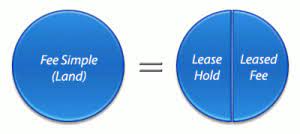
Fee simple ownership grants the highest level of ownership rights, often referred to as "complete" ownership. In this legal arrangement, the property owner not only possesses the structures on the land, including the home, but also full ownership of the land itself. This means that any increase in the property's value over time translates into equity for the owner. If they decide to sell the property at a higher price, they can retain the profit. However, if they sell the property at a loss, they are responsible for covering the difference.
When most people think of buying a home, they envision owning it "in fee simple." This form of ownership is the most common type of real estate ownership in the United States.
Leasehold Ownership:
Leasehold ownership, on the other hand, differs significantly from fee simple ownership. Under leasehold ownership, the individual owns the home or structure on the property but not the land itself. The land remains in the possession of another party, referred to as the "fee simple owner." In exchange for using the land, the leaseholder pays the fee simple owner a set amount of money, usually called "ground rent," for a specified period. This arrangement is sometimes referred to as a land lease or ground lease.
Leaseholders are not considered full owners but rather lessees since their ownership rights are temporary. Unlike fee simple properties, leaseholds do not build equity, and the fee simple owner retains significant control over the land and property.
Although the concept of leasehold properties might seem unfamiliar to those accustomed to fee simple ownership, it is relatively common in certain locations, such as Hawaii, California, New York, or within cities like Baltimore, Md.
Leasehold vs. Rental Home:
While a rental home involves a landlord-tenant relationship where renters sign a lease agreement for a set period without buying any ownership, a residential leasehold property grants the lessee temporary ownership of the structure. However, this ownership comes with a price—the lessee must purchase the leasehold from the fee simple owner and pay ground rent for the land's use.
Leasehold ownership offers more control over the property compared to traditional renting, allowing the lessee to remodel and make changes without the landlord's permission. The leasehold term is typically longer than a typical rental agreement, often spanning 10, 25, or more years. Should the leaseholder decide to leave before the term ends, they would need to find a buyer to take over the remainder of the lease.
At the leasehold's expiration, all ownership rights revert to the original owner, unless the fee simple owner and lessee negotiate an extension or outright sale, in which case, the lessee may gain continued ownership.
Examples of Fee Simple and Leasehold Properties:
For instance, a fee simple ownership scenario might involve a homeowner listing their house in Colorado Springs for $425,000. Once a buyer submits an offer and the owner accepts, the buyer becomes the homeowner with full ownership of both the land and structures.
Conversely, a leasehold example could be a small condo in Honolulu listed at $200,000 as a leasehold. Comparable fee simple properties in the area may be listed for around $400,000. However, in this leasehold arrangement, the lessee would only have ownership of the condo for a limited 10-year period and would need to pay monthly lease rent and maintenance fees to the fee simple owner for using the land.
Fee Simple Interest vs. Leasehold Interest:
The term "interest" is used in legal, not financial, terms to refer to the owner's relationship with their investment. Fee simple interest signifies absolute ownership, where the owner possesses full and unrestricted rights to the property. On the other hand, leasehold interest refers to the limited and temporary ownership rights granted to the lessee under the leasehold arrangement.
Should You Consider a Leasehold?
Deciding between fee simple and leasehold real estate depends on individual financial situations and ownership goals. Leaseholds have their pros and cons—offering an affordable way to own a property for a specified period—but they come with obligations such as lease rent and potential challenges in selling the leasehold, especially if it nears expiration.
When unsure about which option to choose, seeking advice from Scott and the Smolen Team is wise. While they cannot make the decision for you, they can help analyze the numbers and clarify any confusion to aid you in making an informed choice.