Scott Smolen Maryland real estate blog with market updates, community spotlights, and home buying tips

Maryland Real Estate Blog

Scott Smolen's Anne Arundel County and Bowie, Md. Real Estate Blog

Local real estate updates, market insights, community spotlights, and practical home buying and selling advice for Odenton, Gambrills, Crofton, Bowie, Piney Orchard, Two Rivers, and the surrounding Maryland real estate market.

Latest Market Trends

Stay current on mortgage rates, local inventory shifts, pricing trends, and buyer demand across the Maryland real estate market.

Home Selling Advice

Learn how to prepare, price, market, and negotiate when selling a home in today’s local market.

Home Buying Tips

Get practical guidance on affordability, inspections, offers, financing, and buying with confidence.

Community Spotlights

Explore local neighborhoods, market reports, lifestyle features, and community insights throughout the area.

Nov. 7, 2024

Understanding HOA Fees: What Are They and Are They Worth It?

By Teri Silver

Buying that dream house is part of your long-term financial plan. Whether in an older neighborhood or an area full of new builds, your new home may be part of a homeowners’ association (HOA). What does an HOA do, what are the fees involved, and are HOA fees worth the expenditure?

House hunting has gotten easier now that the internet lets us view potential homes virtually. Finding the right real estate agent is the first step to learning about HOAs, and whether they’re all that different from, say, apartment or condominium fees.


HOA Basics

Homeowners’ association fees are the amounts of money for monthly maintenance and improvements in community spaces and the neighborhood. HOA fees are almost the same thing as condominium fees (for condo owners) but they are mostly used for outdoor maintenance costs.

HOAs enforce rules for residents and their properties. Often called “planned communities,” buyers who purchase a home in condo buildings, townhomes, and subdivisions automatically become members of the HOA and are expected to pay fees. Homeowners’ associations are run by an HOA board of directors, whose (volunteer) jobs are to, among other things, collect fees, arrange for maintenance, pay bills, arrange budgets, and make decisions about the community.


Rentals and Condos

HOA properties are owned by the residents who buy them, but there may be houses purchased for renting, too. Depending on the laws where you are, rental property owners may get a tax deduction for lawn care.

Condominiums and their fees are much like HOA fees—they mostly pay for maintenance and repairs. But unlike HOA income, condo fees aren’t so invested in curb appeal because everyone lives in the same building.


HOA Fees

Actual fees for belonging to a homeowners’ association depend on the location, community amenities, and maintenance program for the neighborhood. Homeowners are charged monthly, typically anywhere from $200 to $400 a month, but they could be as much as $1,000 monthly. (These fees are in addition to your monthly rent or mortgage). Fee hikes are at the discretion of the HOA board. Tip: include HOA fees (on a sliding scale) with your household budget and mortgage layout.

Your HOA fees go toward paying for trash pickup, operating costs, and maintenance (for the community pool, spa, fitness center, pickleball and tennis courts, etc.). Reserve funds are often set up for emergency repair expenses and long-term projects. HOA Rules Before you buy in an HOA neighborhood, here are some “typical” rules to note. Known as “covenants, conditions, and restrictions,” these varying rules tell buyers how they can use their property. Rules may include the color of the house’s exterior, the type of fencing allowed, the number of vehicles allowed on the property, and landscaping requirements. Other possible requirements?

● What kind of pets you can keep

● Whether you can rent out the property

● When to put out the trash and where to place the receptacles

● How to maintain the home’s exterior

● The number or type of construction add-ons for the house

● Noise and odor restrictions


HOA Pros

Buying a house in a location with a homeowners’ association does have its advantages. Homeowners’ associations are responsible for caring for public spaces, like clubhouses, gardens, community swimming pools and walkways, and landscaping around street and neighborhood entrances.

In a HOA community, residents can enjoy neighborhood playgrounds, tennis courts, dog parks, swimming pools, gardens, and community gathering centers. HOAs have rules that keep neighbor “mischief” at a minimum. HOA members can help to foster cooperation between disagreeing neighbors.

HOAs have meetings, parties, and community events for social interaction.

HOA property values stay marketable.


HOA Cons

For some people, a homeowners’ association just isn’t a way to go. Disadvantages to HOAs are the restrictions themselves. Some homeowners don’t want to be under scrutiny as to what they can and cannot do to the outside of their home. Restrictions may include how high a fence can be, what kind of fertilizer to use, and the kinds of plants you can grow in the yard.

Violating HOA rules may lead to fines, disallowing use of amenities and services, and lawsuits. Another con for HOAs is the monthly fee, which can be out of budget for many homeowners.

Is a homeowners’ association worth the expense and restrictions? That’s up to each home buyer. There are good reasons to buy in a HOA neighborhood, but before you do, request a copy of the HOA rules. (If the rules are listed online, print them off to be sure they are the same as when you’ve read them). Before buying a home, remember that HOA rules are a contract—consult a lawyer to fully explain the rules and your legal obligations.


Teri Silver is a journalist and outdoor enthusiast. She and her husband live on 5 acres with a vast lawn, three gardens, a farm, a pond, many trees, and a lot of yard work! The best parts of the year are summer and fall when home-grown veggies are on the dinner table.


 

Nov. 4, 2024

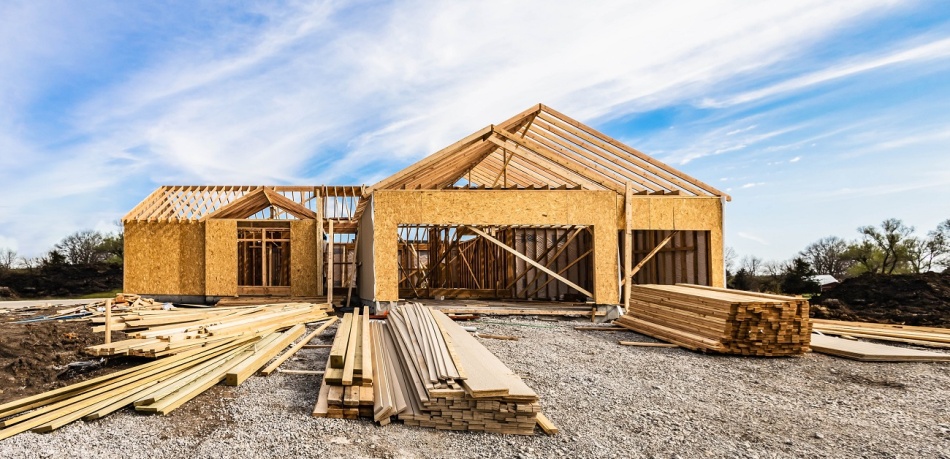
Unlocking the Dream: A Guide to Buying Land for Your Future Home

Whether you yearn for the peaceful expanse of rural acres, a tiny home nestled in a secluded spot, or a buildable lot in the heart of the city, buying land can be an affordable pathway to homeownership if approached with care and preparation.

Buying land, however, is a different and often more complex process than purchasing an existing home. Understanding how to navigate this journey can help you determine if it's the right path for you. Before making any decisions, consider these crucial questions:

1. How will zoning rules impact your long-term plans for the property?

Each piece of land is zoned for a specific use, such as residential, agricultural, or commercial, and local counties or cities establish the zoning regulations. Understanding these rules is essential to determine if you can build what you desire on the property. Research the zoning maps and property information on the local department's website. Additionally, check the "general use" plan to understand future plans that could affect the property's value or your enjoyment.

2. Are there deed restrictions governing the land's use?

Deed restrictions are often imposed by homeowners' associations (HOAs) and may cover various aspects, such as parking, fences, pets, home-based businesses, and RV usage. Obtain a copy of the Covenants, Conditions, and Restrictions (CC&Rs) from the HOA or consult a real estate lawyer to understand these limitations.

3. Can you build on the land?

Consider potential obstacles to building, such as hazards like landslides, flood zone designations (which may require flood insurance), environmentally sensitive areas, topography, and building setbacks. Conduct a soil test to determine the land's suitability for a foundation and building purposes.

4. Does the land have easy access?

Ensure there is a right-of-way easement in writing if the land has no direct road access. Without it, the property may be considered landlocked and could diminish its value and usability.

5. Are utilities available on the property?

Check whether utilities like water, sewer, gas, and electricity are already present or if you'll need to install them. Rural areas may require additional efforts and costs to connect to utilities.

6. Does the land have reliable internet access?

Consider your need for high-speed and dependable internet, especially for work-from-home situations, and explore available solutions.

7. How will you purchase the land?

Not all lenders handle vacant land loans, so explore financing options carefully. Consider seller financing or consult local banks or credit unions. If you plan to build on the land, explore construction-to-permanent loan options.


Discovering and purchasing land can be a more challenging venture compared to buying an already-built home. Understanding the ins and outs of buying land is crucial in deciding if it's the right choice for you. While there are similarities with purchasing a home, purchasing land demands an extra level of careful consideration to ensure you acquire the perfect piece of your dream property.  Reach out to Scott and the Smolen Team to discuss getting started!


Nov. 1, 2024

The Latest Builder Trend: Smaller, More Affordable Homes

Even though housing affordability is improving, buying a home can still feel challenging. But there’s good news: builders are increasingly focusing on constructing smaller homes and offering key incentives to buyers. These changes can make a big difference if you are concerned about finding a home that fits your budget.


Builders Are Focusing on Smaller Homes

During the pandemic, many homebuyers sought larger homes as they needed extra space for remote work, home gyms, and virtual schooling. Builders responded by constructing bigger homes to meet this demand.

Now, with affordability being a primary concern, builders are shifting their focus to smaller single-family homes. Data from the Census highlights the significant trend toward smaller new homes over the past few years.

But why are builders opting to build smaller homes now? Ultimately, builders aim to meet current market demand by constructing homes that they know will sell. The top priority for today’s homebuyers is affordability, and smaller homes generally come with smaller price tags. As a result, both buyers and builders are gravitating towards homes with less square footage. The National Association of Home Builders (NAHB) notes:

“. . . home buyers are looking for homes around 2,070 square feet, compared to 2,260 square feet 20 years ago.”

Orphe Divounguy, Senior Economist at Zillow, adds: “Not only are cash-strapped buyers continually seeking out lower-cost options, but developers are changing what type and size of home they’re producing to try and meet that need.”


How a Newly Built Home Can Help You Achieve Your Homebuying Goals

If you are struggling to find a home within your budget, it might be time to consider new construction with a smaller footprint. Doing so could also bring additional benefits, such as price reductions or mortgage rate buydowns.

According to the latest data from Zonda, more than half of builders are offering incentives, including mortgage rate buydowns. These perks can help lower your future monthly housing payments as well. John Burns, CEO of John Burns Research & Consulting, emphasizes: “The monthly payment matters more than anything else, and builders have responded with smaller, more efficient homes.”

Plus, with new home construction, you will enjoy brand-new features, fewer maintenance needs, and some of the latest amenities available. That is worth exploring, right?


Bottom Line

With builders focusing on smaller homes, you now have more budget-friendly options when it matters most. If you are considering buying a home soon, work with Scott and the Smolen Team to explore what is available in your desired area.


Oct. 29, 2024

Fire Insurance: Its Definition, Coverage, and Evolving Landscape

Fires are increasingly wreaking havoc across the nation, particularly in regions like the West Coast. For homeowners, the inclusion of fire insurance in their homeowner’s insurance is often a lifeline against accidental blazes. Yet, the nuances of this coverage can vary significantly, especially if you reside in wildfire-prone areas. So, let's delve into the essence of fire insurance, what it typically covers, and how it is adapting to changing circumstances.

What Exactly Is Fire Insurance?

Fire insurance is a specialized form of coverage that compensates homeowners for losses incurred due to accidental property damage caused by fire. It is frequently a component of standard homeowners’ insurance, but the extent of coverage can diverge based on your location and policy particulars.

Does Homeowners Insurance Protect Against Fires?

Indeed, homeowners’ insurance typically shields against all types of fires, including wildfires. Fire coverage constitutes a fundamental aspect of most standard homeowners’ insurance policies. Here's a concise overview of what is typically covered in the event of a fire:

1. Dwelling coverage: This encompasses the physical structure of your home, encompassing walls, roofs, and built-in appliances. In the event of fire damage or destruction, this facet of your policy finances repairs or reconstruction.

2. Personal property coverage: Your belongings inside the home, such as furniture, clothing, electronics, and personal items, are safeguarded. If these items are harmed or destroyed by fire, your policy assists in compensating you for their value, either at actual cash value (considering depreciation) or replacement cost (disregarding depreciation), contingent upon your policy.

3. Detached structures: If you have ancillary structures on your property, such as a garage, shed, or fence, these are typically covered by a standard homeowner’s policy if they are damaged or destroyed by fire.

4. Loss of use or additional living expenses: If a fire renders your home uninhabitable, this portion of your policy can offset the costs of residing elsewhere temporarily, including hotel bills, meals, and other related expenses.

5. Liability protection: In cases where someone is injured on your property due to the fire, or if you inadvertently cause a fire that harms a neighbor's property, this aspect of your policy may cover legal or medical expenditures.

What Is Not Covered by Fire Insurance?

Although fire insurance provides extensive coverage for fire-related damages, there are certain exclusions and situations that might not be covered by a typical policy. Common limitations include:

- Intentional fires (arson): If it is determined that the fire was intentionally set by the homeowner or with their knowledge, insurance will not cover the damages.

- Vacancy: Properties left vacant for an extended period (usually more than 30 days) may not have fire damage covered. Insurance companies view vacant properties as having higher risks for vandalism, theft, and neglect.

- War and nuclear hazard: Damages resulting from war, including undeclared war, civil war, insurrection, rebellion, or revolution, are typically excluded. Similarly, fires resulting from nuclear reactions or radiation are not covered.

- Other perils: If a fire arises from an earthquake, landslide, power outage, neglect, faulty design or materials, or ordinance of law, insurance may not extend coverage to your property.

The Changing Landscape of Fire Insurance

Given the escalating frequency and intensity of wildfires, particularly in regions like California, insurers are reevaluating their risk assessment models. In early 2023, State Farm ceased offering homeowners insurance entirely in California. This shift has led to significantly higher premiums from other companies in certain areas and even refusal to insure homes in particularly high-risk zones. These changes follow some of the most devastating wildfire seasons in the state's history, with 11 of the 20 largest wildfires occurring in the past five years.

This trend is mirrored in other states grappling with climate change-induced disasters. For instance, in parts of Kentucky affected by flooding in 2022, flood insurance rates are set to quadruple. Similarly, insurance companies in Florida and Georgia are raising rates due to more frequent hurricane damage. Insurance markets are subject to regulation by local and federal governments, and many states and counties are striving to ensure their residents have access to affordable fire insurance. This may include offering subsidies, such as through high-risk pools. Nevertheless, even with government intervention, some homeowners are opting to forgo homeowners’ insurance altogether due to exorbitant premiums.

What Can You Do?

If your home is at risk of wildfires, there are measures you can take to reduce insurance costs and maintain coverage. Installing fire protection devices like smoke detectors, fire alarms, sprinkler systems, and smart home security systems can lower your premiums. It is also crucial to comprehend the specifics of your coverage. A transparent and comprehensive policy ensures you are better prepared in case of a disaster.

Final Thoughts 

Fire insurance serves as a critical safety net for homeowners, enabling them to rebuild and recover following a devastating fire. As the world evolves, so does the realm of fire insurance. Homeowners should regularly review their policies, stay informed about industry changes, and consider the shifting risks and advantages associated with their property. If you have questions about your coverages, call your insurance company.


Oct. 23, 2024

Are Home Equity Loans Tax-Deductible?

One significant advantage of home equity loans over other types of financing is the potential for tax-deductible interest. However, this benefit is only available under certain conditions. The amount you can deduct depends on when you took out your loan and, more importantly, how you plan to use the funds.

Is the Interest on Home Equity Loans Tax-Deductible?

Only the interest on a home equity loan is tax-deductible, not the loan principal. Whether you can deduct the interest depends on several factors: when you took out the loan, how much you borrowed, the purpose of the funds, and whether it’s more advantageous for you to itemize deductions or take the standard deduction.

Rules and Limitations of Home Equity Tax Deductions

Previously, you could take out a home equity loan, use it for almost any purpose, and fully deduct the interest on your tax return. However, the Tax Cuts and Jobs Act of 2017 changed these rules significantly.

1. Usage of Funds: For the interest to be tax-deductible, the money must be used to "buy, build, or substantially improve" the primary or secondary home securing the loan. This means interest on home equity loans used for paying off debts, covering emergency expenses, or starting a new business is not deductible.

2. Amount of Interest Deduction: The law also limits the amount of interest you can deduct. For loans taken out after December 15, 2017, joint filers can deduct interest on up to $750,000 of qualified loans, while separate filers and singles can deduct interest on up to $375,000. For loans taken out before this date, the limits are higher: $1 million for joint filers and $500,000 for separate filers and singles. These limits include any existing mortgage loans. For example, if you have a $500,000 mortgage balance, only $250,000 of home equity loan debt is eligible for a tax deduction.

Tax-Filing Status       Home Equity Loan Closing Date       Debt Limit for Interest Deduction 

Filing jointly/single      Before Dec. 15, 2017                         $1,000,000 / $500,000

Filing jointly/single       After Dec. 15, 2017                          $750,000 / $375,000

Example Scenario:

In 2022, if you took out a $200,000 home equity loan and used half for paying off credit card balances and the other half for constructing a new home office, only the interest paid on the $100,000 used for the home office would be tax-deductible.

Another key requirement is that taxpayers must itemize their deductions to claim the interest deduction, rather than taking the standard deduction.

Are HELOCs Also Tax-Deductible?

Home equity lines of credit (HELOCs) have similar tax-deductibility rules. To qualify, the funds must be used to buy, build, or substantially improve the home securing the loan. Interest on HELOCs used for paying off student loans, college tuition, or consolidating credit card debt is not deductible. Additionally, you can only deduct interest on a HELOC used to buy a second or vacation home if that home is the collateral for the loan.

How to Claim a Home Equity Loan Interest Deduction

1. Understand Your Mortgage Situation: Your first mortgage is the loan you originally took out to buy the home, and the home equity loan is your second mortgage. Both must meet IRS requirements:

  • Combined debt must not exceed $750,000 (or $1 million, depending on loan dates).
  • Must be secured by a qualified residence (main or second home).
  • Debt must not exceed the value of the residence.
  • Funds must be used to acquire or substantially improve the residence.

2. Gather Necessary Documents:  To claim the deduction, you’ll need

  • Mortgage interest statement (Form 1098) from your lender showing total interest paid.
  • Statement for any additional interest paid.
  • Proof of how the loan funds were used (receipts, invoices).

3.  Itemize Your Deductions: 

Itemize your deductions if they total more than the standard deduction for the year. The standard deduction amounts for recent years are:

Tax Year   Married Filing Jointly     Filing Separately/Single      Head of Household

2022          $25,900                             $12,950                                 $19,400

2023          $27,700                             $13,850                                 $20,800

2024          $29,200                             $14,600                                 $21,900

If your itemized expenses, including home equity loan interest, are less than the standard deduction, it’s better to take the standard deduction.

Bottom Line on Home Equity Loan Tax Deductions

Interest on a home equity loan is tax-deductible if the funds were used to buy, build, or improve a home, as defined by the IRS. However, if the combined interest and other itemized deductions are less than the standard deduction, opt for the higher standard deduction.

Consult a tax professional for personalized advice. Even without the tax deduction, home equity loans and HELOCs can be financially advantageous due to their lower interest rates compared to credit cards and personal loans, making them a smart choice for paying off higher-interest debt.


Oct. 20, 2024

What Are the Most Common Downsizing Mistakes?

Even when downsizing is the right choice, it's still easy to make mistakes during the process. Here are some common pitfalls to avoid:

1. Not Having a Plan: Before selling your home, it's crucial to know where you're going and strategize the details of the move. Listing your goals and outlining the steps to achieve them is essential. One mistake is closing escrow without a new place to move to. To avoid this, consider making the sale of your home contingent upon finding a new one.

2. Underestimating the Costs of a New Home and Move: Home prices have surged by 54% over the past five years, meaning your money might not stretch as far as it once did. The average cost of moving within a 250-mile radius starts at $1,050, but long-distance moves can be as high as $12,700.

3. Overestimating Your Current Home's Worth: Just because housing prices have increased doesn’t guarantee that your home is worth more. Many factors contribute to a home's value, and overpricing can lead to disappointment, even in a seller's market.

4. Not Calculating Closing Costs: Closing costs typically range from 2% to 5% of the sale price. It's essential to factor these into your downsizing decision to avoid unexpected expenses.

5. Failing to Research Tax Implications: The rules surrounding capital gains tax can be complex, and you might owe more than you anticipate—or nothing at all. Consulting a CPA beforehand can help you avoid surprises.

6. Selling Too Quickly: In a hot seller’s market, homes can sell within a day or two, but you might get a better price by waiting a little longer and allowing competition to build.

7. Putting It Off Too Long: Waiting too long to downsize can mean missing out on savings, especially if the market changes or if there are limited options. It's best to downsize before you're in a crisis mode.

8. Downsizing Too Soon: Downsizing may not always be the best option if you're not emotionally ready to leave your home, or if you anticipate adult children returning home temporarily. Additionally, downsizing isn't always cheaper, particularly if prices for smaller homes are high.

9. Rushing the Process: Major life transitions can be emotionally taxing. Giving yourself enough time to thoughtfully consider a move and gradually go through the downsizing process can make the experience much smoother.

Ready to Start the Downsizing Process?

Downsizing can be a complex decision with many factors to consider. Avoiding these common mistakes can help ensure a smoother transition. When you’re ready to start the process and find a new home that meets your needs, reach out to Scott and the Smolen Team for expert guidance and support.


Oct. 17, 2024

Must-Visit Pumpkin Patches in Maryland for Fall Fun with Family & Friends

Looking for the perfect pumpkin patch to visit in Maryland this fall? Whether you're planning a fun day out with family or friends, Maryland has plenty of charming farms and pumpkin patches to explore. From hayrides and corn mazes to delicious seasonal treats, these local spots offer everything you need to enjoy the season. Here are eight pumpkin patches across the state where you can pick your perfect pumpkin and create lasting fall memories!


1. Maryland Sunrise Farm

389 Gambrills Road, Gambrills, MD

https://mdcornmaze.com/

Join the Maryland Sunrise Farm from Sept 16 to Nov 6 for a Taylor Swift-themed "Swiftie" corn maze, petting zoo, hay jump, corn kernel box, pumpkin patch, pedal carts, and more. Enjoy hayrides, food vendors, and the new Farm Flyer Zip Line! Hours and admission vary—check the website for details. With limited capacity, pre-purchasing tickets is highly recommended.

2. Butler’s Orchard

2222 Davis Mill Road, Germantown, MD

https://www.butlersorchard.com/

The annual Pumpkin Festival at the orchard runs until November 3! Admission includes the chance to pick your own pumpkins (three varieties available), enjoy hayrides, bounce on the Hilltop Hop Jump Pads, meet barnyard animals, race down giant slides, navigate the Twisted Corn Maze, and explore the new playground. On weekends, you can also enjoy pony rides and face painting for an additional fee. Tickets start at $11 for guests ages 2 and up.

3. Miller Farms

10140 Piscataway Road, Clinton, MD

https://www.millerfarmsclinton.com/

This family-owned 267-acre farm in PG County has been delighting visitors since 1879, offering fall fun on weekends through November 3. Enjoy a hayride tour of the farm, navigate the corn maze, race down giant slides, bounce on jump pillows, and explore outdoor play areas while visiting barnyard animals. Treat yourself to delicious apple cider doughnuts, homemade pumpkin or apple pie ice cream, fresh apples, and beautiful mums. Admission is $14.95 online for everyone ages 2 and older or $16.95 at the gate.

4. Shlagel Farms

12850 Shlagel Road, Waldorf, MD

https://shlagelfarms.com/

The fall festival at this historic farm, runs on weekends through October 27! Enjoy all the classic activities, including a hayride to the pumpkin patch, a straw maze, corn boxes, slides, and a petting zoo. Do not forget to check out the market for seasonal fruits, veggies, and farm-raised meat and eggs. Admission is $11 per person for those over 2, with pumpkins available at an additional charge.

5. Bowles Farm

22880 Budds Creek Road, Clements, MD

https://bowlesfarms.com/

Their annual fall festivities are on weekends from September 28 to October 27, 2024. Hours are Saturdays from 10 AM to 6 PM and Sundays from 10 AM to 5 PM. Fridays are reserved for field trips by appointment, with group rates available. Kids of all ages will love the exciting corn maze, pumpkin patch, straw jumping pit, children’s play area, wagon rides, and more. Do not forget to check their calendar for special events like tractor races! Admission is $15 per person, free for children ages 3 and under, and $13 for groups of 15 or more.

6. Montpelier Farms

1720 N Crain Highway, Upper Marlboro, MD

https://www.montpelierfarms.com/

The Fall Festival runs from September 14 to November 3, 2024, featuring activities like a 7-acre corn maze, hayrides, petting zoo, bounce houses, pedal karts, and bonfires. Add-ons include a giant slide, duck races, and animal feed. Hours vary by month: September (Sat 10AM-9PM, Sun 10AM-6PM), October (Fri 5PM-11PM, Sat 10AM-11PM, Sun 10AM-7PM), and November (Sat 10AM-9PM, Sun 10AM-6PM). Admission: $19.95 (online), $24.95 (in-person) on weekends, $14.95 on weekdays, and kids 2 and under are free.

7. Rolling Acres Farm

3305 St Leonard Road, Port Republic, MD

https://www.myrollingacresfarm.com

Rolling Hills Farm opens for the season from September 6-8, 2024, with Rolling Acres welcoming visitors daily from Monday to Sunday, 10 AM to 6 PM, through November 3, 2024. Enjoy a variety of activities, including a maze, petting zoo, jumbo jump pillow, pumpkin patch, pedal cars, tire mountain, and corn pit. Admission is $12 per person, free for ages 2 and under, and just $10 per person for families of four or more.

8. Homestead Gardens

743 W Central Avenue, Davidsonville, MD

https://homesteadgardens.com/?s=fall+festival

Fall Festival Weekends at Homestead Gardens run from September 28 to October 27! Enjoy a day of family fun featuring hayrides, barnyard animals, pumpkin picking, and live music. Attractions include a bounce house, hay maze, pony rides, pumpkin painting, and much more. We are open Saturdays and Sundays from 10 AM to 4 PM. Tickets are $15 online, with free admission for kids 2 and under and seniors 55+. Do not miss out on seasonal treats like apple cider donuts, craft beer, and BBQ!


Oct. 15, 2024

Military Relocation: How to Quickly Find a New Home


Military relocations often happen on short notice and come with tight deadlines. As a member of the armed forces, finding a home that suits your family’s needs and budget within a limited timeframe can be challenging. That's why it’s essential to have a knowledgeable real estate agent who can make the process quick and hassle-free. A realtor with experience in military moves, government reimbursements, and VA financing will be invaluable in ensuring you take full advantage of the benefits available to you due to your military service.

Here are some essential tips to make your military relocation as smooth as possible:

1. Know Your Reimbursement Entitlements

The military covers many relocation expenses, which can significantly reduce your financial burden. These expenses may include transportation, travel per diem, shipping of household goods, and temporary lodging. Be sure to research and understand the reimbursements available to you.

2. Budget for Your Move

Create a detailed budget to track all costs associated with the move. Consider expenses like professional movers, real estate fees, shipping, temporary housing, and move-in necessities such as cleaning supplies, food, and utility setup fees. Then, subtract the amount you expect to be reimbursed by the military. The remaining total will be your out-of-pocket expenses, so it is wise to start saving for those well before your move date.

3. Insure Your Belongings

Before the move, investigate insurance options for your personal belongings. Many moving companies offer coverage, but it is important to verify whether your current auto insurance will cover your vehicle if you are shipping one. Moving involves trusting others with your possessions, and without proper insurance, you risk having to replace lost or damaged items. This could disrupt your carefully planned budget and add unnecessary stress to the process.

4. Work with a Trusted Military Relocation Realtor

Choosing the right real estate agent is critical, both in the area you are leaving and in your new location. If you own a home at your current duty station, you will need an agent who is communicative, reliable, and has your best interests in mind. You may already be at your new base by the time your old home sells, so working with an experienced realtor can ease that transition. Be sure to read reviews and ask for recommendations.

Additionally, military personnel have access to financing options, such as VA loans, that civilians do not. A knowledgeable agent will guide you through these unique opportunities to ensure you get the best deal. For assistance with your military relocation, contact Scott and the Smolen Team today!

5. Plan Ahead for a Smooth Transition

The combination of careful budgeting, understanding your entitlements, and working with an experienced real estate team is the key to a successful relocation. Scott and the Smolen Team are here to help military personnel find the right home quickly and efficiently, allowing you to focus on your next mission with peace of mind.

Let us help make your move as seamless as possible—contact us today to get started!


Oct. 12, 2024

How to Calculate Your Home Equity and Tap Into Its Value

Home equity is a powerful financial tool for homeowners. It can be used to renovate your home, pay off debt, cover education costs, start a business, or fund almost any other expense.

Before you can leverage this asset, you need to know how much equity you have. This amount, along with your loan-to-value (LTV) ratio, plays a key role in determining your eligibility for a home equity loan or line of credit (HELOC), and how much you might be able to borrow. Here is a step-by-step guide to calculating your home equity.


Understanding Key Terms

Home Equity

Home equity is the difference between your home’s current market value and the outstanding balance on your mortgage (and any other loans against the home).

Loan-to-Value Ratio (LTV)

LTV is the percentage of your home’s value that is financed by your mortgage. It’s calculated by dividing your mortgage balance by your home’s appraised value and multiplying by 100. Lenders consider this ratio when deciding whether to approve your mortgage or other home-based financing.

Combined Loan-to-Value Ratio (CLTV)

When applying for a second mortgage, lenders calculate your CLTV, which considers the total debt secured by the home, including both your original mortgage and the amount you wish to borrow through a home equity loan or line of credit.


How to Calculate Your Home Equity

Calculating your home equity involves simple math. Here is how you can do it:

Step 1: Estimate Your Home’s Market Value

The first step is to determine your property’s current market value. There are several ways to do this, including online home price estimators. These tools provide a free, quick estimate based on algorithms and publicly available data. However, keep in mind that these are just estimates and may not reflect the exact amount your home could sell for.

When you use an online estimator, you’ll get an estimated fair market value of your home. This value might differ from the appraised value, which is what lenders rely on when determining your equity and borrowing potential. The fair market value represents what a buyer might be willing to pay for your home in today’s market.

Step 2: Determine What You Owe

Next, find out the current balance on your mortgage. This information is typically available on your most recent mortgage statement or through your lender’s online portal. You can also contact your lender directly to obtain this figure.

Step 3: Calculate Your Home Equity

Once you know your home’s market value and your outstanding mortgage balance, calculating your equity is simple: subtract the mortgage balance from the home’s value. For example, if your home is worth $410,000 and your remaining mortgage balance is $220,000, your equity calculation would be: $410,000 (home value) – $220,000 (mortgage balance) = $190,000 in equity.

In this scenario, you have $190,000 in home equity, representing a 46% stake in your property.

Step 4: Estimate How Much You Can Borrow

Lenders typically allow you to borrow up to 80% of your home’s value.

Continuing with our example, 80% of $410,000 is $328,000. Subtracting your $220,000 mortgage balance from this amount gives you $108,000 in tappable equity.

To estimate your potential borrowing power, the full calculation looks like this: $410,000 (home value) x 0.80 (maximum LTV) – $220,000 (mortgage balance) = $108,000 available to borrow

Remember, borrowing against your home equity isn’t free. Like traditional mortgages, home equity loans come with closing costs, including fees for loan origination, appraisals, credit reports, and title searches.


Calculating Your LTV and CLTV Ratios

Understanding your LTV and CLTV ratios is crucial when considering borrowing against your home equity. These ratios give lenders insight into your borrowing risk. To calculate your LTV ratio, divide your mortgage balance by your home’s market value and multiply by 100.

Using our earlier example: $220,000 (mortgage balance) / $410,000 (home value) = 0.5365, or 53.65% LTV

If you are applying for a home equity loan, lenders will also consider your CLTV ratio, which includes the total of all loans secured by your home. If you take out a $30,000 home equity loan, your CLTV ratio would be: ($220,000 + $30,000) / $410,000 = 0.6097, or 60.97% CLTV

Lenders view higher LTV and CLTV ratios as higher risk, which can result in higher interest rates.


Accessing Your Home Equity

Once you have calculated your home equity and estimated how much you can borrow, you’ll need to decide which type of loan is best for your needs. The main options include:

Home Equity Loans:  A home equity loan provides a lump sum that you repay in fixed installments at a set interest rate. This option is ideal if you know exactly how much you need and prefer a predictable monthly payment.

Home Equity Lines of Credit (HELOCs):  A HELOC offers more flexibility, allowing you to borrow as needed during a draw period, typically lasting 10 years. You only pay interest on what you borrow, and once the draw period ends, you repay the balance over a set term, often up to 20 years.

Cash-Out Refinancing: With a cash-out refinance, you replace your existing mortgage with a new, larger loan. The difference between the old and new mortgage amounts is given to you as a lump sum. This option may offer lower interest rates compared to other forms of borrowing, but it could result in higher long-term costs if the new mortgage rate is higher than your original rate.


Impact of Home Equity Loans on Private Mortgage Insurance (PMI)

If you are paying PMI on your original mortgage, taking out a home equity loan generally will not affect your PMI payments. However, it could delay the removal of PMI if it increases your lender’s risk. PMI is typically required on conventional mortgages when the down payment is less than 20%, resulting in an LTV ratio over 80%. You can usually request PMI cancellation once your LTV reaches 80%, and lenders are required by law to cancel it at 78%. However, if you take on additional debt through a home equity loan or HELOC, your lender might require you to wait until your LTV is lower before canceling PMI.


In Conclusion

Tapping into your home equity can be a smart financial move, but it's important to understand the numbers and loan options involved. By accurately calculating your home equity and understanding your loan-to-value ratios, you can make informed decisions about whether a home equity loan, HELOC, or cash-out refinance is right for you. If you're unsure of your home’s current value or how to proceed, contact Scott and the Smolen Team for expert guidance. We’re here to help you explore your options and maximize your home’s financial potential.


Posted in Mortgage Tips
Oct. 9, 2024

Cost-Effective Home Renovation Ideas That Boost Property Value

You do not need a hefty budget to enhance your living space. There are numerous home renovation projects that can significantly increase your home's value without breaking the bank. Whether you're gearing up to sell or simply want to freshen things up, this article reveals a curated selection of budget-friendly home improvement projects, all priced under $1,000.

1. Apply a Fresh Coat of Paint

A fresh paint job can dramatically impact your home's perceived value. It instantly rejuvenates the space, giving it a brighter, cleaner, and more updated feel. While the cost of a paint project can vary, on average, a gallon of quality paint ranges from $30 to $50, with an estimated cost of around $200 to paint an entire room. Consider timeless neutral tones like soft gray, warm beige, or crisp white for a versatile and sophisticated look that appeals to a wide audience. For a bolder statement, explore accent colors like navy blue, forest green, or mustard yellow. Alternatively, serene hues like sage green or powder blue can create a tranquil and inviting atmosphere.

2. Update Cabinet Hardware

Swapping out outdated cabinet handles and knobs for modern alternatives is a subtle yet impactful way to enhance your home's functionality and aesthetic appeal. Consider sleek brushed nickel handles for a contemporary touch or vintage-inspired brass knobs for timeless charm. This modest investment typically ranges from $2 to $10 per piece.

3. Refresh the Kitchen

Backsplash Updating your kitchen backsplash is a savvy home improvement project that combines style and practicality. Opt for affordable ceramic or glass tiles, which can be found for as low as $1 to $5 per square foot, to stay within a $1,000 budget for a standard-sized kitchen. Alternatively, consider peel-and-stick backsplash options for a budget-friendly and quick makeover.

4. Switch to Energy-Efficient Lighting

Transitioning to energy-efficient lighting not only improves the sustainability of your home but also creates a more comfortable living environment. LED bulbs, which typically cost between $2 to $10 each, offer long-lasting performance and lower energy consumption, resulting in significant utility bill savings over time.

5. Enhance Your Landscape

Improving your home's landscaping is a budget-friendly renovation project that adds value. Planting vibrant flowers, shrubs, and trees can cost anywhere from $100 to $500, depending on size and variety. Adding mulch or decorative stones for approximately $50 to $150, along with affordable outdoor lighting options ranging from $50 to $200, can create a polished look. Opting for low-maintenance features minimizes investment in tools and materials while leaving a lasting impression.

6. Install a Smart Thermostat

Investing in a smart thermostat, priced between $150 to $300 depending on brand and features, offers automated temperature adjustments and remote control via smartphone apps. With straightforward installation suitable for a DIY approach, these devices learn your preferences, providing both convenience and energy savings.

7. Refurbish or Paint the Front Door

Transforming your home's curb appeal can be as simple as refurbishing or painting the front door. Refurbishing a door, such as sanding and restaining, requires minimal materials and often costs less than $100. Alternatively, high-quality exterior paint, priced between $30 to $50 per gallon, offers a fresh, vibrant color to suit your home's style.

8. Add Floating Shelves or Built-Ins

Consider adding floating shelves or built-in storage solutions to maximize space and organization. Floating shelves, available for $20 to $50 each, provide an affordable and stylish way to showcase decor or essentials. DIY built-ins crafted from plywood or ready-to-assemble shelving units range from $100 to $300.

9. Upgrade Kitchen Sink and Faucet

Upgrading your kitchen sink and faucet instantly revitalizes your kitchen's aesthetic and functionality. With faucets priced between $100 to $300 and sinks ranging from $200 to $500, sleek pull-down faucets and durable stainless steel or granite composite sinks offer both style and utility.

10. Enhance Home Security Measures

Investing in modern safety protocols, such as security cameras, improves home security and peace of mind. Home surveillance systems, ranging from $200 to $500, offer real-time monitoring and deterrence against potential threats. Smart cameras with motion detection and remote access via smartphone apps provide enhanced safety and convenience for a budget-conscious investment of $500 to $1,000.