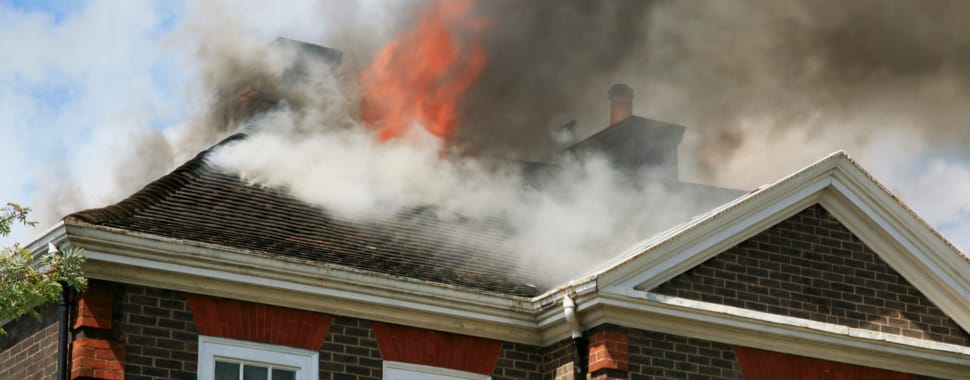
Fires are increasingly wreaking havoc across the nation, particularly in regions like the West Coast. For homeowners, the inclusion of fire insurance in their homeowner’s insurance is often a lifeline against accidental blazes. Yet, the nuances of this coverage can vary significantly, especially if you reside in wildfire-prone areas. So, let's delve into the essence of fire insurance, what it typically covers, and how it is adapting to changing circumstances.
What Exactly Is Fire Insurance?
Fire insurance is a specialized form of coverage that compensates homeowners for losses incurred due to accidental property damage caused by fire. It is frequently a component of standard homeowners’ insurance, but the extent of coverage can diverge based on your location and policy particulars.
Does Homeowners Insurance Protect Against Fires?
Indeed, homeowners’ insurance typically shields against all types of fires, including wildfires. Fire coverage constitutes a fundamental aspect of most standard homeowners’ insurance policies. Here's a concise overview of what is typically covered in the event of a fire:
1. Dwelling coverage: This encompasses the physical structure of your home, encompassing walls, roofs, and built-in appliances. In the event of fire damage or destruction, this facet of your policy finances repairs or reconstruction.
2. Personal property coverage: Your belongings inside the home, such as furniture, clothing, electronics, and personal items, are safeguarded. If these items are harmed or destroyed by fire, your policy assists in compensating you for their value, either at actual cash value (considering depreciation) or replacement cost (disregarding depreciation), contingent upon your policy.
3. Detached structures: If you have ancillary structures on your property, such as a garage, shed, or fence, these are typically covered by a standard homeowner’s policy if they are damaged or destroyed by fire.
4. Loss of use or additional living expenses: If a fire renders your home uninhabitable, this portion of your policy can offset the costs of residing elsewhere temporarily, including hotel bills, meals, and other related expenses.
5. Liability protection: In cases where someone is injured on your property due to the fire, or if you inadvertently cause a fire that harms a neighbor's property, this aspect of your policy may cover legal or medical expenditures.
What Is Not Covered by Fire Insurance?
Although fire insurance provides extensive coverage for fire-related damages, there are certain exclusions and situations that might not be covered by a typical policy. Common limitations include:
- Intentional fires (arson): If it is determined that the fire was intentionally set by the homeowner or with their knowledge, insurance will not cover the damages.
- Vacancy: Properties left vacant for an extended period (usually more than 30 days) may not have fire damage covered. Insurance companies view vacant properties as having higher risks for vandalism, theft, and neglect.
- War and nuclear hazard: Damages resulting from war, including undeclared war, civil war, insurrection, rebellion, or revolution, are typically excluded. Similarly, fires resulting from nuclear reactions or radiation are not covered.
- Other perils: If a fire arises from an earthquake, landslide, power outage, neglect, faulty design or materials, or ordinance of law, insurance may not extend coverage to your property.
The Changing Landscape of Fire Insurance
Given the escalating frequency and intensity of wildfires, particularly in regions like California, insurers are reevaluating their risk assessment models. In early 2023, State Farm ceased offering homeowners insurance entirely in California. This shift has led to significantly higher premiums from other companies in certain areas and even refusal to insure homes in particularly high-risk zones. These changes follow some of the most devastating wildfire seasons in the state's history, with 11 of the 20 largest wildfires occurring in the past five years.
This trend is mirrored in other states grappling with climate change-induced disasters. For instance, in parts of Kentucky affected by flooding in 2022, flood insurance rates are set to quadruple. Similarly, insurance companies in Florida and Georgia are raising rates due to more frequent hurricane damage. Insurance markets are subject to regulation by local and federal governments, and many states and counties are striving to ensure their residents have access to affordable fire insurance. This may include offering subsidies, such as through high-risk pools. Nevertheless, even with government intervention, some homeowners are opting to forgo homeowners’ insurance altogether due to exorbitant premiums.
What Can You Do?
If your home is at risk of wildfires, there are measures you can take to reduce insurance costs and maintain coverage. Installing fire protection devices like smoke detectors, fire alarms, sprinkler systems, and smart home security systems can lower your premiums. It is also crucial to comprehend the specifics of your coverage. A transparent and comprehensive policy ensures you are better prepared in case of a disaster.
Final Thoughts
Fire insurance serves as a critical safety net for homeowners, enabling them to rebuild and recover following a devastating fire. As the world evolves, so does the realm of fire insurance. Homeowners should regularly review their policies, stay informed about industry changes, and consider the shifting risks and advantages associated with their property. If you have questions about your coverages, call your insurance company.