Scott Smolen Maryland real estate blog with market updates, community spotlights, and home buying tips

Maryland Real Estate Blog

Scott Smolen's Anne Arundel County and Bowie, Md. Real Estate Blog

Local real estate updates, market insights, community spotlights, and practical home buying and selling advice for Odenton, Gambrills, Crofton, Bowie, Piney Orchard, Two Rivers, and the surrounding Maryland real estate market.

Latest Market Trends

Stay current on mortgage rates, local inventory shifts, pricing trends, and buyer demand across the Maryland real estate market.

Home Selling Advice

Learn how to prepare, price, market, and negotiate when selling a home in today’s local market.

Home Buying Tips

Get practical guidance on affordability, inspections, offers, financing, and buying with confidence.

Community Spotlights

Explore local neighborhoods, market reports, lifestyle features, and community insights throughout the area.

Dec. 10, 2024

Why Selling Your House Before Spring Could Be a Smart Move

Many people assume spring is the best time to sell a house, and for good reason—buyer demand often surges during that season. But here is the flip side: spring also brings a wave of new listings, increasing your competition.

If you are considering selling, listing your home before the spring rush can give you a significant advantage. Here is why.


Stand Out with Less Competition

Historically, the number of homes for sale drops during the cooler months, as many sellers hold off until spring. This seasonal dip in inventory means buyers have fewer choices, giving your property more opportunity to shine.

Data from the National Association of Realtors® (NAR) shows that year after year, housing inventory decreases during fall and winter, only to climb again closer to spring. While this winter’s inventory may be higher than in recent years, it’s still much lower compared to the influx of listings that typically come with warmer weather.

By listing your house now, you can position it in a market with fewer competing properties. This means more potential buyers are likely to see your home, and it is more likely to stand out in their minds.


Serious Buyers Are Looking Now

Another major perk of selling in the winter? The buyers searching now are typically more motivated and serious about making a purchase. Unlike spring and summer, when casual “window shoppers” often flood open houses, winter buyers are usually on tight timelines. They may be relocating for work, facing an expiring lease, or dealing with other life changes that require an immediate move.

As Investopedia puts it: “If your house is up for sale in the winter and someone is looking at it, chances are that person is serious and ready to buy.”

These serious buyers are often more focused and prepared to make offers, which can lead to quicker and smoother transactions. Take Advantage of the Sweet Spot While spring may bring a larger pool of buyers, listing your home before the seasonal uptick can help you capture the attention of those who are already in the market. Plus, the scarcity of options during this time can create a sense of urgency among buyers, increasing the chances of a competitive offer.

By working with an experienced real estate agent, you can navigate this sweet spot effectively. Your agent will help you:

  • Price Your Home Competitively: Analyze current market trends to set a price that attracts serious buyers while maximizing your returns.
  • Market Strategically: Showcase your home’s unique features to appeal to winter buyers and make it stand out.
  • Highlight the Lifestyle Benefits: Whether it’s a cozy fireplace or a winter-friendly layout, your agent can emphasize aspects of your home that resonate during colder months.


Bottom Line

Selling your house before the spring wave of listings hits can be a smart strategy. With less competition, motivated buyers, and the chance to stand out, you will be in a strong position to successfully sell this winter.

 

Dec. 6, 2024

How Your Credit Score Impacts Your Ability to Buy a Home

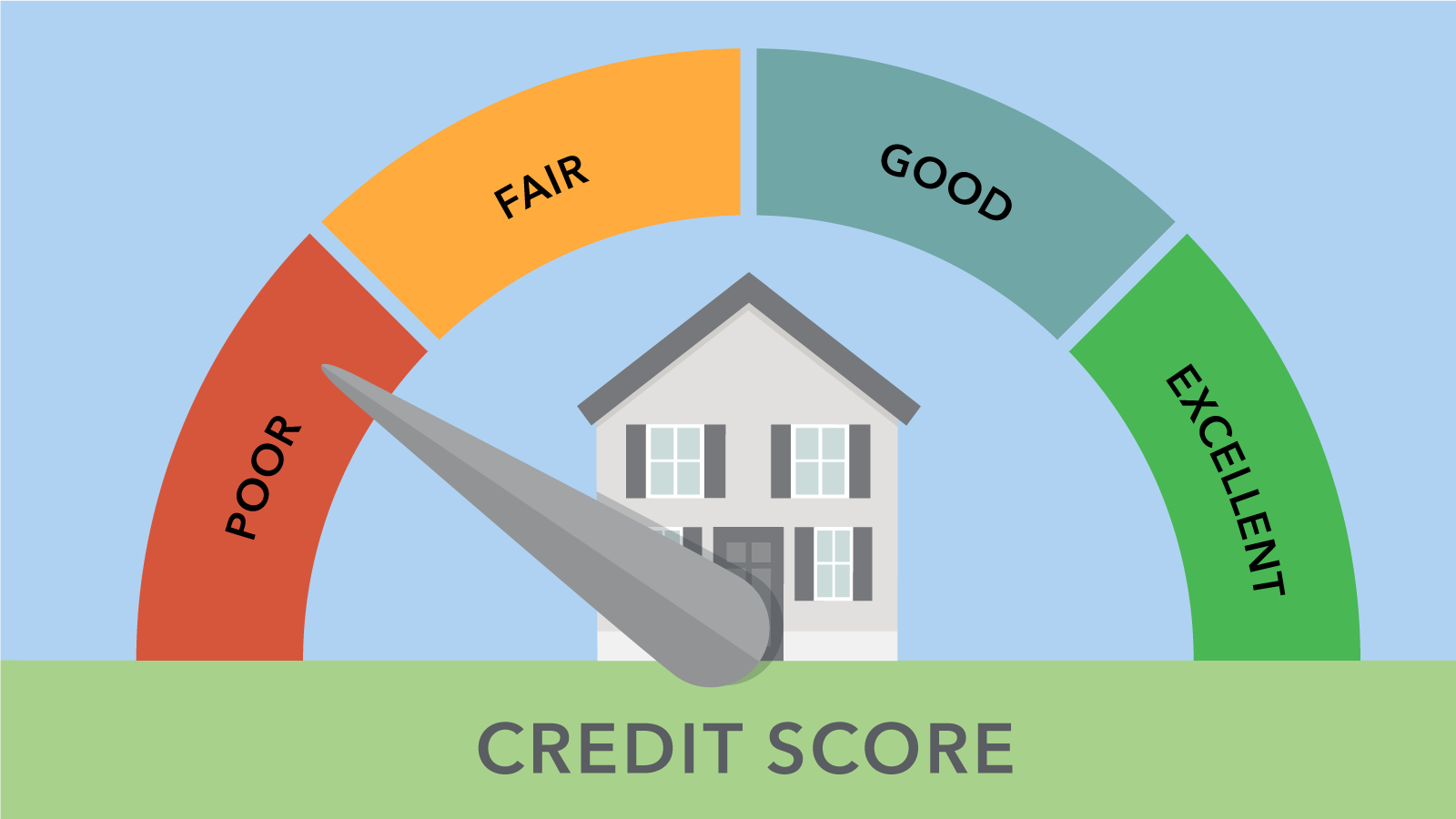
When you’re considering buying a home, your credit score is one of the most important factors in the process. Think of it as your financial report card—a snapshot of how well you manage debt—that lenders use to assess your eligibility and offer the best possible loan options.

As The Mortgage Reports explains:  “Good credit scores show lenders that you have a history of responsibly managing your debts. The higher your score, the better your chances of qualifying for a mortgage.”  However, many buyers misunderstand the credit requirements for purchasing a home.

A study by Fannie Mae found that only 32% of consumers accurately understand what lenders require, leaving nearly two-thirds of buyers uncertain about whether their credit qualifies them.


What Credit Score Do You Need to Buy a Home?

The minimum credit score you need varies based on the type of loan and lender. According to Experian: “The minimum credit score needed to buy a house can range from 500 to 700, depending on the type of mortgage loan and your lender. Most lenders require a minimum score of 620 for a conventional mortgage.”

Here’s a general breakdown:

  • FHA Loans: Often cater to first-time buyers and those with lower credit scores. The minimum score can be as low as 500 if you have a higher down payment (10%) or 580 for lower down payments (3.5%).
  • Conventional Loans: Typically require a credit score of at least 620.
  • VA Loans: Available to eligible veterans, active-duty service members, and their families, usually with no minimum credit score set by the VA, though lenders may require a score of 580 or higher.
  • USDA Loans: Geared toward rural homebuyers and often require a score of 640 or higher.

Even if your credit score isn’t perfect, options are available. Lenders consider multiple factors when evaluating your application, such as income, employment history, and the size of your down payment.

As FICO notes: “There is no universal cutoff score, and lenders consider many additional factors.” 


Steps to Improve Your Credit Score Before Buying a Home

If your credit score needs improvement, don’t worry—there are actionable steps you can take to boost it over time:

  1.  Pay Your Bills on Time: Consistently paying your bills, whether for credit cards, utilities, or loans, is one of the   most impactful ways to improve your score. Late or missed payments can significantly lower your credit score,   so set reminders or automate payments to stay on track.
  2.  Reduce Outstanding Debt: Lowering your debt improves your credit utilization ratio—the percentage of your   available credit you’re using. Experts recommend keeping this ratio under 30%. Paying down debt shows   lenders you’re responsible and less risky.
  3.  Avoid Opening Too Many New Accounts: While it might seem like a good idea to establish more credit,   applying for multiple accounts within a short timeframe can lead to hard inquiries on your credit report. These   can temporarily lower your score and make you appear financially stretched.
  4.  Check Your Credit Report for Errors: Errors on your credit report can drag down your score. Regularly check   your credit report for inaccuracies, and if you find any, dispute them with the credit bureau.
  5.  Keep Older Accounts Open: The length of your credit history affects your score, so keep older accounts open,   even if you no longer use them frequently.


Bottom Line

Your credit score plays a significant role in  determining your home-buying options, but even if it’s not perfect, there are still paths to homeownership. By understanding your score and taking steps to improve it, you’ll be better prepared to secure a mortgage and buy the home you want.  Ready to take the next step? Reach out to Scott and the Smolen Team to discuss your options. They can guide you through the process and connect you with trusted mortgage lenders to help you achieve your homeownership goals.


Dec. 3, 2024

Should You Sell Your House As-Is or Make Repairs?

A recent study from the National Association of Realtors® (NAR) reveals that most sellers (61%) made at least minor repairs before putting their homes on the market. However, life does not always cooperate. For the remaining 39% of sellers, opting to sell their homes “as-is” was a more practical solution.

If you are feeling overwhelmed by the idea of completing repairs or updates due to time, budget, or resources, selling your house as-is may sound appealing. But before you decide, it is important to weigh the pros and cons to determine the best approach for your situation.


What Does Selling As-Is Really Mean?

Selling as-is means you are listing your home in its current condition without making any repairs or upgrades before selling. Furthermore, you will not negotiate fixes after a buyer’s inspection. Essentially, buyers will know that “what they see is what they get.”

This route can be a relief for sellers who are short on time or funds, as it eliminates the pressure to make improvements. However, it does come with trade-offs:

  • Reduced Buyer Interest: Many buyers are drawn to homes that are move-in ready and selling as-is may deter those who are not willing or able to take on renovations.
  • Longer Time on Market: A smaller pool of interested buyers could mean your house takes longer to sell.
  • Lower Sale Price: Without updates or repairs, buyers may perceive your home as less valuable and offer less money for it.

That said, selling as-is does not mean your house will not sell at all. It just means you might need to adjust your expectations regarding the final sale price.


The Market Is on Your Side

Here is some good news: in today’s market, many buyers (56%, according to recent surveys) are open to purchasing a home that needs some work. This is largely due to the ongoing affordability challenges in the housing market. While there are more homes for sale now than in recent years, inventory is still below average, meaning buyers may be willing to compromise on condition to secure a property.

This trend can work to your advantage if you choose to sell as-is, as it widens the pool of potential buyers willing to invest time and money into renovations.


How an Agent Can Help You Decide

So, how can you confidently decide whether to sell as-is or make repairs? Partnering with a skilled real estate agent is key. An experienced agent will:

  • Analyze Comparable Sales: They will review recent sales in your area to determine how similar homes—both updated and sold as-is—performed on the market.
  • Provide Insight on Local Trends: They will advise on what repairs or updates could make the biggest impact on your home’s value and whether they are worth pursuing.
  • Help You Set a Fair Price: Whether you sell as-is or make improvements, your agent will guide you in pricing your home competitively.
  • Highlight Your Home’s Strengths: If you decide to sell as-is, your agent will emphasize the home’s best features, such as its location, size, or unique potential, to appeal to buyers who are open to taking on a project.

With the right guidance, you will have a clear understanding of your options and what to expect from each scenario, enabling you to make an informed decision.


Bottom Line

Selling your home as-is can be a viable option, but it is important to consider the trade-offs and understand how the market impacts your choice. Whether you are ready to sell as-is or considering making repairs, partnering with an experienced real estate professional can make all the difference. Have questions about preparing your home for sale or navigating the selling process? Reach out to Scott and the Smolen Team today to discuss your options and take the next step!


Nov. 27, 2024

Where to Find the Most Magical Holiday Light Displays This Season

The holiday season is here, and there is no better way to soak up the festive spirit than by exploring dazzling light displays! From sparkling walking trails to elaborate professional installations, these shining sights bring joy to all ages and are perfect for creating lasting memories. Whether you are looking for a fun family outing, a romantic evening, or inspiration for your own decorations, we have rounded up a few of the best spots to see holiday lights this season. Get ready to bundle up, grab some cocoa, and enjoy the magic of the season!

1. Winterfest of Lights

Northside Park, 125th Street Bayside, Ocean City MD

https://www.ococean.com/winterfest/

Step into a winter wonderland at the breathtaking 58-acre Northside Park, where the holiday magic comes to life! The 2024 season is set to be the most enchanting yet, with even more lights and surprises in store. Stroll through thousands of dazzling holiday lights and animated displays, sip on hot chocolate, snap a photo with Santa, and explore the charming gift shop for the perfect keepsake. This unforgettable experience is sure to spark joy and create lasting memories for all ages!


2. Merriweather Symphony of Lights

10475 Little Patuxent Parkway, Columbia MD

https://www.merriweatherlights.com/

For over 25 years, the Symphony of Lights has delighted Howard County families and visitors, becoming a cherished holiday tradition. Nestled in the historic Merriweather Post Pavilion, this spectacular display features over 300,000 sparkling bulbs bringing larger-than-life animated and stationary holiday scenes to life. With new lights added each year, this magical experience offers something fresh and exciting, ensuring your visit is an unforgettable part of the season!


3. ZooLights

3001 Connecticut Avenue NW, Washington DC

https://nationalzoo.si.edu/visit/events/zoolights

This holiday season, the Smithsonian’s National Zoo comes alive with the magic of ZooLights, transforming into an enchanting winter wonderland! Now in its 16th year, this annual celebration invites visitors to stroll along festive pathways and experience dazzling immersive displays. Be captivated by glowing lantern animals in their illuminated habitats, enjoy nightly live musical performances, hop aboard the Conservation Carousel, or holiday train, and indulge in seasonal treats. Do not forget to pick up unique gifts at the Zoo’s gift shops! While the light displays take center stage, the Zoo’s animal exhibits will be closed, giving the animals a peaceful night’s rest.


4. Annmarie Garden In Lights

13470 Dowell Road, Solomons MD

https://www.annmariegarden.org/

This holiday favorite transforms the Annmarie Sculpture Garden & Arts Center into a radiant wonderland, filled with glowing light sculptures, mesmerizing installations, and picture-perfect moments around every turn. Enjoy dazzling lights, festive exhibits, holiday shopping, delicious bites from food trucks, and nightly activities and entertainment that bring the holiday spirit to life. It’s an unforgettable experience for all ages!


5. Bull Run Festival of Lights

7700 Bull Run Drive, Centreville VA

https://www.novaparks.com/events/bull-run-festival-of-lights

From November through early January, the Bull Run Festival of Lights offers a dazzling holiday experience like no other! This 2.5-mile drive-through display features an enchanting array of holiday lights that you can enjoy from the comfort of your car. Simply turn off your headlights and let the magical glow guide your way. The 2024 Bull Run Festival of Lights promises to be the season’s brightest and most memorable activity for families and friends alike.


6. Meadowlark Walk of Lights

9750 Meadowlark Gardens Court, Vienna VA

https://www.novaparks.com/events/winter-walk-of-lights

Meadowlark’s Winter Walk of Lights invites you to stroll through an enchanting garden trail illuminated by thousands of sparkling lights. Set against the beauty of Meadowlark Botanical Gardens, the half-mile paved trail features lighted trees and displays that celebrate nature, winter, and the holiday season. The trail is fully accessible for both wheelchairs and strollers, making it perfect for everyone to enjoy. As you wander through the glowing displays, warm up with a cozy hot beverage (with or without spirits) and end your visit by roasting marshmallows for the perfect s’mores treat.


7. Festival of Lights

1130 Largo Road, Upper Marlboro MD

https://www.pgparks.com/event_list/festival-of-lights

Add some sparkle to your holiday season at this breathtaking drive-through event, featuring over 2.5 million lights illuminating the park! Be sure to catch the show-stopping, 54-foot LED musical tree — it’s an experience you won’t want to miss!


8. Lights on the Bay

1100 East College Parkway, Annapolis MD

https://www.lightsonthebaymd.org/

Prepare for a holiday tradition that brings joy, wonder, and plenty of fun — all while supporting the SPCA! Bring your friends, family, and furry companions for an unforgettable evening filled with twinkling lights, festive cheer, and the heartwarming joy of giving back, along with a magical drive along the Chesapeake Bay.


As you set out to explore these breathtaking holiday light displays, we hope you create unforgettable memories with your loved ones and enjoy the magic of the season. Whether you're wandering through enchanted gardens, driving through glittering pathways, or sipping cocoa under the stars, there’s something truly special about experiencing these festive moments. The Scott Smolen Team wishes you a very Happy Holiday Season filled with joy, warmth, and wonder. If you're thinking about making a move this season or in the new year, we’re here to help!


Nov. 24, 2024

Real Estate Law and Eminent Domain: Essential Information for Property Owners

Eminent domain can be a daunting concept for property owners, particularly in Maryland, where it serves as a significant tool for governmental action. Understanding your rights and options in these situations is essential.


What Is Eminent Domain?

Eminent domain is a legal principle that allows the government to seize private property for public use, provided that fair compensation is offered to the property owner. Rooted in the Fifth Amendment of the United States Constitution, this principle underscores the balance between public needs and individual rights. Eminent domain is often employed to facilitate infrastructure projects and initiatives that benefit the community. For property owners, grasping the constitutional basis for eminent domain is vital for understanding the legal context of such actions.


How Eminent Domain Functions in Maryland

In Maryland, the process of eminent domain is governed by specific statutes aimed at fairly considering both public needs and property owners' rights. Authorized entities, such as government agencies, may initiate condemnation proceedings to acquire private land for various purposes, including infrastructure upgrades, public utilities, and community development projects.

The process begins with the entity declaring its need for the property and making an offer of compensation to the owner. If disputes arise regarding the property's value or the necessity of its acquisition, property owners have the right to contest these claims in court.


Determining Fair Compensation

Establishing fair compensation in eminent domain cases involves a comprehensive evaluation that takes various factors into account. The primary basis for this assessment is the property's market value, reflecting its worth under typical buying and selling conditions. However, since the government can compel a sale, these conditions may not be typical.

Unique characteristics of the property—such as its historical significance or environmental features—also significantly influence its valuation. Property owners can contest the government's initial offer if it does not accurately reflect their understanding of the property's value. This stage is critical, as it opens the door for negotiation, allowing property owners to have a say in determining fair compensation.


Rights and Options for Property Owners in Eminent Domain Cases

Navigating the intricacies of eminent domain requires a clear understanding of property owners' rights and the available avenues for recourse. The law entitles property owners to a fair hearing, where the necessity and compensation for the taken property are thoroughly evaluated.

One essential right is the ability to challenge the government's offer, particularly if it fails to reflect the property's true market value or does not account for its potential for future development. Property owners can also engage in direct negotiations with the government to secure a more favorable compensation package. Remember, while the government seeks your property, it also aims for a favorable deal, so be prepared to advocate for your interests.

Legal representation is invaluable in these situations, providing the expertise needed to navigate the complexities of eminent domain cases. Working with a real estate attorney specializing in this area can equip property owners with strategic advice to contest undervalued offers and ensure that government actions are justified and conducted with due process.


Tips for Safeguarding Your Property Rights Against Eminent Domain

To protect your property rights in the context of eminent domain, proactive measures are essential. Engaging in local development plans and attending zoning meetings can provide early insights into potential public projects affecting your property. Many homeowners overlook these meetings but attending them offers a chance to voice your concerns early in the process. Documenting your property's condition and unique attributes not only establishes its value but also supports your case for fair compensation. Building a relationship with a knowledgeable real estate attorney can be invaluable, as they can offer tailored strategic advice to help you navigate eminent domain challenges.

If you need a recommendation for a reputable attorney, don’t hesitate to reach out to Scott and the Smolen Team!


Nov. 20, 2024

What’s Behind Today’s Mortgage Rate Volatility?

If you’ve been watching mortgage rates lately, it might feel like you’re on a roller coaster. One day they’re up; the next, they’ve dipped slightly. So, what’s causing all this back and forth? Let’s break it down into a few key factors and what it all means for you as a buyer or homeowner.


How Elections Impact Mortgage Rates

Election seasons can stir up a lot of uncertainty in the financial world, and mortgage rates are no exception. Markets don’t just react to who wins—they also adjust to the anticipated policies of the new administration. The National Association of Home Builders (NAHB) explains:

“. . . the primary reason interest rates have been on the rise pertains to the uncertainty surrounding the presidential election. Although the election is now complete, there continue to be growing concerns over budget deficits.”

This uncertainty can make investors cautious, pushing them toward safer assets like bonds. Since mortgage rates are closely tied to bond yields, this shift can cause rates to fluctuate. Other global factors, like international tensions or trade policies, can also contribute to these swings.


Inflation, the Fed, and Their Role in Rates

Two major economic players behind mortgage rate changes are inflation and unemployment. The Federal Reserve (Fed) has been working to control inflation while keeping an eye on the job market. While the Fed doesn’t set mortgage rates directly, its actions, such as adjusting the Federal Funds Rate, often influence them.

At their recent November meeting, the Fed made another rate cut in response to improving inflation data. While most of the mortgage rate movement occurred beforehand in anticipation of this decision, rates did dip slightly after the announcement.


What’s Next for Mortgage Rates?

Looking ahead, mortgage rates will continue to respond to shifts in Fed policies, economic indicators, and political developments. As we transition into a new administration, there’s bound to be some unpredictability. As “The Mortgage Reports” puts it:

“Today’s economic indicators come with mixed pressures on mortgage rates and we’re likely to be in for a good amount of volatility as markets adjust and respond to the election . . .”

The best way to manage this uncertainty is to have an experienced team guiding you. Real estate professionals and lenders can help you navigate the market, understand the trends, and make confident decisions about buying or refinancing.


Bottom Line

Mortgage rates are likely to stay a bit unpredictable for now, influenced by economic factors and political shifts. But with expert advice, you can make informed choices. If you’re considering buying a home, refinancing, or just want to better understand how these changes affect you, reach out to Scott Smolen and his team. We’re here to help you navigate the twists and turns of the market with confidence!


Nov. 16, 2024

Holiday Lighting Safety: Essential Electrical Tips for Outdoor Decorations

Decorating your home with exterior holiday lights is a wonderful way to bring festive cheer to your neighborhood. However, regarding electrical installations, safety should always come first. Improperly installed holiday lights can lead to electrical hazards, including fires, shocks, and overloaded circuits. To keep your home safe and beautiful this holiday season, here are some essential electrical safety tips for installing your exterior holiday lighting.

Use Outdoor-Rated Lights and Extension Cords

When setting up your exterior holiday lights, it’s crucial to use lights and extension cords designed specifically for outdoor use. Outdoor-rated lights and cords are built to withstand the elements, including rain and snow. Using indoor lights or cords outside can increase the risk of electrical shock or fire, as they aren’t equipped to handle the moisture and harsh conditions of outdoor environments. Always check the packaging to ensure your lights and cords are labeled for outdoor use.

Avoid Overloading Electrical Circuits

Holiday lights can quickly overload your home’s electrical circuits, especially if you’re running multiple strands of lights or large displays. Overloading a circuit can trip your breaker or cause an electrical fire. To avoid this, spread out your lighting across multiple outlets and use power strips with built-in surge protection. Additionally, calculate the wattage of your lights and ensure they don’t exceed the capacity of the circuit they’re connected to. If you’re unsure about your system’s capacity, consulting an electrician is a good precaution.

Inspect Lights and Cords for Damage

Before hanging your holiday lights, inspect them thoroughly for any signs of damage. Frayed wires, cracked bulbs, or exposed wires can lead to dangerous electrical shocks or sparks. Replace any damaged lights or cords immediately to prevent potential hazards. Additionally, check that all your lights are approved by UL (Underwriters Laboratories), which ensures they meet rigorous safety standards.

Secure Lights Properly to Avoid Damage

When installing holiday lights, be sure to secure them safely without damaging the wiring. Use plastic clips or hooks specifically designed for hanging lights instead of nails or staples, which can puncture the cords and expose wires. Damaged cords increase the risk of electrical shorts or fires, so keeping your wiring intact throughout the season is important. Additionally, avoid stretching or tangling your light strands, as this can weaken the wires over time.

Use GFCI Outlets for Outdoor Lighting

Ground fault circuit interrupter (GFCI) outlets are crucial for outdoor electrical installations, including holiday lighting. These outlets are made to shut off power if they detect a ground fault, protecting you from electrical shocks and reducing the risk of fires. Make sure that all your outdoor lights are plugged into GFCI outlets, and if your home doesn’t have them, consider having them installed by a licensed electrician for increased safety.

Turn Off Lights When Not in Use

Turn off your holiday lights when they’re not in use to prevent overheating and limit energy consumption. You can do this manually or use a timer to automatically turn off the lights after a specific time. Leaving your lights on for extended periods, especially overnight, increases the risk of overheating and electrical issues, so turning them off regularly is a safe practice.

Consider LED Lights for Energy Efficiency and Safety

LED holiday lights are safer and more energy-efficient than traditional incandescent bulbs. LED lights produce less heat, reducing the risk of fire, and they use far less electricity, making them easier on your electrical system. Additionally, LED lights are more durable and last longer, meaning you’ll get more seasons out of them without needing replacements.


Nov. 13, 2024

15 Iconic House Styles Found Across the U.S.

From grand to cozy, the variety of architectural styles in the U.S. reflects the diversity of its residents. Whether you are driving through your neighborhood or exploring new areas, you will encounter a range of house styles, each with its own unique charm. Here is a look at some of the most popular home styles across the country:

1. Modern-Style Houses

Emerging in the 1920s, modern-style homes embrace minimalism and reject ornate designs. Characterized by asymmetrical exteriors, flat roofs, and integrated outdoor spaces, these homes often feature neutral color palettes, metal accents, and minimal molding.

2. Ranch-Style Houses

Originating in 1932, the ranch-style home became especially popular in the 1950s and 60s. Known for its single-story layout, low-pitched roof, and open floor plan, this style often includes large windows and sliding glass doors that promote indoor-outdoor living. It’s sometimes referred to as a "rambler" depending on regional terminology.

3. Craftsman-Style Houses

Popularized in the early 1900s by architect Gustav Stickley, Craftsman-style homes are beloved for their charming features. These include shingle siding, low-pitched roofs, and covered front porches. Inside, expect thick trim, prominent ceiling beams, and built-in shelving.

4. Mid-Century Modern-Style Houses

A subset of modernism, mid-century modern homes emerged post-World War II and remained popular into the 1970s. These homes are noted for their clean lines, minimalism, and floor-to-ceiling windows. Interiors often feature a mix of natural and manufactured materials, like wood and steel.

5. Cape Cod-Style Houses

With origins dating back to 1675, Cape Cod-style homes evoke the classic American cottage. They feature symmetrical designs, steep roofs, and dormer windows. The exterior typically includes wood siding and shutters, while interiors are practical and cozy with hardwood floors.

6. Cottage-Style Houses

Inspired by medieval English cottages, American architects designed these cozy homes during the 1920s and 30s. Featuring steep, thatched roofs, arched doorways, and a warm, storybook charm, cottage-style houses bring an old-world feel to modern living.

7. Tudor-Style Houses

Dating back to the 15th century, Tudor-style homes are easily recognizable by their mix of brick, stone, and stucco exteriors, decorative half-timbering, and steeply pitched roofs. Common in the Northeast and Midwest, they also feature tall, narrow windows and cross gables.

8. Victorian-Style Houses

First appearing during the Victorian Era (1860-1900), these houses are known for their elaborate detailing and romantic aesthetics. Features include steep gabled roofs, ornate wood trim, stained glass, and decorative woodwork. They often have front-facing gables and intricate patterns.

9. Mediterranean-Style Houses

Popularized in Southern California in the 1920s and 30s, Mediterranean-style homes are ideal for warmer climates. They feature low-pitched red tile roofs, vaulted ceilings, arched windows and doors, and stucco exteriors, often arranged around a central courtyard.

10. Contemporary-Style Houses

Contemporary architecture encompasses a broad range of recent designs. Characterized by geometric lines, large windows, and open floor plans, these homes often incorporate sustainable materials and have flat or low-pitched roofs.

11. Colonial-Style Houses

Dating back to 1876, Colonial-style homes exude classic charm with their symmetrical façades, decorative doorways, and brick or wood exteriors. Typically, two or three stories, they often feature fireplaces and a balanced, orderly design.

12. Farmhouse-Style Houses

Originating in the early 1700s, farmhouses are designed for practicality. Modern versions still include large wraparound porches, clapboard siding, and oversized kitchen sinks, maintaining a focus on functionality and comfort.

13. Townhouses

Originally from Europe, townhouses are now common in U.S. cities. These multi-story homes often share walls with adjacent properties and offer spacious layouts and amenities. They usually feature rooftop decks for panoramic views.

14. Row Houses

Row houses are characterized by their narrow, tall, and connected design. Common in coastal cities like Baltimore and Boston, these homes often have brick or stone exteriors and charming architectural details like decorative cornices.

15. French Country Houses

French country houses bring the rustic elegance of the French countryside to the U.S. With steeply pitched roofs, stucco exteriors, and arched doorways, these homes exude a fairy-tale charm. Interiors typically feature exposed wooden beams, warm colors, and cozy fireplaces.

Exploring these diverse house styles can give you a deeper appreciation of architectural beauty and help you find the perfect home that suits your taste and lifestyle. Once you have your perfect style in mind, reach out to Scott and the Smolen Team to get started!


Nov. 11, 2024

VA Home Loans: A Pathway to Homeownership for Veterans

For over 79 years, Veterans Affairs (VA) home loans have empowered countless Veterans to achieve the dream of homeownership. Yet, according to Veterans United, only 3 in 10 Veterans realize they may be able to buy a home without needing a down payment.

The VA home loan program is a unique benefit available to Veterans, active-duty service members, and eligible spouses, offering a smoother and more affordable way to own a home. While many Veterans may know about the VA loan, they may not be aware of all the advantages it provides, making it crucial to spread the word about this invaluable resource.


What Makes VA Loans So Valuable?

VA loans are specifically designed with Veterans in mind, providing significant advantages over conventional loans that make it easier to buy a home without many of the financial hurdles.

As Veterans United explains: “The ability to buy with 0% down is the signature advantage of this nearly 80-year-old benefit program. Eligible Veterans can buy as much house as they can afford, all without the need to spend years saving for a down payment.”


The Advantages of VA Home Loans

VA home loans are not just about the lack of a down payment; they come with a suite of benefits that can make homeownership significantly more affordable over time. Here are some of the standout features according to the Department of Veterans Affairs:

  1. Options for No Down Payment: Perhaps the most popular benefit, VA loans often allow Veterans to purchase a home without any down payment. This opens the door for Veterans who might otherwise need years to save enough money.
  2. Limited Closing Costs: VA loans have restrictions on the types of closing costs Veterans are required to pay, helping to keep more money in your pocket. These limits can help Veterans reduce upfront costs, so they can invest more in their new homes from day one.
  3. No Private Mortgage Insurance (PMI): With most loan types, especially those with low down payments, PMI is a requirement, adding to monthly payments. VA loans, however, do not require PMI, which means Veterans can enjoy a more affordable monthly mortgage bill, often leading to substantial long-term savings.
  4. Competitive Interest Rates: VA loans often come with lower interest rates than conventional loans, helping Veterans afford more house for less money. This is because VA loans are guaranteed by the Department of Veterans Affairs, which reduces the risk for lenders and allows them to offer more favorable rates to borrowers.
  5. Easier Qualification Standards: Because of the government guarantee, lenders often have more flexible credit and income requirements for VA loans. This can help Veterans with lower credit scores or unique income situations qualify more easily than they might with a traditional loans.


Bottom Line

Owning a home is a key part of the American Dream, and VA home loans are a powerful benefit for those who’ve served our country. Partnering with Scott Smolen and an experienced lender means you’ll have the support you need to make confident decisions and secure a home that fits your needs. With their guidance, you can make informed choices and bring your homeownership dreams to life without unnecessary financial stress.


Nov. 10, 2024

Deciding Between Renting or Buying? Here’s How Homeownership Could Grow Your Net Worth

If you are weighing the choice between renting and buying a home, a key factor to consider is the impact homeownership can have on your net worth.

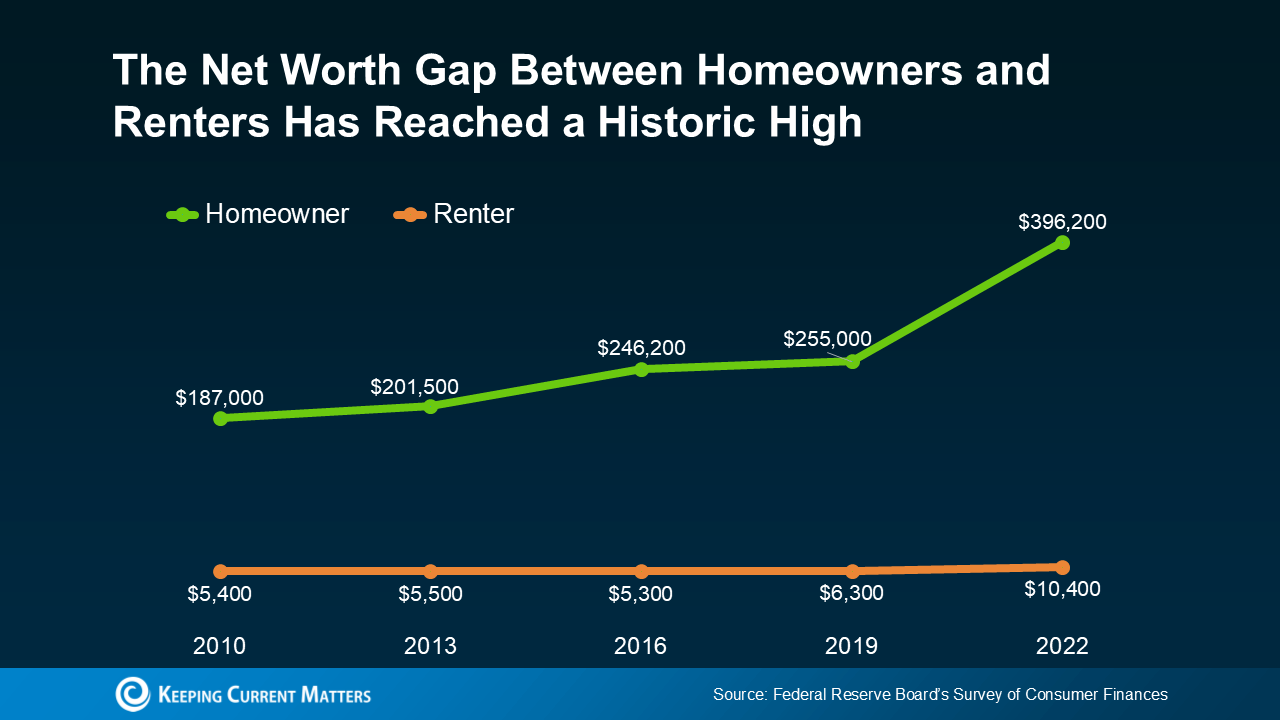
The Federal Reserve’s Survey of Consumer Finances (SCF) provides a detailed look at the wealth gap between homeowners and renters every three years. The latest findings reveal that, on average, a homeowner’s net worth is nearly 40 times higher than a renters.


Why Is Homeowner Wealth So Much Higher?

In the prior SCF report, the average homeowner had a net worth of about $255,000, while the average renters was around $6,300. In the latest update, this gap widened even more, thanks to increased homeowner wealth. As noted in the SCF report:

“…the 2019-2022 growth in median net worth was the largest three-year increase in the history of the modern SCF, more than double the next-largest one on record.”

One main driver of this growth is home equity, which is the difference between your home’s value and your mortgage balance. Homeowners build equity by paying down their mortgage and benefiting from rising property values.

Over the past few years, home prices rose significantly due to a high demand for housing and limited supply. This imbalance led to higher home prices, faster equity gains, and, ultimately, greater net worth for homeowners.


Considering Renting vs. Buying? Here’s What to Keep in Mind

Although housing inventory has grown somewhat this year, it remains limited in many areas, and prices are expected to rise again, albeit at a more moderate pace. This could still mean potential equity gains if you buy now. As Ksenia Potapov, Economist at First American, explains:

“Despite the risk of volatility in the housing market, homeownership remains an important driver of wealth accumulation and the largest source of total wealth among most households.”

Of course, prices and inventory vary depending on location. That is where Scott and the Smolen Team come in. They can provide insights on local trends and the financial and lifestyle benefits of homeownership to help you make the best choice for your situation.

As Bankrate highlights: “Deciding between renting and buying a home isn’t just about cost — the decision also involves long-term financial strategies and personal circumstances. If you are on the fence, it may be helpful to speak with a local real estate agent who knows your market well. An experienced agent can help you weigh your options and make a more informed decision.”


Bottom Line

If you are deciding between renting and buying, remember that homeownership can be a powerful tool for building wealth. When you are ready to take the next step, contact Scott and the Smolen Team for expert guidance, local insights, and a trusted mortgage lender recommendation. They will be there to support you every step of the way!