As a homeowner, you might feel you have a rough idea of your property’s limits—maybe it is the edge of your driveway, the end of your grass, or a fence you have put up. But these everyday markers do not always match the official boundaries. Taking the time to confirm your property’s true edges can save you headaches down the road.
Before you start projects like building a shed, replacing a fence, adding a pool, or sprucing up your yard, it’s smart to double-check where your land actually ends. Knowing your boundaries ensures your upgrades stay on your side of the line, avoiding accidental trespassing or neighborly disagreements.
What Are Property Lines, Anyway?
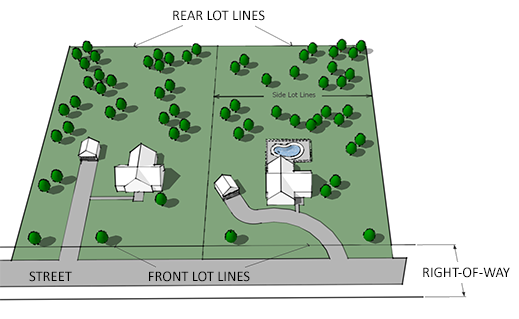
Property lines are the legal borders that define where your land stops and someone else’s begins. Surveyors set these lines with precision, often when land is subdivided. The line at the front of your lot is called the “frontage”—it’s the width of your property along the street. The lines on either side are your “sidelines.” Local rules usually shape these measurements.
Why Bother Finding Your Property Lines?
Knowing your boundaries keeps you from stepping on your neighbor’s toes—literally. Whether it’s a tree branch hanging over their yard or a driveway creeping onto their land, clear lines help avoid trouble. It’s about respecting their space and keeping the peace.
For big projects like permanent buildings, accuracy is non-negotiable. Getting a professional land survey is the gold standard. In many places, you’ll also need to call a diggers hotline (often 811) before digging for a fence, trees, or driveway extensions. This checks for buried utilities like cables or pipes, which get marked with paint or flags within days. Skipping this step could mean costly repairs—or worse.
Having property line records handy is a bonus when selling your home, too. Save surveys, plat maps, or any paperwork from your city or county in digital or paper form. New surveys might need to be filed with your county assessor. When you sell, title companies will check for encroachments, which could impact title insurance.
Getting clear on your property lines gives you confidence for edge-of-the-lot projects, shows respect for neighbors, and lowers the chance of legal tangles.
Smart Ways to Track Down Your Property Lines
To steer clear of neighbor disputes or project mishaps, here are twelve practical ways to nail down your boundaries.
- Use Google Maps or Specialty Apps: Google Maps sometimes shows property lines, but apps like LandGlide or Landgrid often provide more reliable plat maps.
- Hire a Professional Surveyor: For top accuracy, a licensed surveyor digs into your land’s history, easements, and local quirks. Costs depend on your area and property details.
- Check Your Deed: Your property deed includes a tax description with boundary details. Grab a copy online or from the county recorder.
- Look at a Metes and Bounds Survey: This old-school method uses landmarks like rocks or streams, though some may have vanished over time.
- Review a Plat Map: You likely got one when you bought your home, or you can find it at the county clerk’s office. It shows your lot’s exact layout next to others.
- Ask Your Mortgage or Title Company: They might have surveys from past deals tied to your property.
- Get Surveys from Local Government: Your municipality may have existing surveys on file—request them for a small fee.
- Hunt for Survey Pins: Iron bars or stakes often mark corners, but construction or time might have shifted them.
- Spot Property Markers: Look for metal, wood, or concrete indicators. Concrete ones tend to be the most trustworthy.
- Use Sidewalks or Streetlights as Clues: These can hint at boundaries, but always back them up with a survey or plat.
- Hit Up the Zoning Office: They can provide detailed neighborhood plats with precise lot measurements.
- Measure It Yourself: With a plat map, compass, and tape measure, you can plot your land—though it is less exact than a pro’s work.
Knowing your property lines matters whether you are settling in or sizing up a home to buy. Solid info helps you make smart calls on projects or purchases tied to your land’s edges. Use these steps to lock in your boundaries, keep neighbors happy, and dodge legal snags.