Scott Smolen Maryland real estate blog with market updates, community spotlights, and home buying tips

Maryland Real Estate Blog

Scott Smolen's Anne Arundel County and Bowie, Md. Real Estate Blog

Local real estate updates, market insights, community spotlights, and practical home buying and selling advice for Odenton, Gambrills, Crofton, Bowie, Piney Orchard, Two Rivers, and the surrounding Maryland real estate market.

Latest Market Trends

Stay current on mortgage rates, local inventory shifts, pricing trends, and buyer demand across the Maryland real estate market.

Home Selling Advice

Learn how to prepare, price, market, and negotiate when selling a home in today’s local market.

Home Buying Tips

Get practical guidance on affordability, inspections, offers, financing, and buying with confidence.

Community Spotlights

Explore local neighborhoods, market reports, lifestyle features, and community insights throughout the area.

April 26, 2023

Benefits and Drawbacks of VA Mortgages for Current and Former U.S. Military Members

If you are a current or former member of the U.S. military, and are considering purchasing a home, taking out an VA mortgage may be beneficial for your family! With special perks tailored to members of our Armed Forces, read on to learn more about how this type of loan can help make owning a home easier - as well as few drawbacks associated with them.

Advantages of VA Mortgage

1. No down payment requirement: VA mortgages do not require a down payment, which means that you can purchase a home with no money down. This can make it easier for you to purchase a home if you do not have a large down payment.

2. No mortgage insurance requirement: VA mortgages do not require mortgage insurance, which is an additional cost that you will have to pay every month. This can save you thousands of dollars over the life of the loan.

3. Lower interest rates: VA mortgages can have lower interest rates than conventional mortgages. This means that you will pay less interest over the life of the loan, which can save you money in the long run.

4. More flexible eligibility requirements: VA mortgages have more flexible eligibility requirements than conventional mortgages. This means that if you have a low credit score or a high debt-to-income ratio, you may still be able to qualify for a VA mortgage.

Disadvantages of VA Mortgage

1. Funding fee requirement: VA mortgages require a funding fee, which is a one-time fee that is paid at closing. The fee varies depending on the size of your down payment and whether you are a first-time or subsequent user of the VA loan program.  Disabled veterans can have the funding fee waived.  VA Funding Fee Information.

2. Property requirements: VA mortgages have stricter property requirements that the home must meet. If the home does not meet these requirements, you may not be able to qualify for a VA mortgage.

3. VA appraisal process: VA mortgages require an appraisal of the home to determine its value. The VA appraisal process can be more strict than other types of appraisals, and the appraiser may require repairs to be made before the loan can be approved.

4. Loan limits: VA mortgages have loan limits that vary by county. This means that you may not be able to borrow as much money to purchase a home as you could with a conventional mortgage.  This link will provide you with current VA Loan Limits in the majority of cities in Maryland.  

Financing a home can be complicated. A VA mortgage has several potential benefits, such as no down payment needed and lower than average interest rates - however the cost of getting secured does come with its own caveats like having to pay funding fees or meeting certain property requirements. Taking into account your financial situation and weighing up these pros & cons are key before choosing whether to go for this type of loan option.

Posted in
April 25, 2023

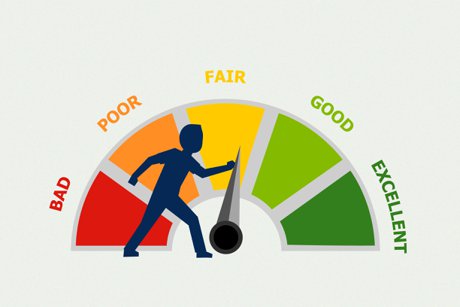
5 Tips to Improve Your Credit Score and Secure Financial Opportunities

Your credit score is a critical factor that lenders use to determine your creditworthiness. This numerical representation of your ability to repay debts on time will determine whether you get approved for loans or credit cards. To secure financial opportunities, you need to have a good credit score. We've got 5 tips to start improving it today.

1. Pay your bills on time

One of the most important factors that determine your credit score is your payment history. Lenders want to see that you can manage your debts responsibly, so it's crucial to make all your payments on time. Late payments can stay on your credit report for up to seven years and can lower your score significantly.

2. Keep your credit utilization low

Your credit utilization is the amount of credit you're using compared to your credit limit. A high credit utilization can indicate that you're relying too heavily on credit, which can be a red flag for lenders. Try to keep your credit utilization below 30% to improve your credit score.

3. Check your credit report for errors

Your credit report contains information about your credit accounts, including your payment history, credit utilization, and any negative items, such as collections or bankruptcies. It's essential to check your credit report regularly to make sure that all the information is accurate. If you find any errors, you can dispute them with the credit bureaus.  The 3 major credit bureau sites are: EquifaxExperian, and Transunion.

4. Don't open too many credit accounts at once

Opening too many credit accounts in a short period can be a red flag for lenders, as it can indicate that you're trying to borrow too much at once. Each time you apply for credit, it can also result in a hard inquiry, which can lower your credit score. Be strategic about when you open new credit accounts and try to limit the number of applications you submit.

5. Keep old credit accounts open

The length of your credit history is another factor that affects your credit score. Lenders want to see that you have a long history of using credit responsibly. Closing old credit accounts can lower your average account age, which can hurt your score. Instead, keep your old credit accounts open, even if you don't use them often.

Improving your credit score requires dedication and patience, but the payoff is well worth it. With these helpful tips, you can boost your chances of securing credit approval and securing better terms and interest rates. Stay committed and remember that progress takes time - soon enough, your credit score will reflect your hard work.

April 24, 2023

How to Apply for a Homestead Tax Exemption and Save Money on Property Taxes

As a homeowner, you could potentially save big on property taxes by taking advantage of a homestead tax exemption. These exemptions vary by state, but they typically benefit homeowners who live in the property they own. Are you curious about homestead tax exemptions and how to apply for them? Keep reading to learn more.

What is a homestead tax exemption?

A homestead tax exemption is a legal provision that reduces the amount of property tax you owe on your primary residence. The exemption applies to a portion of the assessed value of your home, which is the value that the local government uses to calculate your property taxes. The amount of the exemption varies by state and can range from a few hundred dollars to several thousand dollars.

To qualify for a homestead tax exemption, you must meet certain criteria, such as: 

  • Owning and occupying the property as your primary residence 
  • Being a permanent resident of the state 
  • Having the property as your principal place of residence on July 1st of the tax year 
  • Being a natural person and not a corporation or other legal entity 
  • Meeting any other eligibility requirements set by your state or local government

How to apply for a homestead tax exemption

To apply for a homestead tax exemption, you'll need to fill out an application with your local tax assessor's office.  Here are some general steps to follow:

  1. Check your eligibility Review the eligibility requirements for your state or local government. You can typically find this information on the tax assessor's website or by calling their office.
  2. Gather required documentation You'll likely need to provide documentation to prove your eligibility, such as your driver's license or state ID, proof of residency, and proof of ownership of the property.
  3. Complete the application Fill out the homestead tax exemption application, which may be available online or in person at the tax assessor's office. Make sure to provide all required information and documentation.
  4. Submit the application Submit the application to the tax assessor's office before the deadline, which is typically in the early part of the year. After you submit the application, the tax assessor's office will review it and determine if you qualify for the exemption.
  5. Renew the exemption In some states, you'll need to renew your homestead tax exemption annually or every few years.

Maryland Homestead Tax Information and Application

If you own and occupy your primary residence, a homestead tax exemption can be a valuable way to save money on your property taxes. To take advantage of this opportunity, make sure to apply for the exemption and keep it up to date by renewing it if necessary. For more information on eligibility and the application process in your area, contact your local tax assessor's office.

Posted in
April 23, 2023

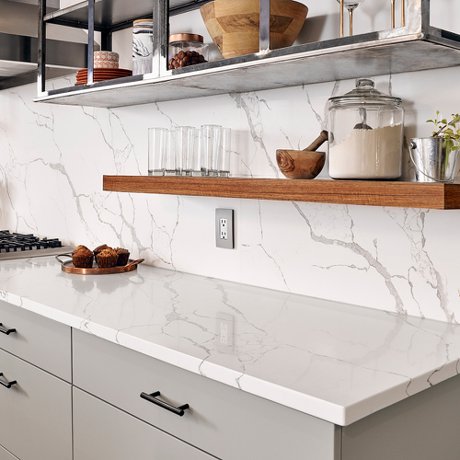
Choosing the Best Material for Your Kitchen Counter Tops: A Guide

The kitchen is one of the most important areas of a home, and the counter tops play a significant role in the overall design and functionality of the space. Choosing the right material for your kitchen counter tops is a crucial decision that can impact the look, feel, and longevity of your kitchen. Here are some of the different materials you can consider for your kitchen counter tops:

1. Granite: Granite is a popular choice for kitchen counter tops due to its durability and natural beauty. It is a natural stone that is heat-resistant and scratch-resistant, making it an ideal material for kitchens. Granite is available in a wide range of colors and patterns, making it easy to find a style that complements your kitchen design.

2. Marble: Marble is a luxurious and elegant material that can give your kitchen a sophisticated look. It is a natural stone that is known for its beauty and durability. However, marble is more porous than granite and is susceptible to staining, so it requires more care and maintenance.

3. Quartz: Quartz is a popular choice for kitchen counter tops due to its durability and low-maintenance nature. It is an engineered stone that is made of quartz particles and resin. Quartz is available in a wide range of colors and patterns, and it is resistant to stains, scratches, and heat.

4. Concrete: Concrete is a unique and modern material that can give your kitchen a stylish look. It is a durable material that is resistant to scratches and heat. Concrete can be cast in a variety of shapes and colors, making it a versatile choice for kitchen counter tops.

5. Wood: Wooden counter tops can give your kitchen a warm and rustic look. Wood is a natural material that is renewable and eco-friendly. It is a soft material that can scratch and stain easily, so it requires more care and maintenance than other materials.

6. Stainless Steel: Stainless steel is a durable and hygienic material that is resistant to heat and stains. It is a popular choice for commercial kitchens, but it can also be a good option for home kitchens. Stainless steel counter tops can give your kitchen a sleek and modern look.

With so many countertop materials to choose from, selecting the right one for your kitchen is a decision that shouldn't be taken lightly. Consider how long each material will last, any maintenance requirements it has, and its look before you decide on installing it in your space - finding the perfect fit can make all the difference.

April 22, 2023

The State of the US Housing Market: Rising Costs and Limited Supply Discourage Some Would-Be Homebuyers

Despite higher housing costs and limited supply, many people are still looking for homes. The typical monthly housing payment for U.S. homebuyers hit an all-time high of $2,538 due to rising mortgage rates. However, at the same time, the median home-sale price dropped 2.6% from the previous year. This has caused some would-be homebuyers to back off, resulting in a 19% drop in pending home sales compared to the previous year, and a 10% decline in mortgage-purchase applications over the last week.

Even with these challenges, many people are still searching for homes, as indicated by the 3% rise in the Homebuyer Demand Index from the previous week and the 12% increase from the previous month. However, this is still down 7% from a year ago, which is the smallest decline in eleven months.

The housing market looks different in different parts of the country. For example, in Los Angeles, first-time buyers are still actively looking for homes, and in Washington, D.C., some homeowners are taking advantage of the limited supply and increased competition to sell their homes and upgrade to a nicer one.  Inventory is in short supply in the Washington DC and Baltimore suburbs.  Nice homes that are priced correctly are getting a lot of activity and there are still many situations where multiple bids are being considered.  

Finally, some leading indicators of homebuying activity, such as average 30-year fixed mortgage rates increasing to 6.39% and mortgage-purchase applications declining 10% from the previous week. The Homebuyer Demand Index hit its highest level in nearly a year during the week ending April 16, but was still down 7% from a year earlier. Google searches for "homes for sale" were up compared to November, but down from a year earlier. Touring activity was also up compared to the beginning of the year, but down from the same time last year across the entire country.  

Posted in
April 21, 2023

Maximizing Curb Appeal: The Impact on Selling Your Home

Maximizing a home's curb appeal is crucial for any seller, as the exterior appearance of their property can be make-or-break when it comes to potential buyers. Curb appeal affects an individual’s perception of your house and therefore has a major impact on whether they even consider making an offer at all - so learning how best to enhance this aspect could mean having far more luck with selling! In our blog post, we'll guide you through why curbside aesthetics matter greatly in such cases.

1. Creates a positive first impression

As mentioned earlier, a home's curb appeal is the first thing that potential buyers will see. It sets the tone for their viewing experience and can greatly influence their initial thoughts about the property. A home with an inviting and well-maintained exterior will make buyers feel more positive and excited about the home before they even enter it.

2. Increases perceived value

A well-maintained exterior can greatly increase the perceived value of a home. Buyers are often willing to pay more for a home that looks well-cared for and has attractive curb appeal. On the other hand, if a home's exterior is unkempt and unappealing, buyers may assume that the interior is also in poor condition and lower their offer accordingly.

3. Helps with marketing

In today's digital age, most buyers begin their home search online. A home's exterior appearance is typically the first photo that potential buyers will see on a listing, and it needs to be eye-catching and attractive enough to entice them to click through and learn more. A well-maintained exterior can also help a home stand out among other properties in the area and make it more memorable to potential buyers.

4. Boosts resale value

A home with great curb appeal will not only sell faster, but it can also increase the resale value of the property. By investing in improvements to the exterior of the home, such as landscaping, new siding or fresh paint, homeowners can make a significant impact on the perceived value of their property, making it more attractive to future buyers.

5. Provides a sense of pride

Finally, a well-maintained exterior can give homeowners a sense of pride in their property. It shows that they take care of their home and care about its appearance, which can translate to a higher level of overall care for the property. This level of pride can also be infectious and inspire neighbors to improve their own curb appeal, making the whole street more attractive and desirable. When it comes to home sales, first impressions matter! Investing in curb appeal is essential as the exterior of a property can influence whether buyers even consider making an offer. From enhancing online photos to boosting perceived value and selling faster at higher prices - upgrading your home's exterior can make all the difference when trying to get top dollar on a sale.

Posted in
April 20, 2023

Why a Home Inspection is Important: 5 Key Reasons to Get a Thorough Inspection

Buying a home can be an exciting and stressful time, but it is important to remember that the process is not complete until a thorough home inspection has been conducted. A home inspection is an essential step in the home buying process that can provide invaluable information about the condition of the property you are interested in purchasing. Here are some reasons why a home inspection is important:

1. Identify Potential Problems - One of the primary reasons for a home inspection is to identify any potential problems with the property. This can include issues with the foundation, roof, electrical system, plumbing, and more. By identifying these problems early on, you can negotiate with the seller to have them repaired or adjust the purchase price accordingly.

2. Protect Your Investment - A home is likely one of the largest investments you will ever make, and a home inspection is an important tool to help protect that investment. Knowing the condition of the property can help you make informed decisions about whether to proceed with the purchase, and if so, what repairs or upgrades may be necessary to maintain the value of the property over time.

3. Ensure Safety - A home inspection can also help ensure the safety of you and your family. For example, a faulty electrical system or a gas leak can be dangerous and even life-threatening. By identifying these potential hazards, you can take steps to have them repaired before moving in.

4. Avoid Surprise Expenses - A home inspection can also help you avoid surprise expenses down the road. By identifying potential problems early on, you can factor the cost of repairs or upgrades into your budget and avoid unexpected expenses that can be financially challenging.

5. Peace of Mind - Finally, a home inspection can provide peace of mind. Knowing that your new home is in good condition and free from major problems can help alleviate stress and anxiety during the home buying process.

In conclusion, a home inspection is an essential step in the home buying process that can provide valuable information about the condition of the property you are interested in purchasing. By identifying potential problems early on, protecting your investment, ensuring safety, avoiding surprise expenses, and providing peace of mind, a home inspection is a small investment that can provide significant returns.

Posted in
April 19, 2023

7 Common Mistakes to Avoid When Selling Your Home

These 7 common mistakes can be avoided when selling your home if you know about them in advance. 

  1. Overpricing Your Home: One of the biggest mistakes a seller can make is to price their home too high. Overpriced homes tend to sit on the market for longer and may require a price reduction, which can hurt the seller's negotiating power.
  2. Neglecting Home Repairs: Buyers are often turned off by homes that require a lot of repairs, so it's important to take care of any necessary repairs before listing your home. This can include fixing leaky faucets, replacing broken tiles, and repairing any damage to the walls.
  3. Failing to Prepare for Showings: Showings are a critical part of the home selling process, so it's important to make sure your home is clean and presentable before each showing. This can include decluttering, cleaning, and staging your home to make it more appealing to potential buyers.
  4. Being Too Emotionally Attached: Selling a home can be an emotional process, but it's important not to let your emotions cloud your judgment. It's important to price your home based on the current market conditions and not based on sentimental value.
  5. Hiring the Wrong Real Estate Agent: A good real estate agent can help you sell your home faster and for a better price, but it's important to choose the right one. Look for an agent with experience selling homes in your area and who has a proven track record of success.
  6. Failing to Market Your Home Properly: Marketing is key to selling a home, so it's important to use a variety of marketing strategies to reach potential buyers. This can include online listings, social media advertising, etc.  Your Realtor should have a comprehensive marketing plan that details the strategy that will be employed when they list your home.  If your Realtor does not give you this plan in writing, then ask for it.  You should have a written copy of what you can expect so you are able to hold your Realtor accountable.  
  7. Not Being Flexible with Showings: Buyers may want to see your home at inconvenient times, but it's important to be flexible and accommodating. Being too rigid with showing times can turn off potential buyers and make it harder to sell your home.  In the event that a showing request does not work for your schedule, propose a different date / time that does.  This way the Buyers will know you are motivated to show your house and not simply being obstinate.  

By avoiding these 7 common mistakes, you can increase your chances of a successful home sale.  

Posted in
April 18, 2023

The Paradoxical Picture of the Spring Housing Market in the Mid-Atlantic Region: High Demand and Limited Inventory

The spring housing market in the Mid-Atlantic region is presenting a paradoxical picture according to Bright MLS's March Housing report. Though mortgage rates are up, putting pressure on buyers’ budgets, homes continue to fly off market shelves with nearly one-third selling for higher than asking price last month! With such high demand and low inventory levels it certainly looks like this season will be an exciting time of year if you're searching for your dream home.

Despite the economic uncertainties, 2023 home sales have been on an upward trend. However, spring housing market activity has slowed down considerably when compared to last year due in part to increasing mortgage rates and limited inventory. Price growth is not as robust as it was pre-pandemic, but high demand still drives competitive purchasing pressures for buyers in many local markets across Mid-Atlantic states - with just over one month of supply available currently! The median sale price stands at approximately $368K (a 0.8% increase from this time last year). This may bode well for a more balanced outlook by late 2023 - though conditions will vary locally depending on individual areas' real estate dynamics.

The Mid-Atlantic housing market is not going as expected. While mortgage rates remain high and inventory remains low, buyers are still competing in a hot market - homes that get listed at realistic prices quickly garner multiple offers! Dr. Lisa Sturtevant, the Bright MLS Chief Economist, noted this “fast paced transactional level” where sellers should anticipate requests such as home inspections or closing cost assistance from prospective buyers, something which wasn't seen last year during the pandemic market.

Baltimore Metro Area:  Has home price growth reached its tipping point?

March marked the end of a 53 month-streak during which home prices in Baltimore metro had increased steadily. Prices dipped by 1.5% to $335,000; however, given that some areas experienced significantly more appreciation due to the pandemic housing market, this could be responsible for the slight pullback on median pricing observed across all markets. Inventory remains drastically limited though with only one months’ worth of homes available - an issue impacting much of Mid-Atlantic region and beyond!

With spring underway, the Baltimore region's housing market is experiencing a typical seasonal boost in activity. Despite fewer buyers than usual on the scene, homes are moving quickly - spending an average of just 10 days on the market before being scooped up! Although closed sales and showings remain down compared to last year due to Covid disruptions (24.8%, 27.9% & 30.6%), fierce competition among interested buyers suggests that this dynamic could soon change.

With fewer homes for sale on the market in Baltimore, potential buyers have limited choices. This lack of inventory has kept active listings almost 60% below those from 2019 and pushed home prices lower than normal - but unfortunately not as low as some might hope! Despite affordability posing a challenge to prospective buyers' purchasing power, there is still fierce competition due to this tight housing situation. That said, homeowners can be sure that years of appreciation will continue to serve them well if they decide list their property soon.

Washington DC Metro:  The premium associated with more space during the pandemic is now diminishing.

It looks like the home-buying market in D.C. is off to a slow start this spring, with prices falling despite still being 14% higher than three years ago! Closed sales and new pending sales were both down nearly 30%, which suggests that buyers may be taking their time when it comes to purchasing homes here - but you can bet they're keeping an eye on those competitively priced properties out there just waiting for attention!

March was an incredibly fast-moving housing market, with homes selling twice as quickly than the months prior. Buyers were met with limited choice due to inventory being nearly half of what it had been in 2019 spring season, and new listings still far below normal for this time of year. As further evidence that competition is stiff among buyers right now - median days on market fell from 30 down to nine!

Despite lower buyer activity, the Washington Metro housing market remains competitive due to a scarcity of new listings. Unfortunately for hopeful buyers, expensive homes and affordability issues are capping home sales transactions this spring, so even if prices dip further, they won't drop significantly – thanks to limited inventory.

Posted in
April 17, 2023

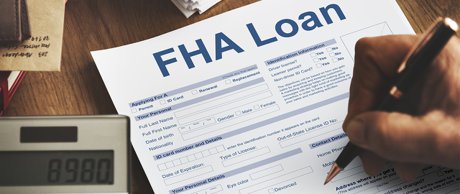
FHA Mortgage: Advantages and Disadvantages for Homebuyers

FHA Mortgage

An FHA mortgage is a great option for first-time homebuyers or those with low credit scores looking to purchase their own place. This loan, backed by the federal government, comes with both benefits and drawbacks - but let's explore what makes an FHA mortgage such a popular choice! From lower down payments and flexible requirements to potential pitfalls of high closing costs and insurance premiums - we will cover it all in this blog post!

Advantages of FHA Mortgage

  1. Lower credit score requirement: FHA mortgages have a lower credit score requirement than conventional mortgages, making them more accessible to borrowers with low credit scores. This means that if you have a credit score of 580 or higher, you may qualify for an FHA mortgage with a 3.5% down payment.
  2. Lower down payment requirement: FHA mortgages require a lower down payment than conventional mortgages. You can make a down payment as low as 3.5% of the purchase price of the home, making it easier for you to purchase a home if you don't have a large down payment.
  3. Flexible income requirements: FHA mortgages have more flexible income requirements than conventional mortgages. This means that if you have a low income or are self-employed, you may still be able to qualify for an FHA mortgage.
  4. Lower interest rates: FHA mortgages typically have lower interest rates than conventional mortgages. This means that you will pay less interest over the life of the loan, which can save you money in the long run.

Disadvantages of FHA Mortgage

  1. Mortgage insurance requirement: FHA mortgages require mortgage insurance, which is an additional cost that you will have to pay every month. The mortgage insurance premiums are higher than those of conventional mortgages and can add up to thousands of dollars over the life of the loan.
  2. Property requirements: FHA mortgages have strict property requirements that the home must meet. If the home does not meet these requirements, you may not be able to qualify for an FHA mortgage.
  3. Loan limits: FHA mortgages have lower loan limits than conventional mortgages. This means that you may not be able to borrow as much money to purchase a home as you could with a conventional mortgage.
  4. Strict eligibility criteria: FHA mortgages have strict eligibility criteria that borrowers must meet, including income and debt-to-income ratio requirements. If you do not meet these criteria, you may not qualify for an FHA mortgage.

FHA mortgages can be a great option for many, but it is important to weigh the advantages and disadvantages: With flexible income requirements, lower credit score & down payment needs and competitive interest rates - compared with other loan types- there are plenty of positives. However, you'll also need to consider property type restrictions plus mortgage insurance requirement that comes along with an FHA Loan; so make sure this is right choice for your financial future before taking the plunge.

Posted in Mortgage Tips