Scott Smolen Maryland real estate blog with market updates, community spotlights, and home buying tips

Maryland Real Estate Blog

Scott Smolen's Anne Arundel County and Bowie, Md. Real Estate Blog

Local real estate updates, market insights, community spotlights, and practical home buying and selling advice for Odenton, Gambrills, Crofton, Bowie, Piney Orchard, Two Rivers, and the surrounding Maryland real estate market.

Latest Market Trends

Stay current on mortgage rates, local inventory shifts, pricing trends, and buyer demand across the Maryland real estate market.

Home Selling Advice

Learn how to prepare, price, market, and negotiate when selling a home in today’s local market.

Home Buying Tips

Get practical guidance on affordability, inspections, offers, financing, and buying with confidence.

Community Spotlights

Explore local neighborhoods, market reports, lifestyle features, and community insights throughout the area.

March 28, 2024

Navigating Adjustable-Rate Mortgages

With the upward trend of mortgage rates and continued escalation of home prices, many borrowers are considering the benefits of adjustable-rate mortgages (ARMs). While this mortgage type can offer a more affordable entry into homeownership, it comes with risks. In this guide, we explore why ARMs are gaining popularity, how to determine if they are suitable for you, and the types of ARMs available.


Why ARMs Are Popular Now:

Adjustable-rate mortgages feature lower fixed interest rates for an initial period, followed by periodic adjustments throughout the loan's term. The appeal of ARMs has risen significantly, particularly as fixed mortgage rates surpassed 6%, a level unseen since 2008. The initial reluctance, as observed in early 2022, has shifted, with ARMs accounting for over 9% of mortgage applications by September 2022. This surge is linked to the desire of potential homebuyers to reduce monthly payments amid higher fixed rates, making ARMs more attractive. Is an ARM Loan a Good Idea Right Now? Opting for an ARM is essentially a wager on future mortgage rates. If you anticipate lower rates in the coming years, an ARM allows you to benefit from reduced rates once the fixed-rate period concludes. However, predicting rates beyond the fixed period (typically three, five, seven, or ten years) is challenging. Additionally, ARMs transfer the risk of interest rate fluctuations from the lender to the borrower, making them a riskier but potentially more affordable option.


Who Is an Adjustable-Rate Mortgage Best For?

While a lower monthly payment might be enticing, ARMs are not suitable for every borrower. Consider the following scenarios where ARMs may be a good fit:

1. Not Buying Your Forever Home: ARMs are ideal for those planning to sell within the fixed-rate period, typically five to ten years.

2. Comfortable with Risk: If you prioritize a lower initial payment and are willing to accept the risk of potential rate increases, an ARM might be suitable.

3. Borrowing a Jumbo Loan: Larger loans, above $1 million, often see borrowers opting for ARMs.

4. Able to Make Extra Payments: If you can allocate extra funds to pay down the principal during the initial rate period, an ARM can maximize interest savings. Risks of ARMs: While ARMs have regained popularity, qualifying for them can be more challenging than fixed-rate mortgages. Higher down payment requirements (at least 5%) and a thorough assessment of your financial situation contribute to this. Additionally, ARMs shift the risk of interest rate changes to the borrower, necessitating careful consideration of future financial scenarios.


Types of ARMs to Consider:

If you qualify for an ARM and decide its suitable, various options are available:

1. 5/1 ARM: A common type with a fixed interest rate for the first five years, followed by annual adjustments.

2. 5/6 ARM: Like the 5/1 ARM, but with interest rate adjustments every six months.

3. 3/1 or 3/6 ARM: Offers a fixed rate for three years, followed by annual or six-month adjustments.

4. 7/1 or 7/6 ARM: Features a fixed rate for seven years, followed by annual or six-month adjustments.

5. 10/1 or 10/6 ARM: Provides a decade of fixed-rate payments before annual or six-month adjustments.

Most ARMs include caps on rate increases, both yearly and throughout the loan's term. Utilize tools like Bankrate's adjustable-rate mortgage calculator to assess your ability to handle potential payment increases.


In Conclusion:

Choosing between a fixed-rate mortgage and an adjustable-rate mortgage requires careful consideration of your financial goals, risk tolerance, and your plans. While ARMs offer initial affordability, they come with uncertainties. Consulting with your mortgage professional and thoroughly evaluating your financial situation can help you make an informed decision based on your unique circumstances.


March 23, 2024

Transforming Chaos into Order: A Guide to Mastering Closet Organization

Are you tired of battling clutter in your closet every day? It's time to take control and bring order to your wardrobe space. Not only will this streamline your daily routine, but it will also usher in the season's fashion transition with ease.

Follow these steps to effectively organize your closet:

1. Clear Out the Clutter: Before diving into the organizational process, start by decluttering your closet. Bid farewell to clothes you have not worn in over a year and consider donating them to organizations like the Salvation Army, Red Cross, or local charities. Many cities provide convenient clothing donation bins, and various shelters, places of worship, and even schools may welcome your contributions.

2. Maximize Space with Shelves and Cubbies: If your closet space feels limited, think creatively to expand it. Incorporate additional shelving, cubbies, and hanging organizers to accommodate items that cannot be hung on the main rod.

3. Implement an Efficient Organization System: Create a structured system for your closet. Place your most frequently worn items at eye level for easy access, store less-used items on lower shelves or in drawers and reserve the topmost areas for rarely used possessions. You can categorize your clothing by purpose, such as work attire and formalwear in one section and casual wear in another.

4. Illuminate Your Closet: Dark, shadowy closets can be unwelcoming spaces. To combat this issue, install lighting fixtures that brighten up the area, making it easier to locate your desired outfits.

5. Harness the Power of Color Coordination: Approach your closet like a boutique. Organize your clothing by color, arranging items from light to dark or vice versa. This makes it a breeze to assemble stylish outfits effortlessly.

With some upbeat music as your companion, embark on your closet organization journey. You'll be pleasantly surprised at the newfound outfit inspirations that arise when everything is neatly arranged. Say goodbye to closet chaos and hello to a well-organized, stress-free space!


March 20, 2024

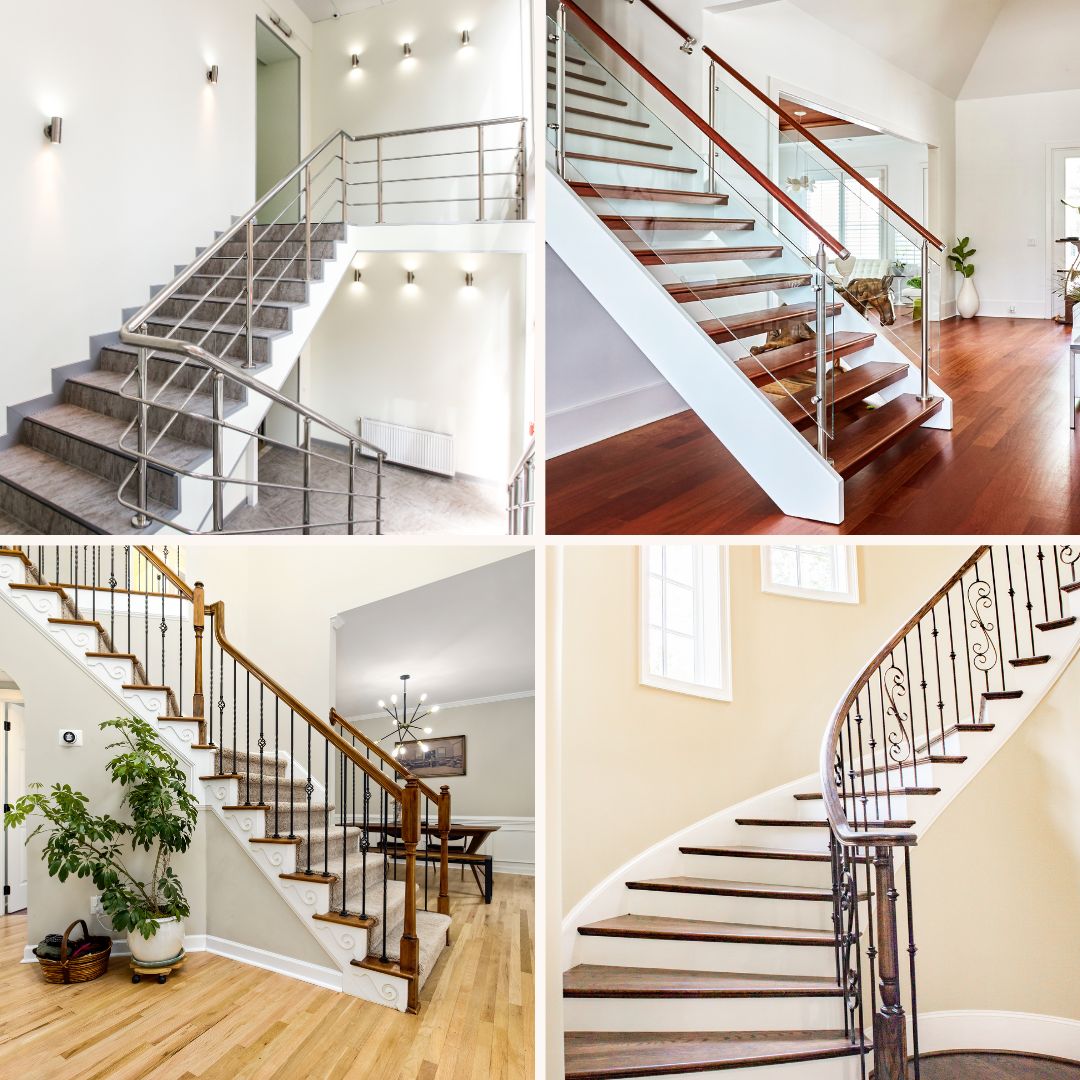
Elevating Your Home's Style Through Staircase Design

In the world of interior design, the staircase is often overlooked, relegated to the bottom of the priority list when it comes to home remodeling or décor. However, giving the staircase the attention that it deserves, can set the tone for the entire design of your home.

While prospective homeowners seldom reject a house based on the style or construction of its staircase, these architectural elements are more than just functional; they can make a significant aesthetic difference. Designer Tom Segal of Kaufman Segal Design aptly notes that a staircase can become a striking vertical feature, setting the stage for what lies ahead. Architect Bob Zuber, AIA, Principal of Morgante Wilson Architects, agrees, emphasizing that the staircase is often the most important three-dimensional element in a home, offering an opportunity to make a sculptural statement.

The beauty of staircase design lies in its versatility. Recent examples showcase the diversity of options available. For instance, in a recent issue of Elle Décor magazine, editor and homeowner Ingrid Abramovich installed a classic striped runner on the stairs of her family's 1870s vintage brownstone. In the same issue, designer Darryl Carter incorporated a sweeping curved staircase with fully exposed pale wood treads in a client's new Georgian Revival-style house in Washington, D.C. Both designs harmoniously blend functionality with style, tailored to each home's unique character.

Architect Alexander Zilberman, AIA, Principal of Alexander Zilberman Architecture P.C. (AZA), prefers to give staircases their own identity by placing them in a dedicated space. Pilasters and soffits can help define this space, separating it while maintaining its distinct presence.

Investing extra attention in your staircase and its surroundings can significantly enhance a buyer's first impression, according to broker Alicja Skibicki of Baird & Warner. While not as critical as a new kitchen or bathroom, the staircase can still make a difference. For example, modern floating staircases with clean lines are highly appealing to younger buyers. It is a design element that can turn heads and influence decisions.

Consider Proportions

Staircases come in various shapes and sizes, but it's essential that the staircase's design aligns proportionately with the space around it. Safety standards dictate the riser height and tread width, but the aim is to ensure that ascending and descending the staircase is a graceful experience. Elements such as the balustrade, railing, newel post, and nose should be in proportion with one another. For more detailed measurements and guidelines, websites like Houzz provide valuable insights under "Key Measurements for a Heavenly Stairway."

Opt for Continuity

Selecting the right wood color can be a challenging decision, as it should ideally complement any exposed flooring. Designer Tom Segal advises clients to first decide on the species and color of their flooring. Once this foundation is established, the staircase and its components should match in terms of stain color, promoting a cohesive look. Designers often have their preferences regarding wood color, shade, and material. For instance, Segal favors walnut and oak for their durability and opts for darker or medium stains. However, in very contemporary homes, a lighter stain might be more suitable. The key is to prioritize long-term factors such as durability and the overall style of the home over fleeting trends.

Mix It Up

While many staircases feature wood balustrades and spindles that match, some designers opt for variety. For instance, designer Marina Case of The Red Shutters frequently paints the handrail with Farrow & Ball's "Railings" color, creating a rich blue-black appearance. Segal often adds white paint to the risers and spindles to brighten the overall look. Even wrought-iron railings, considered dated in older homes by some, can be retained if they are not overly ornate. Quality materials and meticulous attention to detail can effectively enhance the staircase's appeal, according to Zilberman.

Embrace Contemporary Styles

In contemporary-style homes, designers are introducing cable railings or glass walls on the outer side of the staircase. These modern choices are favored by many homeowners for their ability to bring in light and offer captivating views. Janet Bertin of Janet Bertin Decorating Den Interiors transformed a traditional suburban home by adding metal cable railings and pairing them with oak treads stained a medium gray. A carpet runner in tightly woven blue wool further freshened up the space, delivering an impactful transformation at a reasonable cost.

Designer Ioana Tzatcheva of Ioana Todorova Designs, Decorating Den Interiors, modernized her Colonial-style home by adding tempered glass panels and steel handrails and posts. These contemporary elements elevated the entire staircase's aesthetic and made it a focal point. To align with the newly whitewashed floors, the stairs were capped with white oak treads and risers.

Stair Modules for Efficiency

Many specialized stair companies now build staircase parts as modules off-site and assemble them in the home. This approach saves time and minimizes errors. Viewrail, for example, manufactures not only traditional stair parts but also cable railings and glass walls. The company is known for its floating staircases, which meet safety standards set by the International Code Council.

Carpet Choices

Fully carpeted stairs are now a rarity in interior design. Instead, runners are favored in certain cases. Depending on the wood underneath, designers may stain and finish the boards, paint them if they're in poor condition, or leave them exposed and add a runner. For safety, wire-brushing stairs can be recommended to prevent slips. However, some designers, like Zuber, prefer leaving stairs uncarpeted for a modern look. Zilberman is also in the "no carpet" camp, believing that a well-designed staircase stands out on its own.

Designer Marina Case is among those who advocate for adding a runner for both safety and sound-dampening purposes. She prefers flat, tight weaves in nylon or wool and classic patterns like stripes or plaids.

If homeowners choose to add carpet, hiring an experienced installer is crucial to ensure pattern alignment. Most runners are installed using the waterfall method, where the carpet flows down the stairs. Another, more expensive option is the Hollywood or Chicago style, where each stair and riser has a separate piece of carpet.

Accessorize Your Staircase

While staircases often serve as focal points, especially in or near the foyer, homeowners can enhance the surrounding space for added impact. Wallpaper and paint can infuse color and style into the staircase's vicinity. A generously sized light fixture relative to the foyer's dimensions can add drama and draw attention to the staircase, as suggested by Segal.

Traditional additions, including a table or chest, mirror, seating, artwork, and area rugs that echo the staircase or floor patterns, can further enhance the space. Skibicki suggests applying faux-wood panels along the stairwell to add texture, while noting that any additions are an excellent way to express individual style.

In essence, your staircase can be a powerful design element, setting the stage for your home's style. Do not underestimate its potential to make a lasting impression and shape the character of your living space.


March 16, 2024

Selling Your Parents’ Home After Their Passing: Identify the Estate Executor and Notify All Interested Parties

When you inherit your parents' home, it's important to understand that being an heir doesn't automatically make you the decision-maker for selling the property.

"Many heirs only know they've inherited a property, but they lack knowledge about the inheritance process," says Ryan McKee, a Riverside, California agent and probate specialist with extensive experience in managing estate sales. "Before you can sell the house, you need to identify all the heirs and determine who is the named executor or personal representative authorized to make decisions about the sale."

Typically, the executor, personal representative, or administrator appointed in your parents’ will, or by the probate court, holds the authority to handle the sale of the home. This person is responsible for managing the estate, which includes making decisions regarding the property.

In addition to the heirs, other parties such as creditors may have a stake in the estate. If your parents had outstanding debts at the time of their passing, those creditors must be notified and paid. "It's the personal representative's duty to inform creditors and settle these debts, often using funds from the home sale," McKee explains.

While an estate attorney typically manages these responsibilities, it can be beneficial to ask your real estate agent to conduct a title search. This search can uncover any unresolved judgments or claims against the property that might need to be addressed before the sale.

Ideally, having a single decision-maker simplifies the process, but in some cases, if no executor is named or if multiple heirs share equal decision-making power, it can lead to prolonged disputes and significant legal costs.

In Conclusion

Navigating the sale of your parents’ home after their passing involves careful coordination with the estate's executor and consideration of all interested parties, including creditors. Understanding these responsibilities and ensuring clear communication can help streamline the process. For guidance through this challenging time, consider working with professionals like Scott and the Smolen Team, who can assist in managing the sale effectively and ensuring all legal requirements are met.


March 14, 2024

Mastering the Art of Buying and Selling a Home Simultaneously

Timing and a little bit of luck play a crucial role when buying a new home while selling your old one. While some aspects of the process are beyond your control, there are steps you can take to increase the chances of a smooth closing, perhaps even on the same day! Here is some essential information to guide you through the process of buying and selling a house simultaneously.

1. Assess the Local Housing Market:  The state of the real estate market in your area is a pivotal factor in timing your home purchase and sale correctly. Whether you're moving within the same town or across the country, understanding the market you're dealing with is vital. The time it takes to buy and sell a property can vary significantly based on local real estate conditions.

     • In a buyers’ market, more homes are available than buyers. In this situation, finding your new home might be easier, but selling your old home might take longer. Sellers might be open to a contingent offer, meaning you buy their home contingent on selling yours first.

     • In a sellers’ market, more buyers are present than available homes. Your current home is likely to sell quickly, making it more challenging to find a new home. You could consider asking your buyers for a rent-back agreement after closing to allow time to find your next place.

2. Select an Experienced Real Estate Agent:  Navigating the process of buying and selling simultaneously can be complex and overwhelming. Having Scott and the Smolen Team by your side is immensely helpful. An experienced local agent can help determine the market value of your home, guide you through timing, strategy, and negotiation.

     • The agent can assist you in finding the perfect listing price for your home based on local market expertise and comparable sales.

     • If buying and selling in the same market, consider using Scott for both transactions to streamline communication. If you are buying in another market area, talk to Scott and get a good referral from him for that area.

3. Understand Your Finances:  After selecting an agent and getting a sense of your local market, it's time to delve into your financial situation. Consult with your mortgage lender and financial planner to assess your financial feasibility. Factors such as liquid cash, home equity, and qualifying loan products can influence your decision-making.

4. Determine Your Home's Resale Value:  Researching your equity involves understanding your house's likely selling price in the current market. Consider conducting a pre-inspection to identify any necessary repairs or concessions you might need to make to potential buyers.

5. Know Your Home Equity:  If you're selling a mortgaged property, find out how much equity you have. Equity refers to the amount left over after deducting the remaining mortgage balance from the current market value of your home. You should also consider whether you can afford to purchase a new home without using your home equity, as it won't be accessible until after the sale closes.


Buying a House before Selling:

Option 1: Make an offer with a sale contingency, which means you find your new home first and submit an offer that's contingent on selling your current home successfully. This approach works best in buyers’ markets.

Option 2: Request an extended closing if you're confident your current home will sell quickly. This gives you more time to sell and use your home equity to buy a new property, making it more viable in buyers markets.

Option 3: Purchase with savings if you can afford to pay the down payment from your savings. You can then sell your old home after completing the purchase. Make sure to account for closing costs, inspections, and moving expenses.

Option 4: Purchase with a home equity line of credit (HELOC) if you qualify. A HELOC allows you to borrow against your current home's equity for the down payment, to be repaid once your home sells.

Option 5: Use a bridge loan, a short-term loan offered by banks to cover the down payment until your home sale closes. Ensure you inquire about this option early, as not all banks offer it.

Option 6: Rent out your first home if you don't need the sale proceeds immediately. Becoming a landlord can have challenges, but it allows you to delay selling until you find the right home.


Pros of Buying before Selling:

     • Immediate place to move to.

     • Saves money on storage and temporary housing.

     • Less pressure to rush into buying. Cons of Buying before Selling:

     • A rushed selling process might lead to lower offers.

     • Contingent offers might be less competitive in fast-paced markets.

     • Limited cash for a competitive offer if your money is tied up in your current home.

     • Being a landlord may not be ideal, and selling while tenants are in the home can be challenging.


Selling a House before Buying: 

Option 1: Make an offer with a settlement contingency. List your current home first, find a new home, and submit an offer with a settlement contingency, contingent on your existing home's sale closing. Works best in sellers’ markets.

Option 2: Find a temporary rental to live in. Closing one sale before starting another can be less stressful and provides more time to find the perfect new home.

Option 3: Sign a rent-back agreement. Proceed with the sale and agree to rent the home from the new owners for some days, giving you more time to search for your next home while accessing the sale proceeds.


Pros of Selling before Buying:

     • Clear idea of available equity for the new purchase.

     • Easier to roll existing equity into the new home.

     • Less stress, focusing on one move at a time.


Cons of Selling before Buying:

     • Need to find temporary living arrangements.

     • Additional storage and moving costs.


Remember, each approach has its merits and challenges, and it's essential to weigh your financial situation, market conditions, and personal preferences when deciding the best route for your unique circumstances. With the right preparation and the guidance of The Smolen Team, you can successfully navigate the intricate process of buying and selling a home simultaneously.


March 13, 2024

The Advantages of Partnering with a Real Estate Agent

Contemplating the sale of your home independently through a "For Sale by Owner" (FSBO) approach? Before embarking on this journey, it is crucial to weigh the responsibilities that come with it. Going solo can be a demanding task, as highlighted by a recent report from the National Association of Realtors (NAR). The report identifies pricing accuracy and navigating the intricacies of paperwork as two of the most challenging aspects for FSBO sellers.  Here is how a real estate agent can alleviate these challenges and enhance your selling experience.


Accurate Pricing Strategies

Determining the optimal price for your property is pivotal in attracting potential buyers. Engaging in a FSBO sale introduces the risk of either overpricing or underpricing your home. Overpricing may lead to decreased visibility, as interested buyers may not even come across your listing. Conversely, underpricing can result in missed opportunities and potential financial losses. NerdWallet emphasizes the importance of getting the price right from the outset, stating, "When selling a home, first impressions matter." To navigate this delicate balance, partnering with a real estate agent proves invaluable. Agents possess a profound understanding of the local housing market and leverage their expertise to set a competitive price that aligns with buyer expectations. By doing so, your home stands a better chance of making a positive impression on potential buyers right from the start.


Efficient Handling of Paperwork

Selling a property entails a myriad of paperwork and legal documentation, a task that can be overwhelming for homeowners handling it on their own. The multitude of rules and regulations adds complexity to the process, increasing the likelihood of errors that could lead to legal complications. Real estate agents are well-versed in the complexities of contracts and paperwork associated with home sales. Their expertise enables them to guide you seamlessly through the process, minimizing the risk of mistakes that may result in legal issues or delays. By aligning yourself with a professional, you gain a valuable advisor who can navigate the paperwork with precision and ensure a smoother transaction.


In Conclusion

Selling your home is a significant undertaking, and the complexities involved can be daunting. Collaborating with a real estate agent can significantly impact your selling experience by ensuring accurate pricing and adept management of all details. To streamline the process and alleviate the stress associated with a solo sale, connect with Scott and the Smolen Team who can provide the expertise needed for a successful transaction.


March 12, 2024

Credit Unions vs. Banks for Mortgages: Choosing the Right Option

When it comes to securing a mortgage, you are not limited to just big or regional banks. Credit unions have been steadily gaining prominence in the mortgage market, offering competitive loan terms and a more personalized customer service experience. Additionally, they often feature flexible lending criteria. However, the choice between a credit union and a traditional bank for your mortgage should be made after a careful consideration of the advantages and disadvantages of each.


Comparing Credit Unions and Banks for Mortgages:

Both banks and credit unions have their own unique merits, making the decision between the two pivotal. While they share certain similarities, it is their distinctive characteristics that can influence your choice.


Commonalities between Credit Unions and Bank Mortgages:

1. Application Process: Both banks and credit unions allow you to apply for a mortgage through various channels, including online applications, phone assistance, or in-person visits to their branches.

2. Mortgage Types: You can find a wide array of mortgage loans, including fixed and adjustable-rate mortgages, conventional mortgages, and FHA loans, from both banks and credit unions.

3. Financial Products and Services: Banks and credit unions serve as comprehensive financial service providers, offering services beyond mortgages, such as auto loans, savings and checking accounts, and personal loans.


Distinctive Aspects between Credit Unions and Bank Mortgages:

1. Profitability: The primary distinction lies in these institutions. Credit unions are typically non-profit organizations, while banks operate with a profit motive.

2. Membership: While banks are open to the public, credit unions may have more selective membership criteria. Some credit unions require individuals to reside in specific regions or work in particular professions.

3. Loan Programs: National banks often offer a more extensive range of loan types compared to credit unions.

4. Loan Retention: Credit unions typically retain the mortgages they originate (portfolio loans), while banks frequently sell the mortgages, they originate on the secondary mortgage market.


Pros and Cons of Opting for a Credit Union Mortgage:

Choosing a credit union mortgage comes with its own set of advantages and disadvantages that are essential to consider:

Advantages of a Credit Union Mortgage:

1. Fewer Fees: Credit unions are member-oriented, resulting in fewer fees passed on to borrowers. This is a notable contrast to banks, which primarily aim to generate revenue for investors.

2. Lower Rates: Credit unions often offer competitive mortgage rates. On average, they tend to provide lower rates on mortgage loans, which can translate to significant savings.

3. Personalization and Service: Credit unions are renowned for their superior customer service, fostering more personalized relationships with their members.

4. Easier Approval: Credit unions are more likely to accommodate individuals who do not fit the traditional profile of borrowers with excellent credit histories, making them a preferable choice for those with lower or middle incomes.


Drawbacks of a Credit Union Mortgage:

1. Membership Requirements: Certain credit unions have membership prerequisites based on their target demographics. Failure to meet these criteria may restrict your eligibility for a mortgage with a specific credit union.

2. Limited Technology: Credit unions may not offer the same level of technological sophistication and online convenience as banks or online lenders.

3. Branch and ATM Access: Credit unions generally have a smaller geographical footprint, leading to fewer branch and ATM locations. While some credit unions are part of national ATM networks or reimburse ATM fees up to a specific limit, availability may still be limited.

4. Potentially Higher Costs: Although credit unions often offer competitive rates, they may occasionally be outperformed by larger banks that provide notably lower mortgage rates.


Choosing the Right Lender:

Selecting the right mortgage lender is crucial, and it is vital to assess your specific needs and financial situation. Here is how to make an informed decision:

1. Consider Your Preferences: Credit unions are an excellent choice if you prioritize personalized service, lower rates, and fewer fees. Conversely, if you prefer a technology-driven, seamless lending experience or do not meet the membership requirements of a credit union, a bank or online institution might be a better fit.

2. Shop Around: Always explore your options with at least three different mortgage lenders. Comparing offerings from various institutions helps you make an informed choice that aligns with your unique circumstances.

3. Seek Expert Advice: For trustworthy guidance and a referral to a reputable local lender, do not hesitate to reach out to Scott and the Smolen Team. We are here to assist you in finding the right mortgage lender that meets your requirements.


In conclusion, the decision between a credit union and a bank for your mortgage involves evaluating your individual preferences and circumstances. Both options offer distinct benefits, so careful consideration and shopping around are key to making the best choice for your homeownership journey.


March 11, 2024

Securing Your Family's Future: Building Generational Wealth Through Home Equity in 2024

Every parent dreams of providing a foundation for their children and grandchildren to lead healthier, happier, and more prosperous lives. In the realm of generational wealth, where assets are passed down to family members, real estate emerges as a pivotal player. This article explores the crucial role of home equity in building generational wealth, offering insights into its significance and practical strategies for leveraging it as a cornerstone for your family's financial legacy.


Generational Wealth and Homeownership Statistics:

The U.S. residential real estate market, valued at $43.5 trillion, surpasses the market cap of the Standard and Poor’s 500 ($36.7 trillion) and the total value of all U.S. public companies ($40 trillion). Homeowners' equity in the U.S. has surged from $16 trillion in 2018 to $31.6 trillion in 2023 (Q2), with the average homeowner now possessing nearly $290,000 in equity, up from $182,000 pre-pandemic. Real estate holds a significant place in the wealth portfolios of different generations, particularly Gen X ($13.6 trillion), Millennials ($5 trillion), and Baby Boomers ($18.3 trillion). Millennials and Gen X-ers are projected to inherit $84 trillion by 2045. Despite the high aspiration for homeownership (74% considering it part of the "American Dream"), challenges, such as affordability concerns, are prevalent, with 32% believing they may never afford their dream home.


Importance of Home Equity:

Home equity represents the portion of your property that you own, calculated as the current market value minus outstanding mortgage debt. It grows through mortgage payments and appreciation resulting from factors like home improvements, neighborhood enhancements, and overall market trends. Home equity serves as a tangible financial asset, offering avenues for borrowing, refinancing, or selling for profit, often at favorable interest rates.


Building Generational Wealth with Home Equity:

Generational wealth is nurtured through disciplined actions, primarily regular mortgage payments to reduce the mortgage balance and resisting the temptation to borrow against accumulated home equity. The gradual accrual of home equity acts as a forced savings mechanism, fostering wealth accumulation even for those lacking discipline in other savings avenues.


Using Home Equity to Support Younger Generations:

Real estate, appreciating over time, becomes a valuable asset passed down from one generation to the next, providing economic benefits and options. Descendants inheriting property can choose to sell, live in it, leverage its equity for financial ventures, rent it out for passive income, or benefit from potential tax advantages. Passing down home equity not only creates economic opportunities but also strengthens familial bonds and preserves the family home's legacy.


Building Home Equity in 2024:

Despite recent market shifts due to factors like rising interest rates, low supply, and sustained demand, home values and equity continue to grow, albeit at a moderated pace. Waiting for better market conditions carries risks, as delaying homeownership might result in missing out on potential home equity growth. The enduring value of real estate and its historical appreciation make homeownership a powerful tool for long-term prosperity, despite current market challenges.


Challenges of Passing Down Property:

While homeownership and home equity contribute to generational wealth, challenges exist. Estate or inheritance taxes, unresolved liens or mortgages, and differing opinions among heirs regarding the property's future are potential hurdles. Liquidity issues arise as home equity wealth cannot be easily shared among multiple heirs, requiring the sale of the property to monetize the equity.


In Conclusion:

Owning a home can be a strategic path to building generational wealth, provided it aligns with your financial goals and circumstances. Despite challenges, the enduring value of real estate, coupled with the potential for equity growth, positions homeownership as a powerful tool for securing your family's financial legacy. By leveraging home equity and understanding the dynamics of real estate, you can establish a solid foundation for long-term prosperity for generations to come.


March 8, 2024

Unraveling the Mystery of HOA Fees: A Comprehensive Guide

The dream of homeownership is an integral part of the American ethos, with a resounding 74 percent of Americans expressing their agreement, as per a recent survey by Bankrate Financial Security. For homeowners residing in communities governed by homeowners’ associations (HOAs), a host of benefits awaits, ranging from landscaping and lawn maintenance to access to swimming pools and sports facilities. The extent of services managed by an HOA can vary depending on the community type, covering responsibilities like maintaining common areas in high-rise buildings, lobbies, hallways, or an array of other amenities. As a member of an HOA, you will be responsible for paying HOA fees, which fund these services. The fee's value can differ widely based on the level of amenities offered within your community, and it can be influenced by external factors such as economic conditions or the geographical location of the community. Here, we delve into everything you need to be aware of before you decide to purchase a home within an HOA community.


HOA Fee Insights

• According to estimates from the U.S. Census Bureau's American Housing Survey, the average monthly HOA fee stands at $170. However, most HOA members pay less than $50 each month.

• A noteworthy 29 percent of the U.S. population, translating to 74.2 million Americans, lived within homeowners’ associations, condominium communities, or co-ops in 2021, as reported by the Community Associations Institute (CAI).

• These associations manage properties collectively valued at a staggering $11 trillion, as indicated by data from the CAI.

• In terms of sheer numbers, California leads with over 50,000 associations, closely followed by Florida with 49,420, per CAI's findings.


Understanding Homeowners Associations (HOAs)

A homeowner’s association, or HOA, is an entity within a community that establishes and enforces regulations governing the properties within its jurisdiction. These rules can encompass diverse aspects, ranging from the permissible colors for house exteriors to the number and types of pets allowed. Whether you dwell in a single-family home, condominium, or townhouse, if your community offers shared spaces or amenities such as swimming pools, tennis courts, or security gates, it's highly likely that the maintenance of these common areas is overseen by an HOA or condo association. Typically, the HOA is managed by a board of property owners who are elected by fellow property owners residing in the community. HOA fees are designed to cover the expenses incurred by these services.


The Pros and Cons of HOAs

Pros:

• Access to valuable amenities such as fitness centers, playgrounds, or pools.

• Maintenance responsibilities that can be cumbersome, such as lawn care or snow removal, are handled for you.

• Rules pertaining to property upkeep and aesthetics often ensure a visually appealing neighborhood and stable property values.

Cons:

• You are obliged to pay HOA fees, which can vary widely based on the community and may range from a mere $100 annually to over $1,000 each month.

• HOAs impose numerous restrictions and rules, potentially impacting how you can use your property. For instance, they often prohibit home-based businesses and rentals.

• Failure to pay dues promptly may lead to the risk of foreclosure, depending on your state's laws.


Deciphering HOA Fees

An HOA fee is a regular charge, typically assessed on a monthly or quarterly basis, which is collected by the homeowner’s association to finance the services it offers. If you reside in a condominium, a comparable fee might be paid to the condo association. Understanding how HOA fees function is crucial when considering a home purchase within an HOA. These fees are typically utilized to maintain or enhance the community's quality of life, and they are distinct from your mortgage, property tax, and homeowner’s insurance payments. Even when your mortgage is fully paid off, you'll continue to bear the responsibility of paying HOA fees. "HOA fees and dues managed by a homeowners' association can provide residents with quality-of-life amenities that an individual owner might not be able to enjoy on their own," says Candy La Monica, broker of the Candy La Monica Team at RE/MAX Executive in North Carolina. "If you find these benefits essential, you won't mind paying the fees or dues. However, be sure to work alongside your real estate agent to conduct proper due diligence before making a purchase. If these services and amenities are not of particular importance to you, you might find greater contentment in an area outside of an HOA."


What Do HOA Fees Cover?

The services covered by HOA fees can vary significantly and are contingent upon the amenities available in your community. Your HOA's governing documents should specify what these fees are designated for, which may include common services like grounds maintenance, landscaping, snow and trash removal, and electricity and pest control for shared areas. HOA dues might also be allocated to enforce HOA regulations. In general, these regulations aim to ensure that every property remains visually appealing and well-maintained, thereby helping to sustain property values and maintain a secure environment for all residents. It is important to note that the more services your HOA provides, the higher your HOA dues are likely to be.


Determining the Cost of HOA Fees

On a national scale, the mean monthly HOA fee stands at $170, according to census data. The amount of HOA fees can vary considerably based on the property's location and the array of amenities available to property owners. It is the HOA's governing board that determines the fees property owners must pay to cover the community's expenses. For instance, an oceanfront condo owner with an abundance of amenities may be subject to HOA fees of $1,000 per month, while a homeowner in a modest gated community situated ten miles inland might pay only $150 monthly. It is not uncommon for larger residences within an HOA to have higher fees, as they are assumed to utilize a greater extent of services. For example, maintaining the grounds of a spacious single-family home is more costly compared to a narrower townhouse.


Special Assessment Fees

While regular HOA fees tend to remain relatively stable, the community's board may also authorize something known as a "special assessment." These assessments are typically implemented to cover the costs of substantial or unforeseen work, such as repairing damage to common areas after a natural disaster or refinishing a building's facade (an obligation enforced in some cities, such as New York, on a periodic basis). Special assessments may also be used to build up the community's reserve fund, which serves as the HOA's financial safeguard. This fund stands ready to help offset much larger special assessments in the event of significant required work. Special assessments can take the form of one-time charges or ongoing fees in addition to your regular dues. HOA boards typically enjoy a significant degree of autonomy in implementing these assessments and may not always need to seek the input or even notify residents beforehand. Nonetheless, passing a resolution and notifying the community is considered a best practice.


Inflation and Its Impact on HOA Fees

Your HOA fees cover the costs associated with goods and services, and these costs can be significantly influenced by inflation. For example, if the company responsible for maintaining the community pool raises their prices due to increased costs of materials caused by inflation, your fees may increase in response to cover this additional expense. Any inflation-induced rise in the expenses that an HOA must bear is likely to be passed on to homeowners through higher fees.


Key Inflation Statistics and Its Consequences for HOA Fees:

• As of August 2023, the annual inflation rate stands at 3.7 percent, as reported by the U.S. Bureau of Labor Statistics' Consumer Price Index.

• Industry experts anticipate that community associations will need to raise dues by 10 to 15 percent by the end of 2023 to keep pace with inflation, according to HOA Management.

• Data from Bankrate's American Dream survey reveals that 53 percent of Americans are currently not homeowners due to unfavorable housing market conditions, including high prices and elevated mortgage rates.

• Housing constitutes one of the most significant contributors to overall inflation, with the shelter index increasing by 7.3 percent in the past 12 months.

• Soaring insurance premiums are also contributing to the escalation of HOA fees.


HOA Fees and Location

The location of your property plays a significant role in determining the amount of HOA fees you will incur, as these fees can differ considerably depending on local regulations and the cost of living in the area. An illustrative example is the situation in Tampa Bay, Florida, where owners of high-rise condos are grappling with a new law that necessitates milestone inspections and mandates HOA associations to maintain ample reserves for any necessary repairs. In another instance, Miami, Florida, registered the highest inflation rate of any metropolitan area in the United States during 2022, according to data sourced from the Bureau of Labor Statistics. Other cities in the top five included Phoenix, Seattle, Atlanta, and Philadelphia, followed by New York, Baltimore, Detroit, St. Louis, and Chicago. In these areas, HOA fees are likely to increase due to the elevated inflation.


Are HOA Fees Tax-Deductible?

IRS regulations can be intricate, but as a rule, HOA fees are not tax-deductible when the property you own within the community serves as your primary residence. However, if you rent out the property, your HOA dues might qualify as deductible rental expenses. Special assessments imposed by HOAs are generally not deductible.


Addressing Financial Challenges with HOA Fees

If you find it difficult to meet your HOA dues, the HOA board or management company might be able to arrange a payment plan to assist you. It is advisable to be transparent about your financial situation with the board at an early stage to explore the possibility of reaching an agreement. Ultimately, if you fall into arrears for an extended period or face insurmountable debt, the HOA holds the authority to initiate eviction proceedings. In some cases, a lien could be placed against your deed to facilitate the recovery of the community's financial losses.


Key Questions to Ask Before Buying into an HOA

If you are contemplating a property purchase within a homeowner’s association, you should have access to information regarding the amount and nature of the HOA fees. Often, this information is included in real estate listings. You should also be able to obtain minutes from past board meetings and other records, which detail fee changes and any rules related to these fees, through your real estate agent or the HOA.

As you delve deeper into the realm of HOAs, it is advisable to seek answers to the following questions:

• How frequently has the HOA increased fees in recent years?

• What services do these fees specifically cover? What do they not cover?

• Does the HOA maintain a reserve fund for long-term repairs and maintenance, and if so, how substantial is it?

• Has the HOA engaged an expert to conduct a reserve study, which estimates the amount of money that should be set aside to cover future expenses?

• Does the HOA have a history of imposing special assessments? If so, what were the amounts, the reasons behind them, and how often were they implemented?

Gathering responses to these inquiries can aid you in concluding whether the HOA has set aside sufficient funds to address significant expenses, thus averting the need for unexpected high assessments, or whether higher fees or special assessments might be in the cards.


Concluding Thoughts

In conclusion, when considering the purchase of a home within an HOA community, it is essential to weigh the costs against the benefits. HOA fees can vary significantly due to various factors, encompassing your location, the range of amenities provided, and the impact of inflation. Areas with a higher cost of living or exposure to severe weather conditions are more likely to have higher fees. While these fees might initially seem like an additional financial burden or a substantial portion of your monthly budget, their conveniences can be invaluable, sparing you the substantial effort required for tasks like snow removal and lawn maintenance. For a thorough exploration of the pros and cons of living in an HOA-governed community, do not hesitate to reach out to Scott and the highly informed Smolen Team. Their expertise can provide you with the insights you need to make an informed decision about your future in an HOA community.


March 7, 2024

Unlocking Homeownership: Factors Shaping Affordability

In the realm of housing affordability, the past year has sparked widespread discussions about its increasing challenges. While recent relief has been observed, attributed to a decline in mortgage rates from their peak in October, the intricacies of home affordability extend beyond this singular aspect. To gain a comprehensive understanding of home affordability, one must consider the harmonious interplay of three pivotal factors: mortgage rates, home prices, and wages.

1. Mortgage Rates

In recent months, mortgage rates have experienced a downtrend, with experts predicting further declines throughout the year. Jiayi Xu, an economist at Realtor.com, anticipates this trend, stating, "While there could be some fluctuations... the general expectation is that mortgage rates will continue to trend downward, as long as the economy continues to see progress on inflation." Even a slight shift in mortgage rates can significantly enhance purchasing power, easing the burden on potential homeowners by reducing monthly mortgage payments.

2. Home Prices

The second crucial factor influencing affordability is home prices. Despite a relatively normal pace of increase last year, home prices are expected to rise moderately in 2024. The growth is attributed to a projected increase in inventory, although the demand still outpaces the available supply. According to Lisa Sturtevant, Chief Economist at Bright MLS, "More inventory will be generally offset by more buyers in the market." While this projection signifies a more stable market compared to pandemic-driven surges, waiting may result in higher costs for prospective buyers. Acting swiftly before market dynamics change further might be in the best interest of those ready to make a purchase.

3. Wages

A positive factor contributing to affordability is the simultaneous rise in income. Elevated wages play a pivotal role in improving affordability by reducing the percentage of income required to cover mortgage payments. This means that with higher wages, individuals need not allocate as much of their income towards monthly housing costs.

Implications for Prospective Buyers

Home affordability hinges on the delicate balance of mortgage rates, home prices, and wages. The encouraging news is that these factors are currently aligning favorably for buyers.

In Conclusion

For those contemplating homeownership, it is crucial to recognize that the key factors influencing affordability are trending positively. Stay informed with the latest updates on mortgage rates, home prices, and wage trends by connecting with Scott and the Smolen Team today! Unlock the doors to homeownership with confidence.