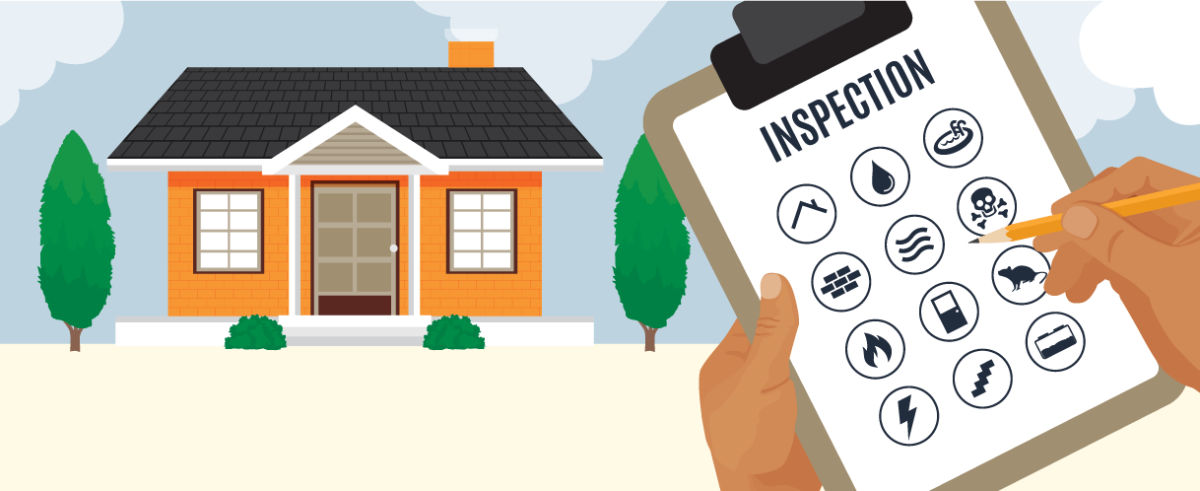
A home inspection is a standard, and strongly recommended part of the homebuying process. While buyers can waive the inspection contingency, doing so often means giving up valuable insight into a home’s true condition.
A certified home inspector evaluates a property’s major systems and structural components to identify safety concerns, functional issues, and potential future costs.
The Focus of a Home Inspection
Home inspections concentrate on the systems that most affect safety, performance, and long-term expenses. These typically include the structure, roof, electrical system, plumbing, and heating and cooling systems. Rather than documenting every cosmetic flaw, inspectors focus on issues that could impact livability, safety, or major repair costs. Minor wear and tear may still be noted, but it’s not the primary concern unless it signals a larger issue.
What Do Home Inspectors Look For?
Here are the main areas reviewed during a typical home inspection:
1. Roof Condition: The roof is one of the most expensive components of a home and one of the first areas inspected. Inspectors look for damaged or missing shingles, worn flashing, soft spots, and signs of moisture intrusion that may indicate limited remaining lifespan.
2. Water and Moisture Issues: Water damage can quietly affect a home’s value and safety. Inspectors check plumbing, windows, roof transitions, basements, and foundations for stains, peeling paint, wet insulation, and other signs of moisture intrusion.
3. Foundation and Structure: Inspectors evaluate the foundation for cracks, uneven floors, gaps around doors and windows, leaning chimneys, and other indicators of structural movement or stress.
4. Electrical Systems: Electrical systems are a major safety priority. Inspectors examine panels, outlets, wiring, and grounding, watching for outdated materials, overloaded panels, missing GFCI protection, and other fire or shock hazards.
5. Heating and Cooling Systems: Heating and cooling systems impact comfort and energy efficiency. Inspectors test system operation and airflow and look for rusted components, damaged ductwork, improper venting, or aging equipment.
6. Plumbing Systems: Inspectors look for leaks, visible corrosion, outdated piping, running fixtures, and water pressure issues. Plumbing findings help identify both current problems and potential future repairs.
7. Pest or Wood-Destroying Damage: Inspectors check for signs of pest activity or wood-destroying organisms, which can cause structural damage over time. Homes in humid areas are often more susceptible to these issues.
When Additional Inspections Are Needed
Some findings may require specialized inspections, such as stucco or moisture testing. These evaluations go beyond surface appearances and can uncover hidden issues that affect long-term durability.
Bottom Line
A home inspection provides buyers with a clearer understanding of a property’s condition. Not every finding is a deal-breaker, but inspection results help guide negotiations, repair decisions, and financial planning before closing. Even when not required by a lender, a home inspection is one of the best ways to protect your investment and move forward with confidence.
If you’re preparing to buy a home and have questions about inspection priorities, common issues in the local market, or need a trusted home inspector referral, contact Scott and the Smolen Team today. We’re happy to share guidance, help you understand inspection reports, and connect you with experienced local professionals so you can move forward with confidence.