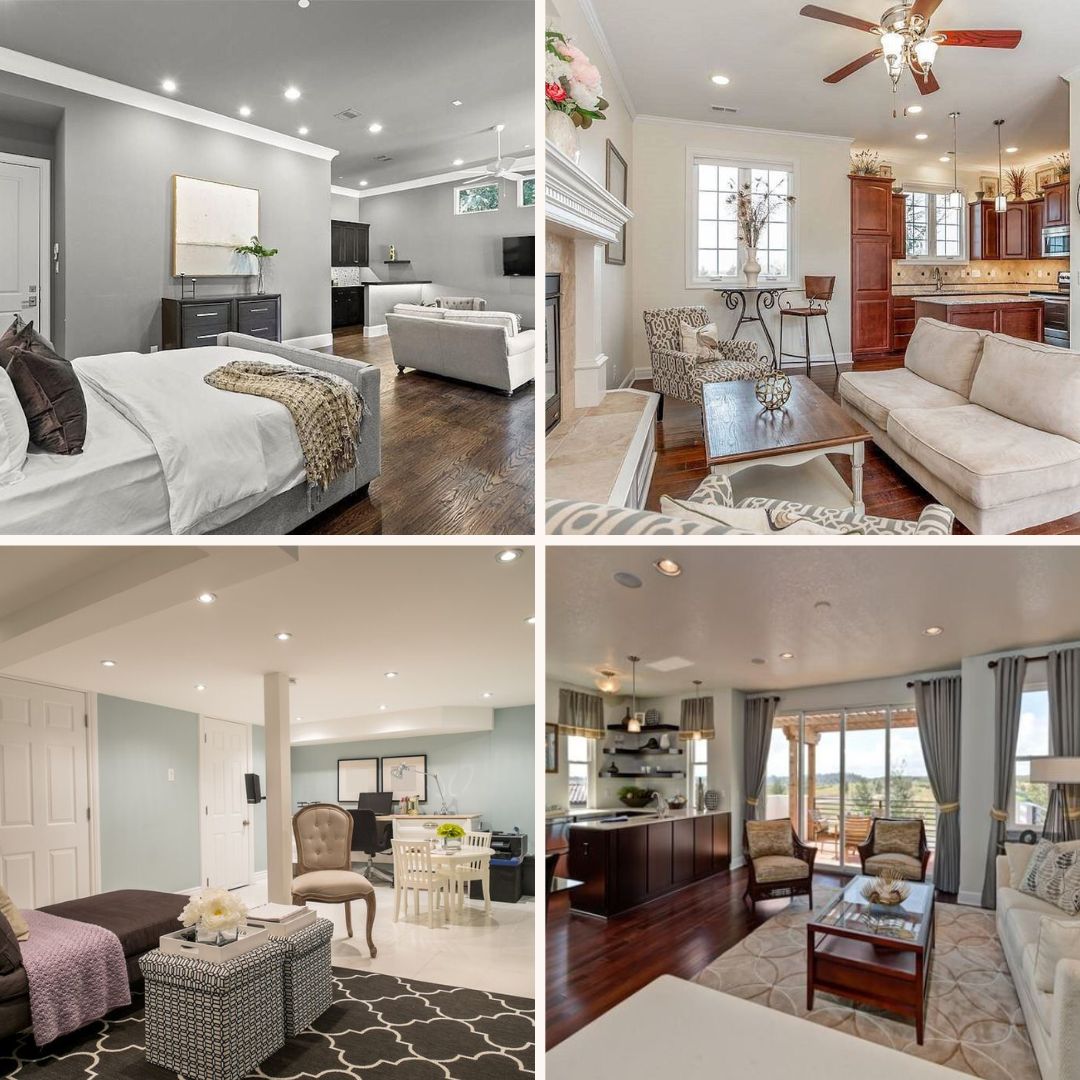
What Constitutes an In-Law Suite?
At its core, an In-Law suite refers to a living space established within a residence, an extension appended to a dwelling, or a separate residential unit designed for use by a relative or in-law. This suite can either be connected to or erected on the same property as a home housing other family member. Often, the intent behind a In-Law suite is to facilitate elderly family members living in proximity to their adult children or relatives while maintaining their autonomy and privacy. Such arrangements are particularly prevalent in multi-generational households, where parents, grandparents, and children reside under one roof.
While the concept of a In-Law suite, sometimes now referred to as a "granny flat," has existed for decades, it experienced its peak popularity post-World War II until zoning regulations curtailed its expansion. Today, this type of accommodation, whether as a modified section within an existing home or a detached "granny flat," is undergoing a resurgence among homeowners.
Components of an In-Law Suite
A typical In-Law suite comprises distinct sleeping and living quarters, a kitchen, and a bathroom. While it can be linked to the primary house, the living space often remains distinct from the rest of the residence, yet close enough to enable grandparents' involvement with grandchildren or adult children's support for their parents.
In-Law suites can be as modest as a single room with a bed, couch, dining area, and access to a bathroom. However, an ideal suite would possess a private bathroom.
These suites can also be situated in a separate section of the house, like a basement with an independent entrance, a garage, or an attic tailored to suit occupants' requirements.
Rising Popularity of In-Law Suites
The prevalence of In-Law suites is on the rise in modern families. USA Today reveals that approximately 51 million Americans live in multigenerational households, marking a 10% increase since 2007.
One primary reason for their growing popularity is the financial sharing inherent in this living arrangement. In-Law suites enable both generations to collaborate on homeownership expenses. Additionally, these suites offer independent living arrangements for post-graduates, helping them manage debts as they initiate their careers and save for their own residences.
Another factor contributing to the popularity of in-law suites is the escalating cost of assisted living facilities for aging adults and the need for downsizing. The average monthly cost of assisted living in the US is around $4,300, posing financial challenges for both parents and children.
Furthermore, the surge in remote work has sparked interest in in-law suites as dedicated workspaces. Pew Research notes that around 54% of employed individuals prefer working from home, reflecting a significant increase since the pre-pandemic era. Many remote workers seek a separate area for professional tasks while keeping living spaces distinct.
Varieties of In-Law Suites
Interior In-Law suites are integrated within the primary residence, either in a basement that has been repurposed or a section of the main house like a study or den. Some houses are designed with layouts that accommodate extended family, featuring bedrooms at opposite ends and separate bathroom facilities. However, common areas like the living room, dining area, and kitchen are shared.
Attached In-Law suites involve constructing an independent living space connected to the existing house, often positioned on the side or rear as an addition.
Detached In-Law suites, also known as accessory dwelling units (ADUs), granny flats, or secondary suites, are typically smaller standalone residences situated on the same property as the main house. They vary in size, features, and styles based on personal preferences and needs.
Attic or garage in-law suites involve renovating an attic or garage to accommodate relatives. These remodels typically encompass a bedroom, bathroom, kitchen, and living area. In some cases, a detached structure above a standalone garage offers even more privacy.
Building Costs of In-Law Suites
The expense of creating an In-Law suite varies widely based on the type of suite, its size, and the specific amenities integrated into the space.
- Interior In-Law suites: Transforming a basement or a portion of the main house into a suite can cost anywhere from less than $3,000 to over $200,000, depending on the extent of the remodel.
- Attached In-Law suites: A 500-square-foot attached suite can range from $106,000 to $216,000, contingent upon project scope.
- Detached In-Law suites: Prefab detached structures can start from $30,000 and reach up to $125,000, including delivery and placement.
- Garage In-Law suites: Converting a garage or shed might cost $15,000 to $20,000.
The cost of building or remodeling a In-Law suite hinges on various factors, making exact estimates challenging. Repurposing existing space like a basement or attic my yield savings compared to constructing a detached unit.
Creating an In-Law Suite
Constructing an In-Law suite entails careful planning, adhering to zoning laws, and potentially navigating homeowner association restrictions. Decisions about the extent of personal involvement in the project versus hiring professionals need to be made.
Future use of the suite should also be considered. For instance, installing separate utilities for the unit enables versatility for renting or repurposing the space.
Designing with occupants' needs in mind, including accommodations for mobility challenges, can ease future transitions for relatives.
Additional Uses for In-Law Suites
Should the In-Law suite become vacant, numerous options for its utilization arise, regardless of whether it is an integral part of the main house, a basement conversion, or a standalone structure.
In-Law suites can serve as backyard offices, long-term rentals (adhering to local regulations), Airbnb listings, home-based businesses like yoga studios or art studios, home gyms, nanny quarters, or commercial kitchens for culinary ventures. In the case of a detached in-law suite, it can even become a personalized she-shed or man cave.
Property Value Impact of In-Law Suites
In-Law suites have the potential to augment property value, although quantifying the exact increase is challenging. The diverse nature of in-law suites and variations in finishes and amenities make valuation intricate. Moreover, a lack of suitable real estate comparisons complicates appraisal and assessment.
National averages offer rough estimates, such as a basement remodel raising a home's value by almost $50,000 or a master suite addition adding about $80,000 on average. Nonetheless, the precise increase from a In-Law suite hinges on the location and the suite's specifics.
Ultimately, assessing the value of an in-law suite depends on individual circumstances. It may not resonate with every potential buyer, particularly if it involves repurposing garage space in a neighborhood accustomed to two-car garages. However, expanding living space at the rear of a home could elevate overall value and buyer appeal.
Beyond financial gains, the intrinsic value of extra space for accommodating relatives, guests, or personal interests remains a significant advantage of integrating an In-Law suite into a property.