Understanding the Home Appraisal Process
A home appraisal can directly affect whether a real estate transaction moves forward, gets renegotiated, or runs into financing problems. Buyers, sellers, and homeowners refinancing a property should understand what the appraiser reviews, who the appraisal is for, and what options may exist if the value comes in lower than expected.
What Is a Real Estate Appraisal?
An appraisal is a professional opinion of a property's market value prepared by a licensed or certified appraiser. In most financed real estate transactions, the appraisal is ordered by the lender to help confirm that the property supports the loan being requested.
The appraiser is expected to prepare the appraisal report in accordance with the Uniform Standards of Professional Appraisal Practice. Even though the buyer often pays for the appraisal as part of the loan process, a lender-ordered appraisal is not performed for the buyer or seller. The appraiser's assignment is for the lender.
Plain English version: the lender wants to know whether the property provides enough collateral for the mortgage. That is why the appraisal can become such an important step in the buying, selling, or refinancing process.
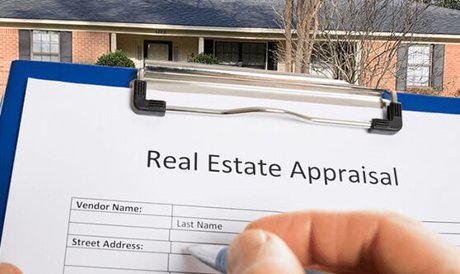
Key Parts of the Appraisal Process
Property Features and Condition
The appraiser reviews the home's size, layout, condition, location, improvements, site features, and overall market appeal. The quality of updates, functional utility, deferred maintenance, and property condition can all influence the appraiser's opinion of value.
Physical Inspection
The appraiser typically conducts an on-site inspection, takes photographs, verifies measurements, reviews room count, and observes the property's interior and exterior condition. For a refinance appraisal, the homeowner should be available to provide access.
Comparable Sales
Comparable homes, often called “comps,” are one of the most important parts of the appraisal. The appraiser reviews recent sales of similar nearby properties and adjusts for differences such as size, condition, location, lot features, upgrades, and timing.
Market Data and Trends
The appraiser may review public records, MLS data, prior sales, active competition, pending sales, and broader market conditions. Local market momentum can matter, especially when prices are moving quickly.
The Appraisal Report
After completing the review, the appraiser prepares a report with an opinion of value and an explanation of how that value was determined. The report generally includes comparable sales, adjustments, photographs, maps, and supporting commentary.
Lender Review
Once the appraisal is submitted, the lender reviews it as part of the loan process. If the value supports the contract price and loan structure, the transaction usually continues forward. If not, the parties may need to address the value gap.
Why Seller Representation Matters During the Appraisal
If you are selling your home, it can be extremely beneficial for your Realtor to meet the appraiser when permitted. The goal is not to pressure the appraiser. The goal is to make sure the appraiser has accurate, relevant, and complete information.
A strong listing agent can provide a well-organized appraisal packet that may include the comparable sales used to support the listing price, details about upgrades and improvements, relevant neighborhood context, and information about competing or pending homes when appropriate.
A Realtor Can Help Provide:
- Relevant comparable sales
- Documentation of improvements
- Accurate property feature information
- Neighborhood and market context
- Information on competing listings and recent buyer activity
- Support if an appraisal reconsideration becomes necessary
What Happens If the Appraisal Comes In Low?
If the appraised value is lower than the contract price, the lender may not approve the loan based on the original terms. Depending on the loan type, down payment, appraisal contingency, and contract language, several outcomes may be possible.
The Buyer May Bring More Cash
The buyer may be able to increase the down payment or cover some or all of the appraisal gap, depending on their financial position and lender requirements.
The Seller May Adjust the Price
The seller may agree to reduce the price to the appraised value or to a revised price that keeps the transaction moving.
The Parties May Renegotiate
Buyers and sellers may negotiate a compromise that addresses the appraisal gap while keeping the deal acceptable to both sides.
The Appraisal May Be Challenged
A low appraisal can sometimes be appealed through a reconsideration of value process if there are factual errors, stronger comparable sales, or overlooked market data.
Important point: a low appraisal is serious, but it is not automatically the end of the transaction. The next step depends on the contract, the loan program, the lender, the buyer's available funds, and the quality of the data supporting the home's value.
Can a Low Appraisal Be Appealed?
Yes, in some cases a low appraisal can be challenged. The process may be called an appraisal appeal, reconsideration of value, or value dispute, depending on the lender and loan program. The process is not as simple as saying, “I disagree.” It needs to be supported by facts.
During nearly 30 years in real estate, I have been involved in many appraisal challenges. When an appeal is prepared correctly, with strong comparable data and a clear explanation of possible errors, it can make a difference. That does not mean every low appraisal can be overturned, but it does mean buyers and sellers should not assume the first value is automatically final.
The strongest appraisal challenges usually focus on measurable issues: incorrect square footage, missed upgrades, inappropriate comparable sales, better comparable sales that were not considered, inaccurate condition adjustments, or market data that supports the contract price.
Refinancing? You Should Prepare for the Appraiser Too
If you are refinancing your home, you should be present or make proper arrangements so the appraiser can access the property. You should also be ready to provide a list of meaningful improvements, dates of major updates, and any relevant details that may help the appraiser understand the property.
If you are refinancing and would like help identifying relevant comparable sales before the appraiser visits, reach out to The Scott Smolen Team. We can help provide local comparable data so you are better prepared.
Home Appraisal FAQs
Who does the appraiser represent in a lender-ordered appraisal?
When a lender orders the appraisal, the appraiser's assignment is for the lender. The buyer may pay for the appraisal, but the appraiser is not representing the buyer or seller in the transaction.
What does a home appraiser look at?
An appraiser typically reviews the property's size, condition, location, improvements, public records, comparable sales, photographs, measurements, and current market trends.
What happens if the appraisal is lower than the contract price?
The buyer may need to bring more money to closing, the seller may agree to adjust the price, the parties may renegotiate, or the buyer may have options depending on the appraisal contingency and loan structure.
Can a low appraisal be appealed?
In some cases, yes. A low appraisal may be challenged through a reconsideration process if there are factual errors, better comparable sales, or overlooked market data that supports a different value.
Why is Realtor involvement important?
An experienced Realtor can help provide relevant comparable sales, document improvements, explain property features, and assist with the response if the appraisal comes in below the contract price.
Need Help Understanding Your Home’s Value?
Whether you are selling, buying, or refinancing, the appraisal process can have a major impact on your next move. The Scott Smolen Team can help you review comparable sales, understand current market conditions, and prepare with better information.