Losing a parent is one of life's most painful experiences. On top of grieving, you may also face the overwhelming task of settling their estate, which often includes selling their home. Selling a parent’s house after their passing can be a complex and emotional process, especially if you’re unsure of the legal steps involved.
“Handling a parent’s estate is always difficult,” says Ryan McKee, a probate specialist and real estate agent in Riverside, California. “If the sale of the home is part of that, important details can easily get missed during such an emotional time.”
The key is to be emotionally prepared for what’s ahead. “It’s important to start the process mentally ready for what’s to come,” says Beth Sauer, a Greensboro, North Carolina agent who has sold inherited homes herself.
If you’re in the position of selling a home you’ve inherited from your parents, breaking down the process into clear steps can help reduce some of the stress.
Determining the Status of the Estate
One of the first things to understand when inheriting a home is how the property will legally transfer to you. Knowing the steps your parents took regarding their estate is essential before you can even think about putting the home on the market. “You can’t just list the home for sale the following week,” explains Sauer. “You need to ensure you have the legal authority to sell it first.”
There are three primary ways you can inherit a house from your parents: through probate, via a transfer on death deed, or through a living trust.
1. Probate
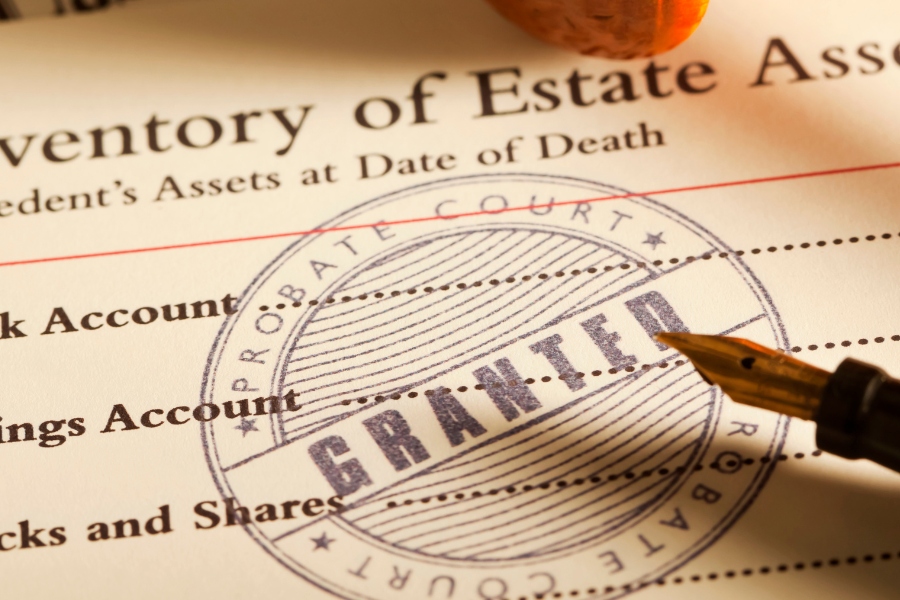
Many people assume that inheriting property is as simple as having the will read. Inheriting a home through a will often means going through the probate process—a legal procedure that oversees the distribution of an estate.
If your parents didn’t leave a will, probate is almost guaranteed.
So, what is probate? It’s a court-supervised process that ensures the proper distribution of the estate and payment of any debts. Probate laws vary by state, but the process can take anywhere from several months to over a year.
In some states, the court may control how and when the house is sold during probate. That’s why it’s crucial to research the probate laws in your state and seek the guidance of a probate attorney to ensure everything proceeds smoothly.
2. Transfer on Death Deed
A transfer on death deed, also known as a beneficiary deed, allows property to pass directly to the beneficiary without the need for probate. If your parents set up a transfer on death deed, you inherit the property immediately upon their passing, which allows you to sell the home as soon as you’re ready.
However, this type of deed is only valid in certain states, and the rules surrounding it can vary. In some states, the deed alone is enough to bypass probate, while in others, it must be supported by a will. Keep in mind that you’ll still be responsible for paying taxes on the property.
3. Living Trust
Inheriting a home through a living trust simplifies the process significantly. A living trust is a legal document that manages your parents' assets, including their home, while they are alive and then transfers them to you upon their death.
With a living trust, you can avoid probate entirely, reduce certain taxes, and have the freedom to sell the home quickly. This method is particularly helpful if there are multiple heirs, as the trust outlines how decisions about the property should be made. “If the home was placed in a living trust, the trust will specify which heir has decision-making power regarding the sale,” says McKee.
Navigating the process of selling a parent’s home after their death can be overwhelming, but understanding the legal steps and estate status is the first step toward managing the sale smoothly. Working with a probate attorney and a real estate agent familiar with estate sales, like Scott and the Smolen Team, can make this difficult time a bit easier.