Scott Smolen Maryland real estate blog with market updates, community spotlights, and home buying tips

Maryland Real Estate Blog

Scott Smolen's Anne Arundel County and Bowie, Md. Real Estate Blog

Local real estate updates, market insights, community spotlights, and practical home buying and selling advice for Odenton, Gambrills, Crofton, Bowie, Piney Orchard, Two Rivers, and the surrounding Maryland real estate market.

Latest Market Trends

Stay current on mortgage rates, local inventory shifts, pricing trends, and buyer demand across the Maryland real estate market.

Home Selling Advice

Learn how to prepare, price, market, and negotiate when selling a home in today’s local market.

Home Buying Tips

Get practical guidance on affordability, inspections, offers, financing, and buying with confidence.

Community Spotlights

Explore local neighborhoods, market reports, lifestyle features, and community insights throughout the area.

May 17, 2023

Leverage Your Home Equity for Your Benefit | Unlock the Power of Your Home's Value

Leverage your equity for your benefit!

Did you know that as a homeowner, even though home prices have moderated over the last year, many of you still have an impressive amount of equity? But what is equity exactly? Simply put, it is the difference between the market value of your home and the amount you owe on your mortgage. Over time, your equity grows thanks to price appreciation and mortgage payments, as explained by the National Association of Realtors (NAR). Let's make sure you know exactly what your home is worth, and how your equity is growing.

How Your Equity Can Help You Achieve Your Goals

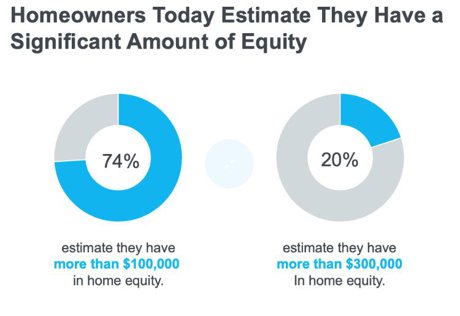
Did you know that the equity you have built up over time can benefit you when you decide to sell your current home? Maybe you need more space or a smaller home - whatever the case may be, your equity can be a powerful tool in helping you make your next move. In fact, it may even cover your down payment! You might be surprised by how much equity you have - a recent survey by Realtor.com reveals that many homeowners estimate a significant amount. Do not miss out on the advantages of your hard work - tap into your equity and make your next move with confidence.

Recent CoreLogic data confirms that homeowners can feel confident about the equity they have built up over time. Despite localized home price fluctuations in late 2022, the average American homeowner still possesses approximately $270,000 in equity - an increase of nearly $90,000 since the beginning of the pandemic. According to CoreLogic's Chief Economist, Selma Hepp, this uptick is a positive sign for homeowners who can capitalize on this opportunity now.

Bottom Line

As a homeowner, you might be pleasantly surprised to learn that you have a considerable amount of equity at your disposal. By seeking the guidance of a real estate agent, you can precisely calculate your equity and unlock its potential to aid in the purchase of your next dream home.

May 16, 2023

Best Healthy Home Upgrades for 2023 - Enhance Wellness and Comfort

Best Healthy Home Upgrades for 2023

Looking to make home improvements that make a positive impact on your well-being? Forget the usual ROI conversation and consider the five facets of wellness design: health and fitness, safety and security, accessibility, functionality, and comfort and joy. After all, a healthy home means a happy you. And with wellness becoming a top priority for homebuyers, these upgrades could also boost the market value of your home. Discover how you can clean faster, cook smarter, and rest easier with these simple renovations!

1) Technology

Are you curious about how technology can improve your indoor wellness? From air and water quality to lighting and acoustics, these topics are growing in popularity. In fact, the pandemic has only heightened interest in this area. The need for healthy indoor air became urgent during Covid, and wildfires have only added to those concerns.

While portable air purifiers have become all the rage, many homeowners are unaware that their whole home can have pure air with specialized filtration systems. And did you know that whole-home installation can be done by home technology integrators? A good system not only improves air quality, but it can also make your home safer.

Real-time water quality monitoring is not yet as advanced, but adding water filtration to a smart home system can ensure extensive testing to find the right solution for your specific needs. Don't let air and water quality go unnoticed - consider technological solutions for improving your home's wellness.

2) Materials

Discovering safe and healthy home products can be difficult due to the conflicting nature of wellness and chemical exposure. Chemicals intended to improve product flexibility, weight, and durability can have damaging side effects to our health, including cancer, fertility issues, hormonal disorders, thyroid problems, and high cholesterol.

Take, for example, countertops. Consider porcelain slabs without lead or asbestos, or natural materials such as wood and granite. But be cautious of luxury vinyl tile flooring, as it releases toxic dioxins during manufacturing and contains endocrine disruptors that can contribute to cancer and other issues. Instead, opt for healthier options like linoleum, cork, natural rubber, or bio-based materials. Floating engineered hardwoods, ceramic tiles without heavy metal glazes, linoleum, and polished concrete with a nontoxic finish also make great flooring options.

When selecting cabinetry, steer clear of carcinogenic urea formaldehyde. Look for products with NAUF, which reduces the use of urea formaldehyde, and cabinets with nontoxic finishes. Protect yourself and your loved ones by choosing safer alternatives when furnishing your home.

3) Appliances

Discover the latest appliance technology trend: wellness-focused features. From steam ovens for easy healthy meal prep to dishwashers that eliminate 99.999% of food bacteria, these appliances are becoming more sophisticated than ever before.

But that's not all - indoor plant growers and herb growing cabinets are capturing homeowners' imaginations, offering fresh flavors and nutrition. And for those with busy lives, clothing refreshers offer convenience for delicates and bedding sanitization between guests or children’s stuffed animals! These cutting-edge appliances will give you the ultimate experience in convenience and healthy living.

4) Fixtures & faucets

Upgrade your home fixtures and faucets for a healthier and more relaxing lifestyle. The demand for “wetrooms” is booming, offering an open and spacious atmosphere that keeps germs from hiding in hard-to-reach places and makes cleaning easy.

Not only do touchless faucets provide convenience and ease, but they can also limit exposure to dirt and bacteria. Enjoy the latest in water filtration systems and steam showers, ensuring clean and desirable drinking water and aromatherapy benefits for respiratory conditions and muscle tension.

5) Lighting

The pandemic has had an impact on the world of lighting, but homeowners have innovative options to keep their homes healthy and comfortable. For instance, a ceiling fan equipped with ultraviolet technology has been independently tested to kill airborne pathogens while neutralizing allergens, odors, and fumes. Additionally, lighted exhaust fans effectively remove moisture and odors to prevent the growth of mold, bacteria, and fungi in humidity-prone environments such as bathrooms and laundry rooms.

Another exciting option is chromotherapy lighting, which uses different shades of blue and purple to create a calming environment that promotes relaxation and healing. Try it in your primary bathroom and see how it can reduce stress and anxiety while you cleanse yourself or enjoy a warm bath or shower.

You don't need to be a billionaire to make healthier home changes! Affordability varies depending on budget and region, but with some creativity and practice changes, you can make sustainable home improvements without breaking the bank. Consider a simpler material palette to save on cost and look for strategic choices like a one-coat paint and primer combo to reduce labor expenses. Working with a wellness designer who specializes in healthy products and offers flexible pricing can also save you money.

May 15, 2023

Curtains vs. Blinds: Pros and Cons for Window Treatments in Your Home

When it comes to window treatments, curtains and blinds are two of the most popular options. While they both serve the same purpose of controlling light and providing privacy, they have their own set of advantages and disadvantages. In this blog post, we'll explore the pros and cons of curtains versus blinds in your home, so you can make an informed decision on which one is right for you.

Curtains

Pros:

  1. Style and variety - Curtains come in a wide range of colors, fabrics, and styles, making it easy to find the perfect match for your home décor. You can choose from simple and elegant to bold and statement-making options.
  2. Versatility - Curtains can be used on any type of window, regardless of its size or shape. They can be hung high and wide to make the window look bigger or shorter and narrower to suit your preference.
  3. Insulation - Curtains can help keep your home warm in the winter and cool in the summer. Thick, insulated curtains can also help reduce noise pollution.

Cons:

  1. Maintenance - Curtains require frequent washing or dry cleaning to keep them looking fresh and clean.
  2. Limited control - Unlike blinds, curtains only provide limited control over light and privacy. You'll need to choose the right thickness and fabric to block out the light and ensure privacy.
  3. Space - Curtains can take up a lot of space when opened, which can be an issue in smaller rooms or when there are pieces of furniture placed close to the windows

Blinds

Pros:

  1. Control - Blinds offer more control over light and privacy than curtains. You can adjust the slats to let in as much or as little light as you want and still maintain privacy.
  2. Easy maintenance - Blinds are easy to clean and require less maintenance than curtains. You can simply wipe them down with a damp cloth.
  3. Space-saving - Blinds take up less space than curtains, making them an excellent choice for smaller rooms or windows with limited space.

Cons:

  1. Limited styles - Blinds come in a limited range of styles and colors. While there are still plenty of options available, they may not offer the same level of customization as curtains.
  2. Light leakage - Blinds may still let in some light even when closed, depending on the thickness of the slats and the material used.
  3. Fragility - Blinds can be fragile and easily damaged, especially if they are made of low-quality materials.

The decision on whether to choose curtains or blinds for your home depends on your personal preferences and needs. It's important to consider factors such as the size and shape of your windows, the amount of natural light you want to let in, your privacy requirements, and your interior design style when making this decision. By weighing the pros and cons of each option, you can make an informed choice that will enhance the aesthetic appeal and functionality of your living space.

May 13, 2023

5 Ways Homebuyers Can Outsmart Higher Mortgage Rates - Tips and Tricks

5 Ways Homebuyers Can Outsmart High Mortgage Rates

Have you been feeling overwhelmed by the rollercoaster of mortgage rates lately? With rates hitting 20-year highs and bouncing around unpredictably, it's easy to feel paralyzed by indecision. But even small rate fluctuations can cost homebuyers hundreds of dollars each month. So, what can you do to stay ahead of the curve and keep costs in check? Real estate experts and homebuyers have shared some unconventional tactics. While they may seem unusual, they're becoming increasingly common in today's unpredictable market. If you're tired of waiting for rates to drop, read on to discover clever ways to outsmart these turbulent times with pros and cons included.

1. Mortgage rate buy-downs

Buy-downs on mortgage rates have become increasingly popular as interest rates soared in mid-2022. This is because they are a simple way to reduce high financing costs. Essentially, you pay a lump sum upfront to decrease the monthly interest rate for the first few years of the loan. The seller of the property or the homebuilder may make this payment, or it can be you. The 2/1 buy-down is one of the most sought-after options, where you pay an upfront fee to lower the first-year interest payments by 2% and the second-year interest payments by 1%. The original rate kicks in by year three.

Many homebuyers opt for buy-down options, hoping to benefit from refinancing to a lower rate in the future. According to real estate agents and lenders, the best buy-down option for you depends on your budget and financial needs. In Denver's local market, sellers still hold a strong position, which may limit your chances of getting concessions, so it's essential to be realistic about your expectations.

2. Seller financing

Are you considering purchasing a home, but don't want to deal with a bank? Seller financing could be the solution for you. Essentially, the seller offers a loan to the buyer, who pays them back with interest. This benefits the buyer with a potentially lower interest rate than what a bank would offer, while the seller earns interest higher than what a savings account or CD would yield.

According to Josh Dobson, a lender at Bluprint Home Loans in Modesto, CA, seller financing can work well for both parties, especially if the seller doesn't want a lump sum of cash. However, experts caution that it's important to take proper precautions, such as having attorneys draft the agreement and making sure property taxes and the title of the home are handled correctly.

Although there are some consumer protections under state law, it's still important to be aware of potential risks. For example, if you choose seller financing, you may not be eligible for traditional bank products or homeowner protections like forbearance programs during emergencies like the COVID-19 pandemic. Overall, seller financing is an interesting alternative that's worth considering.

3. Buying a home to double as an investment property

Are you tired of struggling to find an affordable dream home? Consider buying a property that doubles as an investment. This approach has been tried and tested, and it's making a comeback today. Instead of searching for a single-family home, you could buy a duplex or a property with an accessory dwelling unit and rent it out. Financing isn't an issue either—20% down isn't necessary, and you could finance with as little as 3% down.

However, there are many factors to consider. Some lenders and mortgage programs allow you to apply the expected rental income towards getting a larger mortgage, while others don't. The type of rental income also varies, with some lenders only considering long-term rentals for income. Additionally, some cities and states impose strict requirements when it comes to short-term rentals.

Being a landlord also comes with its responsibilities, such as dealing with tenants and maintenance. But the good news is that many expenses that come with homeownership are now business expenses, and therefore tax-deductible. Investing in a property can be counterintuitive, but it's a worthwhile opportunity that you might want to consider.

4. Down payment assistance & first-time buyer programs

Discover an underutilized strategy for purchasing a home - utilizing the numerous down payment assistance programs available throughout the country. With nearly 2,000 programs to choose from, this option could be the best-kept secret in home buying.

Despite misconceptions, these programs are not solely for first-time buyers, although specific resources do exist for them, too. Rather, buyers of all sorts can find programs conveniently located in their area through the website Down Payment Resource. Additionally, each state also contains a Housing Finance Agency that can provide valuable resources.

These programs include options to help with down payments, first-time buyer assistance, closing cost assistance, and more. Of course, eligibility requirements may vary, like living in certain areas or holding the home as your primary residence after purchase. Therefore, it is essential that you comprehend all the requirements before applying.  Moreover, private lenders may offer similar programs, with possibly less restrictive guidelines than HFA programs.  Here are some examples of down payment assistance programs:

Down Payment Resources

Housing Finance Agency

5. Bridge Loans

Are you planning to buy a new home but still in the process of selling your current property? A bridge loan can help make the transition smoother and faster. This type of loan allows you to purchase a new home, using your old property as collateral until it's sold. Once the old home is sold, the loan is seamlessly converted into a mortgage for the new home. While the loan might cost you an origination fee of 2 percent and an interest rate approximately 3 percent higher than a conventional loan, it can facilitate a quicker move-in timeframe of around 90 days.

Posted in Mortgage Tips
May 12, 2023

Bright MLS April 2023 Mid-Atlantic Market Report: Slowdown in Spring Home Sales Amidst Low Inventory and Higher Mortgage Rates

Bright MLS April 2023 Mid-Atlantic Market Report

The housing market in the Mid-Atlantic region is currently facing a less certain future due to elevated mortgage rates and an economy that is slowing down. These challenges have resulted in a slower spring home buying season than normal, as per the Bright MLS April Market Report released today.

Although there has been an increase in pending home sales between March and April, the month-to-month increase has been lower than what is typically seen during a busy spring season characterized by heightened buying and listing activity. Home inventory is now critically low, and homes are selling at a fast rate. Home shoppers in the region are only seeing one-third of the number of houses for sale that were available back in 2019, with just 1.32 months of supply across the board.

The number of home showings experienced a significant decline of 23% year-over-year, marking the 14th consecutive month that it has fallen below the previous year's levels. In addition, new listings dropped by a staggering 35.6% in the region, which suggested that sellers were not motivated to sell their homes due to the uncertainty in the spring market. This trend is expected to continue into the summer season.

According to Bright MLS Chief Economist Dr. Lisa Sturtevant, the Mid-Atlantic housing market is not performing as it normally would during spring. The higher mortgage rates and economic uncertainty are affecting the overall market, but buyers who need to move are still seeing quick home sales with intense competition for limited homes available. Despite the market slowdown, there are still opportunities for those looking to buy or sell.

Key Market Takeaways

The Baltimore metro area housing market is currently experiencing a suburban boom while the city market struggles. The median home price remains steady at $360,000 for the metro area, but the city market has seen a 3.2% decrease in home prices. Meanwhile, suburban areas are seeing rising prices and a surge in new pending sales, particularly Howard County with a 14.3% increase. Although overall closed and pending sales are lower than last year, available inventory is selling rapidly with half of all homes in the area being sold within a week of listing. Despite more active listings, inventory levels remain low, with only 1.16 months of supply and a 40% drop from April 2019's levels.

The Washington, D.C. housing market, typically shielded from market fluctuations, has experienced a significant slowdown with a decline in both closed and pending sales. The median home price in the area has dropped to $586,000 for the second consecutive month. Even with a nearly 30% increase in median home price since the onset of the pandemic, both buyers and sellers have held back in April. Active listings saw a decrease of 4.1% due to the lack of sellers. This lack of inventory has intensified the competition among buyers, resulting in a median days on the market of only 7. Additionally, the region now only has 1.16 months of supply, less than half of what it was in April of 2019.

May 11, 2023

FHFA Rescinds Upfront Fees Based on DTI Ratio

This VERY controversial policy that the Federal Housing Finance Agency (FHFA) has been reversed.  I posted this blog "Mortgage Changes Explained - Clearing up LLPAs and Their Impact on Credit Scores" back on April 29th explaining the changes that were going into effect as of May 1st.  Since I disagreed with this policy, this is welcomed news to see it being reversed.  

The Federal Housing Finance Agency (FHFA) has reversed its decision to impose upfront fees on borrowers' debt-to-income (DTI) ratios for home loans acquired by Fannie Mae and Freddie Mac.  In March, the regulator announced a delay in the implementation of these fees, following criticism. The introduction of loan level price adjustment (LLPA) fees on May 1st further angered opponents of the policy who argued it unfairly penalized borrowers with good credit. The FHFA's recent action rescinding the upfront fees has been seen as a victory for those who opposed the policy.

FHFA Director Sandra L. Thompson valuably acknowledges the feedback provided by the mortgage industry and other market participants concerning the difficulties of implementing the DTI ratio-based fee. To further facilitate this important conversation, FHFA intends to shed more light on the process for establishing the Enterprises’ single-family guarantee fees. Additionally, FHFA will invite public input on this topic to ensure transparency and inclusivity.  The regulator is planning on launching a new Request for Input (RFI) regarding the pricing framework of guarantee fees for single-family homes.

The President and CEO of the Mortgage Bankers Association, Robert D. Broeksmit, has expressed his approval of the recent FHFA decision. According to Broeksmit, the proposed fee would have been too difficult for lenders to implement and could have potentially confused borrowers. He has expressed his satisfaction that the FHFA listened to industry feedback and recognized that the fee could have negatively impacted the customer experience, prompting them to ultimately rescind its implementation.

May 10, 2023

Understanding Mortgage Rate Locks: What They Are and How They Work

What is a mortgage rate lock?

Have you ever felt secure after locking your doors at night? Well, the same principle applies to the world of home loans. When you come across the term "mortgage rate lock," it essentially means security and peace of mind. Let's dive into what this means exactly and how it can benefit you.

Mortgage rate lock explained.

Looking to buy a home and need a loan? A mortgage rate lock is your answer. It guarantees that a lender will provide you with a loan at a fixed interest rate, but only if you close on your home within a certain time frame. Fluctuating interest rates can chip away at your budget, but a rate lock can protect you against them. Even a small change of a quarter percent can add up to thousands of dollars in the long run.

When you get a rate lock, you'll know what interest rate you're getting from the start. That means you won't have to worry about unexpected increases when you start making monthly payments. By planning, you'll be able to manage your finances well into the future. Looking to crunch your own numbers? Try an online mortgage calculator. Don't let rising interest rates stress you out. Get a rate lock and enjoy some peace of mind.

When (and for how long) should you lock in a rate?

If you are agonizing over when to lock in your mortgage rate, let us ease your mind: timing your rate lock perfectly is nearly impossible, much like predicting the stock market. Instead of obsessing over minor fluctuations, focus on where you are in the home buying process.

Once you have made an offer that has been accepted, it is recommended to lock in your rate. Luckily, most lenders offer a 30-day rate lock for free, and some are even extending it to 45 days due to recent loan processing time changes. However, if your home closing takes longer than your lock duration, be prepared to pay extension fees.

Don't stress over trying to time the market, focus on finding your dream home and let your lender guide you on when to lock in your rate.

Are you locked in, or locked out of savings?

Locking in an appealing interest rate provides a sense of security, but what happens if interest rates plummet? Don't panic just yet. The action your lender or bank can take after you lock in depends on their policies. While some may be strict in their approach, others may offer flexibility to retain your business. Keep in mind that some lenders may charge a fee for this service, while others may do it for free. It's always a good idea to inquire upfront and compare rates and terms among different lenders to get the best deal.

May 9, 2023

Appraised Value vs Tax Assessment: What's the Difference for Homeowners?

As a homeowner, you may have heard of two terms that are often used interchangeably - appraised value and tax assessment. While both terms refer to the value of your property, they are actually two different things. In this blog post, we'll explore the differences between appraised value and tax assessment, and what they mean for you as a homeowner.

Appraised Value

The appraised value of a property is the estimated market value of the property, determined by a professional appraiser. This value is typically based on a number of factors, such as the size and location of the property, the condition of the property, and recent sales of similar properties in the area. The appraised value is usually used by lenders to determine the amount of a mortgage loan and is also used in the sale of a property.

Tax Assessment

A tax assessment, on the other hand, is the value that is assigned to your property by your local government for tax purposes. This value is used to determine the amount of property taxes that you will owe each year. Tax assessments are typically done by a government assessor, and are based on a number of factors, including the size and location of the property, the age and condition of the property, and the local real estate market.

Differences Between Appraised Value and Tax Assessment

The main difference between appraised value and tax assessment is their purpose. Appraised value is used primarily in the sale of a property and by lenders to determine the amount of a mortgage loan. Tax assessment, on the other hand, is used to determine the amount of property taxes that you will owe each year.

Another difference between the two is the frequency at which they are done. An appraised value is typically done once when a property is being sold or refinanced, whereas tax assessments are typically done annually or bi-annually by your local government.

Finally, the methods used to determine appraised value and tax assessment can also differ. An appraiser may use different valuation methods to determine the value of a property, whereas tax assessments are often based on a standardized formula used by the government.

No homeowner wants to pay more taxes than necessary, and the differences between appraised value and tax assessment can be confusing. Knowing how these two values are determined—and what each of them means for your property's worth—allows you to maximize the return on your investment while ensuring appropriate payment of any applicable fees or levies.

May 8, 2023

Easy Home Decor Ideas to Transform Your Living Space

If you're someone who dreams of turning their living space into a warm, fashionable, and inviting sanctuary, you're not alone. But, the idea of home décor can be daunting, particularly if you're on a tight budget or lack professional interior design skills. The great news is that you don't have to be an expert to craft a stunning home that mirrors your individuality and preferences. By implementing these straightforward home décor tips, you can unlock your creativity and convert your living area into a cozy, practical, and visually appealing oasis.

1) Before decorating, clean your home.

Cleaning can often seem like a daunting task that stands in the way of revamping your living space. However, for many people, it's an essential first step towards achieving their redecorating goals. If you're in this position, it's important to prioritize cleaning to remove the dirt and grime that may have accumulated over time.

2) Decluttering is essential to the process

Clutter is the other common culprit preventing people from redecorating their homes. Start by walking through your home with a box and packing it with items you no longer need.

3) Start with your porch

Now that your home is clean and clutter-free, it’s time to start decorating. Porches are usually the first part of a house you see, so it’s important that they look polished and blend in with the rest of your home. There are many ways to decorate your porch, including seasonal lighting and comfortable seating.

4) Showcase your personality

Letting your personality and lifestyle shine through in your home décor is a great way to create a welcoming and inviting space that reflects who you are. However, while it may be tempting to showcase your various interests and hobbies, it’s important to do so in a way that doesn’t create clutter and confusion.

5) Adopt a new design style

Natural materials, vintage furniture in white, and bright tones such as dusty pink, cream, and light brown are all great places to start for a boho design.  Don’t forget to add a barbecue grill for your outdoor dining experiences.

6) Redefine your space for the season

If the seasons are changing, it can be the perfect time to refresh your living space and breathe new life into your home.

7) Focus on your entry

Entryways are the first indoor area that people see, so updating it can make a big difference.

  • Add fresh flowers as a centerpiece on an entry island
  • Place a mirror behind flowers to enhance the effect
  • Consider a peel-and-stick wall mural that you can install and remove seasonally

8) Bring natural light inside

Maximizing natural light in your living space is a great way to create a warm and inviting atmosphere. To achieve this, open your drapes and shades during the day, allowing as much sunlight as possible to flood your home.

9) Brighten your home

An easy way to refresh your space is to make it feel brighter through color and texture. Add pastel textiles and patterned pillows for a breezy effect.  You can also let more light inside by changing your curtains to a lighter fabric in a bright color.  Add bright and bold accent pieces like a vibrant rug or vase, and incorporate sleek, modern designs with a wooden dining table or large plant stand.

10) Focus on accent colors

Incorporating décor randomly throughout your home can make it feel jumbled. You can help solidify your style by using the same two to three accent colors throughout each of your main living spaces.  Another option is to use variations of one accent color as you move from room to room. Use various hues of blue as your accent color, like blue gray, navy blue, or sky blue.  You can use this trick to reinforce an accent color, pattern, texture, or shape throughout a room.

May 7, 2023

Understanding Mortgage Interest Rates: Factors That Cause Fluctuations

Mortgage interest rates are subject to fluctuations due to various market factors. Let's explore some of the specific reasons behind these changes.

1) Supply and Demand

One major factor is the principle of supply and demand. When there is high demand for homes, mortgage interest rates tend to rise. Conversely, when the housing market slows down, lenders may lower rates to encourage demand.

2) Economic Shifts

Economic shifts can also impact interest rates. When the economy is thriving, interest rates typically rise. Conversely, when the economy experiences a slowdown, interest rates often drop in order to stimulate spending.

3) The federal funds rate

The federal funds rate is another factor affecting mortgage rates. This rate reflects the interest rate at which lenders can borrow money, and it is managed by the Federal Reserve in response to economic indicators such as inflation rates and employment figures.

4) Changes to the prices of mortgage backed securities

Changes to the price of mortgage-backed securities can also impact mortgage interest rates. Lenders often bundle mortgages together and sell them to investors as securities, and fluctuations in the value of these securities can affect the interest rate on your mortgage.

5) Treasury Bills

Competition for investor funds: Treasury bills are often seen as a safe investment option, so when Treasury bill rates rise, it can attract investor funds away from other investments such as mortgage-backed securities. This can lead to an increase in mortgage rates as lenders may need to offer higher rates to attract investors.

6) Your credit score

Your credit score plays a key role in determining your mortgage interest rate. Improving your credit score and addressing any errors on your credit report can position you to secure a better interest rate. In some cases, you may also be able to buy down your interest rate. If you need guidance on how to improve your credit score, your lender can provide advice on which steps will be most effective.

7) The National Debt Ceiling:

If the debt ceiling is not raised, it could lead to a default on U.S. government debt, which could have significant and far-reaching consequences for the economy and financial markets. In this scenario, mortgage rates could potentially increase due to increased uncertainty and risk in the market.

A default on U.S. government debt could cause investors to become nervous and sell off their holdings, including mortgage-backed securities. This could lead to a decrease in demand for these securities, which could drive up the cost of borrowing for lenders. As a result, mortgage rates could rise in order to compensate for the increased cost of funding.

Additionally, if a default leads to a downgrade in the U.S. credit rating, it could lead to higher borrowing costs for the government, which could have a ripple effect throughout the economy. This could result in higher interest rates across the board, including mortgage rates.

It's important to note that the impact on mortgage rates would depend on the severity and duration of a potential default, as well as how the market responds to the situation. However, in general, a default on U.S. government debt could potentially lead to higher mortgage rates due to increased risk and uncertainty in the market.

Although the debt ceiling is in the hand's of politicians, this looming risk might make it prudent to lock your loan sooner than later.  Since the government has said the debt ceiling could become an issue by June 1st, 2023, this is something worth keeping an eye on.  

Posted in Mortgage Tips