By: Curtis Fisher
For aspiring homeowners and first-time home buyers, the hardest part of buying a home often isn’t the paperwork, it’s the pressure to treat a primary residence as “just shelter” while costs and uncertainty keep rising. That mindset can make homeownership feel like a one-time expense instead of a long-term opportunity. Homeownership wealth building starts when a home is understood as a real estate investment with choices that shape future flexibility. With the right framing, building equity through homeownership becomes a practical way to create options over time.
Understanding How Homeownership Builds Wealth
Home wealth usually comes from equity, the gap between what your home is worth and what you still owe. The definition of home equity makes the mechanics simple: equity grows when you pay down the loan and when the property value rises. A mortgage also adds leverage, because you can benefit from appreciation on the full home value while putting down only a portion.
This matters because the same monthly payment can do more than “cover housing.” Over time, paydown and appreciation can increase your net worth, and homeowner tax advantages can reduce the effective cost of owning, leaving more cash to save or invest.
Picture a $350,000 home bought with 10% down. If the home gains value and your balance drops, your ownership share expands faster than your original cash contribution. Protecting that value starts with smart upkeep, especially HVAC repairs and targeted efficiency upgrades.
Protect Value with HVAC Fixes and Smart Upgrades
Strategic HVAC repairs and targeted upgrades are a practical way to protect and even enhance your home’s value while improving energy efficiency. Addressing issues early helps you avoid costly emergencies that can force rushed decisions, disrupt budgets, and chip away at long- term wealth building. It also supports resale appeal: buyers tend to pay more confidently for homes with systems that feel reliable and efficient.
When you do need to order HVAC replacement parts, focus on reputable suppliers so you’re getting quality components that are durable and compatible with your system, reducing the odds of repeat failures or mismatched installs. If you’re identifying what you might need, a quick orientation point can help you understand the landscape of common HVAC replacement parts. From here, it helps to think in timelines, how maintenance and smart decisions compound into stronger equity from purchase to payoff.
Plan → Maintain → Track → Adjust
This workflow turns homeownership into a steady equity-building practice, not a one-time purchase. By pairing basic upkeep with simple money check-ins, you reduce surprise costs, protect resale readiness, and make clearer decisions about when to spend, save, or pause.
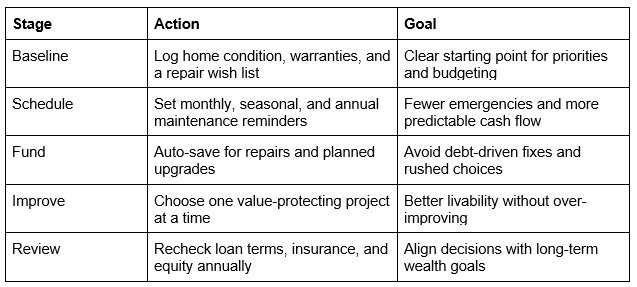
Each stage reinforces the next: the baseline guides your schedule, the schedule informs funding, and funding makes improvements calmer and more selective. Over time, this rhythm helps you participate in historic levels of equity without treating equity as an emergency crutch.
Homeownership Wealth-Building Questions, Answered
Q: What tax breaks do homeowners actually get, and who benefits most?
A: Many homeowners see the biggest tax impact from mortgage interest and property taxes only if they itemize. If you take the standard deduction, the benefit may be smaller, so avoid buying based on a “guaranteed” write-off.
A smart next step is to estimate both options with last year’s numbers or ask a tax pro before you plan big moves.
Q: When is the “right” time to sell if I want to build wealth?
A: The best time is usually when your budget, job stability, and lifestyle line up, not when headlines feel loud. Track your break-even point by comparing expected sale proceeds to remaining loan balance, selling costs, and moving expenses. If you are unsure, get a no- pressure market valuation and run a conservative scenario.
Q: Can I use my home equity without putting my finances at risk?
A: Yes, but treat equity as a tool, not free cash. Keep a cushion, borrow only for projects that protect the home or reduce long-term costs, and make sure payments still fit your budget if rates rise. Many lenders also cap how much you can access, so plan for limits rather than the maximum.
Q: Should I tap equity to pay off credit cards or buy a car?
A: It can lower the interest rate, but it turns short-term debt into debt secured by your home. If you do it, pair it with a clear payoff plan and spending guardrails so the balances do not creep back. Consider starting with a smaller payoff target instead of rolling everything into the house.
Q: Why does home buying feel so hard for first-timers right now?
A: A lot of people feel the same pressure, and it is not just you. Survey findings show 58% of all adults say buying a home feels more difficult or challenging, which is why steady budgeting and realistic timelines matter. Focus on things you can control, like cash reserves, upkeep, and loan options.
Make Your Home a Steady Wealth-Building Asset Over Time
Real life rarely cooperates with a perfect housing plan, rates shift, repairs pop up, and it’s easy to confuse equity with cash. Strategic homeownership treats the home as part of long-term financial planning, using integrated financial strategies that balance affordability, upkeep, and flexibility instead of chasing quick wins. When that mindset guides decisions, real estate becomes a wealth tool that builds resilience and clearer options over time. Wealth grows when home decisions are intentional, not accidental.