A significant percentage of prospective homeowners believe that accumulating enough savings for a down payment is an insurmountable hurdle. However, there are numerous forms of down payment assistance available, spanning various amounts, to help bridge this gap. Let's delve into these options and understand how to qualify for them.
Understanding Down Payment Assistance (DPA) Programs
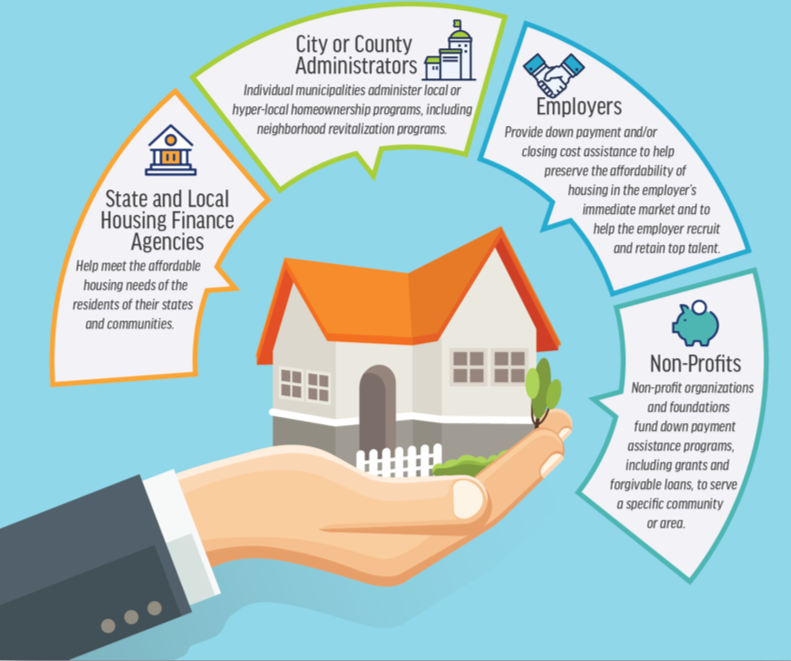
Down payment assistance (DPA) programs encompass loans and grants tailored to offer homebuyers financial support for their down payments, with some extending aid for closing costs as well. While a handful of federal programs exist, the bulk of down payment assistance originates at the local level, facilitated by state, county, and city government initiatives.
Eligibility Criteria for Down Payment Assistance
Most down payment assistance initiatives primarily target first-time homebuyers or individuals with moderate to lower incomes. Typically, first-time homebuyers are those who have never owned a home or haven't done so in the past three years. These programs typically cater to buyers seeking primary residences, excluding investment or rental properties. Eligibility often hinges on income falling below a specified threshold, known as the area median income (AMI), and residency within designated areas or professions.
Qualification typically necessitates securing a 30-year fixed-rate first mortgage, with some programs restricting the use of specific mortgage types. Moreover, creditworthiness and financial stability play a crucial role, often requiring a minimum credit score and potential contribution of personal savings toward the home purchase. Additionally, completion of a homebuyer education course is commonly mandated before closing.
Diverse Types of Down Payment Assistance Loans and Programs
1. Grants: These one-time cash sums, usually in the form of a no-interest second mortgage, need not be repaid and can cover part or all of the down payment or closing costs.
2. Forgivable Loans: Functioning akin to grants, these second mortgages are forgiven under specific conditions, such as timely mortgage payments and maintaining residence for a set duration.
3. Low-Interest Loans: While requiring repayment over a few years, these second mortgages feature more affordable interest rates, combining the down payment assistance amount with interest.
4. Deferred-Payment Loans: Typically interest-free, these loans necessitate repayment upon the loan's term expiration, relocation, or mortgage refinancing.
5. Individual Development Accounts (IDAs): These matched savings accounts require participants' contributions matched by private or public funds, often accompanied by financial literacy training.
6. Lender Down Payment Assistance Programs: Certain mortgage lenders extend their down payment assistance, including grants or matched savings opportunities, albeit tethered to obtaining a mortgage from the respective lender.
How to Access Down Payment Assistance
- State's Housing Finance Agency (HFA)
- City or County Website
- U.S. Department of Housing and Urban Development (HUD) Website
- Consultation with Your Lender - Utilization of Down Payment Resource Tool
In conclusion, while down payment assistance serves as a viable solution for aspiring homeowners facing financial constraints, understanding eligibility criteria and exploring diverse assistance avenues are pivotal steps toward realizing homeownership aspirations.