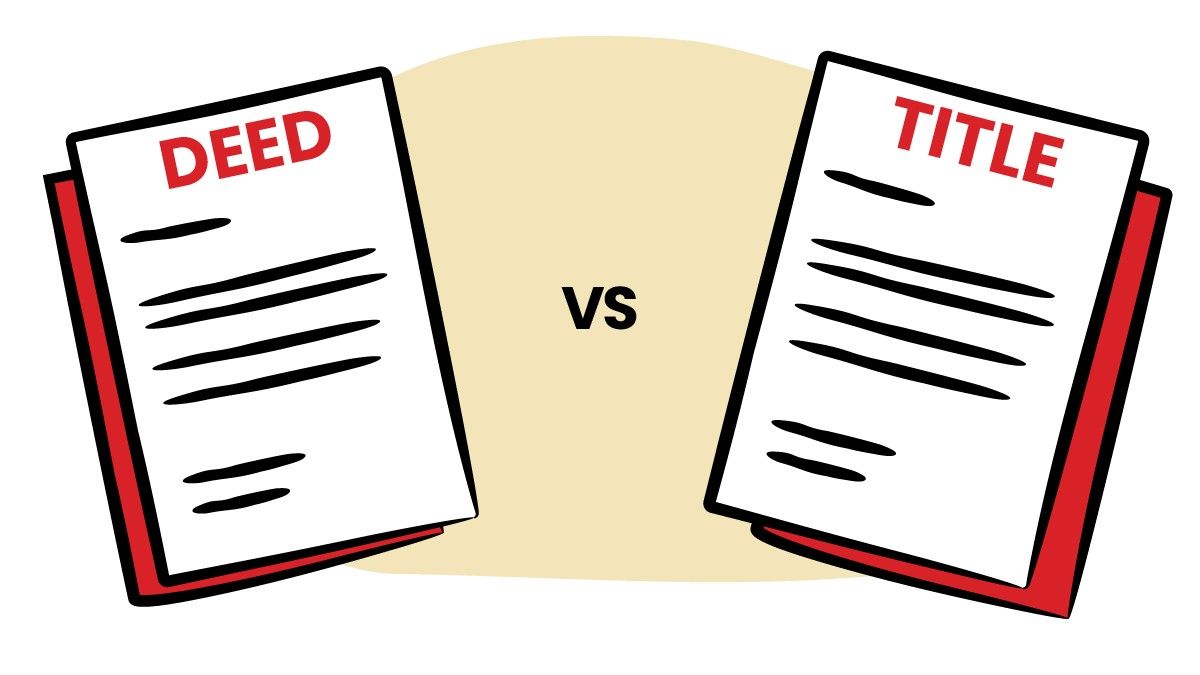
Understanding ownership of a property can be confusing, as there is a distinct difference between the concept of one's legal title and an official deed. To help remember this distinction, think about how you own physical copies of books but not their titles: Just like a book title cannot be held in your hands – neither can owning rights to real estate; this requires something tangible - namely the deed. So while both notions are essential to convey rightful possession over land or home, only deeds provide concrete proof that it belongs to someone!
What Is A House Deed?
A house deed is the ultimate declaration of property ownership. By signing it, both buyer and seller officially transfer possession from one to another - making legal a new chapter in their respective lives! The document itself outlines all details concerning the transaction, including a detailed description of its physical boundaries.
- General Warranty Deed
When purchasing a new home, it is essential to understand the level of protection you will receive from your seller. A General Warranty Deed provides peace-of-mind that confirms full title and rights ownership with no previously undisclosed issues by the grantor/seller. Plus, added security can be found in title companies who oversee these contracts for all parties involved - ensuring proper disclosure according to local laws on items such as structural damage risks like flooding – allowing buyers protect their investment.
- Special Warranty Deed
A special warranty deed is an agreement that guarantees a buyer the title to property only for as long as its seller owned it. This type of document is not typically used when buying homes but can be extremely helpful in commercial real estate transactions.
- Quitclaim Deed
Quitclaim deeds are a powerful legal tool often used when transferring property between parties without money exchanging hands. Common scenarios include parents passing ownership to their children, spouses gifting properties between each other, and individuals placing real estate into trusts or Limited Liability Companies (LLCs). Additionally, quitclaims can be utilized for name changes on existing deed documents as well; however they do not afford the same set of securities that traditional sales involve.
What Is A Title?
When you purchase a property, big or small, the legal title is yours - whether it be to your dream home or that new boat. Not only do titles verify ownership and transfer rights of something valuable such as land, but they are also essential in transferring possession upon sale. A title guarantees potential buyers that there will not be any surprises down the road when making their investment!
- Title Insurance
Owning a property is an incredibly exciting experience but can also involve serious risks. Title Insurance provides protection against ownership disputes and potential losses of both the home itself as well as your mortgage investment should worst come to worst. This coverage secures lenders' investments while also offering buyers additional peace-of-mind through their own owner's title insurance policy purchased at their own cost - something most experts highly recommend for added security when buying a new home!
- Title Search
Uncovering the full story of a property has never been more important. A title search is your key to make sure everything about a potential purchase comes with crystal clarity - from their legal right to transfer ownership, all the way down to any restrictions on use or unpaid debts attached like easements and liens. If you are considering real estate, consulting an expertise in titles such as lawyers and companies specializing in insurance can help give that extra assurance before finalizing decisions!
- Abstract of Title
An abstract of title reveals a rich history about a property, detailing its prior owners and any associated encumbrances. It is the culmination of extensive research conducted by a title company to create an unbroken chain of ownership back to the original owner - including information such as liens, foreclosures, or transfers. The intricacy behind understanding each document in this sequence makes it difficult for titles to remain consistent across multiple parties; hence why professional assistance is recommended when making investments into real estate assets.
Securing ownership of a house requires more than just signing your name - an understanding of legal terminology and best practices is essential. Have you received the physical deed, checked local laws regarding disclosure requirements, opted for title insurance if applicable, conducted a search to uncover any potential obstacles? Beyond these steps with regards to the paperwork itself lies additional considerations such as deciding whether it's prudent to possess an abstract that can help ensure protection against future conflicts down the road. Navigating this complex process pays off in spades however through successful homeownership!