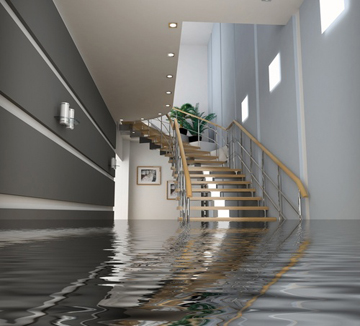
We sincerely hope you never have to deal with this information. Since we have been having some terrible weather lately with some power outages, wind damage, etc., we did feel this topic was worth writing about.
I personally dealt with a flood in my basement due to a hot water heater breaking. Unfortunately, it was the tank that broke so water poured into the house for about 12 hours before anyone noticed it even happened. The cost of the damage was about $70,000 when it was all said it done, not to mention the time and aggravation of dealing with the entire mess.
Floods can also be devastating natural disasters, causing significant damage to homes and properties. Recovering from a flood requires prompt action and careful planning to minimize further harm and ensure a safe future for your home. In this guide, we have compiled ten essential steps for homeowners to follow a flood. Whether you are dealing with the aftermath of a flood or preparing for the future, these flood safety tips will help you through the process.
1. Prioritize Safety:
Safety should be your top priority after a flood. Wait for authorities to declare your area safe before returning home. Beware of hidden dangers like downed power lines, gas leaks, and structural damage. Wear protective gear and have a first aid kit on hand.
2. Assess Water Quality:
Floodwaters often carry contaminants that can pose health risks. Test your water for safety, especially if you rely on a private well. Use bottled water for drinking and cooking until your water is deemed safe.
3. Watch Out for Mold:
Mold can quickly grow in damp conditions after a flood, compromising both your home's structure and your health. If you suspect mold, seek professional mold remediation to ensure safe and thorough removal.
4. Contact Your Insurance Company:
Reach out to your flood insurance provider promptly and document the damage with photos and videos. Remember that standard homeowners' insurance typically does not cover flood damage, so having flood insurance is essential.
5. Seek Financial Assistance:
If you don't have sufficient insurance coverage, seek financial assistance from federal, state, or local entities. The Federal Emergency Management Agency (FEMA) and the U.S. Small Business Administration (SBA) offer various aid programs.
6. Thoroughly Clean Your Home:
Start the cleanup process immediately to prevent mold growth. Consider hiring professional restoration services for efficient and safe cleaning.
7. Repair and Renovate:
Once your home is dry and clean, repair and renovate as needed. Consider making your home more flood-resistant by elevating utilities or waterproofing your basement.
8. Beware of Scams:
Beware of scammers who take advantage of vulnerable homeowners. Verify the credentials of anyone you hire and avoid paying upfront for services.
9. Take Care of Your Emotional Health:
Recovering from a flood can be emotionally challenging. Seek support from community organizations or mental health professionals to navigate the recovery process.
10. Prepare for the Future:
Be proactive in preparing for future floods. Review your insurance policies, install a sump pump, create a flood readiness plan, and assemble an emergency kit with essential supplies.
Recovering from a flood is a daunting task, but with a systematic approach and proactive measures, you can make the process more manageable. Rebuilding stronger and preparing for future events are essential steps to safeguarding your home and loved ones. Always seek professional advice and follow official guidance during and after a major weather event.