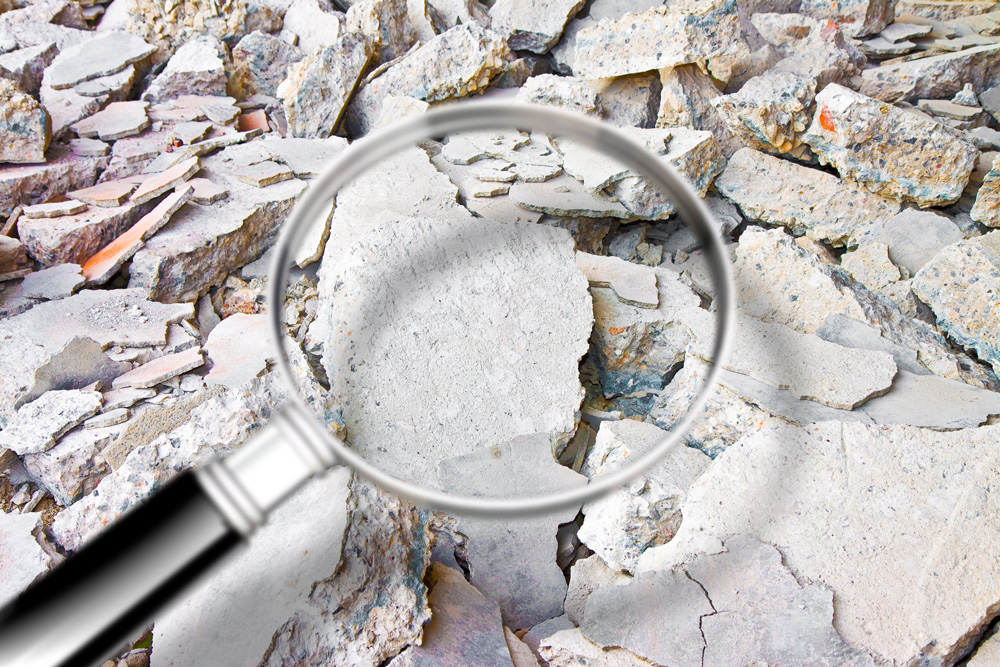
The presence of asbestos in homes can be a cause for concern as it poses significant health risks. Prolonged exposure to asbestos fibers can lead to serious conditions like lung cancer and mesothelioma. Despite being known for its dangers, asbestos still lurks in many buildings and products, making it an ongoing threat to people's well-being.
As a responsible homeowner, it is crucial to be aware of the potential hazards associated with asbestos and know how to identify and safely remove it from your home. In this comprehensive guide, we will provide you with valuable insights into identifying, testing, and carefully removing asbestos from your home, ensuring the safety of your family and creating a healthy living environment.
Understanding Asbestos
Asbestos is a fibrous mineral extracted from the earth. Initially industrialized in 1876, it gained popularity due to its natural fire-resistant and insulating properties, making it an inexpensive addition to various construction materials such as tiles, insulation, and roofing. Its versatility led to its use in numerous products worldwide, including cloth and other materials.
However, over time, the detrimental health effects of inhaling asbestos fibers became evident, leading to lung cancer and mesothelioma. The Environmental Protection Agency (EPA) banned asbestos in 1989, but the 5th Circuit Court of Appeals overturned this ruling in 1991. Although its usage has decreased and is more regulated, asbestos is still legally allowed and present in some products.
Identifying and Locating Asbestos in Your Home
Houses built before the mid-1980s are most likely to contain asbestos, and those constructed from the mid-1980s to the early 1990s may also have a chance of asbestos presence.
Asbestos is typically found in insulation materials, paints, siding, and tiles. While it is less common in newer homes, it was widely used from the 1930s to the early 1990s. If you suspect your home may contain asbestos, common places to check include artificial fireplace logs, ceiling insulation products, corrugated cement roofing, drywall and plaster, eave linings, fireplace pipes and bricks, hot water pipes, insulation in stoves, older domestic heaters, tiling and floor coverings, and textured paints and popcorn ceilings.
Certain products manufactured today may still contain asbestos, such as asphalt roofing, car brakes and clutches, and gaskets. While these products are not meant for public use, there is still a possibility of exposure.
Safe Asbestos Removal
If you suspect the presence of asbestos in your home, it is crucial to hire a professional to conduct an asbestos survey. This survey will determine whether the asbestos is hazardous or not. If the test results come back positive, it is essential to hire a licensed removal company for safe removal.
However, if the asbestos-containing materials are in good condition and not releasing fibers, the best course of action is to leave them undisturbed. Asbestos becomes harmful when its fibers are released into the air and inhaled. Always avoid touching or tampering with asbestos and seek professional help for removal.
Cost of Asbestos Removal
Asbestos removal can be costly, and it depends on various factors. The two significant costs to consider are asbestos testing and asbestos removal. Asbestos testing can range from $230 to $789, depending on the size and location of your home and the extent of testing required. Asbestos removal costs between $1,200 and $3,000, depending on the scope of the project.
Asbestos and Home Renovation
Renovation projects can pose a significant risk of asbestos exposure, as disturbing asbestos-containing materials can release microscopic fibers into the air. If you plan to renovate a building constructed before 1990, it is essential to hire professionals to inspect the area before commencing any work. If asbestos is found, licensed professionals must handle its safe removal and disposal to prevent harmful fiber release.
Alternatives to Asbestos
Most manufacturers have phased out asbestos products in favor of safer alternatives. Some popular alternatives include polyurethane foam, amorphous silica fabric, thermosets, and cellulose fiber. However, some of these alternatives, such as polyurethane foam, may still have potential long-term health risks due to the release of volatile organic compounds (VOCs).
Prioritizing Your Health and Safety
Asbestos, a dangerous mineral with long-term health consequences, demands our attention. Whether you live in an older home or are embarking on a renovation project, it's imperative to acknowledge the potential presence of asbestos and take action. Safely handling asbestos-containing materials requires professional expertise and precautionary measures. By budgeting for asbestos identification and removal, you can safeguard your family's well-being and create a healthy living environment. Don't jeopardize your loved ones' safety - make informed decisions and prioritize a hazard-free home.