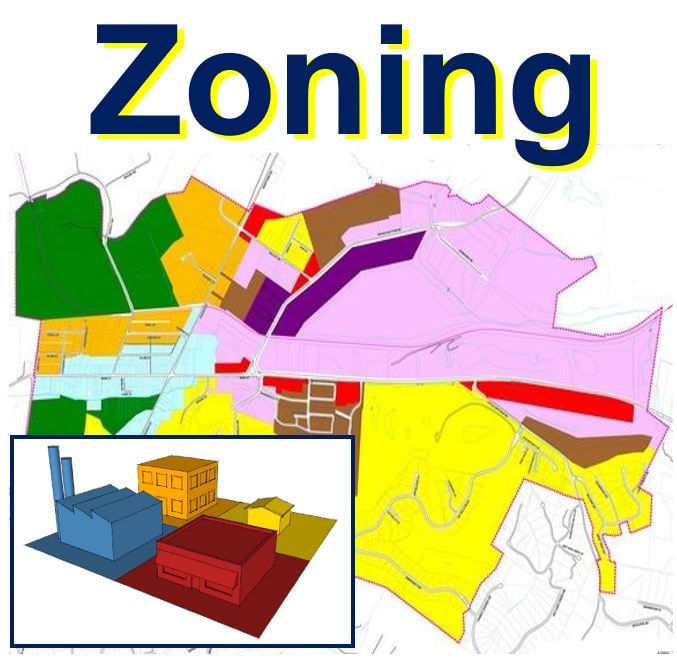
When it comes to real estate, one crucial aspect that often goes unnoticed is zoning. Real estate zoning refers to the division of land into different designated areas, each with specific regulations and permitted uses. It is an essential tool used by local governments to manage and control the development of communities. In this blog post, we will delve into what real estate zoning entails, why it is important, and how it influences the way our cities and neighborhoods are structured.
- Defining Real Estate Zoning:
Real estate zoning is the process of dividing land into distinct zones or districts based on certain characteristics such as land use, density, building height, and setbacks. These zones can include residential, commercial, industrial, agricultural, and mixed-use areas. Zoning regulations typically outline the permitted uses, building requirements, and other restrictions within each zone.
- Maintaining Order and Protecting Interests:
The primary purpose of real estate zoning is to maintain order and protect the interests of the community. Zoning regulations help prevent incompatible land uses, such as locating heavy industries next to residential areas. By separating different land uses, zoning aims to minimize conflicts, maintain property values, and promote a harmonious living and working environment.
- Promoting Public Health and Safety:
Real estate zoning plays a crucial role in ensuring public health and safety. Zoning regulations often include guidelines related to building codes, setbacks, and access to amenities such as parks, schools, and emergency services. These regulations help create safe and healthy environments by preventing overcrowding, promoting adequate infrastructure, and addressing potential hazards.
- Managing Growth and Preserving Character:
Zoning is a powerful tool for managing urban growth and preserving the unique character of communities. It helps guide development by determining where different types of buildings and businesses can be located. Through zoning, cities can shape their identity, preserve historic districts, and promote a mix of land uses that support economic vitality and community cohesion.
- Balancing Interests and Stakeholder Engagement:
Real estate zoning decisions involve a careful balance of various interests and stakeholder engagement. Local governments often conduct public hearings and engage with community members to gather input and address concerns related to zoning changes. This participatory approach allows for a more inclusive decision-making process that reflects the needs and aspirations of the community.
Real estate zoning lays the groundwork for shaping our built environment in a sustainable and structured manner. By setting guidelines and regulations, zoning supports cities in balancing growth, safeguarding public welfare, and preserving neighborhood character. Gaining a grasp of real estate zoning is of paramount importance for homeowners, developers, and community members alike, as it provides valuable insights into city planning and future evolution.