When you’re touring homes, it’s easy to focus on what you can see and touch—updated kitchens, spacious closets, beautiful landscaping, and inviting living spaces. But long before you start imagining furniture placement or planning your first backyard cookout, it’s essential to understand the limits of the land you’re buying.
Property boundaries play a critical role in ownership, future improvements, and long-term peace of mind. Below is a comprehensive guide to what every buyer should know about lot lines, surveys, easements, and your legal responsibility as a homeowner.
Why Property Boundaries Matter
Your property line defines where your rights begin—and where they end. Knowing exactly what you own helps you:
- Avoid disputes with neighbors
- Plan additions, fences, and landscaping confidently
- Understand your responsibilities regarding shared features
- Ensure your insurance coverage aligns with the property you actually own
- Prevent costly legal issues down the road
In short, understanding your boundary lines now protects your investment later.
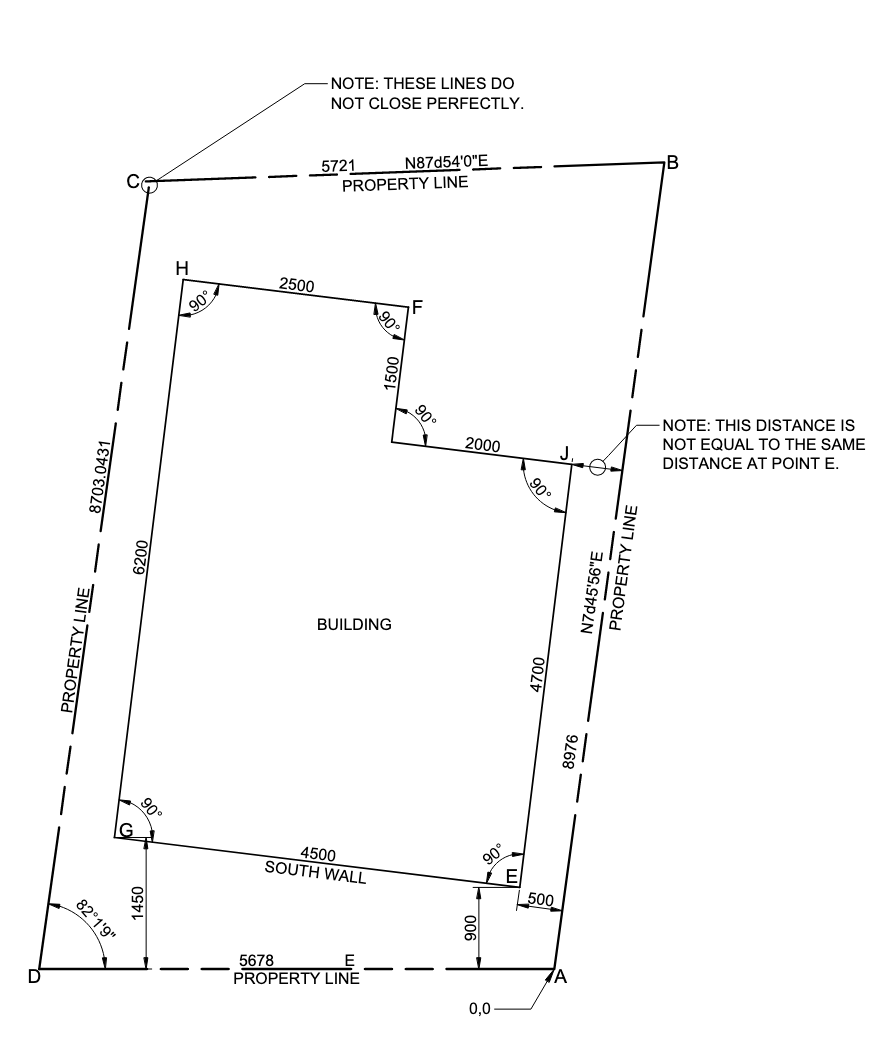
The Role of the Property Survey
Before closing, most lenders require a professional property survey. This report outlines:
- The exact dimensions and shape of the lot
- The home’s position on the land
- All permanent structures
- Utility easements
- Boundary lines and markers
A survey provides a legal snapshot of what you’re purchasing—and it can reveal issues you wouldn’t notice on a walk-through.
Common Survey Surprises
It’s not unusual for a survey to uncover discrepancies, such as:
- A fence built slightly over the line
- A shed or deck extending into a neighbor’s yard
- A driveway partially crossing another parcel
- Outdated or unclear previous surveys
These findings aren’t necessarily deal breakers, but they do require attention, communication, and sometimes legal documentation to resolve.
What to Do Once You Receive Your Survey
When your survey is complete, take the time to review it carefully:
1. Compare the Legal Description: Ensure the survey’s legal description matches the one on the deed. Any inconsistency must be addressed immediately with the title company or seller.
2. Verify All Structures: Confirm all fences, additions, sheds, and hardscaping fall within your property lines. If something crosses the line—either from your property onto a neighbor’s or vice-versa—bring it up early so it can be corrected or documented.
3. Address Encroachments: Promptly Encroachments can often be resolved informally, especially when caught early. Options may include:
- Adjusting or moving structures
- Creating an encroachment agreement
- Establishing or removing easements
- Negotiating boundary line adjustments
Resolving these issues upfront prevents future disputes and protects resale value.
4. Keep Your Survey for Future Reference: After closing, store both digital and printed copies of the survey. Clearly mark corners or have a surveyor install visible markers to avoid confusion later.
Understanding Easements and Their Impact
An easement gives someone else the legal right to use a portion of your land. Common easements include:
- Utility company access
- Shared driveways
- Pathways
- Drainage areas
While easements don’t take away ownership, they do restrict how you can use that part of your property. Before planning any improvements, make sure you know where these easements are located and what they allow.
Know Your Setback Requirements
Local zoning laws typically require buildings to be set back a certain distance from your property lines. These regulations affect:
- Home additions
- Decks and patios
- Sheds
- Fencing
- Detached garages
Setbacks can vary by municipality, zoning district, and even individual communities. Researching these rules in advance ensures your future plans are compliant—and saves you from costly tear-downs or redesigns.
Landscaping, Fencing, and HOA Rules
Many jurisdictions and homeowners associations have regulations governing:
- Fence height and placement
- Tree removal or planting
- Types of shrubs allowed near property lines
- Drainage and grading requirements
Violating these rules can result in fines or forced alterations, so understanding them early is essential.
If Water Is Involved, Know Your Rights
Properties bordering streams, ponds, or shared wells come with additional obligations. Depending on local law, you may need to understand:
- Riparian or littoral rights
- Shared maintenance agreements
- Access rules
- Water usage restrictions
If a shared water system is in place, clarify who is responsible for upkeep, testing, and repairs.
Taking a little time now to learn your property’s boundaries can save considerable stress—and money—later. Understanding your lot lines is more than a legal technicality. It’s a crucial part of buying a home responsibly and protecting your investment.
By reviewing the survey carefully, addressing boundary questions early, and familiarizing yourself with local easements and zoning rules, you’ll be able to enjoy your new property with confidence.
If you need help interpreting a property survey or navigating local requirements, don’t hesitate to connect with The Scott Smolen Team!