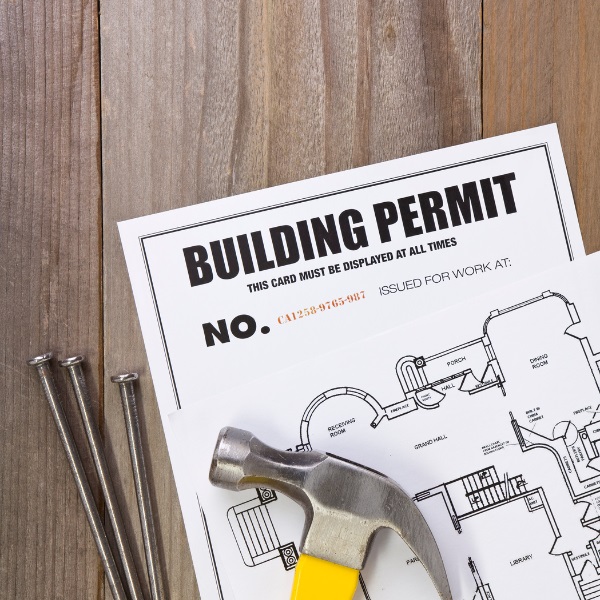
When planning home improvements, it's easy to focus on design choices, paint colors, and the overall impact on property value. However, one critical consideration often overlooked is the need for a building permit. Understanding when a building permit is required can save you from potential legal and safety issues down the road. Let's delve into the world of building permits to ensure your home improvement projects are on the right track.
What is a Building Permit?
A building permit is an official document issued by the local government that authorizes construction on a particular project. These permits ensure that home improvements or remodeling adhere to essential safety standards, minimizing risks like structural collapse, fire hazards, and electrical accidents. Although obtaining a building permit might seem like a bureaucratic process, it serves to protect you, your family, and your investment.
Projects Requiring a Building Permit:
While regulations vary by city, generally, any work involving structural, electrical, plumbing, or mechanical changes will require a residential permit. Here is a breakdown of common home improvement projects that necessitate a building permit:
1. Fencing Installation or Repair: Check your city's regulations for fence height restrictions before installing or repairing a fence. Ensure your fencing contractor is aware of these restrictions to avoid future issues.
2. Window Installations: Installing larger windows, skylights, or doors with windows will likely require a permit to create necessary openings. It is advisable to enlist the help of a professional window installer who can handle the permits.
3. Plumbing and Electrical Work: Replacing or installing plumbing fixtures, electrical wiring, outlets, switches, fans, or lighting usually requires a permit. Smaller projects like repairs and light fixture installations may not need a permit.
4. Structural Changes: Any modifications to load-bearing walls, balconies, decks, porches, roofs, or foundations will need a permit.
5. Heating Maintenance: Replacing water heaters, making changes to ventilation systems, gas or wood fireplaces, and ducts will require permits.
6. Additions and Remodels: If your project involves additions, remodels, repairs, replacements, or upgrades exceeding $5,000, a permit is necessary. Some exceptions include construction under 200 square feet, painting, carpeting, and wallpapering.
Projects Exempt from Permits:
Certain home improvement projects can be done without a permit, including minor plumbing and electrical work, painting, wallpapering, flooring installations (hardwood, carpeting, linoleum, or vinyl tile), installing countertops, and landscaping. However, keep in mind that regulations can differ from one area to another, so contacting your local building office for clarity is wise.
Obtaining a Building Permit: When working with a contractor, they will often handle obtaining the permit as they are responsible for ensuring the project meets code requirements. If you decide to pull the permit yourself, you assume the role of the contractor in the eyes of your local government and become liable for compliance.
Consequences of Ignoring a Building Permit:
Skipping the permit process may seem like a time and cost-saving measure, but it can lead to severe repercussions:
1. Fines and Penalties: Code enforcement authorities can impose fines far exceeding the original permit cost if they discover unpermitted work. They may also require you to redo the project.
2. Home Sale Delays: Unpermitted work can be uncovered during a home inspection when selling your house, causing delays, or even necessitating undoing the previous work.
3. Insurance Issues: If an incident like a plumbing problem, fire, or structural collapse is linked to unpermitted work, your homeowners' insurance may not cover the damage. Don't overlook the importance of building permits! While they may seem like a hassle, obtaining a permit is crucial for your safety and the protection of your home.
Taking the time and spending a little extra money upfront can save you from potential costly and stressful consequences down the line. Prioritize safety and compliance by getting a building permit for your home improvement projects.