
A Permanent Change of Station move is one of the most logistically demanding transitions a family can navigate. For military spouses, transitioning service members, and government contractors relocating to the Maryland corridor, it can also be one of the most powerful career inflection points available — if you know how to use it.
The area surrounding Fort Meade, the NSA campus, and the broader Anne Arundel and Howard County corridor is one of the most concentrated defense and intelligence employment environments in the country. Thousands of active duty service members, DoD civilians, and government contractors move through this region on PCS cycles, and behind each move is a family navigating relocation logistics, school transitions, housing decisions, and the professional disruption that comes with uprooting life on a military timeline.
Military families are among the most experienced relocators in America. They develop real expertise in the mechanics of a move: researching neighborhoods, enrolling children in new schools, finding healthcare providers, and establishing the household routines that make daily life function in a new place. What receives less systematic attention is the professional dimension of the move — specifically, what the transition period represents as a career opportunity for military spouses and transitioning service members who are ready to build something new.
This article is about that opportunity and the specific ways online education can function as a tool for military families navigating a PCS to Maryland. The career transition context here is different from a civilian relocation in several important ways, and understanding those differences can help with both the planning and the execution.
The Maryland Corridor: What Makes It Distinct for Career Changers
The Maryland corridor between Baltimore and Washington, D.C. encompasses one of the most unusual labor markets in the country. The concentration of federal agencies, intelligence community contractors, defense technology companies, and cybersecurity employers creates an employment environment that rewards specific, credentialed expertise in ways that few other markets do.
Fort Meade is closely connected to several major defense and intelligence missions, including NSA headquarters, the Defense Information Systems Agency, U.S. Cyber Command, and a range of other defense-related activities. The contractor ecosystem supporting these missions employs professionals in cybersecurity, IT infrastructure, intelligence analysis, program management, and technical and operational support roles.
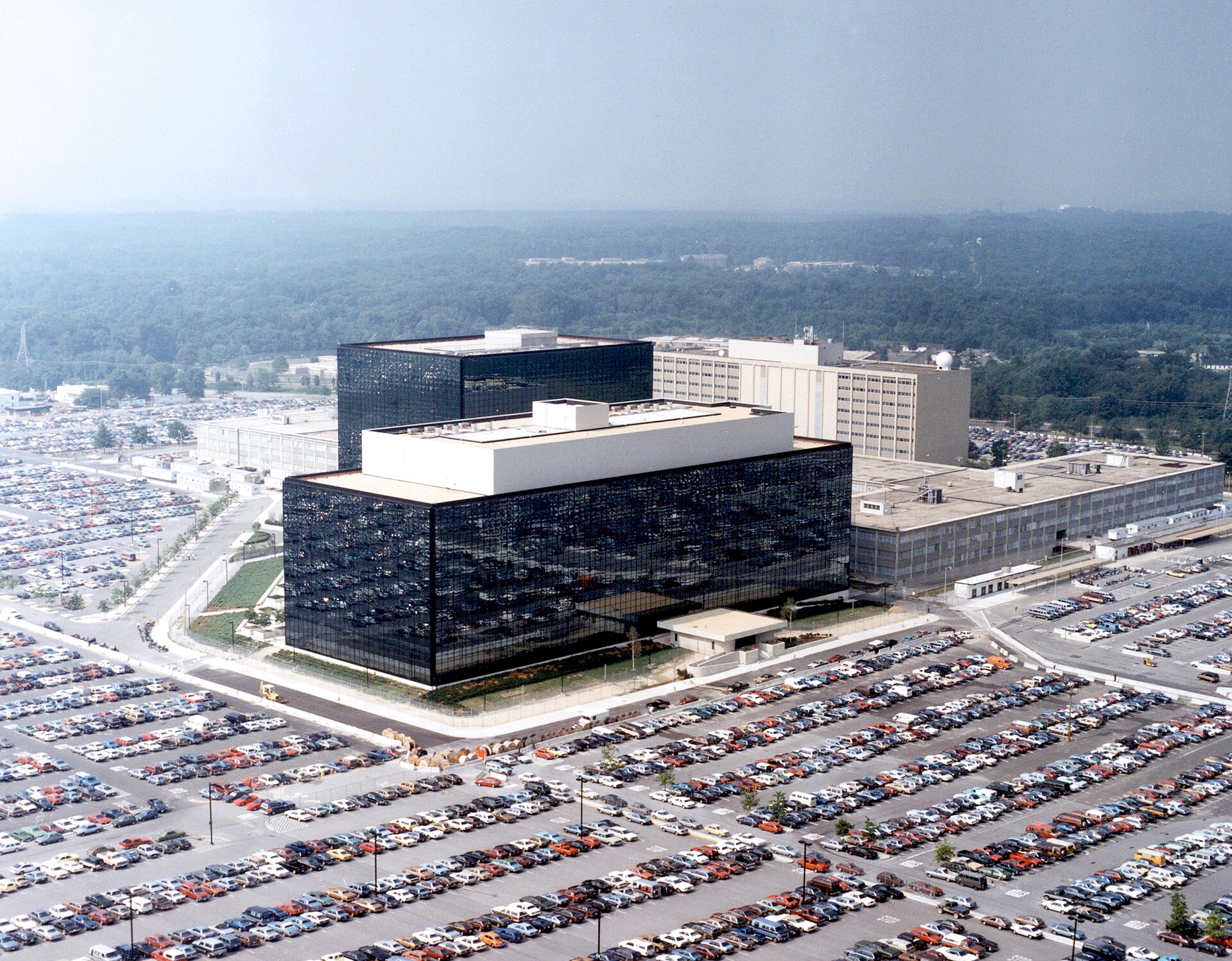
For transitioning service members who have developed security clearances and specialized skills during their military careers, the Maryland corridor can be one of the stronger civilian transition markets available. For military spouses and family members accompanying a service member to the region, the labor market is strong but competitive, and the professional entry points often depend on what credentials and documented skills a candidate brings to the application.
The same market that offers strong opportunities for well-credentialed professionals can be more difficult for candidates whose credentials do not clearly communicate specific, relevant competencies. That is where online education, professional certifications, and portable credentials can become especially valuable.
The Military Spouse Career Challenge: Why PCS Moves Create a Specific Professional Problem
The career challenges facing military spouses are worth understanding specifically rather than generally. The issue is rarely lack of capability, ambition, or work ethic. More often, it is the credential portability problem that PCS cycles create.
A military spouse who builds professional credentials and reputation in one market may receive orders with the family and have to start over somewhere else. In the new market, the professional network they built does not transfer easily, the reputation they established may not follow them, and credentials that were recognized by local employers in the previous location may not land the same way in the next one.
After two or three moves, a resume can tell a story of interrupted careers and credential gaps that does not accurately reflect the professional development that happened along the way.
Online degree programs designed for working adults can address this problem directly. A degree from a nationally accredited online institution is portable in a way that a local professional reputation is not. A verified credential documenting specific competencies can be read by employers in Fort Meade’s contractor ecosystem the same way it can be read by employers near a prior duty station.
In practical terms, the educational investment travels with the family in a way that local career capital often does not.
What Transitioning Service Members Bring to Maryland’s Labor Market
For active duty service members transitioning out of the military at or near a Maryland installation, the local market can be a favorable transition environment. Taking advantage of it, however, requires understanding how to translate military experience into civilian credential language.
Service members with backgrounds in signals intelligence, cybersecurity, information technology, logistics, operations, communications, and technical support may already have skill sets that map well to high-demand roles in Maryland’s contractor and defense technology ecosystem.
The challenge is documentation. Military occupational specialties and clearance levels communicate one thing to cleared employers who understand the context, but they may not communicate the same information to the broader civilian hiring market. Formal credentials that document specific technical competencies in civilian terms can help bridge that gap.
The Transition Assistance Program provides structured support for service members navigating the military-to-civilian transition, including career planning resources, employment workshops, and connections to education benefits. Understanding what TAP offers and how to integrate it with an educational credential strategy is one of the most practical planning steps a transitioning service member can take before separation.
The Post-9/11 GI Bill and the MyCAA scholarship program for eligible military spouses can both help offset education costs. For families using a PCS move as the occasion to invest in credentials, reviewing available education benefits before the move is part of responsible financial planning for the transition.
How Online Education Fits the PCS Timeline
One of the most practical advantages of online degree programs for military families is the way they can accommodate PCS timelines that traditional civilian education structures often cannot.
A traditional residential degree program requires geographic stability. If orders come and the family has to move mid-semester, the options are usually difficult: withdraw and lose progress, take a leave of absence that disrupts momentum, or attempt to transfer credits to an institution at the next duty station that may or may not accept them.
The result is that many military family members who start traditional degree programs never finish them — not because they lack the capability or the commitment, but because the format is incompatible with a life structured around unpredictable relocation cycles.
Online programs from accredited institutions can travel with the student. There is no geographic dependency, no relocation-based disruption, and no need to restart simply because orders change. The coursework can continue regardless of which state the household is currently located in.
For a military spouse who has started and stopped degree programs at multiple duty stations, the portability of an online program can be the difference between a credential that gets finished and one that becomes another incomplete line in a long relocation history.
The MyCAA Scholarship and Military Spouse Education Benefits
The My Career Advancement Account Scholarship, commonly known as MyCAA, is one of the education benefits military spouses should review carefully before investing in a credential program.
MyCAA provides up to $4,000 in tuition assistance for eligible military spouses pursuing approved portable career training, licenses, certifications, associate degrees, and certain continuing education courses. The program is designed specifically around the career portability problem that PCS cycles create.
That makes MyCAA particularly relevant for spouses who are using a Maryland PCS as the occasion for a credential investment. Online degree and certification paths in healthcare administration, cybersecurity, business management, education, and other portable career fields may align well with the goals of the program, depending on eligibility and the specific institution or course of study.
Eligibility is tied to specific program rules, service member status, pay grade, and other factors, so families should confirm current requirements through official Military OneSource resources before making financial plans around the benefit.
Career Pathways With Strong Entry Points in the Maryland Corridor
For military families relocating to the Maryland corridor and thinking about career development, several pathways have especially strong entry points in this market.
Cybersecurity and Information Security
The concentration of cybersecurity employers in the Fort Meade corridor, from large prime contractors to boutique cleared firms to federal agency civilian positions, makes this one of the strongest career transition pathways in the region. The Bureau of Labor Statistics projects employment of information security analysts to grow 29 percent from 2024 to 2034, which is much faster than the average for all occupations.
Program and Project Management
Defense and intelligence programs in the Maryland corridor generate steady demand for experienced program and project managers. Service members with backgrounds in operations, logistics, administration, and team leadership may find this path especially relevant because those skills often translate well into civilian project environments.
Healthcare Administration
The Baltimore-Washington region is home to major health systems, medical employers, and military-related healthcare needs. Healthcare administration can be an accessible transition for working adults with management, operations, scheduling, compliance, or support experience.
Intelligence Analysis and Research
For service members with intelligence community backgrounds, the transition to cleared civilian analyst roles can be one of the more direct career pathways available in the Maryland corridor. Formal credentials in intelligence studies, data analytics, cybersecurity, international relations, or research-based fields may complement the clearance and operational experience these candidates bring to the civilian market.
Business and Operations Management
Military experience often involves leadership, process management, problem solving, logistics, and accountability. When paired with business, management, or operations credentials, that experience can translate into roles across contractors, private companies, nonprofits, and government-adjacent organizations.
What Working Adults Report About Managing Online Education During a PCS Move
The experience of working adults in online programs is directly relevant for military families considering an educational investment during or after a PCS move. Peer-reported student experience data can be more useful than generic marketing language because it focuses on the factors that matter most: flexibility, schedule control, support, career relevance, and the ability to keep progressing while managing real-life obligations.
Schedule flexibility is one of the most important variables. During the first year in a new duty station, household logistics are often at their highest. Families are learning a new area, establishing school routines, managing commutes, finding childcare, and adjusting to new work demands. Programs with genuinely flexible structure can accommodate that period in ways fixed-schedule programs often cannot.
Career alignment with the specific job market of the duty station also matters. Military families cannot afford to invest in credentials that do not translate to the market they are entering. Programs that align with employer-recognized skills and issue verifiable credentials can help graduates demonstrate specific competencies to Maryland corridor employers rather than simply presenting a degree title.
How Housing and Career Planning Work Together Near Fort Meade
A PCS move is never just about the house. Housing decisions and career planning often overlap in very practical ways. Commute patterns, school assignments, childcare, access to MARC train stations, proximity to Fort Meade, and the type of neighborhood a family prefers can all affect daily life after the move.
For example, a family with one spouse working near Fort Meade and another pursuing online education or remote work may prioritize home office space, reliable internet, and proximity to schools or childcare. A transitioning service member moving into a contractor role may place more weight on commute time to Fort Meade, Columbia, Hanover, Laurel, or the BWI business corridor.
That is why it is important to look beyond the house itself. The right home should support the way the family actually needs to live, work, study, and commute after arriving in Maryland.
Popular Areas Near Fort Meade
There are many communities that appeal to Fort Meade families, depending on budget, commute preferences, school needs, and lifestyle goals.
Odenton is one of the most convenient options for many Fort Meade relocations, with access to the MARC train, Piney Orchard, Seven Oaks, Odenton Town Center, shopping, and commuter routes.
Severn offers a very close commute to Fort Meade and a mix of townhomes, single-family homes, and established neighborhoods.
Gambrills and Crofton are popular for buyers who want access to shopping, restaurants, commuter routes, and a suburban feel between Annapolis, Fort Meade, and Washington, D.C.
Hanover and Laurel can work well for buyers who want access to Fort Meade, NSA, BWI, Columbia, and major employment centers along the Baltimore-Washington corridor.
Columbia and Ellicott City are also common choices for families who want access to Howard County amenities, employment centers, and established residential communities.
Bowie may also appeal to buyers who want access to Fort Meade, Annapolis, Washington, D.C., and Prince George’s County communities.
A PCS Move to Maryland Can Be More Than a Move
A PCS move to Maryland is one of the most logistically demanding transitions a military family navigates. It is also one of the most professionally opportune, especially for service members transitioning out of the military, military spouses ready to invest in credentials that travel, and government contractors relocating into one of the strongest cleared professional markets in the country.
The working adults who get the most out of this transition are often the ones who treat the move as a career planning opportunity rather than just a logistics project. They research the Maryland corridor’s specific labor market before they arrive, understand the education benefits available to them, choose programs whose flexibility and portability match the reality of military family life, and arrive at the new duty station with credentials accumulating rather than waiting for the dust to settle.
Maryland’s corridor rewards specific, documented expertise. Military families who invest in building and documenting that expertise during the transition, rather than after it, can arrive with a competitive advantage that the move itself helped create.
Relocating to Fort Meade or the Surrounding Maryland Area?
If you are planning a PCS move to Fort Meade, NSA, DISA, U.S. Cyber Command, or the surrounding contractor corridor, working with a local real estate team that understands the area can make the process much smoother.
The Scott Smolen Team at RE/MAX Leading Edge helps military families, government contractors, and relocating buyers compare communities, understand commute options, and find the right home in the Fort Meade region.
Have questions about moving to Fort Meade or buying a home nearby? Reach out to The Scott Smolen Team to start planning your Maryland move.