Scott Smolen Maryland real estate blog with market updates, community spotlights, and home buying tips

Maryland Real Estate Blog

Scott Smolen's Anne Arundel County and Bowie, Md. Real Estate Blog

Local real estate updates, market insights, community spotlights, and practical home buying and selling advice for Odenton, Gambrills, Crofton, Bowie, Piney Orchard, Two Rivers, and the surrounding Maryland real estate market.

Latest Market Trends

Stay current on mortgage rates, local inventory shifts, pricing trends, and buyer demand across the Maryland real estate market.

Home Selling Advice

Learn how to prepare, price, market, and negotiate when selling a home in today’s local market.

Home Buying Tips

Get practical guidance on affordability, inspections, offers, financing, and buying with confidence.

Community Spotlights

Explore local neighborhoods, market reports, lifestyle features, and community insights throughout the area.

Oct. 11, 2025

Tips for Self-Employed Buyers Navigating Today’s Housing Market

Being your own boss comes with a lot of freedom, but when it’s time to buy a house, it can also bring extra hurdles. Unlike traditional W-2 employees, self-employed buyers don’t have a steady paycheck or employer to confirm income. That doesn’t mean you can’t buy a home — it just means lenders will want more documentation to make sure your earnings are consistent and reliable. With the right preparation, you can qualify for a mortgage and move forward with confidence.


Can You Buy a Home if You’re Self-Employed?

Absolutely. Self-employed buyers purchase homes every day. The difference is that the process usually involves more paperwork and closer scrutiny. While a W-2 employee can show a pay stub and employer letter, you’ll likely need tax returns, profit-and-loss statements, and bank records to prove your income stream.

Lenders aren’t looking for perfection — they just want reassurance that your earnings are steady enough to cover a mortgage for the long term.


What Lenders Look At

When evaluating a self-employed borrower, lenders typically review four key areas:

  • Verified income: Income may come from business profits, 1099 forms, or other documented sources. What matters most is that it can be backed up by records.

  • Tax returns: Most lenders want to see at least two years of personal and business tax returns to show your financial history and stability.

  • Debt-to-income ratio (DTI): This measures your monthly debt against your income. Aim for a DTI under 43% to show you’re not stretched too thin.

  • Credit score: A strong score can offset concerns about variable income and may qualify you for lower interest rates.


Steps to Improve Your Chances

Buying a home when you’re self-employed may take more prep work, but the payoff is worth it. Here are strategies to strengthen your application:

  1. Get pre-approved early – This helps you understand what you can afford and shows sellers you’re serious.

  2. Organize your documents – Gather tax returns, bank statements, and profit-and-loss reports ahead of time to avoid delays.

  3. Work with an experienced lender – Some lenders specialize in self-employed borrowers and know how to navigate non-traditional income.

  4. Separate business and personal finances – Dedicated accounts make it easier for lenders to verify income and expenses.

  5. Lower your debt – Paying off credit cards or loans can reduce your DTI and make your application more attractive.

  6. Keep your taxes current – Filing on time with clean records reassures lenders that your business is stable.

  7. Save for a larger down payment – More money upfront reduces risk for lenders and may improve your loan terms.


Loan Options for Self-Employed Buyers

Self-employed borrowers have access to most of the same mortgage options as traditional employees, but some programs are more flexible than others:

  • Conventional loans: Require strong credit and two years of tax returns, but often come with the best rates if you qualify.

  • FHA loans: Allow lower credit scores and smaller down payments, making them more accessible for first-time buyers.

  • Bank statement or non-QM loans: Let you qualify using 12–24 months of bank statements instead of tax returns. Helpful if your income looks lower on paper due to write-offs, though rates may be higher.

  • Credit unions and portfolio lenders: May offer more personalized solutions since they keep loans in-house rather than selling them.


Common Challenges for Self-Employed Buyers

While buying a home is completely doable, it helps to be aware of common obstacles:

  • Irregular income – Fluctuating earnings may make lenders cautious.

  • Too many write-offs – Deductions lower your taxable income, which can reduce the amount you qualify for.

  • Bigger down payment requirements – Some lenders may ask for more upfront to offset risk.

  • Stricter underwriting – Expect lenders to double-check your financials and ask more questions than they would with W-2 employees.


The Bottom Line

Buying a house while self-employed may take more preparation, but it’s far from impossible. By keeping your records organized, managing your credit wisely, and working with a lender who understands self-employed income, you can position yourself for success.


If you’re self-employed and thinking about buying a home, don’t go it alone. Contact Scott and the Smolen Team. We’ll connect you with trusted lenders who specialize in working with self-employed buyers and guide you through each step of the process to help you find the right home with confidence.


 

Oct. 7, 2025

How to Hire a Handyman: 10 Essential Questions to Ask

If you’re juggling multiple home projects, hiring a handyman may be a smarter and faster choice than spending every weekend trying to do it yourself. But the real difference lies in finding someone reliable, skilled, and transparent. Asking the right questions upfront ensures you get quality work and avoid headaches.


What Does a Handyman Do?

A handyman is a versatile professional who handles a wide variety of home repair and maintenance tasks. From fixing leaky faucets and patching drywall to assembling furniture and installing fixtures, they cover the small-to-medium jobs that save homeowners time and energy.

Typical tasks a handyman may handle include:

  • Drywall repair and painting

  • Fixture installations (ceiling fans, lights, faucets)

  • Basic carpentry and furniture assembly

  • Gutter cleaning and maintenance

  • Minor plumbing or electrical work (depending on local rules)

For larger jobs involving structural changes, major plumbing, or electrical rewiring, you’ll want a licensed general contractor instead.


Handyman vs. General Contractor

Before hiring, it’s important to know the difference between the two:

  • Scope of Work: Handymen typically handle small repairs, maintenance, and installations, while general contractors take on larger projects requiring multiple trades.

  • Licensing & Bonding: Handymen often aren’t required to have licenses (rules vary by state), but general contractors must meet strict requirements, including documented experience, exams, bonding, and insurance.

  • Permits & Compliance: Handymen rarely deal with permits, while general contractors handle permits, inspections, and ensure all work is up to code.

If your project is minor, a handyman is usually the right choice. For bigger renovations, a general contractor is better equipped to manage the job.


Checklist Before Hiring

To protect your time and budget, follow this checklist before choosing someone:

  • Verify licensing, insurance, and bonding

  • Request references and check online reviews

  • Get a written contract with scope, costs, and timeline

  • Confirm policies on cleanup and debris removal

  • Compare multiple bids to avoid overpaying or cutting corners


10 Questions to Ask Before You Hire

  1. Are you licensed, bonded, and insured?

  2. Do you have experience with similar projects?

  3. Can you provide references or examples of past work?

  4. How do you clarify the scope of work?

  5. How do you handle payments?

  6. Do you offer a warranty or guarantee?

  7. How do you handle unexpected changes?

  8. What is your policy on cleanup and debris removal?

  9. Do you markup materials, or can I buy them myself?

  10. How many projects do you take on at once?


The Bottom Line

Hiring the right handyman can save you time, reduce stress, and ensure projects are done properly. By asking the right questions and clarifying expectations, you’ll avoid unexpected costs and poor workmanship.


💡 If you’re preparing your home for the market or just need trusted referrals, reach out to Scott and the Smolen Team! We can connect you with reputable local contractors and guide you through the process of getting your home market-ready or sold with confidence.


Oct. 4, 2025

What It Takes To Buy a Home Before Yours Sells

Buying and selling a home at the same time can feel like walking a tightrope—one misstep and the whole process gets complicated. Maybe you’ve found your dream home, but you need to sell your current one first. That’s where a home sale contingency comes in. This clause makes your offer to purchase dependent on selling your existing home, giving you financial protection and peace of mind.

This guide explains how a home sale contingency works, the pros and cons of using one, and practical tips to make your offer as strong as possible.


What Is a Home Sale Contingency?

A home sale contingency is a clause in your purchase contract that says your new home purchase will only move forward if your current property sells.

  • Why buyers use it: To avoid paying two mortgages at once and to access the equity in their current home for the down payment on the next.

  • Typical timeframe: Usually 30–60 days to list, find a buyer, and close. If the sale doesn’t happen, the contract typically ends and you keep your earnest money.

  • Kick-out clauses: Sellers may protect themselves by adding a kick-out clause, allowing them to continue marketing their property and accept another offer if your home doesn’t sell within the agreed window.


How Buying With a Contingency Works

  1. List your current home. Put your home on the market first to show sellers you’re serious and ready.

  2. Add the contingency to your offer. Your agent includes the clause in your purchase contract, spelling out that your new purchase depends on your sale.

  3. Seller accepts—sometimes with a kick-out clause. If accepted, your contract is in place but the seller may reserve the right to move forward with another buyer if your home doesn’t sell quickly.

  4. If your home sells in time, the contract moves forward. Once your property is under contract and closes, your new purchase proceeds.

  5. If your home doesn’t sell, the contract ends. In most cases, you can walk away without losing your earnest money, and the seller is free to accept another offer.


Tips for Making Your Contingent Offer Stronger

  • ✅ Get pre-approved for your next mortgage to show you’re financially prepared.

  • ✅ Price your current home realistically so it sells quickly.

  • ✅ List your home before making an offer—ideally already under contract.

  • ✅ Shorten the contingency period if possible (30 days vs. 60).

  • ✅ Increase your earnest money or offer slightly more to reassure the seller.

  • ✅ Be transparent with sellers and provide updates throughout the process.


Pros of Buying a House With a Contingency

  • Financial security: Protects you from juggling two mortgages.

  • Easier transition: Move directly from your old home to your new one.

  • Less pressure: Gives you time to sell at a fair price rather than rushing.


Cons of Buying a House With a Contingency

  • Weaker offer in competitive markets: Sellers often prefer non-contingent offers.

  • Risk of delays or lost opportunities: If your home doesn’t sell quickly, you could lose the home you want.

  • Added stress: Coordinating two major transactions at once can be tricky.


Alternatives to a Home Sale Contingency

  • Bridge loan: Short-term financing that lets you buy before you sell.

  • HELOC: Use your current home’s equity for a down payment on the next property.

  • Rent-back agreement: Sell your home but stay temporarily while you close on your next one.

  • Sell first, rent short-term: Avoids a contingency but means moving twice.

  • Trade-in or “buy before you sell” programs: Some companies let you unlock equity or make cash offers upfront.


The Bottom Line

A home sale contingency offers protection and flexibility, but it can also make your offer less competitive. With the right strategy—like pricing your home well, securing pre-approval, and keeping sellers informed—you can strengthen your position and move forward confidently.

If you’re considering buying a home while selling your current one, the process doesn’t have to feel overwhelming. Contact Scott and the Smolen Team to explore your options. We’ll walk you through every step, connect you with trusted lenders, and help you sell your home quickly so you can secure the next one without unnecessary stress.


Oct. 1, 2025

How Much Home Insurance Do I Need? 5 Steps to the Right Coverage

Most homeowners know they need insurance—but figuring out how much coverage is enough can feel overwhelming. The right policy should protect your home, your belongings, and your financial future if something unexpected happens. Here’s a step-by-step guide to determining how much home insurance you really need.


Why Home Insurance Matters

The majority of homeowners carry insurance to protect against risks like fire, theft, or natural disasters. But many policies fall short, leaving homeowners underinsured when it matters most. The key is making sure your coverage keeps pace with rebuilding costs, your personal property, and your liability protection needs.


Step 1: Calculate Your Home’s Replacement Cost

Your policy should be based on the cost to rebuild your home from the ground up—not its market value. Replacement cost takes into account:

  • Local construction and labor costs

  • Materials like roofing, flooring, and fixtures

  • Special features such as fireplaces, built-ins, or custom finishes

Coverage types to know:

  • Replacement Cost Coverage pays to rebuild your home at today’s construction prices. This is the most protective option but usually comes with higher premiums.

  • Market Value Coverage reflects what your home could sell for, including the land. It’s tied to real estate values, but it often falls short of what you’d need to rebuild.

  • Actual Cash Value Coverage pays the replacement cost minus depreciation. Premiums are cheaper, but it can leave you paying out-of-pocket for the difference.

💡 Tip: Request a professional appraisal or use your insurer’s replacement cost estimator to get accurate numbers.


Step 2: Estimate Personal Property Coverage

Most policies include coverage for personal belongings, typically 50% to 70% of the dwelling coverage. This includes furniture, clothing, appliances, and electronics.

To make sure you’re fully protected:

  • Create a home inventory with photos, serial numbers, and receipts.

  • Consider riders for high-value items like jewelry, fine art, or collectibles, since standard policies may limit coverage for these.


Step 3: Review Liability Protection

Liability coverage protects you if someone is injured on your property or if you accidentally cause damage to someone else’s property.

  • A common recommendation is at least $300,000 in liability coverage.

  • Homeowners with higher-value assets often choose $500,000 or more for added protection.


Step 4: Don’t Forget Additional Living Expenses (ALE)

If your home becomes uninhabitable due to a covered loss, ALE coverage pays for costs like temporary housing, meals, and daily living expenses.

Make sure your policy provides enough ALE to sustain your household comfortably for several months.


Step 5: Reassess Your Coverage Regularly

Your insurance needs evolve over time. Review your policy at least once a year and after major changes such as:

  • Renovations or additions

  • Buying new furniture, appliances, or expensive electronics

  • Lifestyle changes (for example, working from home or starting a business)


FAQs About Home Insurance

How do I know if I have enough coverage?
You should have enough insurance to rebuild your home at today’s costs and replace your belongings. If your limits don’t match, you may be underinsured.

Is market value the same as replacement cost?
No. Market value includes the land, while replacement cost covers the expense of rebuilding the structure. Insurance is always based on replacement cost.

How often should I update my policy?
Once a year at minimum, and anytime you make significant updates or purchases.


The Bottom Line

The right home insurance policy should cover four main areas: your home’s replacement cost, your belongings, liability protection, and additional living expenses. By taking time to calculate these needs, reviewing your policy regularly, and comparing providers, you’ll avoid being underinsured and protect your home with confidence.


👉 If you have questions about home insurance—or if you’d like a referral to a reputable local insurance agent—contact Scott and the Smolen Team! We’re here to connect you with trusted professionals and help guide you through protecting your most important investment.


Sept. 26, 2025

10 Home Renovation Projects Under $1,000 That Add Lasting Value

Enhancing your living space does not always require a hefty budget. With the right updates, you can add real value to your home for under $1,000. Whether you’re preparing to sell your home or simply looking for some easy DIY projects, these cost-effective upgrades can breathe new life into your space.


1. Add Fresh Paint

Painting is one of the most affordable ways to refresh your home. A gallon of quality paint costs $30 to $50, with a full room averaging around $350.

Neutral shades like gray, beige, or white appeal to most buyers, while accent colors such as navy, forest green, or mustard add personality. Softer tones like sage or powder blue create a calming atmosphere.


2. Update Cabinet Hardware

Swapping outdated cabinet handles and knobs for modern alternatives instantly transforms kitchens and bathrooms. Sleek brushed nickel offers a contemporary look, while brass adds timeless charm. Hardware usually runs $2 to $10 per piece.


3. Refresh the Kitchen Backsplash

A new backsplash updates your kitchen and protects walls from everyday wear. Affordable ceramic or glass tiles cost as little as $1 to $5 per square foot. Peel-and-stick options are even more budget-friendly and quick to install.


4. Switch to Energy-Efficient Lighting

LED bulbs, priced around $2 to $10 each, not only save energy but also improve the look and feel of your home. Their crisp illumination can make a room feel brighter and more inviting while lowering your utility bills.


5. Upgrade Landscaping

Simple landscaping projects add instant curb appeal. Planting shrubs, flowers, or small trees can cost $100 to $500. Mulch or decorative stones run $50 to $150, and outdoor lighting adds ambiance for $50 to $200.

For anything involving gas, high-voltage electrical, or major structural work, it’s best to hire a professional.


6. Install a Smart Thermostat

Popular smart thermostats cost $150 to $300 and are often easy to install. They adapt to your preferences, adjust automatically, and can be controlled remotely with a smartphone—boosting both convenience and energy efficiency.


7. Refresh the Front Door

Painting or refurbishing your front door is a simple project that makes a big impact. Exterior paint costs $30 to $50 per gallon, while sanding and restaining typically cost under $100 in supplies. A refreshed door improves curb appeal instantly.


8. Add Floating Shelves or Built-Ins

Floating shelves, costing $20 to $50 each, provide stylish storage and display options. For a more customized solution, DIY built-ins using plywood or pre-assembled units can be done for $100 to $300.


9. Upgrade the Kitchen Sink and Faucet

Replacing a sink and faucet can refresh the entire kitchen. Faucets typically cost $100 to $300, and sinks range from $200 to $500. A modern pull-down faucet paired with a stainless steel sink improves both functionality and style.


10. Add Affordable Home Security

Smart cameras and basic surveillance systems range from $200 to $500. Many models now offer motion detection, remote access, and night vision. With a budget of $500 to $1,000, you can cover key entry points and improve peace of mind.


When to DIY vs. Hire a Pro

DIY saves money, but knowing your limits is key. Simple tasks like painting, adding shelves, or basic landscaping are typically manageable for homeowners. However, anything involving gas, electrical wiring, or structural changes should be left to professionals. Always check whether a project requires a permit or inspection before you begin.


Avoiding Budgeting Mistakes

One of the biggest mistakes homeowners make is skipping multiple bids. Comparing prices for the same work ensures you know whether a contractor is using premium or builder-grade materials. Also, don’t assume that the lowest price means poor quality—sometimes the most efficient contractors provide the best value.


The Bottom Line

Budget-friendly renovations under $1,000 can make a noticeable difference in your home’s appearance, comfort, and resale value. From painting and landscaping to updating fixtures and adding smart technology, these upgrades prove you don’t have to overspend to enhance your home.


If you’re considering home improvements and need a referral to a reputable contractor—or if you’re ready to start the process of selling your home—reach out to Scott and the Smolen Team. We’re here to connect you with trusted professionals and guide you through every step of preparing, marketing, and selling your property with confidence.


Sept. 23, 2025

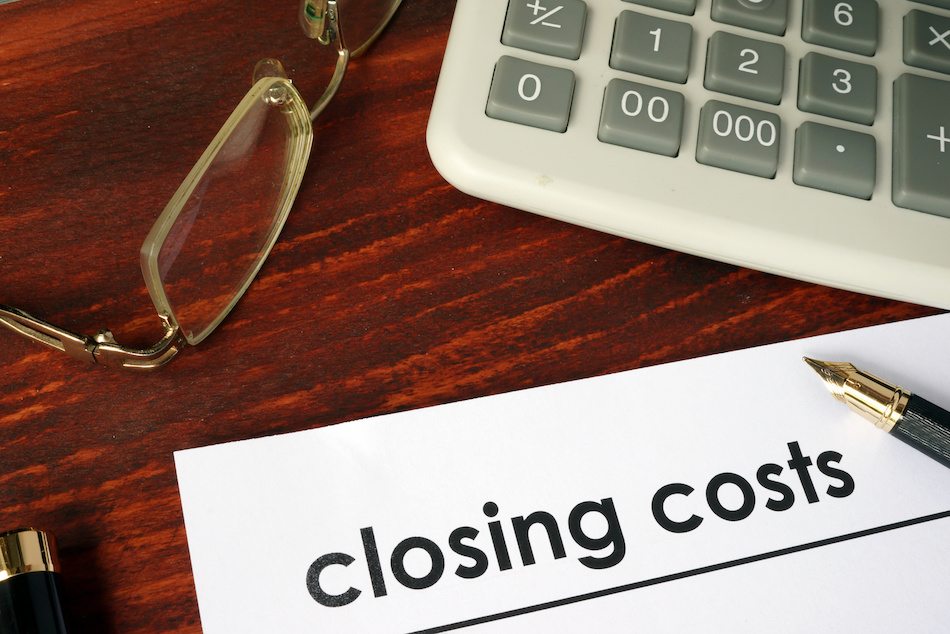
What Every Homebuyer Needs to Know About Closing Costs

If you’re planning to buy a home this year, there’s one expense you can’t afford to overlook: closing costs. Almost every buyer knows they exist, but not everyone knows exactly what they cover—or how different they can look depending on where you’re buying. Let’s break them down so you know what to expect and how to budget.


What Are Closing Costs?

Closing costs are the additional fees and payments due when you finalize your home purchase. Every buyer has them. According to Freddie Mac, these often include:

  • Homeowner’s insurance
  • Title insurance
  • Loan application and origination fees
  • Credit report fee
  • Home appraisal
  • Home inspection
  • Property survey
  • Attorney fees

While not the most exciting part of the homebuying process, these are essential steps to protect your investment and ensure a smooth transaction.


National vs. Local: Why the Numbers Look Different

When you Google closing costs, you’ll usually see a national range of 2% to 5% of the purchase price. That’s a useful starting point, but it doesn’t tell the whole story. In reality, closing costs vary widely based on:

  • Local taxes and fees (like transfer taxes and recording fees)
  • Regional service costs (title, appraisal, and attorney work)
  • State laws and tax rates

That means two buyers purchasing similarly priced homes in different states could end up paying very different amounts at closing.


What the Numbers Say

Here’s a closer look at how closing costs break down nationally and by state:

National averages:

Average home price: $438,236

Median home price: $409,839

Average closing costs (with taxes/recording): $4,661

Median closing costs (with taxes/recording): $3,513

Average closing costs (without taxes/recording): $3,042

Median closing costs (without taxes/recording): $2,958

Percentage of sales price:

Typical range: 0.5% to 3%

Average: 1.06%

Median: 0.88%

Highest closing costs by percentage:

Delaware (2.99%)

New York, Vermont, Pennsylvania, and Washington, D.C. (all on the higher end, largely due to transfer taxes)

Lowest closing costs by percentage:

South Dakota (0.46%)

Alaska (0.54%)

North Carolina (0.56%)

As you can see, transfer taxes often play the biggest role in whether a state falls on the high or low end of the spectrum.


Why This Matters for Buyers

Knowing what to expect ahead of time helps you:

  • Budget more accurately before you start shopping.
  • Avoid surprises at the closing table.
  • Negotiate smarter, since in some cases sellers may agree to help cover part of your closing costs.


Final Thoughts

Closing costs may not be the most exciting part of buying a home, but they’re an important one. Because they can vary so much by location, the best thing you can do is talk with your lender and local real estate professionals early in the process. They’ll give you a clearer picture of what to expect in your area, so you can plan with confidence.

If you’re thinking about buying a home this year and want help understanding closing costs—and the entire process—reach out to Scott and the Smolen Team. We’ll walk you through it and help you feel prepared every step of the way.


Sept. 17, 2025

Mortgage Rates Are Dropping – and Buyers Are Taking Notice!

Mortgage rates are finally trending down, and buyers are jumping back into the market!  The Mortgage Bankers Association (MBA) reports that mortgage applications are up 23% compared to the first week of September last year.

That’s a clear signal: as affordability improves, demand follows. If you’ve been waiting to sell—or if your listing expired during the slower months—this may be the moment to act.

Buyer demand is now at its highest level since July, and momentum is building.


Why the Shift?

Earlier this week, the 30-year fixed rate dropped to 6.13%—the lowest since October 2024. That decline came after weaker job growth numbers and speculation that the Federal Reserve could cut interest rates several times this year.

Financial markets moved ahead of the Fed, and mortgage rates responded. Today’s buyers are extremely sensitive to even small changes in rates. With affordability improving, more buyers are leaving the sidelines, and it’s changing the market in real time.


What It Means for Sellers

If you’re thinking about selling, don’t overlook this window. Whether you had an expired listing earlier this year or decided to wait for better conditions, now is the time to reevaluate.

Here’s the opportunity: List now while buyer activity is rising. Beat competing sellers who haven’t yet noticed the shift. Position your home strategically while demand is climbing. If you wait, yes, there may be even more buyers as rates continue downward—but you’ll also face more competition from other sellers entering the market.

A trusted local agent like Scott can help you price strategically, prepare your home to stand out, and make sure it reaches serious buyers who are ready to move today.


Bottom Line

Buyers are responding to lower mortgage rates and making moves. If you’ve been waiting for the right moment to sell, this could be it. Want to position your home for maximum exposure in today’s shifting market? Connect with Scott and The Smolen Team to make sure you take advantage of this opportunity!


Sept. 14, 2025

6 Smart Ways to Avoid Gift Tax on Property

Gifting property to family or loved ones can be a thoughtful way to pass on wealth, but it’s important to understand the tax implications. Fortunately, there are several strategies to minimize or avoid gift tax while transferring real estate.

Here are six options to consider:


1. Spread the Gift Over Multiple Years

One strategy is to transfer portions of the property’s value over several years, staying within the IRS annual exclusion limits. For example, you can gift up to $19,000 per person per year tax-free. Married couples can double that to $38,000.

Drawback: This works best for modestly valued properties. For high-value homes or commercial real estate, it could take decades to complete the transfer.


2. Split the Gift Between Spouses

Gift splitting lets one spouse make a gift on behalf of both, effectively doubling the annual tax-free amount. Both spouses must agree and file the proper paperwork with the IRS. This is a useful method for couples looking to accelerate gifting without using up lifetime exemptions too quickly.


3. Use Your Lifetime Gift and Estate Tax Exemption

For larger transfers, the lifetime exemption can help. If you transfer a $500,000 property, you would report it to the IRS, but no immediate tax is owed. The full value is subtracted from your $13.99 million lifetime exemption.

Drawback: Using this exemption reduces the protection available for other assets and could increase estate tax exposure later.


4. Let the Recipient Inherit the Property

Sometimes, it may be smarter to wait. Inherited property gets a “stepped-up” cost basis, which can significantly reduce capital gains taxes when sold.

Drawback of gifting instead: If you gift property during your lifetime, the recipient inherits your original cost basis, potentially creating a large capital gains tax when they sell.


5. Transfer Property to an Irrevocable Trust

An irrevocable trust removes property from your taxable estate and may protect it from estate taxes or Medicaid estate recovery.

Drawback: Once in the trust, you give up control — you can’t sell, borrow against, or reclaim the property.


6. Gift the Property to a Spouse

Gifts between U.S. citizen spouses are unlimited and don’t trigger gift tax. This makes it one of the simplest ways to transfer property. Special rules apply if your spouse isn’t a U.S. citizen.


Things to Consider Beyond Taxes

Loss of control: You no longer own the property once it’s gifted.

Medicaid rules: Gifting can affect eligibility within the five-year look-back period.

Capital gains exposure: In many cases, inherited property is more tax-efficient than gifted property.


Bottom Line 

Avoiding gift tax is important, but it’s only one piece of the puzzle. Always weigh control, Medicaid rules, and capital gains implications before transferring property. Planning to gift property or navigate estate transfers? Contact Scott and the Smolen Team for guidance on tax-smart real estate strategies.


Sept. 11, 2025

Mortgage Rates Just Had Their Biggest One-Day Drop in a Year!

You’ve been waiting for mortgage rates to finally budge. Last week, they did—and in a big way. On Friday, September 5th, the average 30-year fixed rate fell to its lowest level since October 2024.

It was the largest single-day decline in over a year.


What Sparked the Drop?

Per Mortgage News Daily, markets reacted to a weaker-than-expected August jobs report for the second month in a row. In short: signs of a cooling economy increased certainty about the path ahead, and rates moved lower as a result.

Historically, when the outlook softens, mortgage rates tend to ease.


Why Buyers Should Pay Attention

This isn’t just a headline—it affects your monthly payment. Compared to where rates sat in May (around 7%), today’s levels can translate into meaningful savings. On a typical purchase scenario, that shift can mean nearly $200 less per month—close to $2,400 per year—in principal and interest alone.

That kind of relief can bring homes that felt out of reach back into the conversation.


How Long Could This Last?

That depends on what comes next with inflation, the labor market, and how the Fed responds. Rates could drift lower or tick up—either way, the key is active monitoring. A knowledgeable agent and a trusted lender will watch the data and keep you positioned to act.

For now, the important takeaway is momentum. After months stuck in a narrow range, rates finally broke out. As CNBC’s Diana Olick put it: “Rates are finally breaking out of the high 6% range, where they’ve been stuck for months.” That shift gives buyers more room—and more reason to re-run the numbers.


Bottom Line

This is the opening you’ve been waiting for. If rates hold near current levels, a home that wasn’t affordable a few months ago may now pencil out. Want to see what today’s rate could save you each month? Talk to your lender. If you’re ready to move—or need an introduction to a reputable local mortgage pro—contact Scott and The Scott Smolen Team. We’ll help you run the numbers, time the market, and make a confident move.


Sept. 9, 2025

Cost of Living in Annapolis, Maryland: What to Expect When You Move

Cost of Living in Annapolis, Maryland: What to Expect When You Move

From housing and utilities to taxes, commuting, dining, and lifestyle, here’s what buyers should know before making a move to Annapolis.

Thinking about making Annapolis, Maryland your new home? Before you make a move, it helps to understand how far your budget will go. Annapolis offers a lifestyle that is hard to replicate, blending waterfront living, historic character, walkable areas, and convenient access to both Baltimore and Washington, D.C. The tradeoff is that living here can cost more than in some surrounding areas, especially when it comes to housing.

Annapolis offers more than a home. For many buyers, the real value is in the waterfront setting, the charm of the city, the local amenities, and the access it provides to major employment centers across Central Maryland.

Housing Costs in Annapolis

Housing is typically the biggest factor in the cost of living in Annapolis. Buyers will find a wide range of options, from waterfront luxury estates and historic homes to townhomes, condos, and more traditional residential neighborhoods. Prime areas near the water or downtown usually command stronger pricing, so buyers should be realistic about where their budget aligns with their goals.

To get a clearer picture of what is currently available, browse the latest Annapolis homes for sale and compare price points, home styles, and neighborhood options.

Utilities and Transportation

Utilities in Annapolis are generally manageable, though actual costs vary depending on the age, size, and location of the home. Older homes and waterfront properties may carry higher heating and cooling costs, while newer homes may offer better energy efficiency and more predictable monthly expenses.

Transportation is one of Annapolis’ practical strengths. Many residents drive, but the area also offers commuter bus options and access to nearby MARC train stations for travel toward Baltimore and Washington, D.C. That makes Annapolis especially appealing to buyers who want a coastal setting without being cut off from major job markets.

Groceries, Dining, and Entertainment

Everyday living expenses in Annapolis can run a bit higher than in less centrally located markets, particularly when it comes to dining and entertainment. Grocery costs are often moderate to slightly above average, while restaurants range from casual local seafood spots to high-end waterfront dining.

That said, many residents feel the lifestyle justifies the expense. Boating, waterfront activities, festivals, downtown shopping, live entertainment, and local events all contribute to what makes Annapolis such a desirable place to call home.

Taxes and Long-Term Ownership Costs

Maryland homeowners should account for state income tax, county-level taxes, and property taxes when building a realistic budget. Annapolis is located in Anne Arundel County, and many buyers find the property tax structure here more favorable than in some nearby jurisdictions, especially when evaluating long-term ownership costs.

Homeowners should also understand that property assessments in Anne Arundel County are completed on a recurring cycle, and some may qualify for programs that help reduce annual tax burdens. One example is the Maryland Homestead Tax Credit. Understanding these costs upfront is important when deciding what monthly payment truly feels comfortable.

Is Annapolis Worth the Cost?

For many buyers, the answer is yes. Annapolis offers a rare combination of waterfront scenery, historic character, strong community appeal, and convenient access to major metro areas. While the cost of living may be higher than in some nearby communities, buyers are often paying for far more than square footage alone.

The key is not simply finding a home that fits your price range. It is finding the right neighborhood, the right type of property, and the right overall value based on how you want to live.

Thinking About Buying in Annapolis?

The Scott Smolen Team can help you compare neighborhoods, evaluate your options, and move forward with a strategy that makes sense for your budget and goals.

Waterfront living and homes in Annapolis Maryland