By: Curtis Fisher
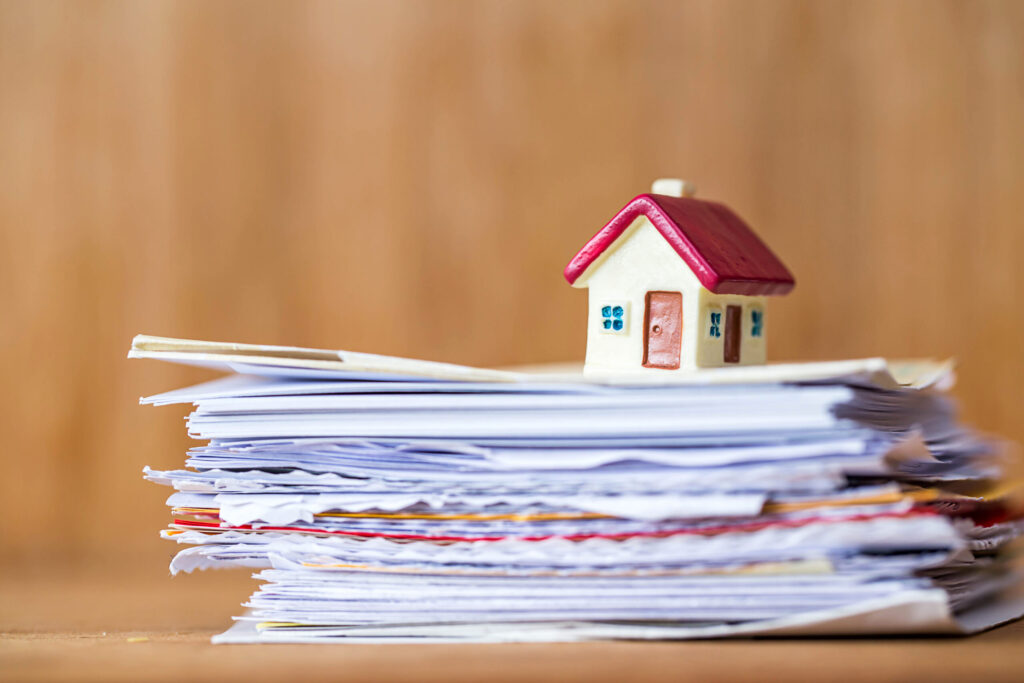
The stacks sneak up on you. One day, you're excitedly browsing open houses or prepping your living room for listing photos. The next, you're knee-deep in printouts, PDFs, disclosures, tax returns, and legal documents with words like “encumbrance” and “easement” underlined in red. Buying or selling a home is as much about managing paperwork as it is about location and price. And if you're not careful, that paper trail can turn into a paper trap. The good news? With the right strategies, you can keep your sanity and your documents intact.
Create a Digital Sanctuary
Keeping your housing documents in order starts with creating a system that doesn’t just look good but actually works under pressure. Whether you're deep in the escrow process or just starting to shop around, you need a place—physical or digital—where everything lives and makes sense. In order to stay organized, it's crucial that you file any new documents every day instead of leaving them on your desk, where they quickly become tomorrow's problem.
Make Peace With Redundancy
You'll be asked for the same document more than once—sometimes by the same person. It’s maddening, yes, but also standard. Underwriters, agents, lawyers, and appraisers are juggling dozens of deals, each with their own timelines and nuances. So instead of being surprised by repeat requests, assume they’re coming and stay ahead of them. Keep a master folder with your ID, tax returns, proof of funds, and any other critical pieces so you can send them again at a moment’s notice. It’s a small act of over-preparedness that can save hours.
Track Signatures Like a Hawk
Welcome to the era of e-signing, where you can approve a six-figure deal with a swipe of your finger while waiting in line at the coffee shop. But just because it’s easier doesn’t mean it’s foolproof. Use a well-reviewed e-sign platform, and make a checklist of every document you’re asked to sign—listing agreements, buyer disclosures, repair acknowledgments, closing docs—and mark them off only when you've saved a fully executed copy. Mistakes here can delay closings or create legal gray zones later. A file labeled “Signed Documents – Final” is your best friend when the notary gets something wrong or a buyer claims you missed a detail.
Print Selectively, But Intentionally
Despite our digital tools, real estate is still old-school in many ways. Some documents will need to be printed, signed in ink, and handed to a person with a clipboard; talk to Scott Smolen about the specific items you’ll need to have physical copies of. If you’re printing everything “just in case,” you’ll end up with a forest in your living room. Instead, print only what absolutely must be signed, handed over, or stored physically. And when you do, use sticky notes to mark where signatures or initials are needed. This not only helps you stay organized but makes you a dream client for every professional working on your behalf.
Keep a Transaction Timeline
It’s shockingly easy to forget when things happened during a real estate deal. Did you send in your deposit before or after the inspection report came in? Was the appraisal ordered before you signed the purchase agreement? Rather than relying on your memory, keep a simple document that logs key dates: when you listed, when the offer came in, when you signed, when contingencies were lifted. It becomes a reference point for you, your agent, and your attorney if any questions arise later—and they almost always do.
Have a Post-Closing Purge Plan
Even after you’ve bought or sold your home, the paper doesn’t disappear. You’ll need some documents for taxes, some for future buyers, and some—like the final settlement statement or warranty info—for your own records. But the rest? It’s just clutter. Schedule a date, maybe 30 days post-closing, to go through everything. Digitize what you must keep, shred what you don't, and file the important stuff where you won’t lose it. It’s a small but mighty step that will free up physical and mental space as you settle into your next chapter.
The paperwork side of real estate doesn’t get a glossy TV makeover. There’s no dramatic music when you scan your 200th document or hunt down that one missing signature. But for all the thrill of buying or selling a home, it’s this behind-the-scenes organization that actually makes the whole thing possible.
Discover your dream home with The Scott Smolen Team, where personalized service and local expertise ensure a seamless real estate journey in Anne Arundel County and beyond.