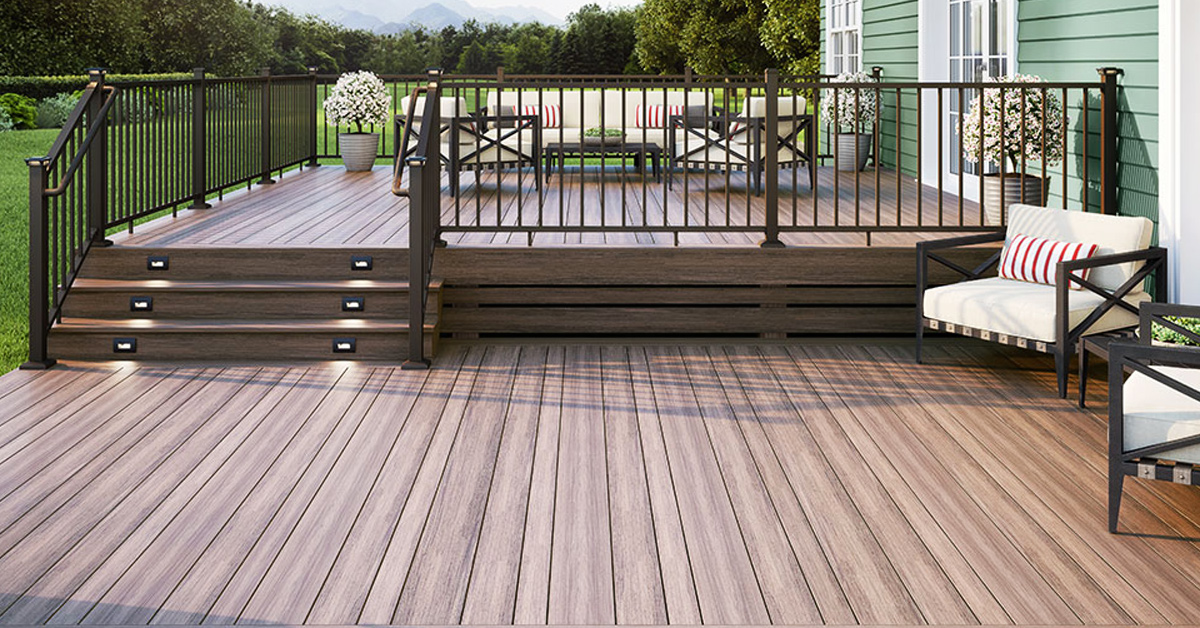
When it comes to outdoor living spaces, a deck can be a wonderful addition to any home. With a multitude of materials available, one popular option is a composite deck. Composite decking combines the look and feel of natural wood with the durability and low maintenance of synthetic materials. In this blog post, we will explore the advantages and disadvantages of installing a composite deck, helping you make an informed decision about whether it's the right choice for your outdoor oasis.
Advantages of Composite Decking:
1. Low Maintenance: One of the biggest advantages of composite decking is its minimal maintenance requirements. Unlike traditional wood decks, composite decking does not require staining, sealing, or painting. It is resistant to fading, staining, and mold, making it an excellent choice for homeowners who prefer a hassle-free outdoor space.
2. Durability: Composite decking is designed to withstand the elements. It is resistant to rot, warping, and splintering, making it ideal for areas with high humidity or harsh weather conditions. With proper installation and regular cleaning, composite decks can maintain their appearance and structural integrity for many years.
3. Variety of Colors and Textures: Composite decking offers a wide range of colors, textures, and finishes, allowing you to customize your deck to suit your personal style and complement your home's exterior. Whether you prefer the classic look of wood grain or a contemporary, sleek finish, composite decking provides options to match any aesthetic.
4. Eco-Friendly: Many composite decking products are made from recycled materials, such as reclaimed wood fibers and plastic. By choosing composite decking, you contribute to reducing the demand for virgin wood and promote sustainable practices.
Disadvantages of Composite Decking:
1. Higher Initial Cost: Compared to traditional wood decking, composite decking typically has a higher upfront cost. However, it's important to consider the long-term savings in maintenance and replacement expenses. While the initial investment may be higher, composite decks often prove to be more cost-effective in the long run.
2. Heat Retention: Composite decking can retain heat more than natural wood. In hot climates or areas exposed to direct sunlight, the surface of a composite deck may become uncomfortably hot. However, selecting lighter-colored composite materials or using rugs and shading solutions can help mitigate this issue.
3. Susceptible to Scratching: While composite decking is exceptionally durable, it can be prone to scratching, particularly from sharp objects or heavy furniture. To minimize the risk of scratches, using furniture pads and avoiding dragging heavy items across the deck surface is recommended.
4. Limited Reparability: Unlike natural wood, composite decking cannot be sanded or refinished to remove scratches or stains. If damage occurs, the affected area may need to be replaced or repaired by a professional.
Are you looking for a deck that requires minimal maintenance, is built to last, and offers a wide range of design options? Look no further than a composite deck. Not only is it environmentally friendly, but it also boasts impressive durability. While the initial cost may be higher compared to other decking materials, it will pay off in the long run. However, it's important to keep in mind that composite decks can retain heat and may be prone to scratching. Additionally, repairs may be limited. To ensure you make the best decision for your outdoor space, take into account your specific needs and preferences. Consider consulting with a professional contractor or decking specialist who can offer tailored guidance based on your unique circumstances.