I personally owned and operated a lawn and landscaping company prior to becoming a full time Realtor in 1999. Lush lawns and healthy landscapes are a topic that has interested me for decades. Hopefully you will find some of these "pro tips" beneficial if you are currently maintaining your own lawn. If you are looking for some professional help, I have included links to 3 reputable companies below as well.
Here are some steps to help you maintain a lush and vibrant lawn during the summer months.
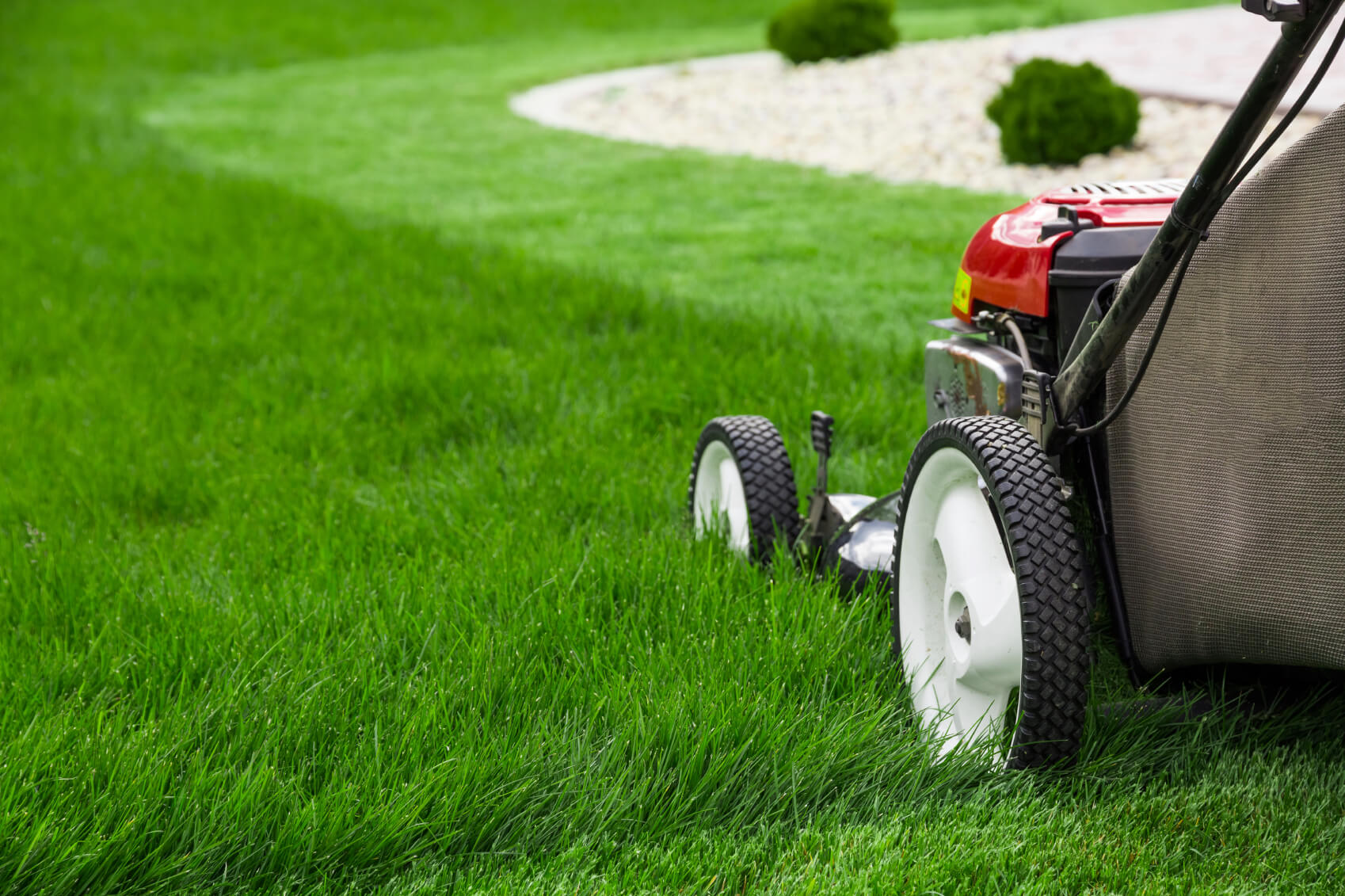
- Mowing: Set your lawn mower blade to the appropriate height, typically around 3 inches. Regularly mow your lawn to ensure it stays at the desired height. Avoid cutting the grass too short as it can stress the turf and make it more susceptible to damage from heat and drought.
- Watering: Deep, infrequent watering is key to promoting healthy root growth. Water your lawn in the early morning to minimize evaporation. Aim for about 1 inch of water per week, including rainfall. Use a rain gauge or empty tuna can to measure the amount of water applied.
- Fertilization: Apply a slow-release or controlled-release fertilizer specifically formulated for lawns in Maryland. Follow the manufacturer's instructions for application rates and timing. Fertilizing in early summer can help promote healthy growth and enhance the lawn's ability to withstand stress.
- Weed Control: Monitor your lawn for weeds and take appropriate action to control them. Spot-treat weeds using a suitable herbicide or pull them manually. Be cautious when using herbicides and follow the instructions to avoid damaging your lawn or surrounding plants.
- Aeration: Consider aerating your lawn during the summer to improve air and water circulation in the soil. Core aeration involves removing small plugs of soil from the turf, allowing better nutrient absorption and root development.
- Pest and Disease Management: Keep an eye out for common lawn pests and diseases such as grubs, chinch bugs, or fungal infections. Consult with a lawn care professional or your local extension office for proper identification and treatment options.
- Regular Maintenance: Remove debris, such as leaves and twigs, from your lawn regularly. This allows better airflow and prevents the development of disease-prone areas. Additionally, periodically rake or dethatch the lawn to remove excessive thatch build-up.
- Shade Management: If you have trees or structures casting shade on parts of your lawn, consider pruning or trimming them to allow more sunlight to reach the grass. Adequate sunlight is crucial for maintaining a healthy lawn.
- Avoid High Traffic: Limit heavy foot traffic on your lawn, especially during hot and dry periods. Excessive use can compact the soil and damage the turf. Encourage family members and guests to stay on designated pathways.
- Overseeding: If your lawn has bare or thin areas, consider overseeding in the late summer or early fall when conditions are favorable for seed germination. Choose a suitable grass seed variety for your region and follow proper seeding techniques.
Remember, the specific needs of your lawn may vary based on factors such as grass type, soil composition, and local climate conditions. It's always beneficial to consult with local lawn care experts for tailored recommendations.
These are some great local experts that we have had good luck with in the past:
TLC - Lawn Irrigation and Professional Lighting