Our post yesterday focused on the common indoor air quality pollutants and the importance of testing your air. Today we are giving you 7 tips on how you can improve the indoor air quality inside your home. Apart from controlling indoor pollutants, you should also focus on improving your home's filtration and ventilation systems to maintain healthy air quality. Below are some steps that can help improve indoor air quality:
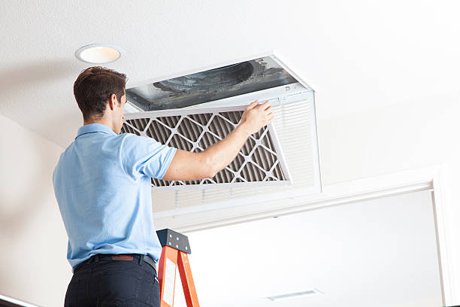
1) Use Quality Air Filters: Most heating and cooling systems in the home offer filtration to remove certain contaminants. Homeowners should use air filters with a minimum efficiency reporting value (MERV) of 9 to 12 or higher to collect dust and debris. Filters should be changed every three months, and more frequently for higher filtration options.
2) Ventilate Your Home: To remove harmful pollutants, homeowners should use different types of ventilation, depending on the need. For example, use a fan or open windows to circulate air and remove noxious odors. Ventilation above the range or a bathroom fan can remove heat, moisture, and fuel byproducts. Homeowners should also use the ventilation system built into their home's HVAC system to circulate air throughout the house and provide fresh, filtered air from outside.
3) Add House Plants: Certain house plants, such as Golden Pothos, Peace Lily, English Ivy, Aloe Vera, Spider plant, Snake plant, and Bamboo palm, can neutralize common contaminants and absorb pollutants such as carbon monoxide or VOCs. However, some plants may not be safe for pets or small children.
4) Keep Your Home Clean: Regularly cleaning the home helps minimize the accumulation of contaminants inside. Homeowners should wash bedding, sweep hard floors daily, vacuum carpets, minimize clutter, dust once a week, and clean surfaces with low-VOC cleaning products. They should also store harsh chemicals outside the home and eliminate excess pollutants in the home that are not needed.
5) Invest in Air Purifiers: Air purifiers can help filter out pollutants that ventilation alone cannot remove. Homeowners should invest in air purifiers containing a filter that can prevent particles from passing through, which should be replaced at least once every three months. Some air purifiers use activated carbon to filter out gases like VOCs, which also need to be replaced regularly.
6) Try a Dehumidifier: A dehumidifier can control humidity and minimize mildew and mold growth, especially in the kitchen or bathroom. Homeowners should choose a dehumidifier with the highest capacity and empty the drip pan as it accumulates water.
7) Buy the Right Cleaning Products: Using low-VOC cleaning products can help maintain indoor air quality by minimizing the release of harmful chemicals.
Here is more information from the EPA as well: EPA Indoor Air Quality